
.jpg)
.jpg)
.jpg)
.jpg)
.jpg)
.jpg)


.jpg)

.jpg)
.jpg)

.jpg)


.jpg)
.jpg)
.jpg)
.jpg)
.jpg)
.jpg)
.jpg)
.jpg)
.jpg)
.jpg)
.jpg)
.jpg)
.jpg)
.jpg)
.jpg)
.jpg)
.jpg)

.jpg)
.jpg)
.jpg)
.jpg)
Some African landscapes only reveal themselves properly from the air. The braided channels of the Okavango. The red geometry of Namibia. The broken escarpments of northern Kenya. The long pull of the Zambezi before it falls.
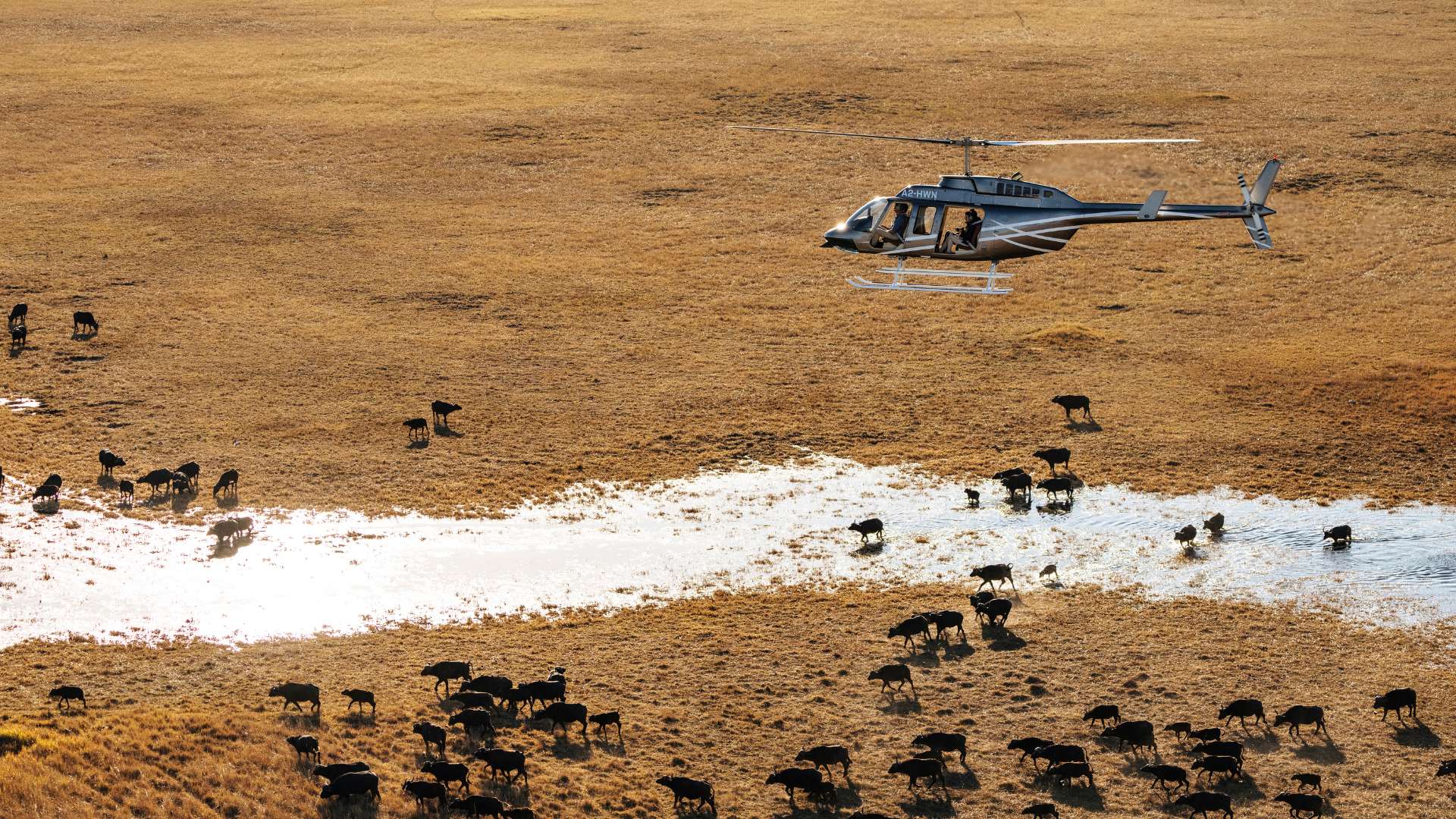
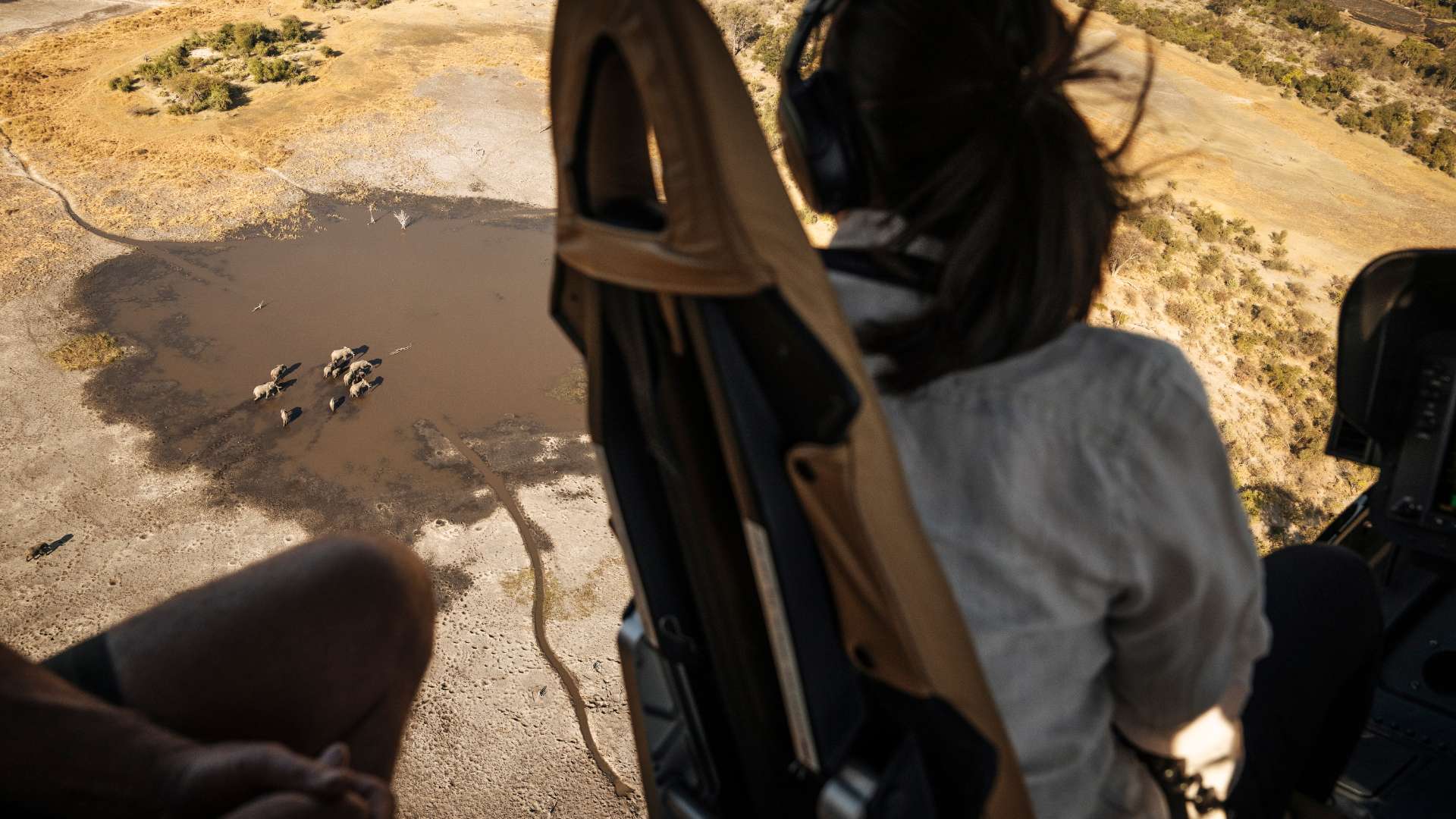
Botswana: Okavango Delta and Linyanti
Few places reward an aerial perspective like Botswana. The Okavango Delta is a UNESCO World Heritage Site and the largest intact inland delta in the world, a shifting mosaic of channels, lagoons, flooded grasslands and islands. Botswana Tourism specifically highlights helicopter rides over the Delta’s remote areas and scenic flights over Moremi as a way to see wildlife and wilderness from a completely different angle, while specialist safari operators use helicopter experiences over the Okavango and Linyanti to reveal how the floodplain really works.
© Helicopter Horizons
© Helicopter Horizons
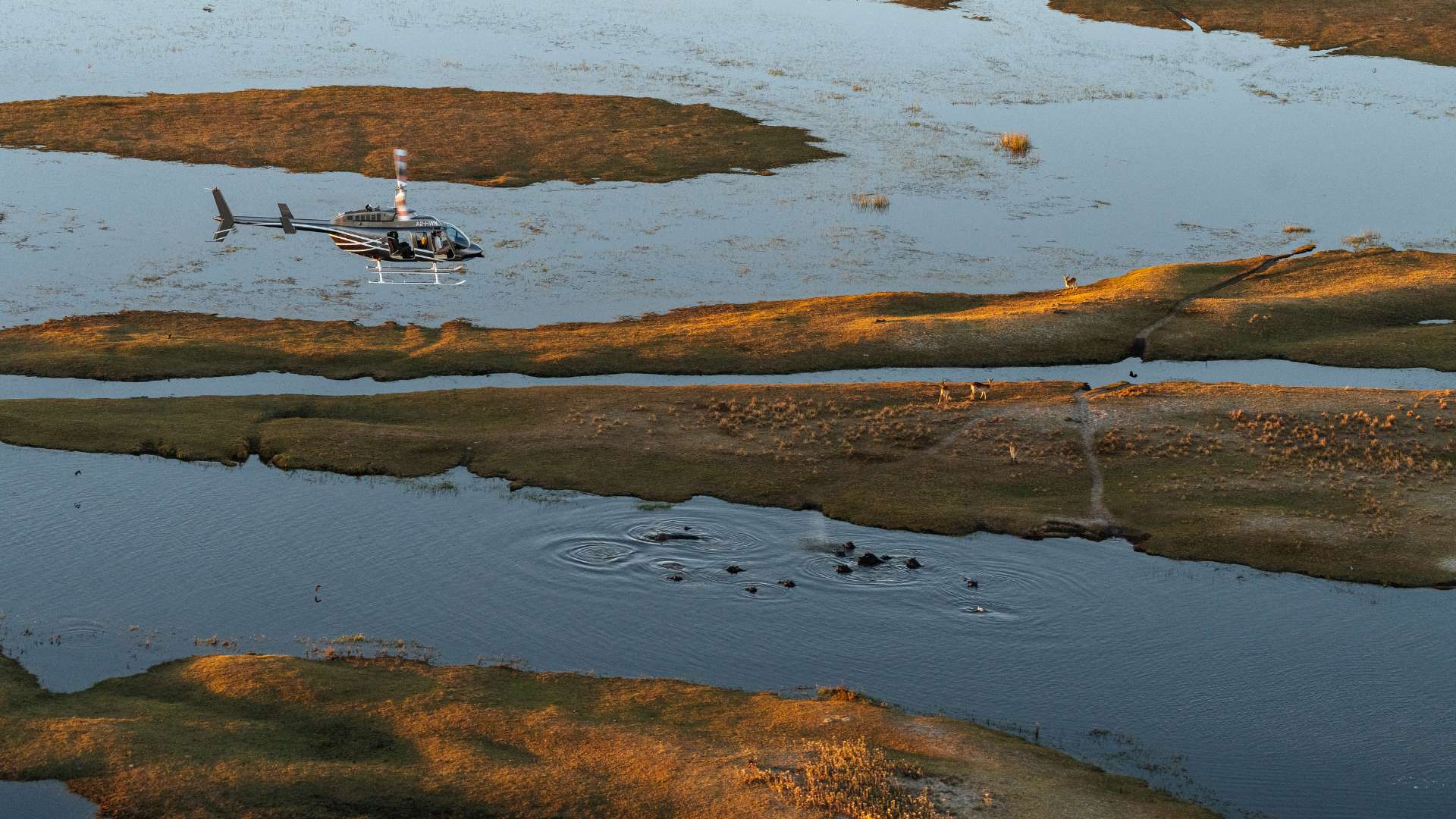
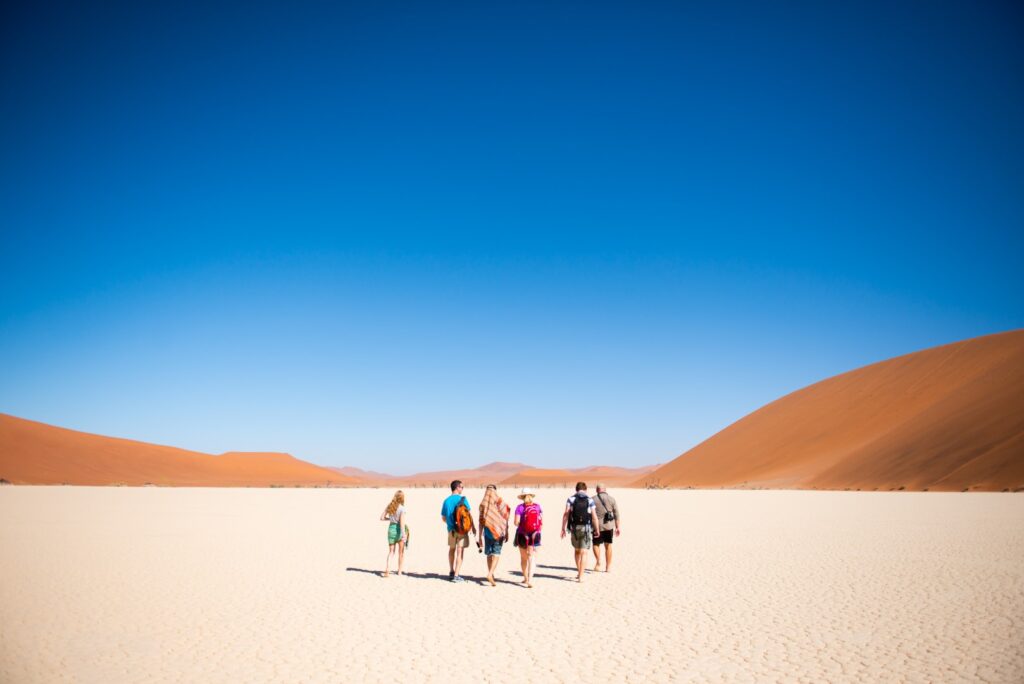
Namibia: Sossusvlei and the Skeleton Coast
Namibia is another natural fit. Over Sossusvlei, helicopter flights reveal the full geometry of the desert: rolling dunes, mineral pans, craggy ridges, ancient rock formations and fairy circles. Along the Skeleton Coast, the air brings coherence to a place that can feel almost surreal at ground level, connecting shipwrecks, canyons, seal colonies, lava landscapes, river valleys and the meeting of sand and sea.
© AndBeyond, Desert Lodge
© AndBeyond, Desert Lodge
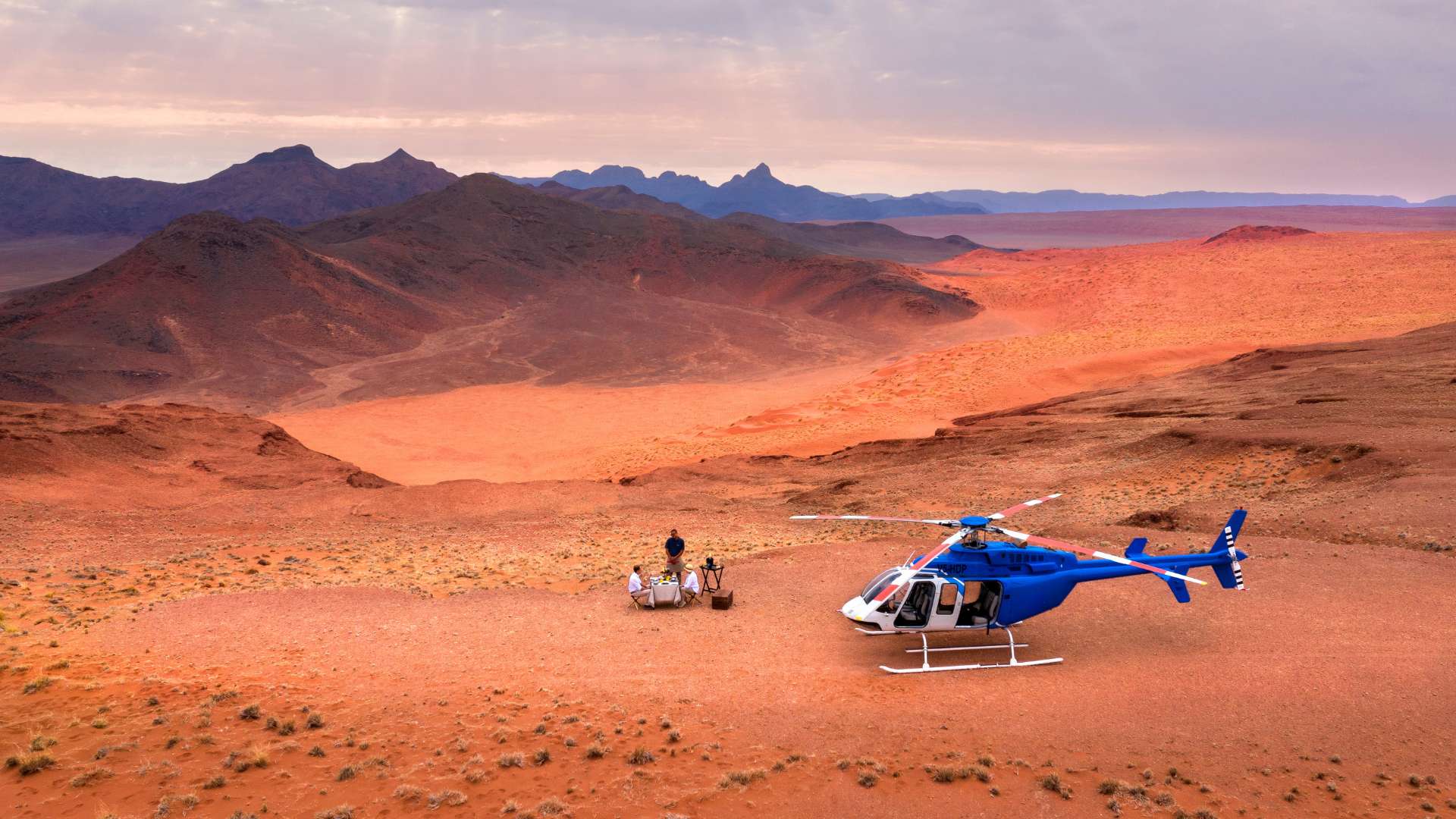
Northern Kenya: Laikipia, Samburu and the Rift
In northern Kenya, helicopters make a safari feel more exploratory. Official Kenyan experiences include routes over Mount Kenya and Laikipia, Samburu and Ol Lolokwe, and deeper circuits through Suguta, Turkana and the Matthews Range, with the freedom to touch down among saltpans, lava flows, eroded valleys and remote granite outcrops. For travellers drawn to space, geology and a stronger sense of expedition, this part of Africa is especially compelling from the air.
© AndBeyond, Kenya Suyian Conservancy
© AndBeyond, Kenya Suyian Conservancy

Rwanda: Volcanoes, Akagera and the wider landscape
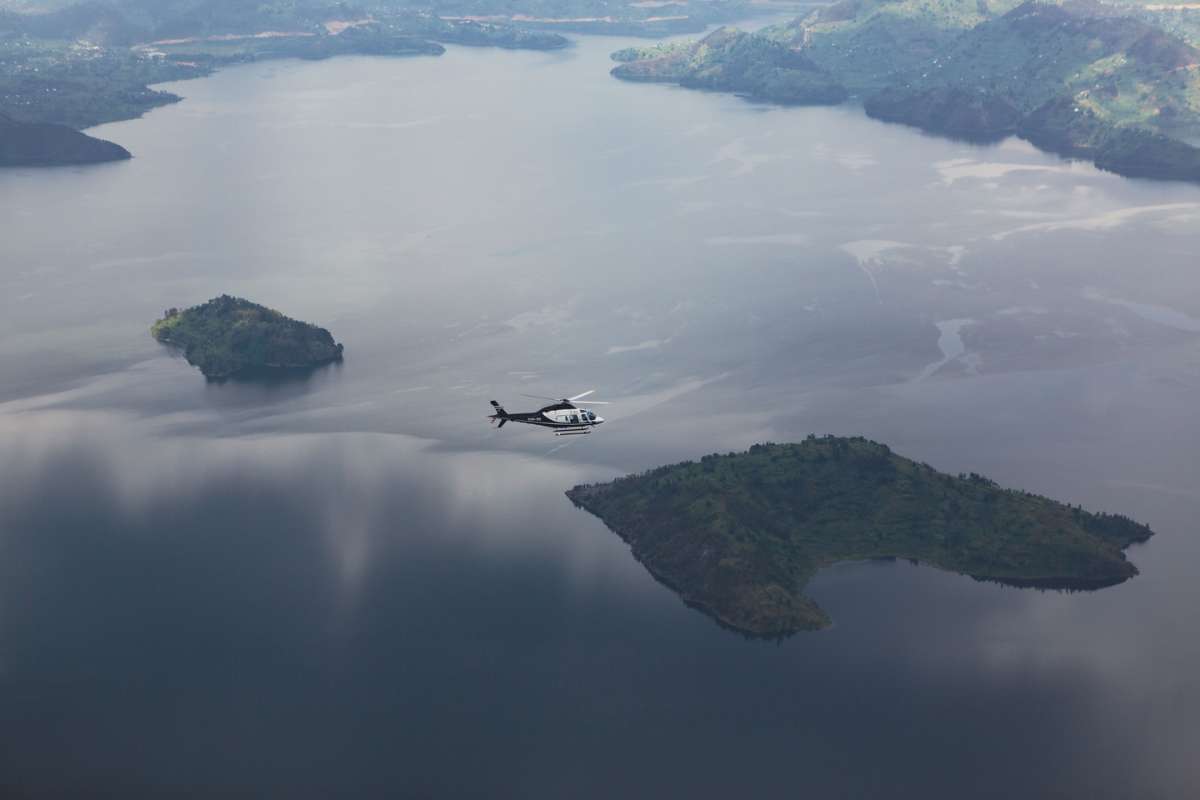
Rwanda offers a different strength: efficiency without loss of atmosphere. Visit Rwanda notes that scenic helicopter tours range from 30 minutes to two and a half hours, and helicopter transfers are available within the country. That makes it an elegant way to connect Kigali with Volcanoes and Akagera while seeing the folds of the land of a thousand hills as one continuous landscape rather than separate points on a map.
© Akagera Aviation
© Akagera Aviation
Victoria Falls and the Zambezi
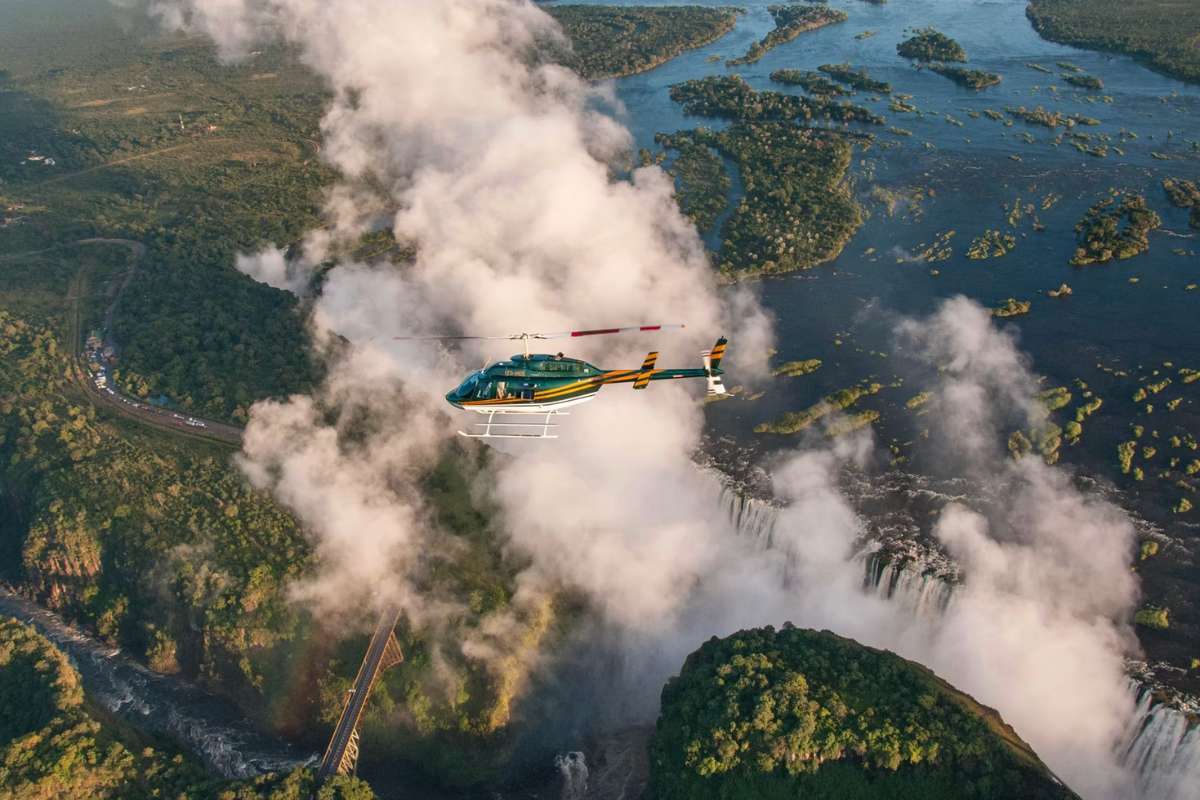
At Victoria Falls, the value is scale. Official Zambia Tourism guidance notes that helicopter flights take in not only the Falls, but also the Zambezi River, Batoka Gorge and Mosi-oa-Tunya National Park. Zambia also positions air charter as one of the best ways to reach remote lodges, which means a scenic helicopter flight can work beautifully both as an experience in its own right and as part of a smoother wider safari.
© Bushtracks Africa
© Bushtracks Africa
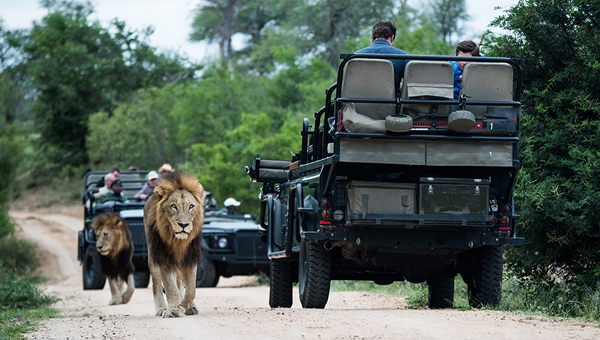
Lion
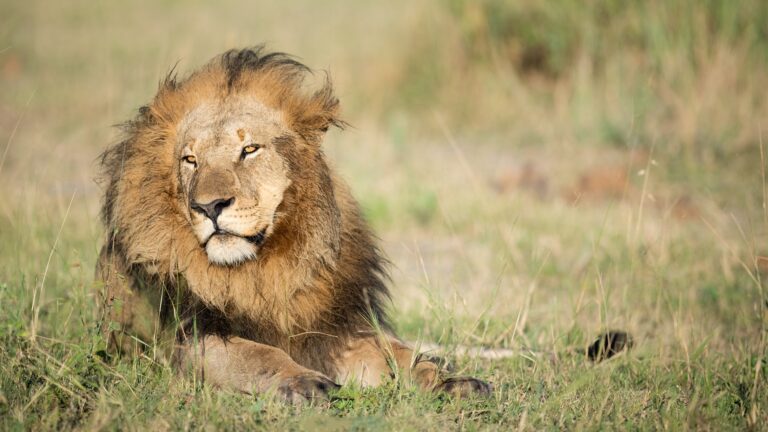
The African lion is an iconic big cat, recognized by its majestic mane in males. Lions are apex predators and live in groups called prides. They are known for their strength, stealth, and cooperative hunting strategies. Lions are often associated with bravery and royalty in various cultures.
Leopard
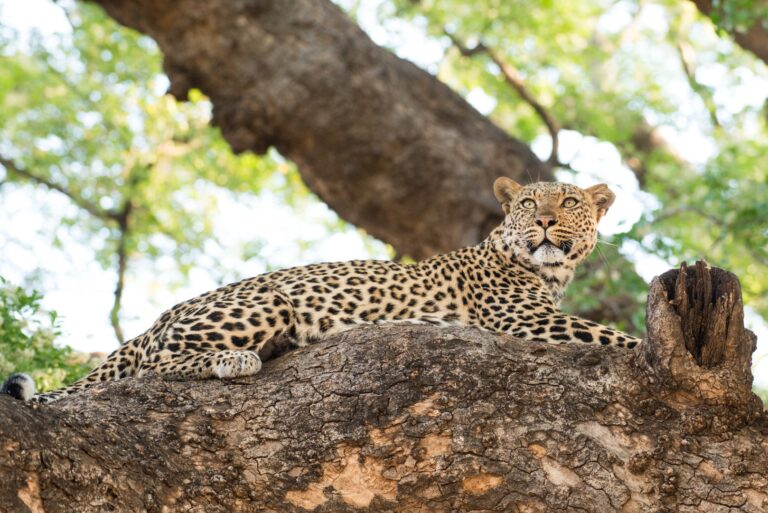
The African leopard is a solitary and elusive big cat with a beautiful coat adorned with distinctive rosette patterns. They are skilled climbers and opportunistic predators, known for their adaptability and ability to thrive in various habitats, from forests to grasslands.

African Elephant
The African elephant is the largest land animal, known for its immense size, distinctive trunk, and prominent tusks. They are herbivores and play a crucial role in shaping and maintaining their habitats. African elephants are highly intelligent, social creatures with complex social structures.
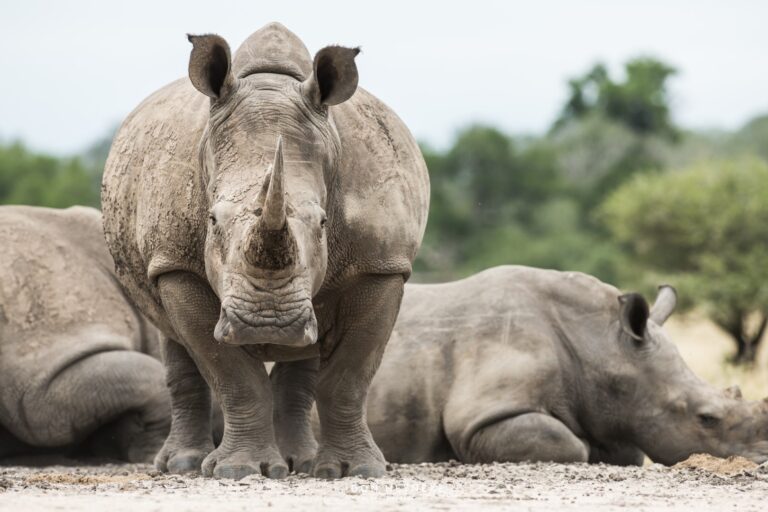
Black Rhino
Both black and white rhinoceroses are large, thick-skinned herbivores with two distinctive horns on their heads. Rhinos are critically endangered due to poaching for their horns, which are highly valued in illegal markets. They are essential for the ecosystem and are known for their gentle demeanor.
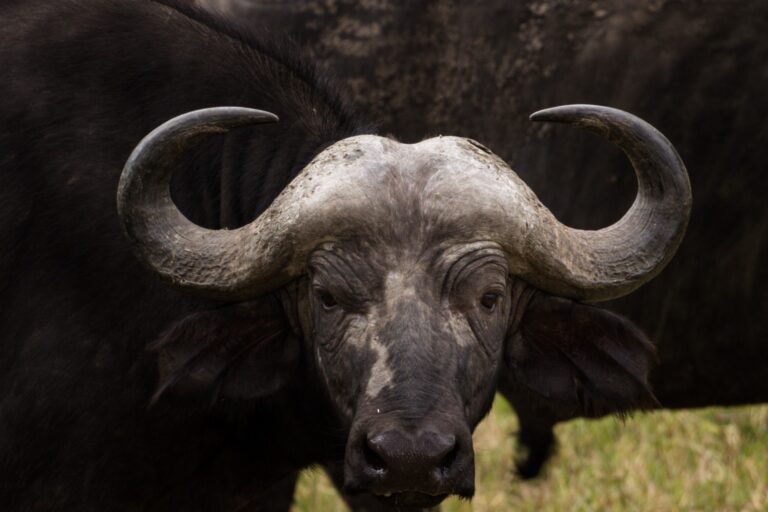
African Buffalo
The African buffalo is a robust herbivore with a distinctive, large, and curving set of horns. They often live in large herds and are known for their unpredictable behavior, making them one of the most dangerous animals to hunt. Buffaloes are vital to the ecosystem, shaping vegetation patterns through their grazing habits.


Secret Safari
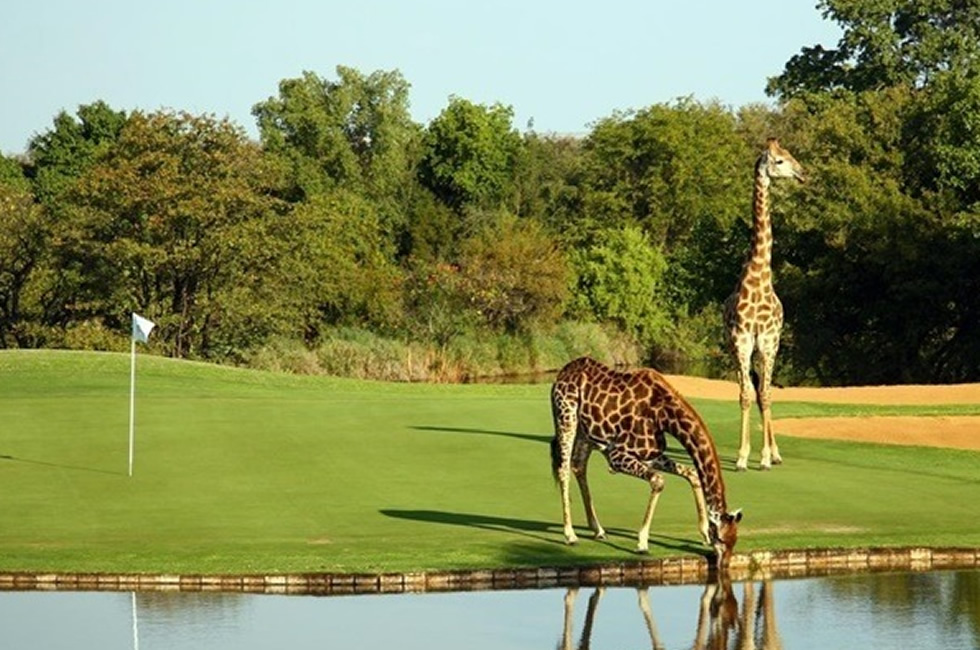
Golf on Safari
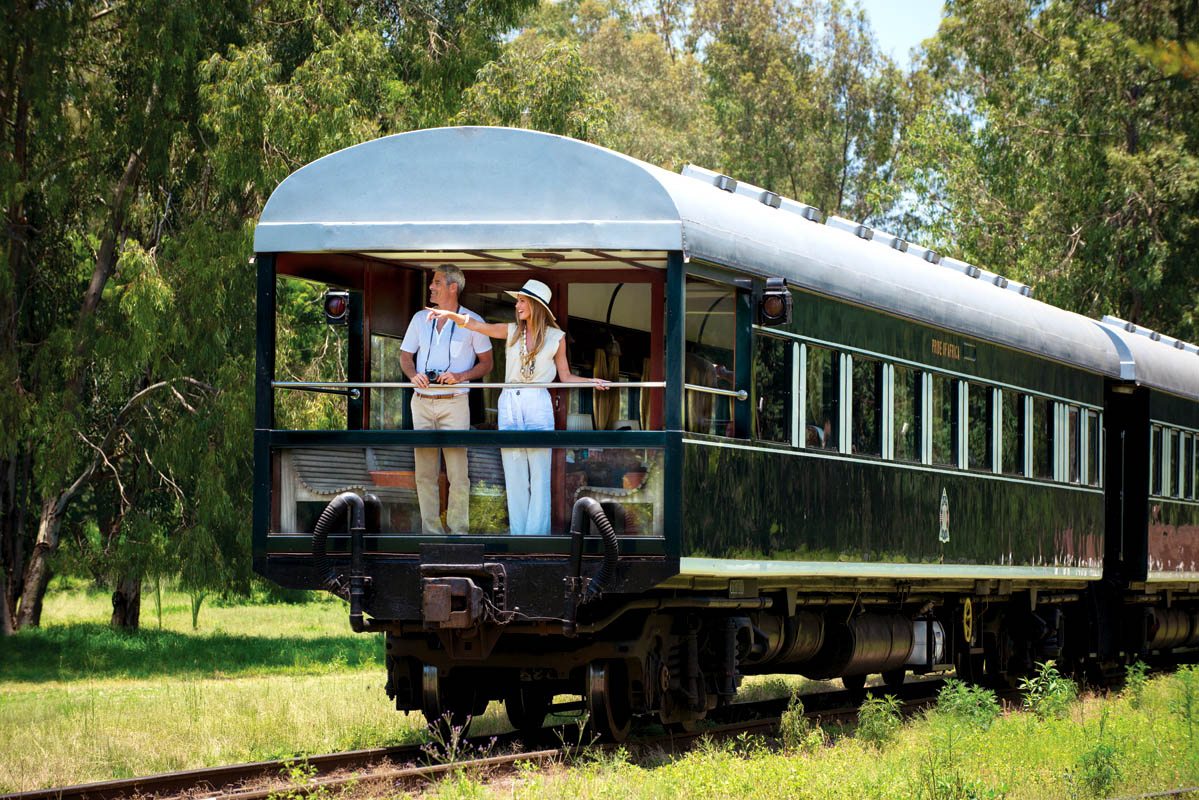
Luxury Train Safari