
.jpg)
.jpg)
.jpg)
.jpg)
.jpg)
.jpg)


.jpg)

.jpg)
.jpg)

.jpg)


.jpg)
.jpg)
.jpg)
.jpg)
.jpg)
.jpg)
.jpg)
.jpg)
.jpg)
.jpg)
.jpg)
.jpg)
.jpg)
.jpg)
.jpg)
.jpg)
.jpg)

.jpg)
.jpg)
.jpg)
.jpg)
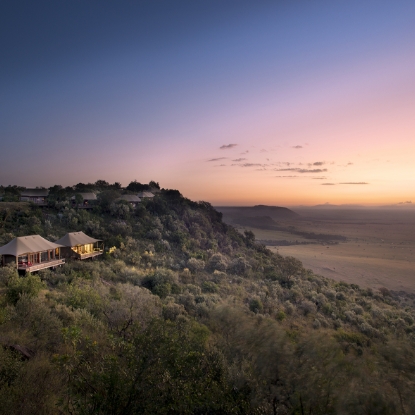

The Country
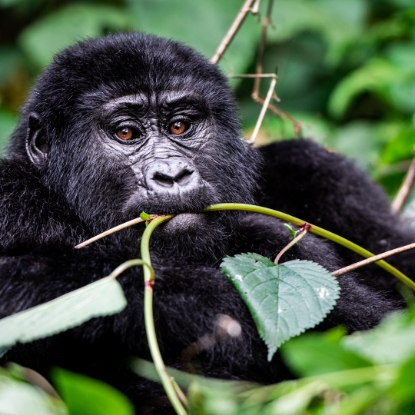
Uganda offers one of Africa’s most varied wildlife destinations in a relatively small country: mountain gorillas in misty rainforests, chimpanzees in Kibale, classic game drives in Murchison Falls and Queen Elizabeth. It is not defined by one single ecosystem, but by contrast and emotional range. Gorilla trekking is a clear headliner, yet Uganda rewards travellers most when they broaden their focus outside of this experience, too.
Uganda’s appeal lies in intimacy and diversity. Gorilla encounters are life-changing, but the human interaction and forest settings are just as memorable. Uganda offers the chance to combine primate encounters with a traditional safari in a single itinerary seamlessly, and is especially rewarding for travellers who want meaning and variety rather than only glamour.
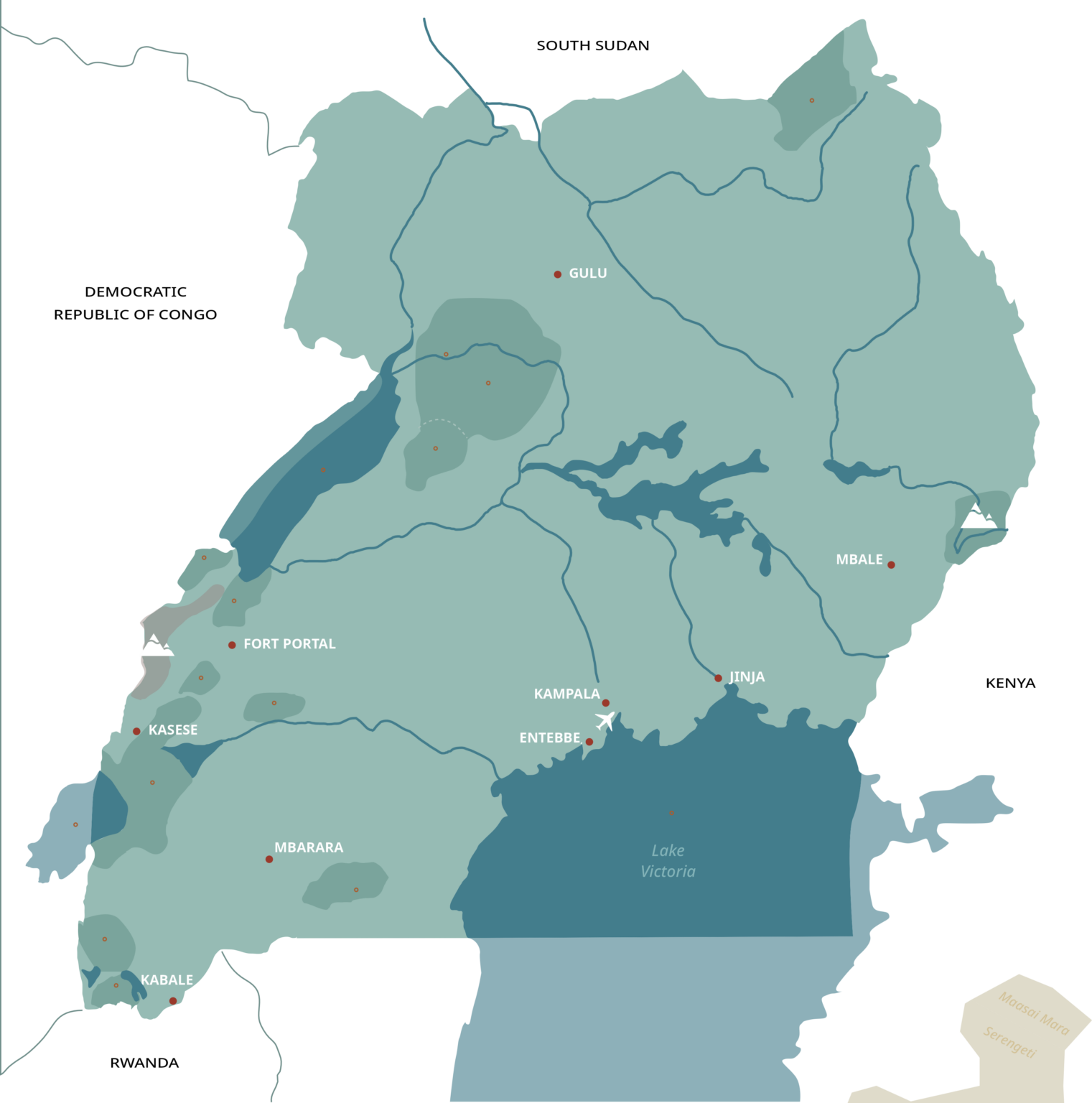

KEY FACTS FOR Uganda
Population Size
Approx. 48.9 million
Geographic Size
Approx. 241,553 sq km
Capital
Kampala
Currency
Uganda Shilling (UGX)
Offical Language
English and Swahili
Best time to visit
June to August and December to February for drier trekking and safari conditions
01
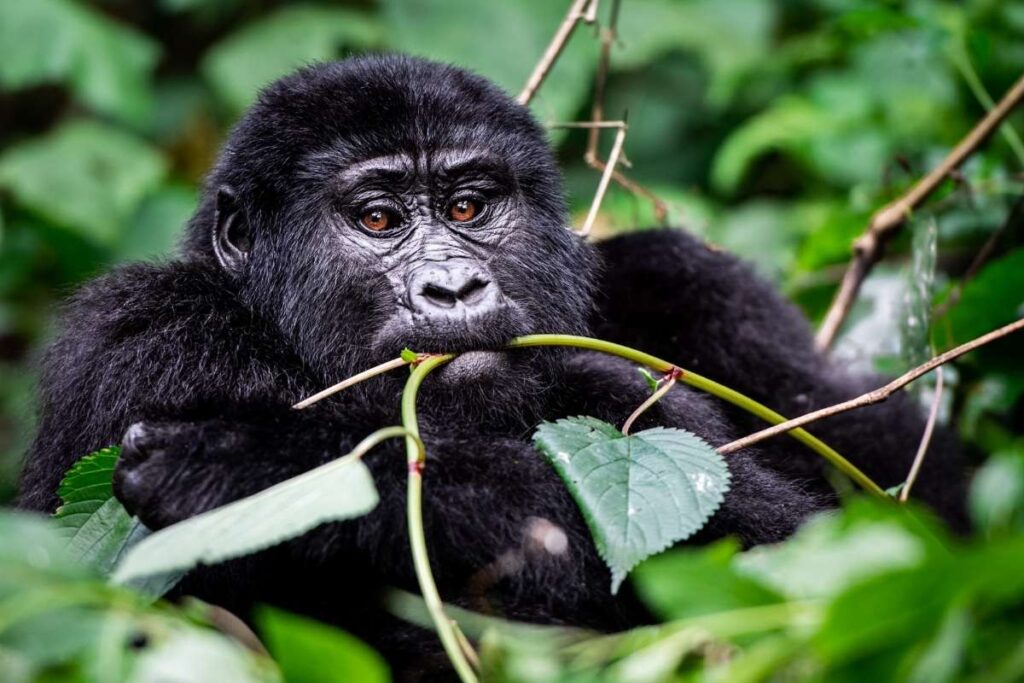
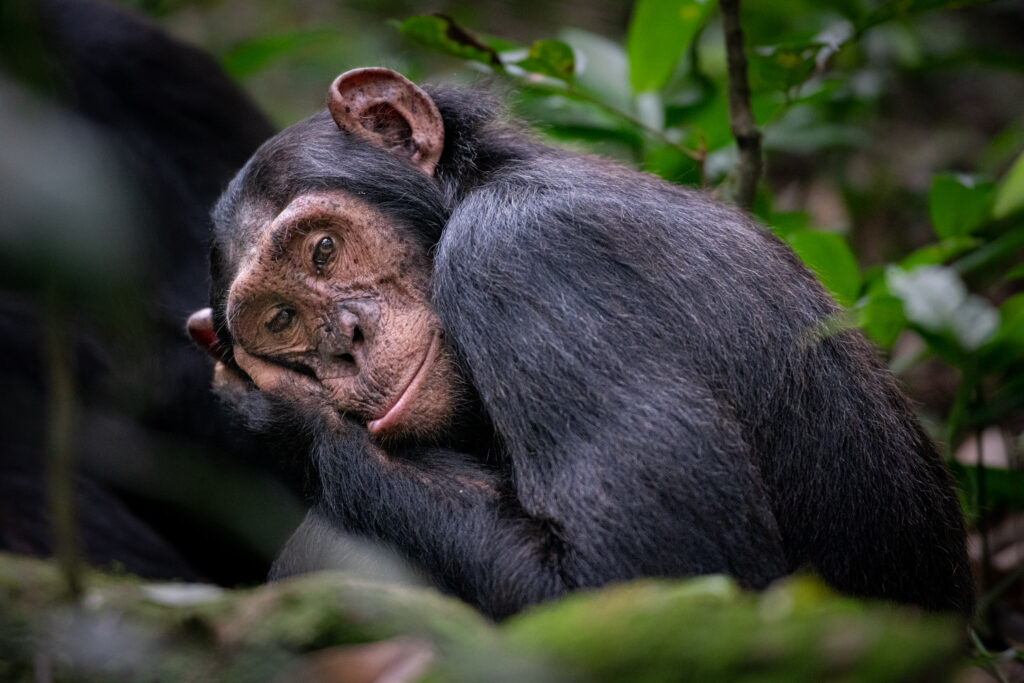
Uganda holds nearly half the world's mountain gorillas.
Bwindi Impenetrable Forest is home to around 459 mountain gorillas, just over half the global wild population. Kibale, to the west, has 13 primate species across roughly 800 square kilometres, including the best wild chimpanzee tracking on the continent.
02
Uganda pairs primate trekking with savanna safari in a single country
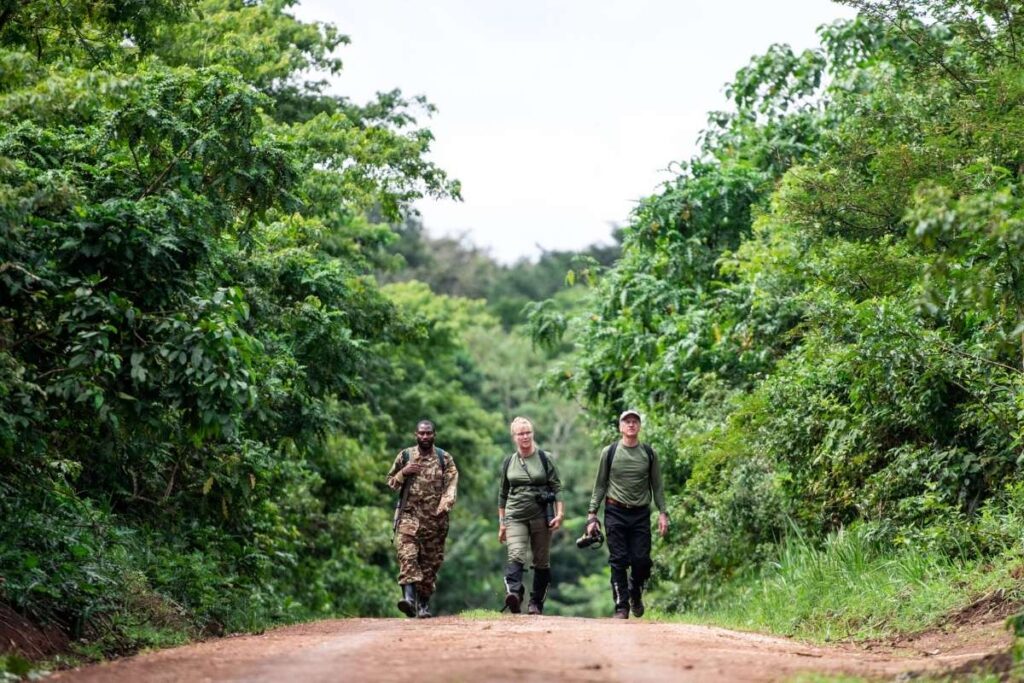
Mountain gorillas in Bwindi, chimpanzees in Kibale, then big-game viewing in Queen Elizabeth and Murchison Falls. The Ishasha sector adds tree-climbing lions, and the whole circuit fits within a single trip without long transfers.

03
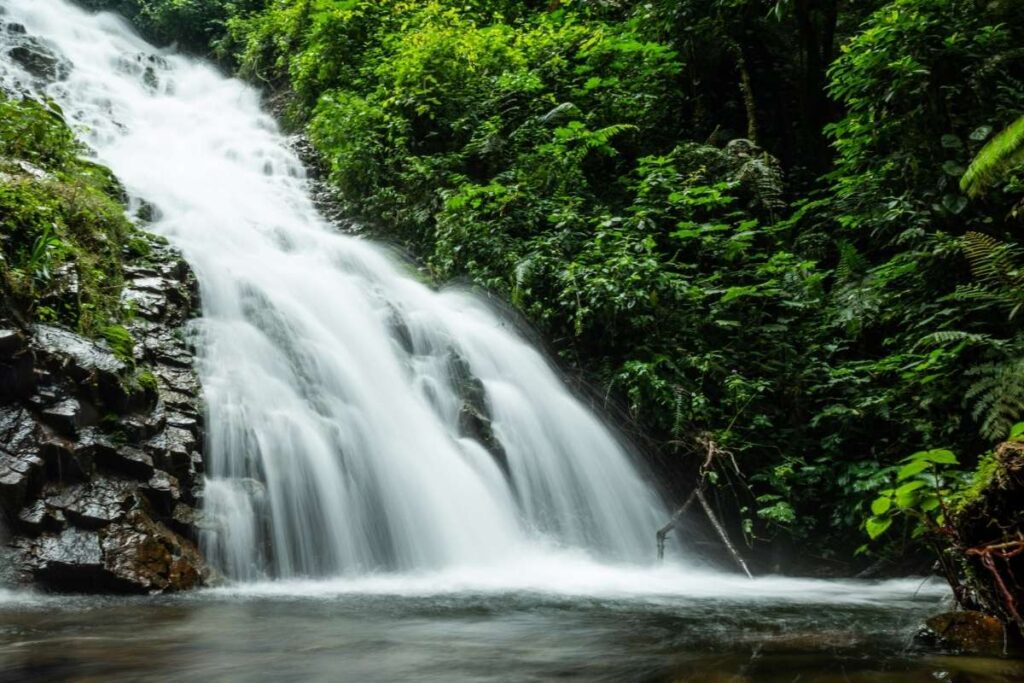
The source region of the Nile lies in Uganda
The White Nile begins its journey at Jinja and is later forced through a seven-metre-wide cleft at Murchison Falls, dropping around 43 metres in a single concentrated rush of water that can be heard from kilometres away.
04
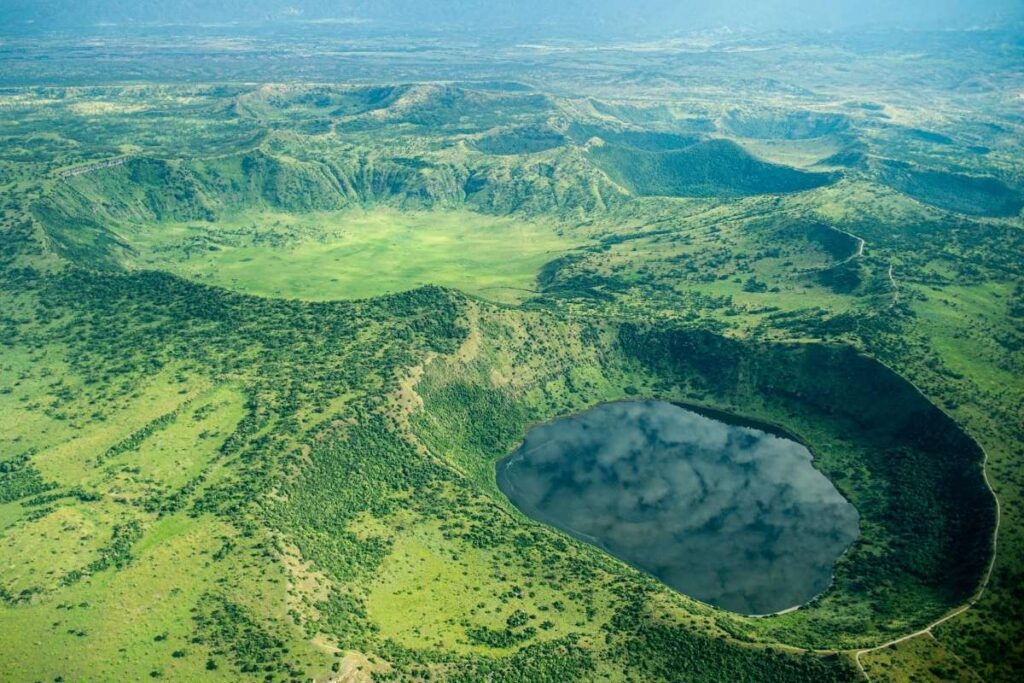
Uganda contains glaciated peaks, equatorial rainforest and savanna
The Rwenzori Mountains rise to over 5,000 metres with permanent ice and glaciers, while equatorial rainforest covers Bwindi and Kibale, and savanna stretches across Queen Elizabeth. Queen Elizabeth alone contains over 80 volcanic crater lakes.
Plan by region
Uganda REGIONS
- Bwindi Impenetrable
- Kibale Forest
- Mgahinga Gorilla National Park
- Murchison Falls
- Queen Elizabeth National Park
Overview
Reasons to Visit
02
Habitats
Bwindi Impenetrable



03
WILDLIFE
Bwindi Impenetrable
Mountain Gorillas
04
ACTIVITIES
Bwindi Impenetrable

Track habituated mountain gorilla families through steep ancient rainforest terrain.
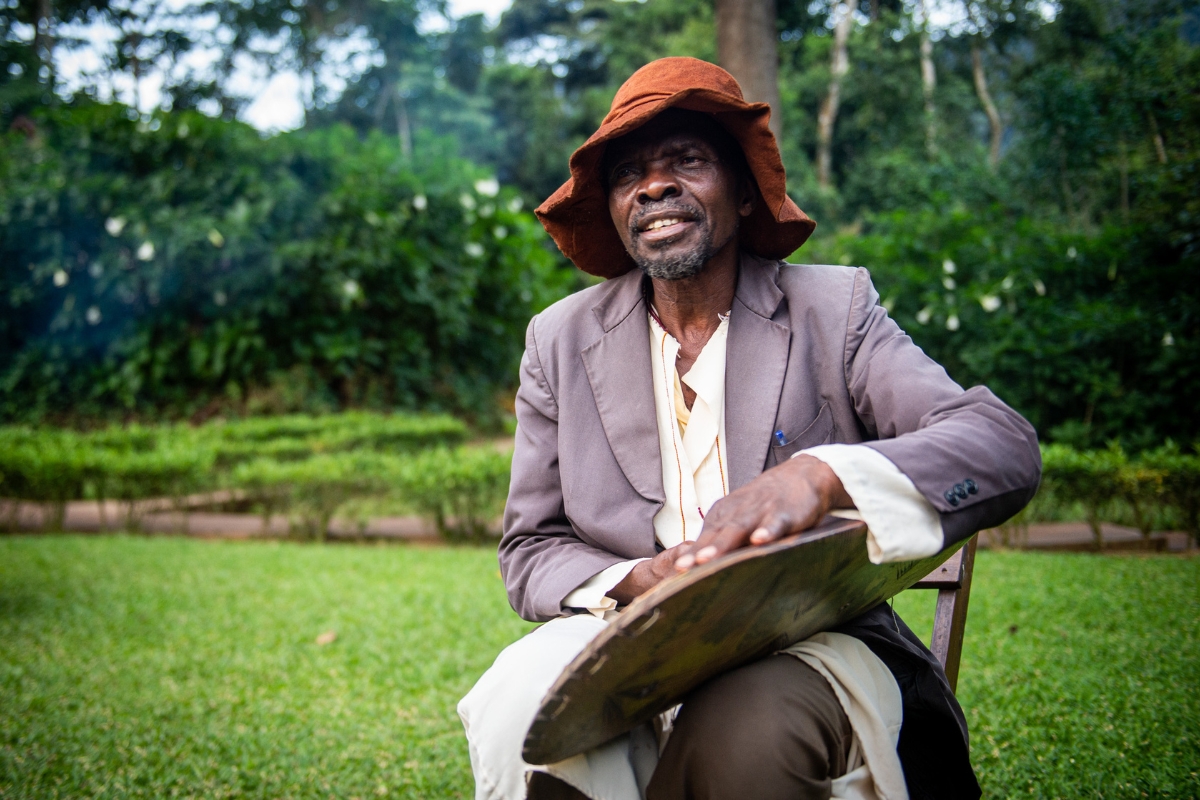
Engage with neighbouring communities through guided programmes.
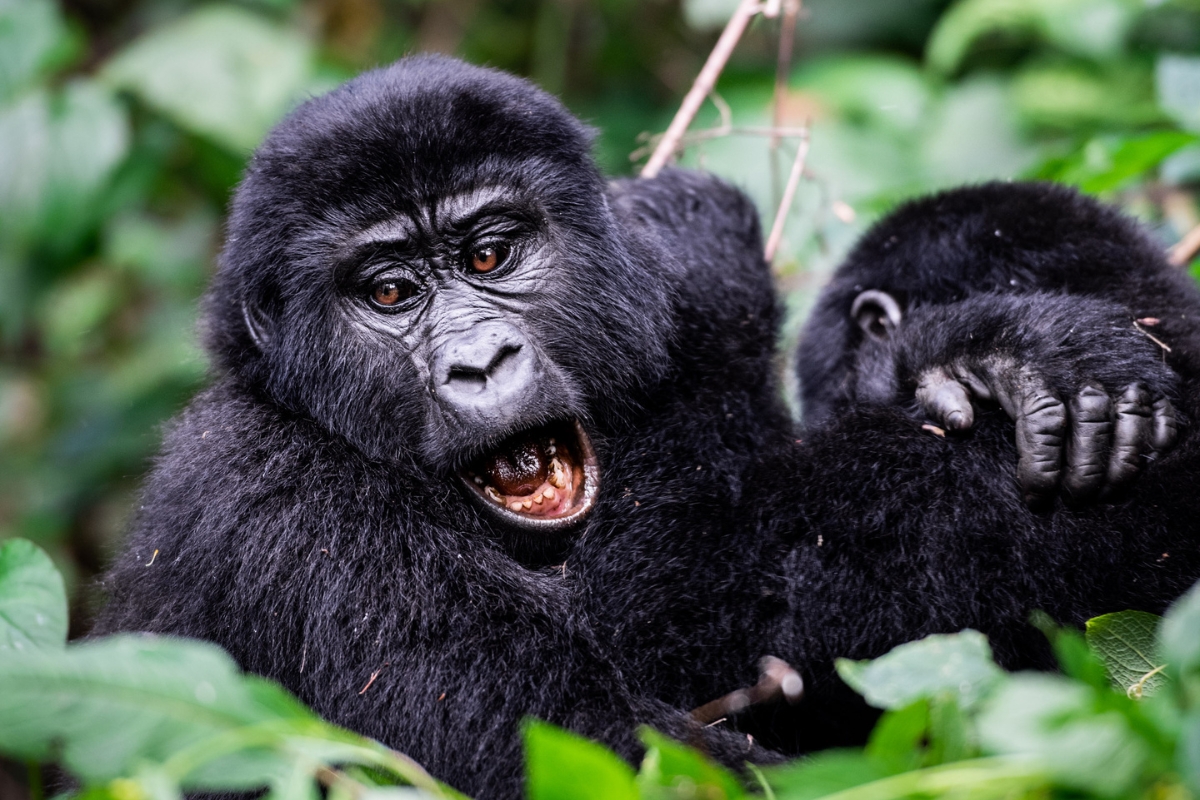
Spend extended time with gorilla families during the ongoing habituation process.

Seek Bwindi's 350-plus species including 23 Albertine Rift endemics found nowhere else.
05
WEATHER
Bwindi Impenetrable
- WET SEASON
- DRY SEASON
- Jan
- Feb
- Mar
- Apr
- May
- Jun
- Jul
- Aug
- Sep
- Oct
- Nov
- Dec
Overview
Reasons to Visit
02
Habitats
Bwindi Impenetrable
03
WILDLIFE
Bwindi Impenetrable
04
ACTIVITIES
Bwindi Impenetrable
Track habituated mountain gorilla families through steep ancient rainforest terrain.
Engage with neighbouring communities through guided programmes.
Spend extended time with gorilla families during the ongoing habituation process.
Seek Bwindi's 350-plus species including 23 Albertine Rift endemics found nowhere else.
05
WEATHER
Bwindi Impenetrable
- WET SEASON
- DRY SEASON
- Jan
- Feb
- Mar
- Apr
- May
- Jun
- Jul
- Aug
- Sep
- Oct
- Nov
- Dec
Overview
Reasons to Visit


03
WILDLIFE
Kibale Forest
Chimpanzees
Red Colobus
L'Hoest's Monkey
04
ACTIVITIES
Kibale Forest

Track habituated chimpanzee communities through East Africa's most primate-dense forest.

Spend a full day with a family being habituated to human presence.

Walk the boardwalk through Bigodi Sanctuary for 200-plus recorded wetland species.
05
WEATHER
Kibale Forest
- WET SEASON
- DRY SEASON
- Jan
- Feb
- Mar
- Apr
- May
- Jun
- Jul
- Aug
- Sep
- Oct
- Nov
- Dec
Overview
Reasons to Visit
03
WILDLIFE
Kibale Forest
04
ACTIVITIES
Kibale Forest
Track habituated chimpanzee communities through East Africa's most primate-dense forest.
Spend a full day with a family being habituated to human presence.
Walk the boardwalk through Bigodi Sanctuary for 200-plus recorded wetland species.
05
WEATHER
Kibale Forest
- WET SEASON
- DRY SEASON
- Jan
- Feb
- Mar
- Apr
- May
- Jun
- Jul
- Aug
- Sep
- Oct
- Nov
- Dec
Overview
Reasons to Visit

03
WILDLIFE
Mgahinga Gorilla National Park
Mountain Gorillas
Golden Monkeys
04
ACTIVITIES
Mgahinga Gorilla National Park
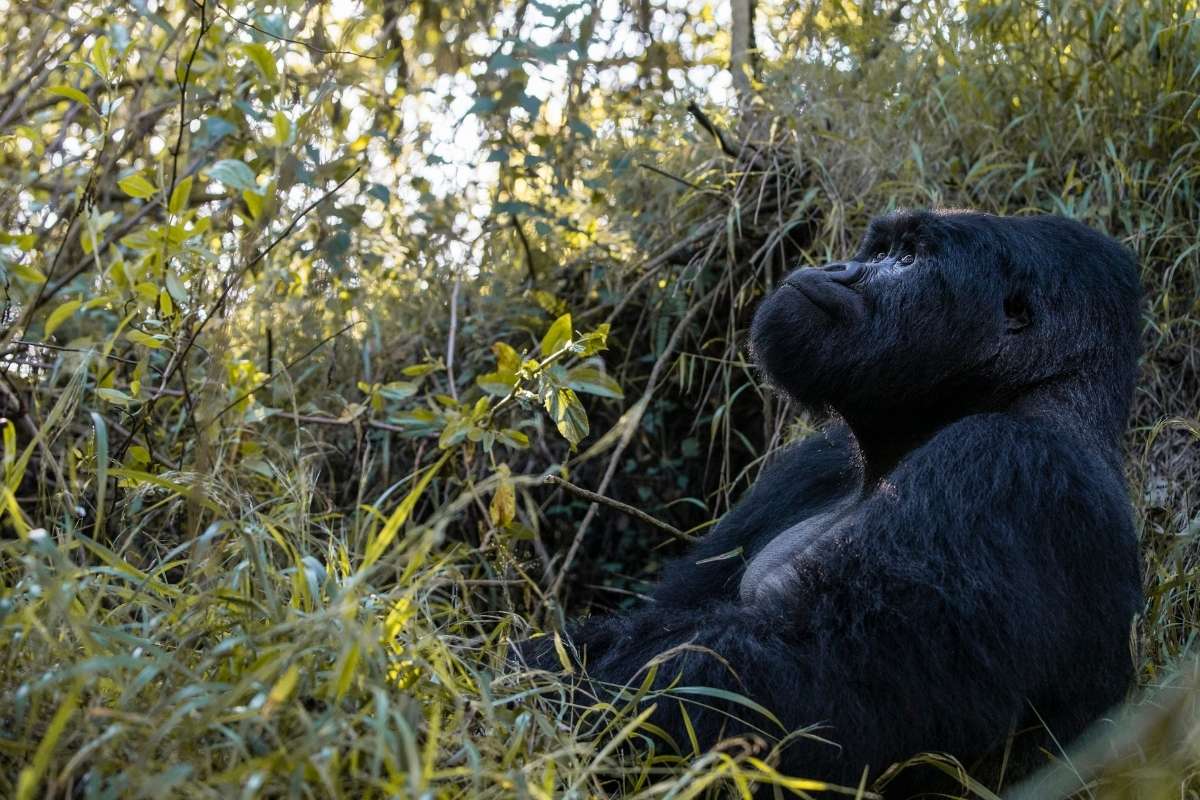
Trek Virunga volcano slopes for a dramatic mountain gorilla encounter.
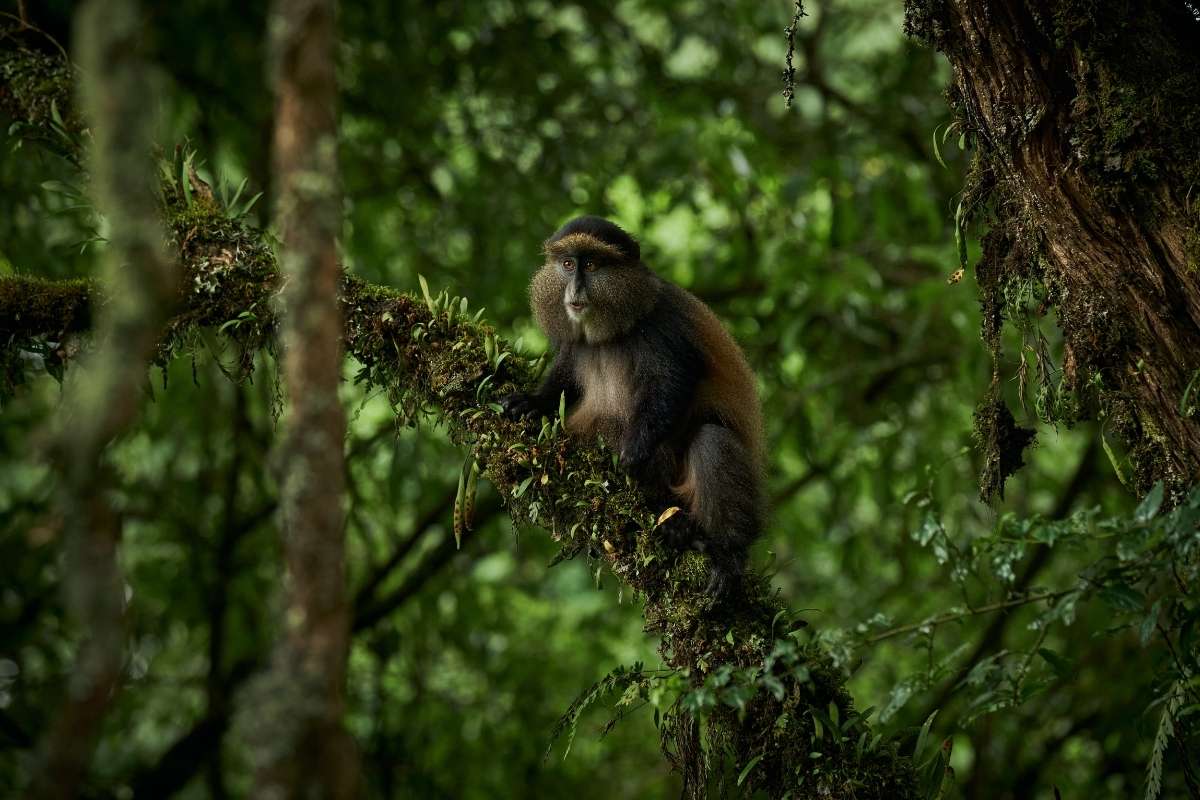
Follow habituated golden monkeys through the bamboo zone of the Virunga volcanoes.
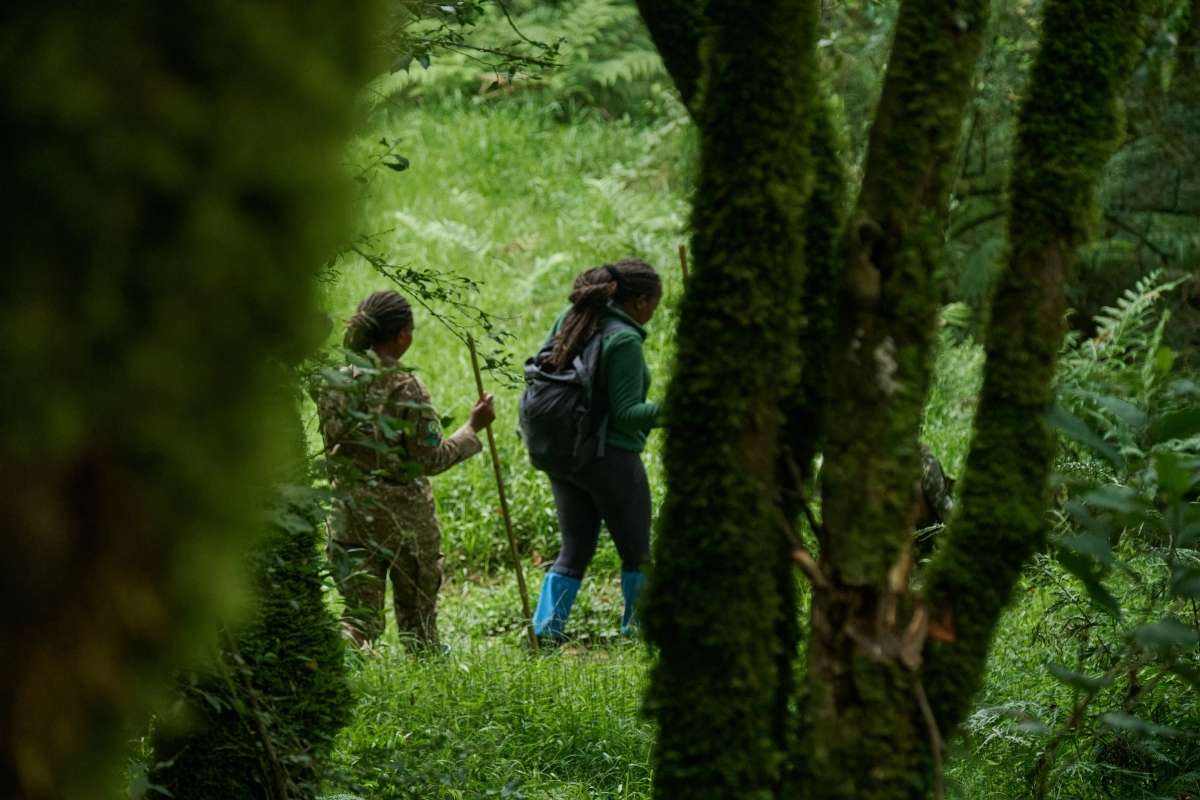
Climb Sabinyo, Gahinga or Muhavura for sweeping cross-border Virunga views.
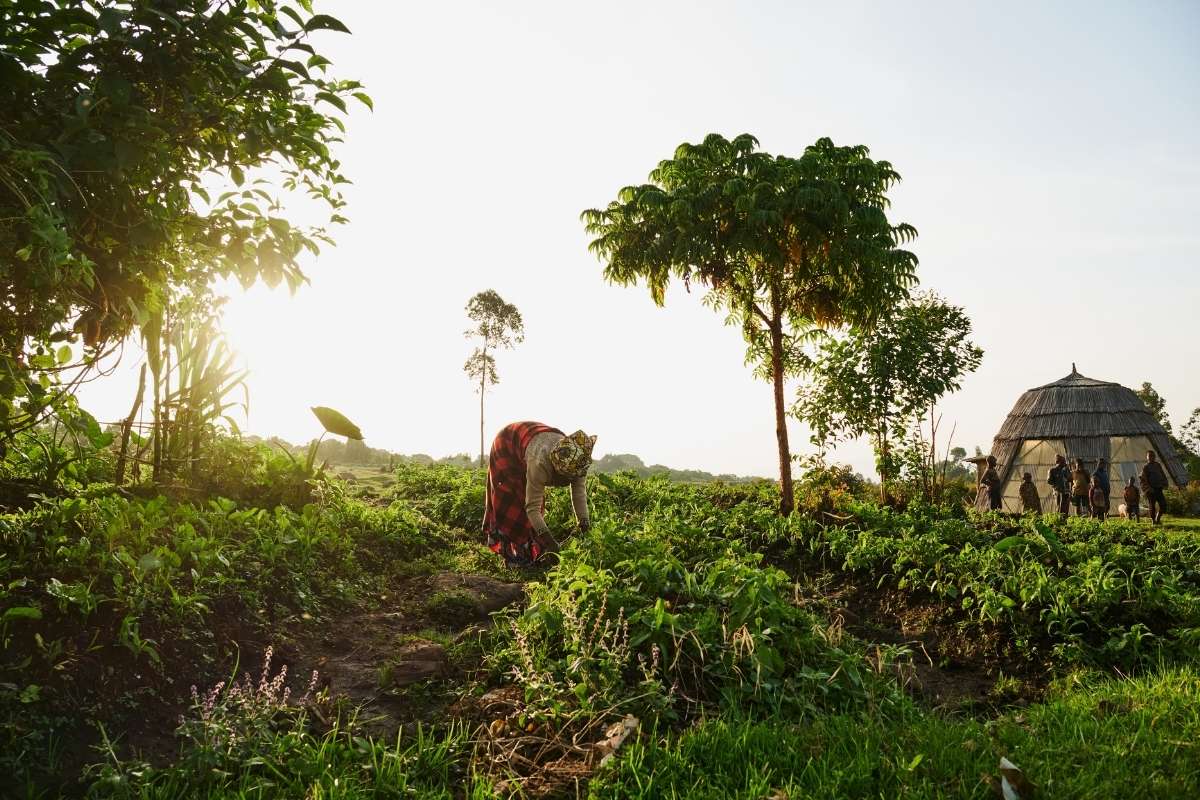
Walk with Batwa guides through their ancestral forest, homeland and history.
05
WEATHER
Mgahinga Gorilla National Park
- WET SEASON
- DRY SEASON
- Jan
- Feb
- Mar
- Apr
- May
- Jun
- Jul
- Aug
- Sep
- Oct
- Nov
- Dec
Overview
Reasons to Visit
03
WILDLIFE
Mgahinga Gorilla National Park
04
ACTIVITIES
Mgahinga Gorilla National Park
Trek Virunga volcano slopes for a dramatic mountain gorilla encounter.
Follow habituated golden monkeys through the bamboo zone of the Virunga volcanoes.
Climb Sabinyo, Gahinga or Muhavura for sweeping cross-border Virunga views.
Walk with Batwa guides through their ancestral forest, homeland and history.
05
WEATHER
Mgahinga Gorilla National Park
- WET SEASON
- DRY SEASON
- Jan
- Feb
- Mar
- Apr
- May
- Jun
- Jul
- Aug
- Sep
- Oct
- Nov
- Dec
Overview
Reasons to Visit
02
Habitats
Murchison Falls
03
WILDLIFE
Murchison Falls
Elephant
Buffalo
Hippo
Crocodile
Shoebill
Chimpanzee
04
ACTIVITIES
Murchison Falls
Motor upstream on the Nile to the base of Murchison's thundering cataract.
Track elephant, giraffe and lion across Uganda's largest national park.
Walk to the narrow gorge where the Nile compresses to seven metres wide.
Track habituated chimpanzees in one of East Africa's largest mahogany forests.
Take a boat into the Albert Nile delta marshes in search of Shoebill.
05
WEATHER
Murchison Falls
- WET SEASON
- DRY SEASON
- Jan
- Feb
- Mar
- Apr
- May
- Jun
- Jul
- Aug
- Sep
- Oct
- Nov
- Dec
Overview
Reasons to Visit
02
Habitats
Murchison Falls
03
WILDLIFE
Murchison Falls
04
ACTIVITIES
Murchison Falls
Motor upstream on the Nile to the base of Murchison's thundering cataract.
Track elephant, giraffe and lion across Uganda's largest national park.
Walk to the narrow gorge where the Nile compresses to seven metres wide.
Track habituated chimpanzees in one of East Africa's largest mahogany forests.
Take a boat into the Albert Nile delta marshes in search of Shoebill.
05
WEATHER
Murchison Falls
- WET SEASON
- DRY SEASON
- Jan
- Feb
- Mar
- Apr
- May
- Jun
- Jul
- Aug
- Sep
- Oct
- Nov
- Dec
Overview
Reasons to Visit


03
WILDLIFE
Queen Elizabeth
Elephant
Buffalo
Lion
Hippo
Chimpanzee
Shoebill
04
ACTIVITIES
Queen Elizabeth National Park
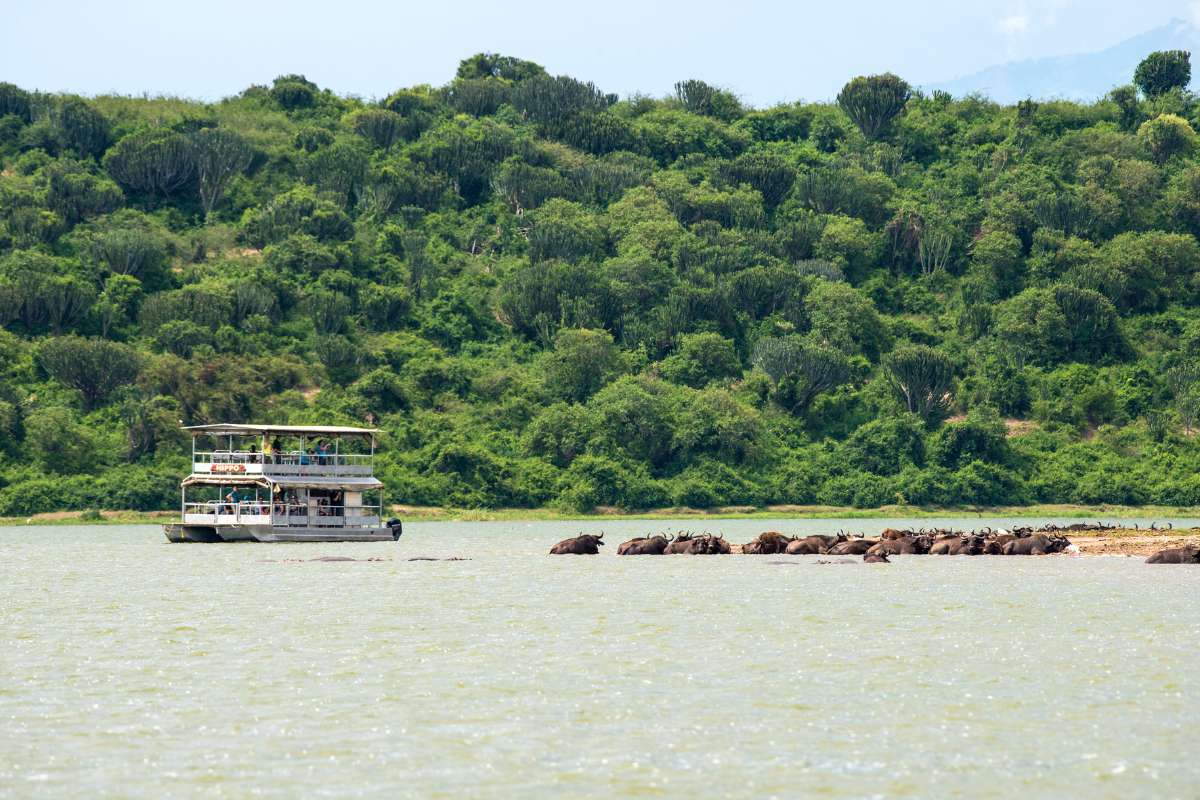
Watch hippo, buffalo and elephant at close range along a 40-kilometre waterway.
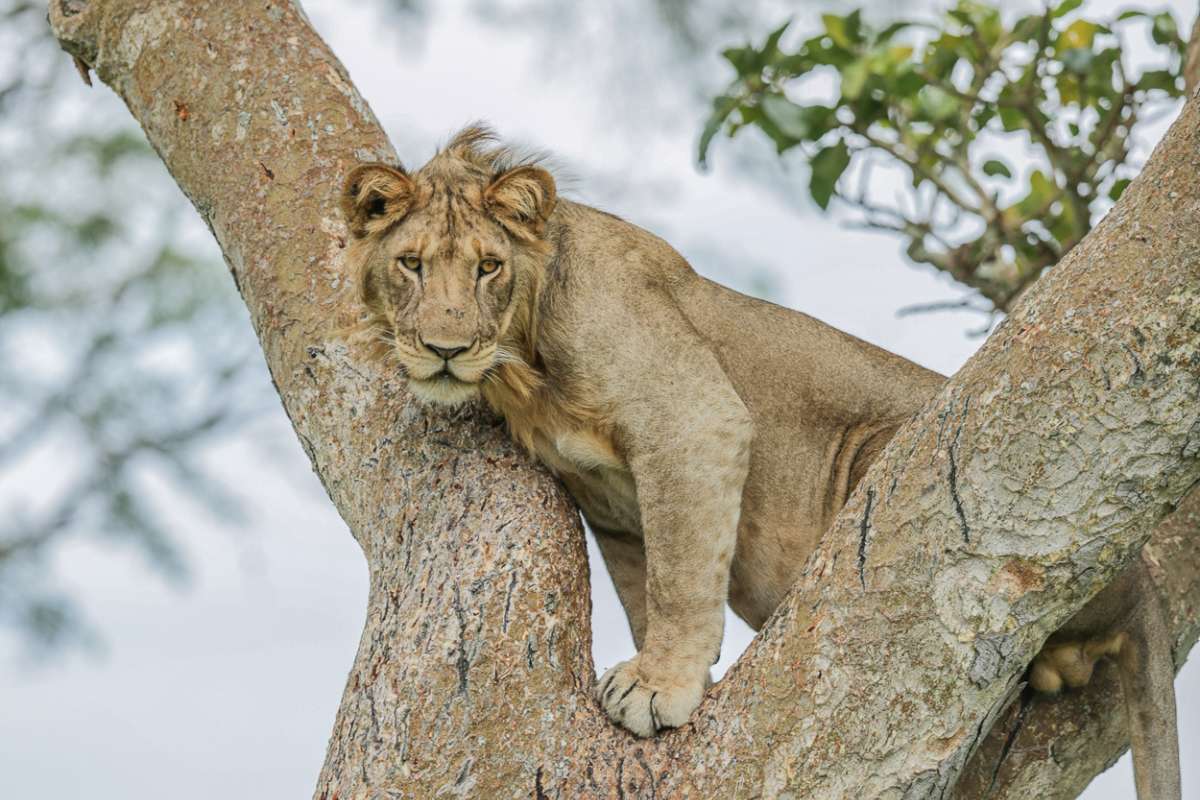
Seek tree-climbing lion in the south and open savanna game in the north, at Kasenyi & Ishasha.
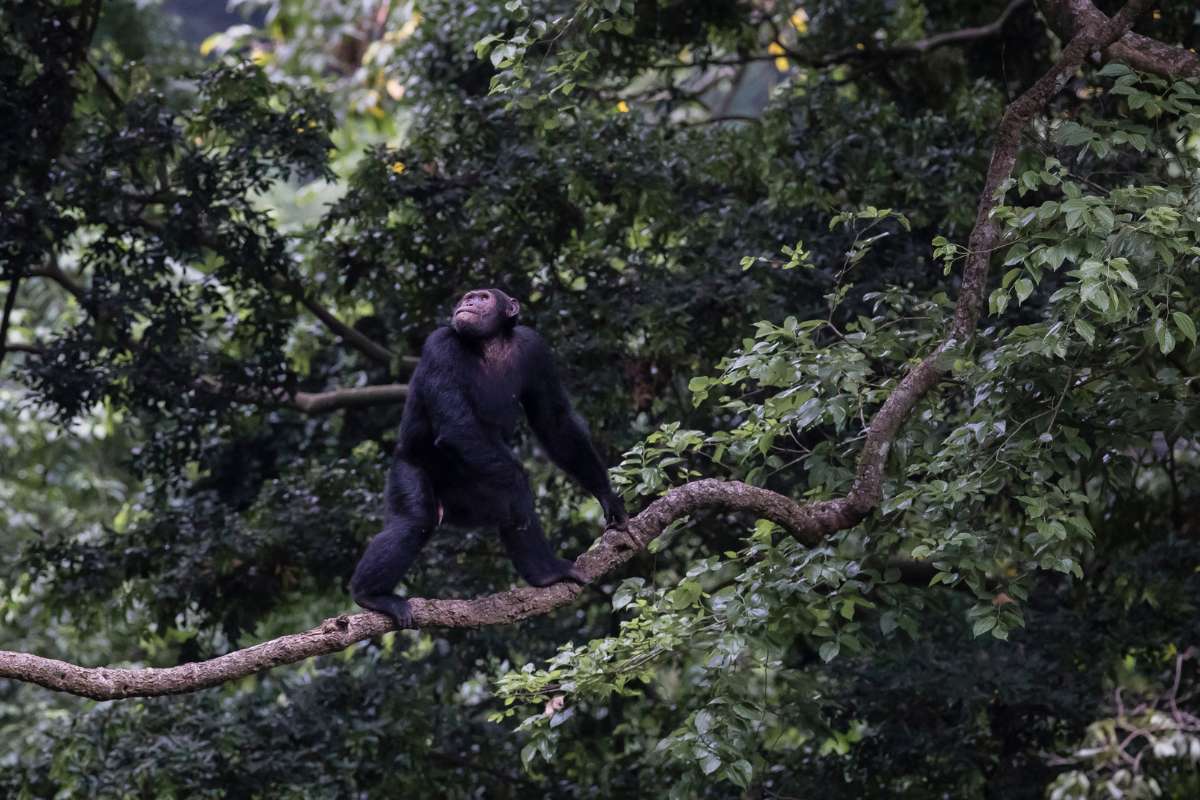
Track habituated chimpanzees in the forest gorge and surrounding woodland areas.
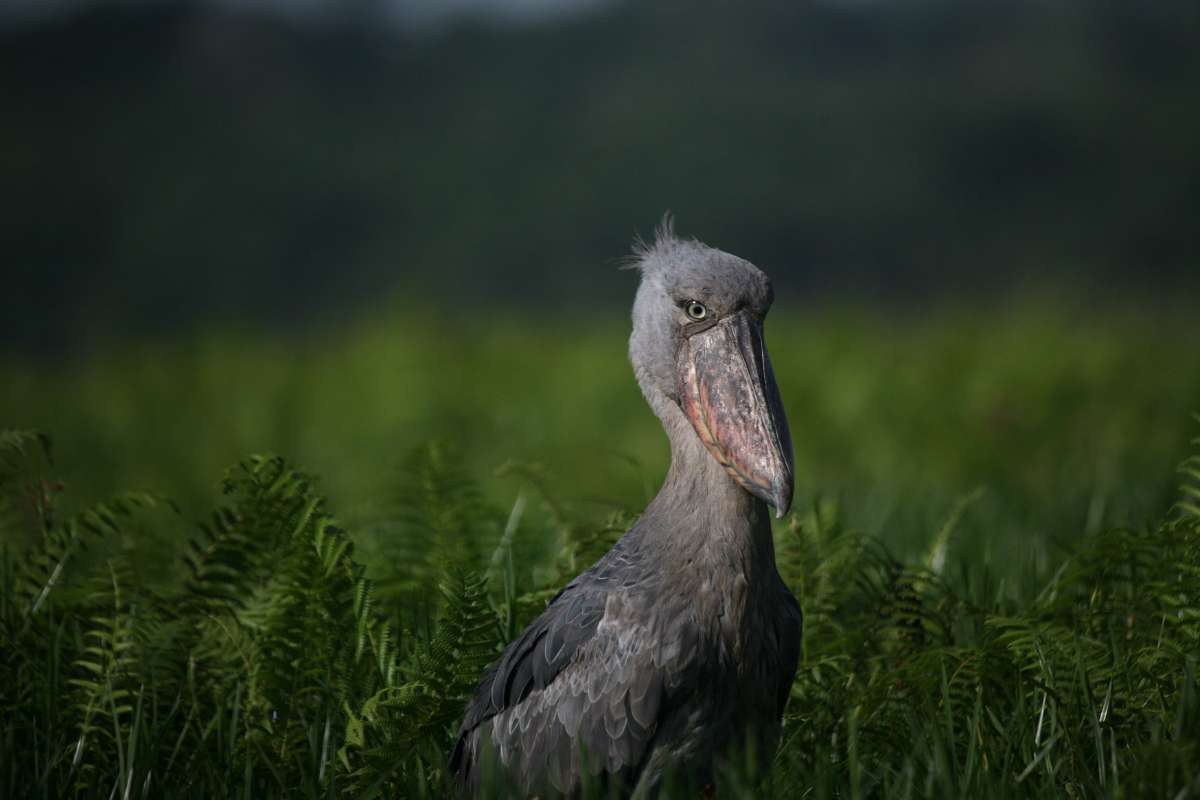
Take a papyrus-edge boat trip in search of the Shoebill, a prehistoric-looking bird.
05
WEATHER
Queen Elizabeth
- WET SEASON
- DRY SEASON
- Jan
- Feb
- Mar
- Apr
- May
- Jun
- Jul
- Aug
- Sep
- Oct
- Nov
- Dec
Overview
Reasons to Visit
03
WILDLIFE
Queen Elizabeth
04
ACTIVITIES
Queen Elizabeth National Park
Watch hippo, buffalo and elephant at close range along a 40-kilometre waterway.
Seek tree-climbing lion in the south and open savanna game in the north, at Kasenyi & Ishasha.
Track habituated chimpanzees in the forest gorge and surrounding woodland areas.
Take a papyrus-edge boat trip in search of the Shoebill, a prehistoric-looking bird.
05
WEATHER
Queen Elizabeth
- WET SEASON
- DRY SEASON
- Jan
- Feb
- Mar
- Apr
- May
- Jun
- Jul
- Aug
- Sep
- Oct
- Nov
- Dec
Before you go
Uganda FAQ's
Q: Do I need to obtain my Uganda visa online before travel, and is an East African Tourist Visa worth considering?
Uganda’s official online visa system is the right starting point for most travelers, and if your journey also includes Rwanda or Kenya, the East African Tourist Visa can be worth serious consideration. The key detail is that it needs to match the route properly, including where you first enter the region. For high-end guests, getting this right early matters because permits, flights and lodges all sit on top of it.
Q: Is a yellow fever certificate required for entry to Uganda?
Yes – Uganda is one of the destinations where yellow fever proof is typically treated as a genuine entry requirement rather than a theoretical one. Carry the certificate in hard copy with your passport, even if you also have a digital copy stored. This is one of the easier African borders when the paperwork is correct and a frustrating one when it is not.
Q: Are permit details and passport details final once gorilla or chimp permits have been booked?
Permit details should be treated as fixed as early as possible. Small corrections can sometimes be handled through the right channels, but you do not want to discover a passport mismatch at the briefing point for a gorilla trek. In practice, the safest approach is to book only once the traveler names and passport details are exactly as they will appear on the journey.
Q: How physically demanding is gorilla or chimp trekking, and how should I prepare for it?
Gorilla and chimp trekking are not technical mountaineering, but they can be genuinely demanding because of steep slopes, mud, heat, humidity and variable trek length. The best preparation is simple walking fitness, comfort on uneven ground, and realistic expectations rather than fear. Guests who prepare even modestly almost always enjoy it more.
Q: Is malaria prophylaxis recommended for the Uganda itinerary I am considering?
For most Uganda itineraries, yes. Once the journey includes Bwindi, Kibale and any savannah extension, malaria planning is usually part of the standard travel-medicine discussion. Even travelers who think of Uganda primarily as a gorilla destination should remember that its health planning is not only about the highland forests.
Q: What level of medical and evacuation cover should I carry for a primate-focused trip with remote lodges?
This is one of those trips where strong cover is part of the trip, not merely something filed away in case of trouble. You want medical cover, emergency evacuation and ideally enough trip-interruption protection that a permit change or delayed movement does not become disproportionately expensive. Uganda is wonderfully rewarding, but the trip usually reaches remote places before it reaches big hospitals.
Q: Should I handle Uganda largely by road, or are scheduled internal flights worth the added cost?
Road journeys are part of Uganda’s charm, but they are long enough that scheduled internal flights can make a notable difference to how the trip feels. If time is generous and the guest enjoys seeing the country unfold, road-based travel is perfectly viable; if the aim is a tighter luxury rhythm, flying some sectors is often well worth the extra cost. In Uganda, elegance is usually a question of how much road you leave in the final design.
Q: How far in advance should I secure gorilla and chimpanzee permits in peak months?
For peak months and exact dates, the best gorilla permits should be secured as far ahead as the party is comfortable committing – often many months in advance. Chimp permits are usually less pressured than gorilla permits, but they still benefit from early booking when the itinerary is being built around specific lodges. In primate travel, permits are the spine of the trip, not the finishing touch.
Q: Is it realistic to combine Bwindi, Kibale and a savannah park in one elegant trip?
Yes, but only if the pacing is realistic. Bwindi, Kibale and one savannah park can make a beautiful high-end itinerary, especially if at least one long road leg is replaced by an internal flight or if there are enough nights that the movement does not dominate the experience. Uganda becomes tiring only when the country is asked to behave smaller than it is.
Q: Which months offer the best balance of easier trekking conditions and strong wildlife viewing?
The drier windows are usually the easiest for trekking because the trails are less slippery and the overall logistics are more forgiving. They also pair well with savannah wildlife viewing, which makes them especially strong for first-timers. That said, Uganda remains lush year-round, and the quieter months can be rewarding if you are comfortable trading easier ground for softer crowds.
Q: Is Uganda best designed as a pure primate journey or as a broader safari with Murchison or Queen Elizabeth?
For many first-time visitors, the most satisfying answer is a broader Uganda rather than a pure primate journey. Gorillas and chimps are the obvious anchors, but adding one strong savannah park creates a fuller sense of place and prevents the trip from feeling too narrow in emotional tone. Pure primate travel tends to suit repeat visitors, specialists or very short high-intensity journeys.
Q: Are porters, walking poles and trekking gloves worth arranging as standard?
Yes – for most guests, porters are money well spent and should almost be treated as standard. Trekking poles and gloves are also useful, especially in wet or muddy conditions, but the porter is the real difference-maker because they ease the physical load and support local livelihoods directly. Small practical decisions make a huge difference to how Uganda feels on the day.