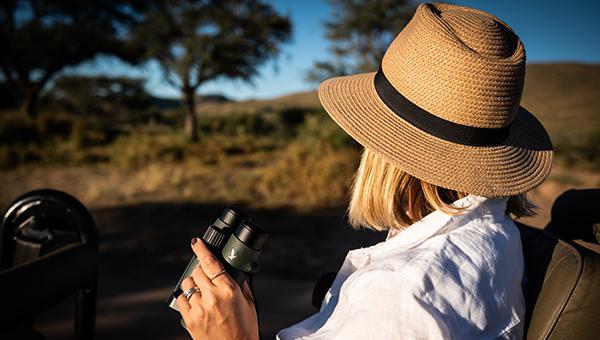
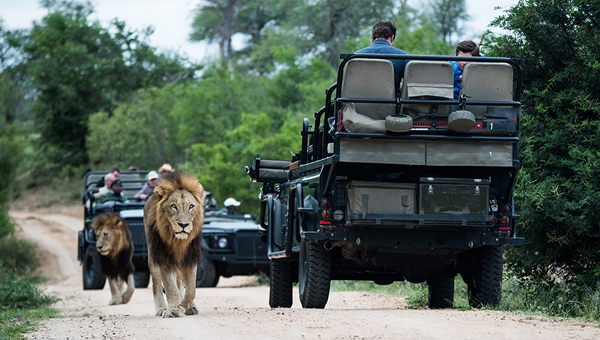
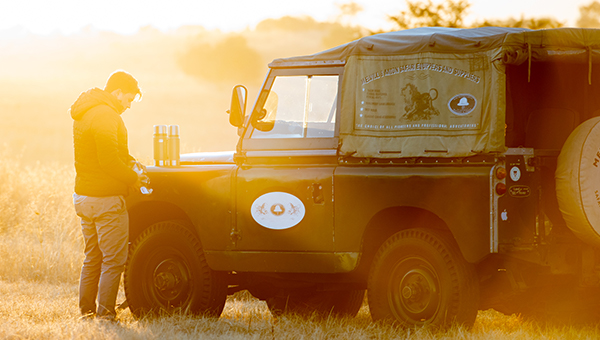
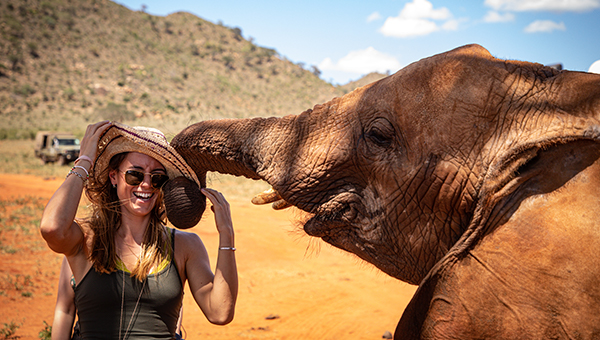
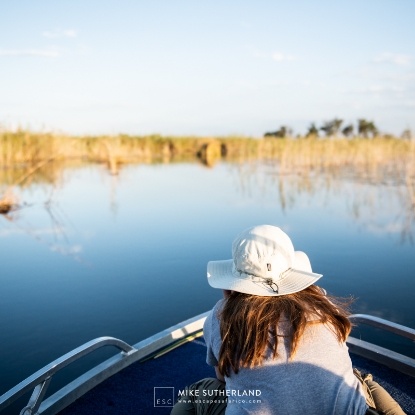
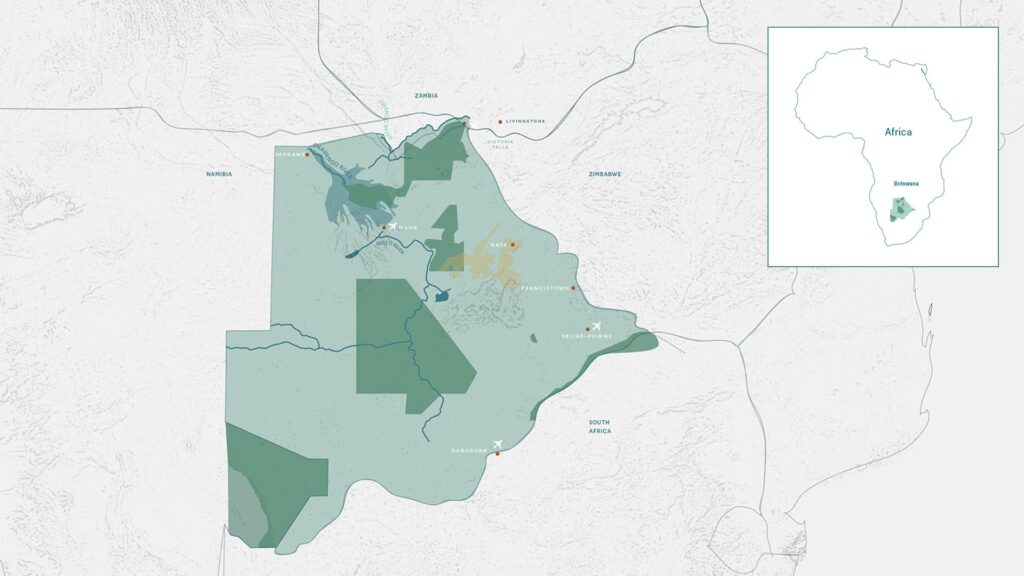
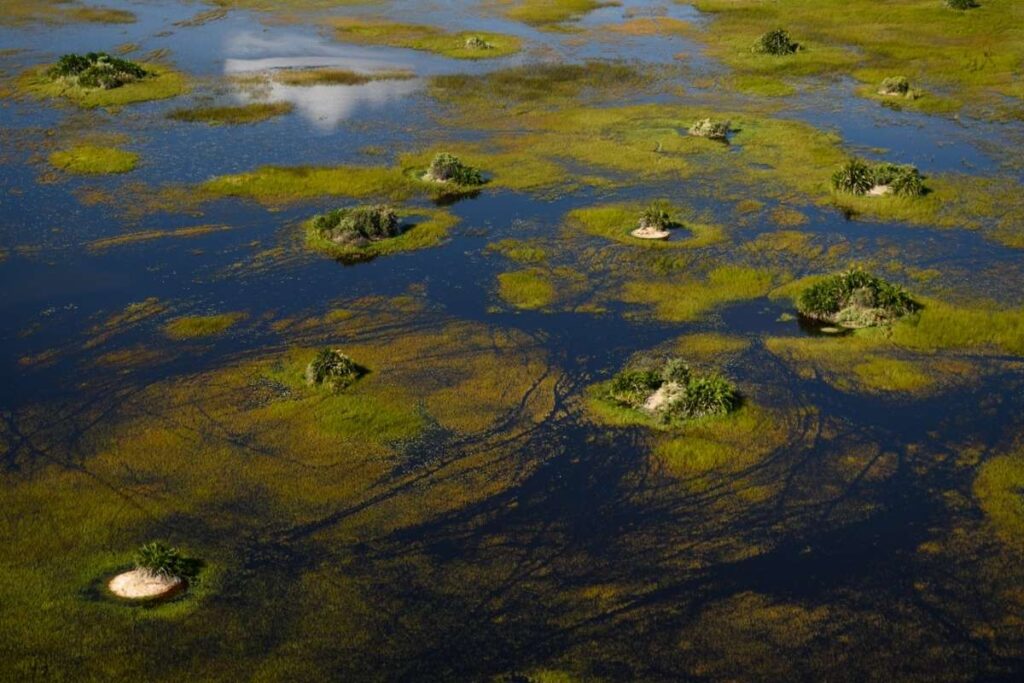
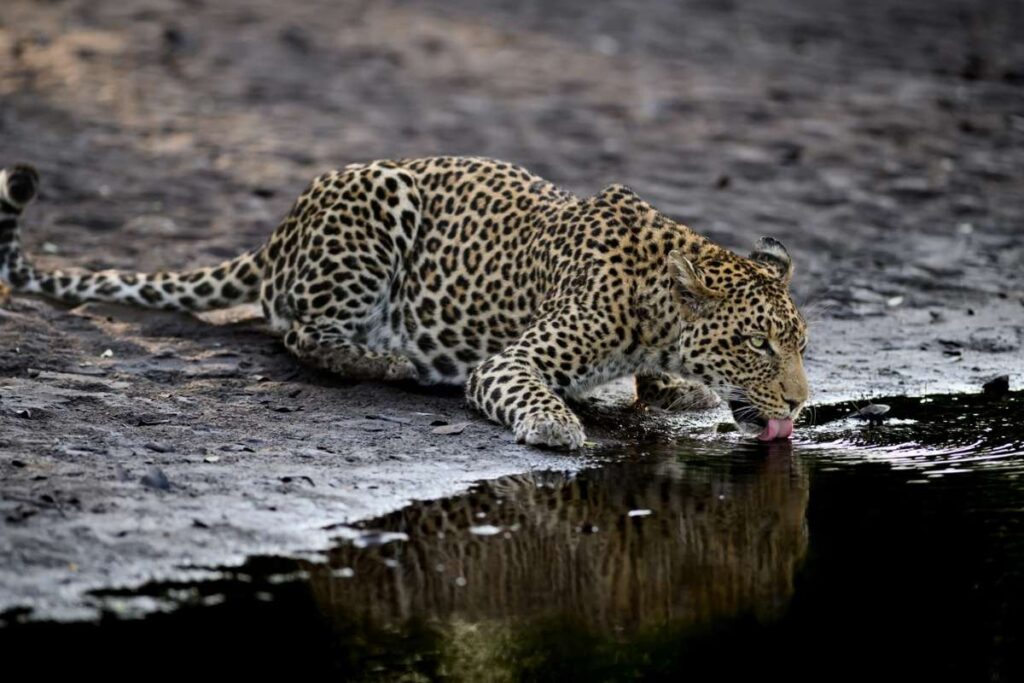
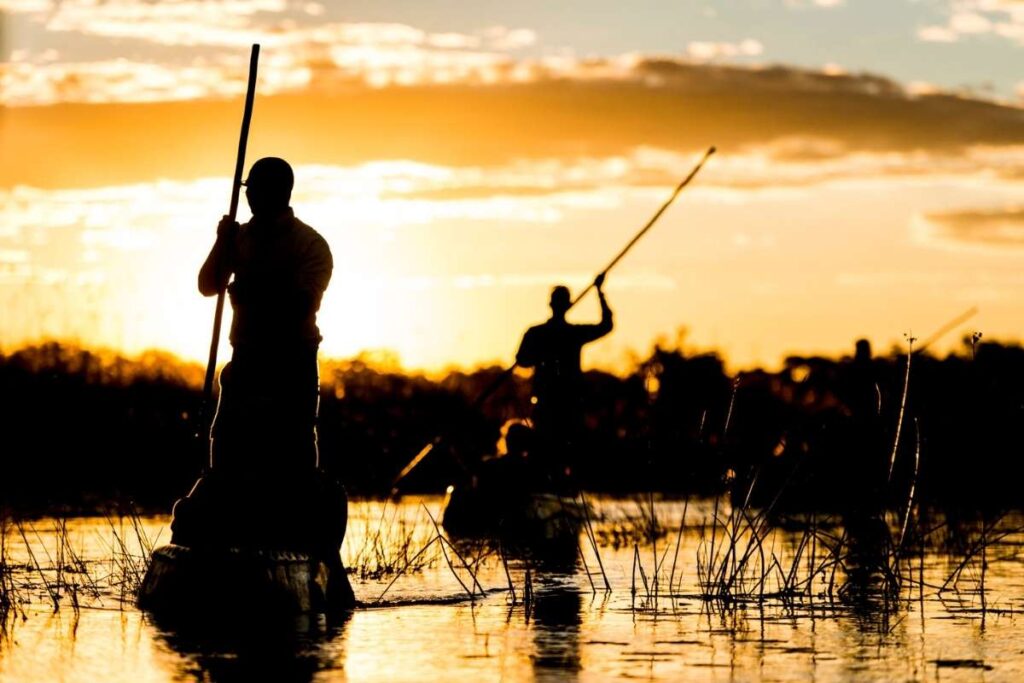
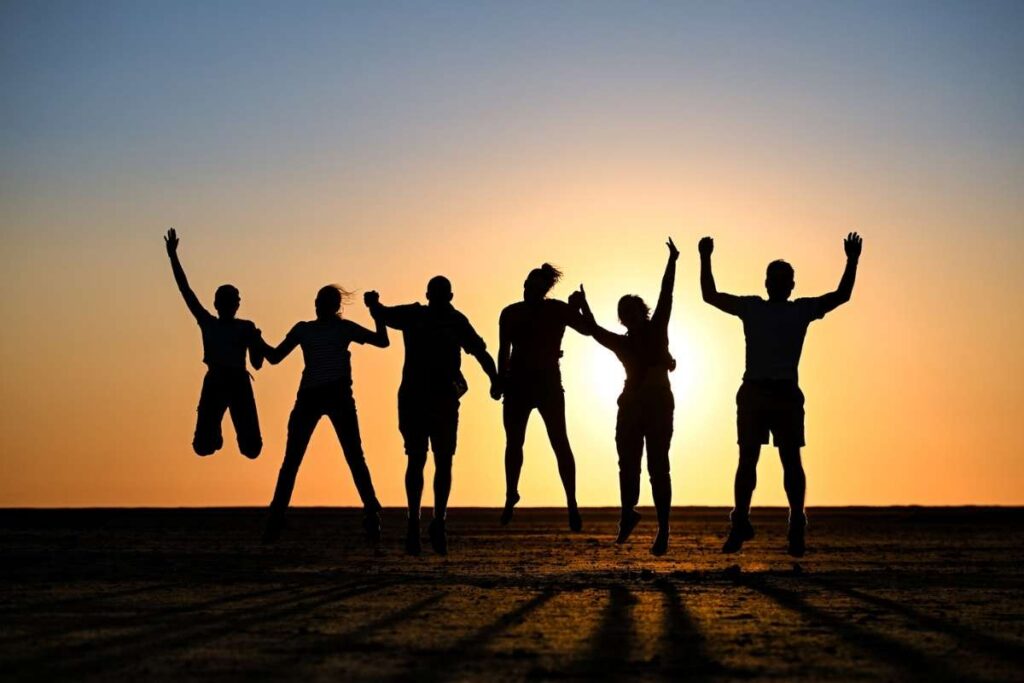
From the floodplains of the Okavango Delta to the elephant-rich riverfront of Chobe and the haunting silence of the Kalahari, Botswana offers safari in its most elemental form.
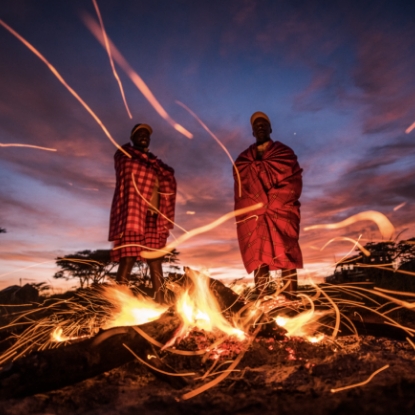
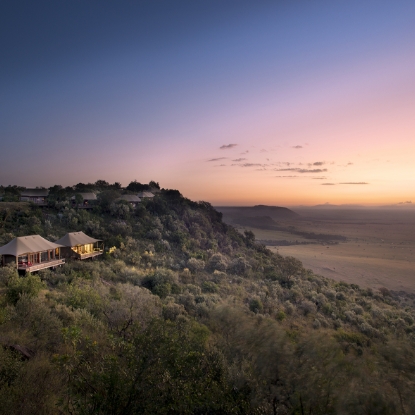
For discerning travellers, Botswana delivers what is increasingly difficult to find elsewhere: space, exclusivity and truly expert guiding. Many of the finest camps are reached by light aircraft, deepening the sense of escape from the moment you arrive. Days unfold on water, on foot and by vehicle; nights are often lit by lanterns, firelight and the sounds of the bush. It is a destination that rewards those who value authenticity, privacy and beautifully run camps as much as exceptional wildlife.
EXPLORE Botswana
Moremi Game Reserve
Chobe National Park
Savuti
Nxai Pan National Park
Makgadikgadi Pans National Park
Central Kalahari Game ReserveÂ
Khutse Game Reserve
Khama Rhino SanctuaryÂ
Kgalagadi Transfrontier Park
Mabuasehube Game ReserveÂ
Tuli Block
Makgadikgadi Pans - Ntwetwe Pan
Makgadikgadi Pans - Sowa Pan
Aha Hills
Tsodilo Hills
Gcwihaba Caves
Savuti Channel
Selinda Spillway
Okavango Delta
Lake Ngami
Lake Xau
Magwangqana Spillway
Linyanti Marshes
KEY FACTS FOR Botswana
Diamonds helped transform Botswana’s economy. What makes the story notable is not only the resource itself, but the relative political stability and long-term investment that followed.
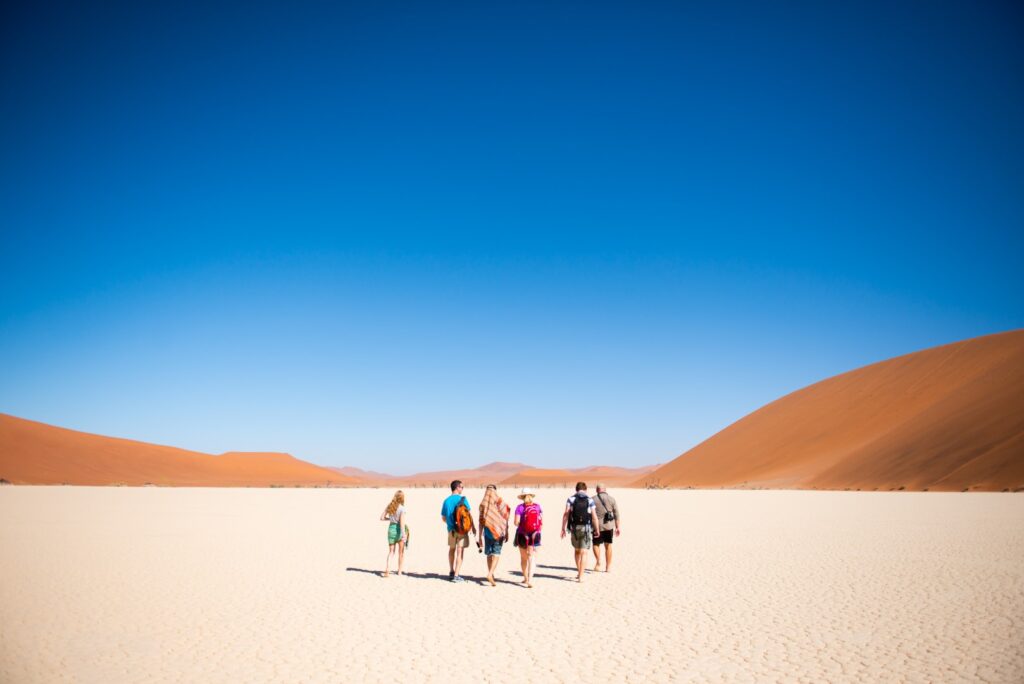
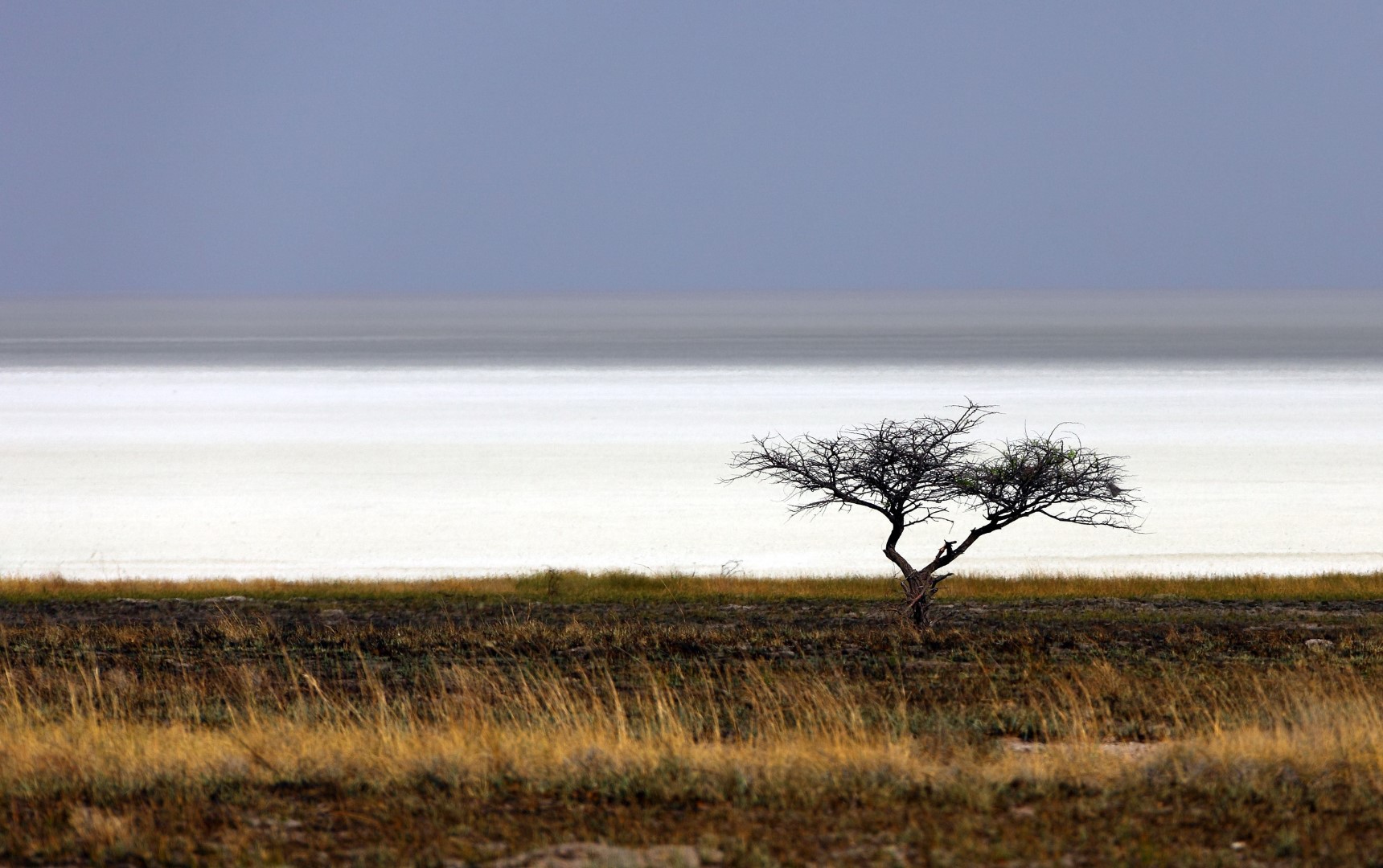
The Makgadikgadi Pans are remnants of an ancient super-lake. In the dry season they feel lunar and limitless; after rain they attract migratory wildlife and flamingos.
Population Size
Approx. 2.5 million
Geographic Size
Approx. 581,730 sq km
Capital
Gaborone
Currency
Botswana Pula (BWP)
Offical Language
English
Best time to visit
April to October for classic safari conditions; November to March for green season beauty, birding and newborn wildlife
The Okavango Delta is the world’s largest inland delta.
Rather than reaching the sea, the Okavango River spills into the sands of the Kalahari, creating one of Africa’s great wildlife theatres.
01
02
Botswana has one of the continent’s strongest conservation records.
Enormous tracts of the country are protected through national parks, reserves and wildlife management areas.
03
The Kalahari defines much of the country’s identity.
Far from being empty, it is a place of subtle beauty, desert-adapted wildlife and ancient human history.
04
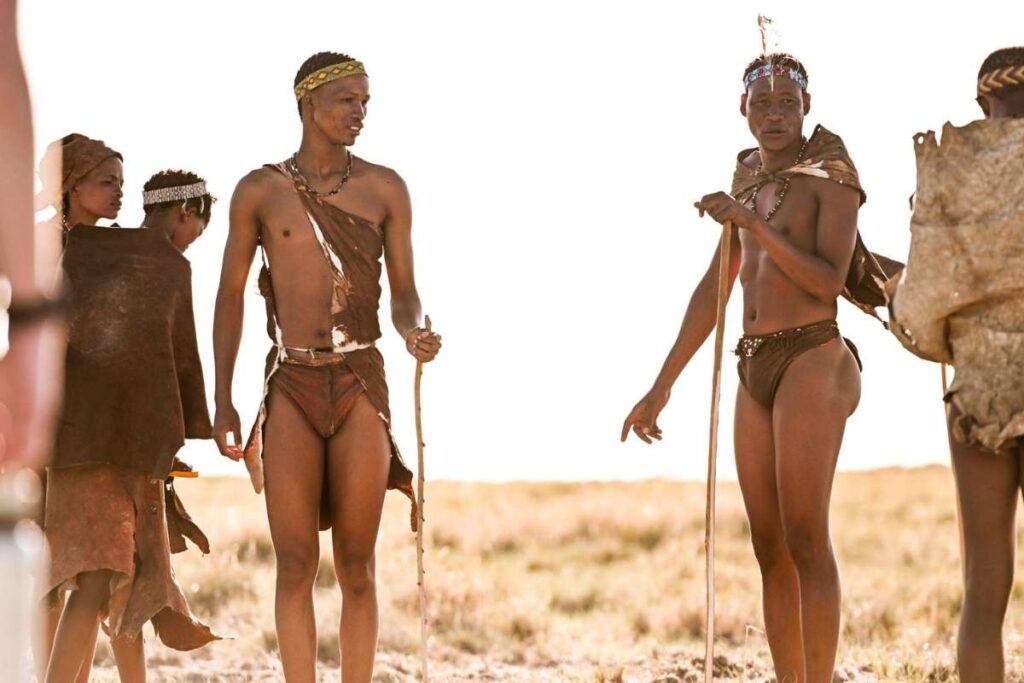
The San are among the world’s oldest continuous cultures.
Their knowledge of the Kalahari landscape, animal behaviour and plant life is extraordinary.
01
Central Kalahari Reserve
Overview
Reasons to Visit
03
WILDLIFE
Central Kalahari
Black-maned Kalahari lions
Cheetah
Brown Hyena
Oryx
Springbok
Red Hartebeest
Bat-eared fox
01
Chobe
Overview
Reasons to Visit
02
Habitats
Chobe
03
WILDLIFE
Chobe
Elephants
Buffalo
Lion
Leopard
Hyena
Hippo
Crocodile
01
Linyanti
Overview
Reasons to Visit
03
WILDLIFE
Linyanti
Elephants
Buffalo
Lion
Leopard
Hyena
Sable
01
Makgadikgadi National Park
Overview
Reasons to Visit
03
WILDLIFE
Makgadikgadi
Zebra
Wildebeest
Brown Hyena
Bat-eared Fox
Aardwolf
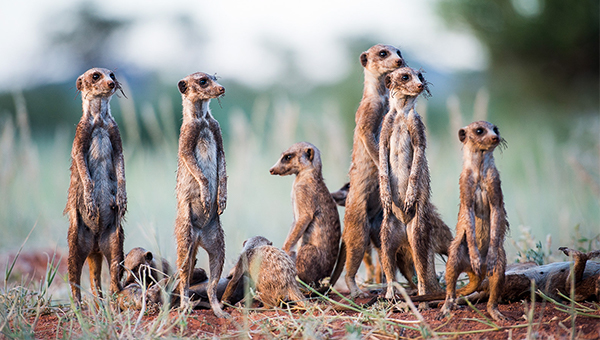
Meerkats
Flamingos
01
Nxai Pan
Overview
Reasons to Visit
03
WILDLIFE
Nxai Pan
Zebra
Wildebeest
Giraffe
Springbok
Lion
Cheetah
Ostrich
Overview
Reasons to Visit
03
WILDLIFE
Okavango Delta
Elephant
Buffalo
Lion
Leopard
Spotted Hyena
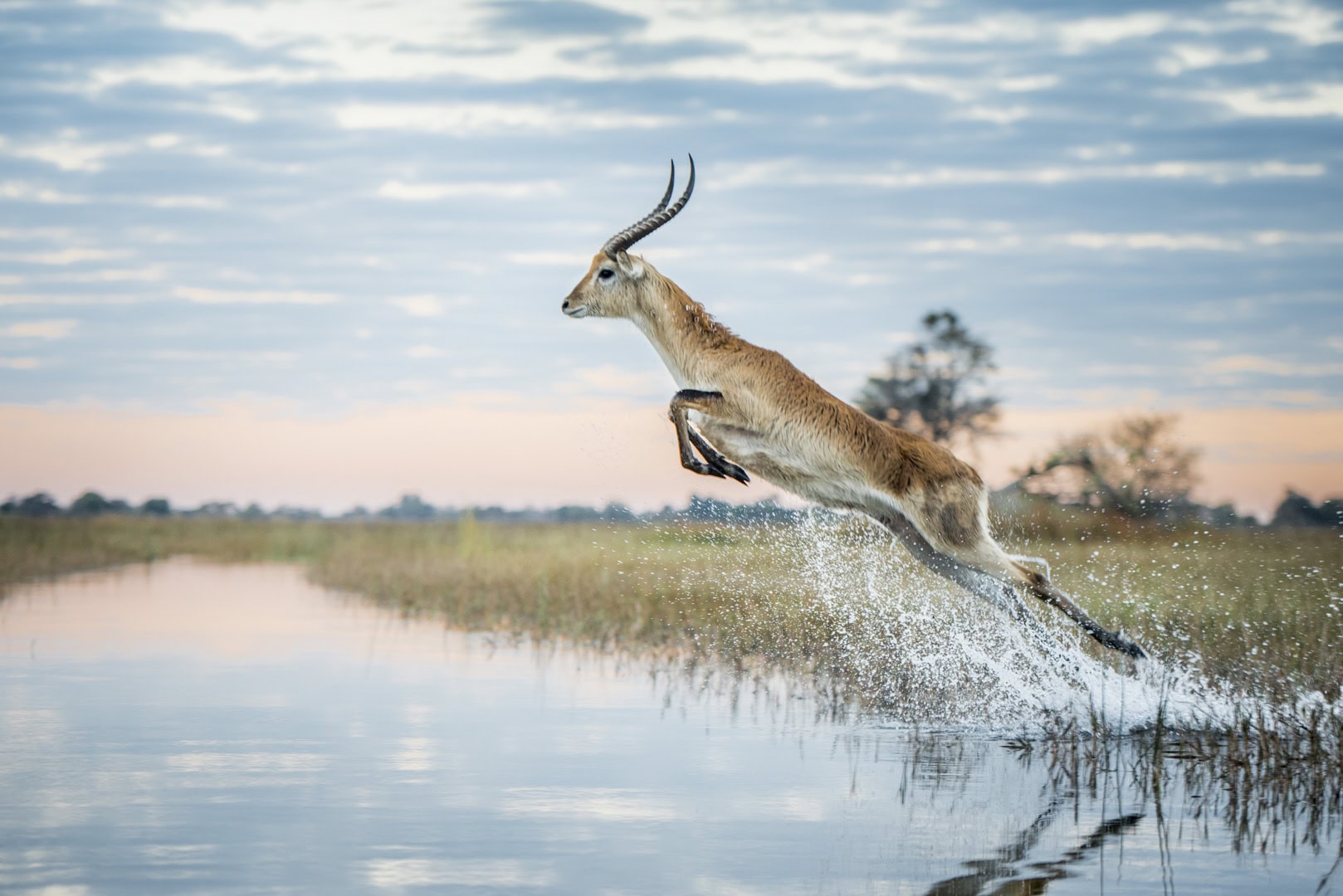
Red Lechwe
Hippo
Nile crocodile
01
Tuli Block
Overview
Reasons to Visit
03
WILDLIFE
Tuli Block
Elephant
Leopard
Lion
Hyena
Kudu
Eland
Zebra
Overview
Reasons to Visit
03
WILDLIFE
Selinda Reserve
Elephant
Buffalo
Lion
Leopard
Hyena
Wild Dog
Hippo
Cheetah
Botswana FAQ's
Q: Do I need a Botswana visa or eVisa for my passport, and should this be secured before departure?
For many passports, Botswana is straightforward and often visa-free for short tourism stays, but some nationalities do need a visa or should use the official eVisa route before travel. For a high-end safari, it is sensible to have this checked and, where needed, secured before departure rather than hoping to solve it on arrival. Your passport should usually have at least six months’ validity and supporting documents such as onward flights and accommodation details should be easy to produce.
Q: Will I need a yellow fever certificate because of my recent travel or transit history?
Botswana does ask for yellow fever proof if you are arriving from, or have recently transited through, a yellow-fever-risk country. It is your route, not just your nationality, that matters here, so a previous East, Central or West African stop can trigger the requirement. If that applies to your journey, carry the physical certificate with your passport rather than relying on a digital copy.
Q: How much passport validity and how many blank pages should I carry for a multi-country safari through southern Africa?
For a multi-country southern Africa safari, travel with at least six months’ passport validity beyond the end of the trip and more blank pages than the bare minimum. In practice, three to four blank pages is the comfortable approach for guests moving between Botswana, South Africa, Zambia or Zimbabwe. Regional border officials and airlines can be stricter than travelers expect, so this is not an area to cut fine.
Q: Is malaria prophylaxis recommended for the exact areas and season I am travelling in?
For the Delta, Linyanti and Chobe side of Botswana, malaria planning is usually part of the conversation, especially in the greener and hotter months. It is much less of a concern in the Kalahari and in urban gateways, so the exact answer depends on which regions you are combining. A travel-medicine consultation is still the right final step, but most northern Botswana itineraries are planned on the basis that prophylaxis may be advisable.
Q: How remote are medical facilities once I am in the Delta or Linyanti, and what level of evacuation cover is sensible?
Once you are in the Delta or Linyanti, you are in genuine bush country rather than close to full-service hospitals. Good camps carry first-aid capability and evacuation procedures, but anything more serious usually means transfer to Maun, Kasane, Gaborone or onward to South Africa. For that reason, comprehensive medical insurance with emergency air evacuation is not a luxury add-on here; it is part of sensible trip design.
Q: Are mokoro excursions, boating, walking safaris or helicopter flights suitable for everyone in my party?
Not every activity suits every guest in the same way. Mokoro excursions and boats require comfortable balance and easy movement in and out of low craft; walking safaris usually have age, health and fitness limits; and helicopter flights bring weight, mobility and sometimes motion-sensitivity considerations. For multi-generational groups, it is worth matching camp choice to the least mobile guest rather than assuming every Botswana activity is universally suitable.
Access, air routes & packing
Q: Are Delta and Linyanti charter sectors subject to strict soft-sided baggage limits, and how should I pack?
Yes – baggage limits on Delta and Linyanti light-aircraft sectors are usually real, and soft-sided bags are the norm rather than a suggestion. A practical rule is to pack in a squashable duffel and assume the total allowance may be in the 12 to 15 kg range including hand luggage, although the exact limit depends on the aircraft and routing. If you are carrying heavy camera equipment, it is wise to plan that conversation before ticketing rather than at check-in.
Q: How many camps or regions can I combine without turning the trip into too much flying?
For most luxury travelers, two or three safari regions is the sweet spot. Over seven to ten nights, a Delta camp plus one contrasting land-based area such as Linyanti or Chobe usually feels elegant; beyond that, the trip can become too aviation-led unless you have a longer stay. Botswana rewards depth and contrast more than constant movement.
Q: Is it better to enter via Maun or Kasane for the itinerary I am considering?
Maun is usually the cleaner gateway for a Delta-led itinerary, while Kasane makes more sense if Chobe or Victoria Falls is part of the journey. If your trip includes both the Delta and the northern river systems, the neatest answer is often an open-jaw itinerary using both airports rather than backtracking. That tends to save time and preserve the rhythm of the safari.
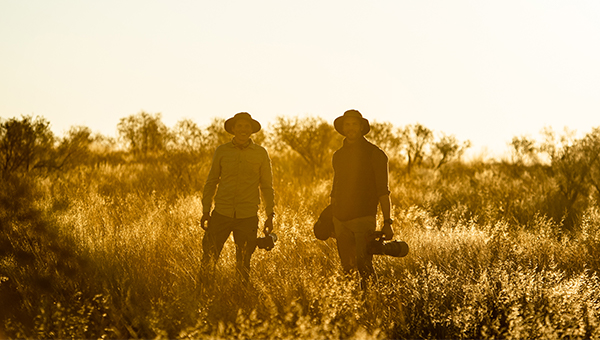
Q: Are Delta and Linyanti charter sectors subject to strict soft-sided baggage limits, and how should I pack?
Yes – baggage limits on Delta and Linyanti light-aircraft sectors are usually real, and soft-sided bags are the norm rather than a suggestion. A practical rule is to pack in a squashable duffel and assume the total allowance may be in the 12 to 15 kg range including hand luggage, although the exact limit depends on the aircraft and routing. If you are carrying heavy camera equipment, it is wise to plan that conversation before ticketing rather than at check-in.
Q: How many camps or regions can I combine without turning the trip into too much flying?
For most luxury travelers, two or three safari regions is the sweet spot. Over seven to ten nights, a Delta camp plus one contrasting land-based area such as Linyanti or Chobe usually feels elegant; beyond that, the trip can become too aviation-led unless you have a longer stay. Botswana rewards depth and contrast more than constant movement.
Q: Is it better to enter via Maun or Kasane for the itinerary I am considering?
Maun is usually the cleaner gateway for a Delta-led itinerary, while Kasane makes more sense if Chobe or Victoria Falls is part of the journey. If your trip includes both the Delta and the northern river systems, the neatest answer is often an open-jaw itinerary using both airports rather than backtracking. That tends to save time and preserve the rhythm of the safari.
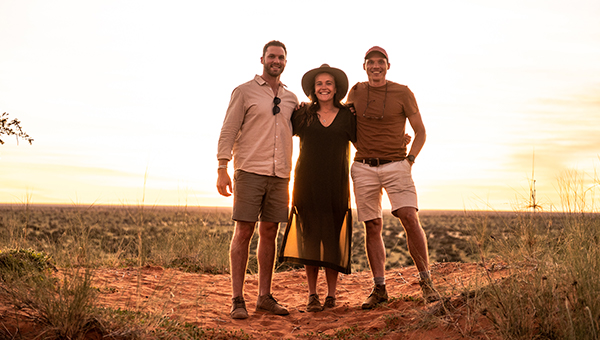
Q: Is my travel month better for water-based Delta activities, land-based game viewing, or a mix of both?
As a broad guide, the flood season and early high-water months are strongest for classic water-based Delta experiences, while the later dry months are strongest for concentrated land-based game viewing. Shoulder months can be particularly rewarding because they give you a blend of boating, mokoro and good predator action without locking you into only one style. The best answer depends on whether your priority is atmosphere, photography, boating or density of wildlife sightings.
Q: For a first Botswana trip, should I focus on the Delta alone or combine it with Linyanti, Chobe or the Kalahari?
For a first Botswana safari, a two-region combination is usually better than trying to ‘do everything’ or staying in only one ecosystem. The most elegant first journey is often a Delta camp paired with Linyanti or Chobe, because you feel both the water world and a more classic big-game concentration area. The Kalahari is wonderful, but it usually makes most sense as a longer second trip or as a deliberate contrast on a bigger itinerary.
Q: Which camps are best for privacy, exclusive-use villas, family travel or serious wildlife photography?
The right camp type depends less on a star rating and more on what matters to the guest. Small concession camps and exclusive-use villas are best for privacy; camps with family suites, flexible meal timings and child-friendly guiding are best for families; and photographers should prioritize specialist guiding, open vehicle flexibility, good light angles and, where relevant, hides or helicopter options. In Botswana, camp character and location often matters more than brand recognition.


.jpg)
.jpg)
.jpg)
.jpg)
.jpg)
.jpg)
.jpg)


.jpg)

.jpg)
.jpg)

.jpg)

.jpg)

.jpg)
.jpg)
.jpg)
.jpg)
.jpg)
.jpg)
.jpg)
.jpg)
.jpg)
.jpg)
.jpg)
.jpg)
.jpg)
.jpg)
.jpg)
.jpg)
.jpg)

.jpg)
.jpg)
.jpg)
.jpg)