.jpg)
.jpg)
.jpg)
.jpg)
.jpg)
.jpg)
.jpg)


.jpg)

.jpg)
.jpg)

.jpg)

.jpg)

.jpg)
.jpg)
.jpg)
.jpg)
.jpg)
.jpg)
.jpg)
.jpg)
.jpg)
.jpg)
.jpg)
.jpg)
.jpg)
.jpg)
.jpg)
.jpg)
.jpg)

.jpg)
.jpg)
.jpg)
.jpg)
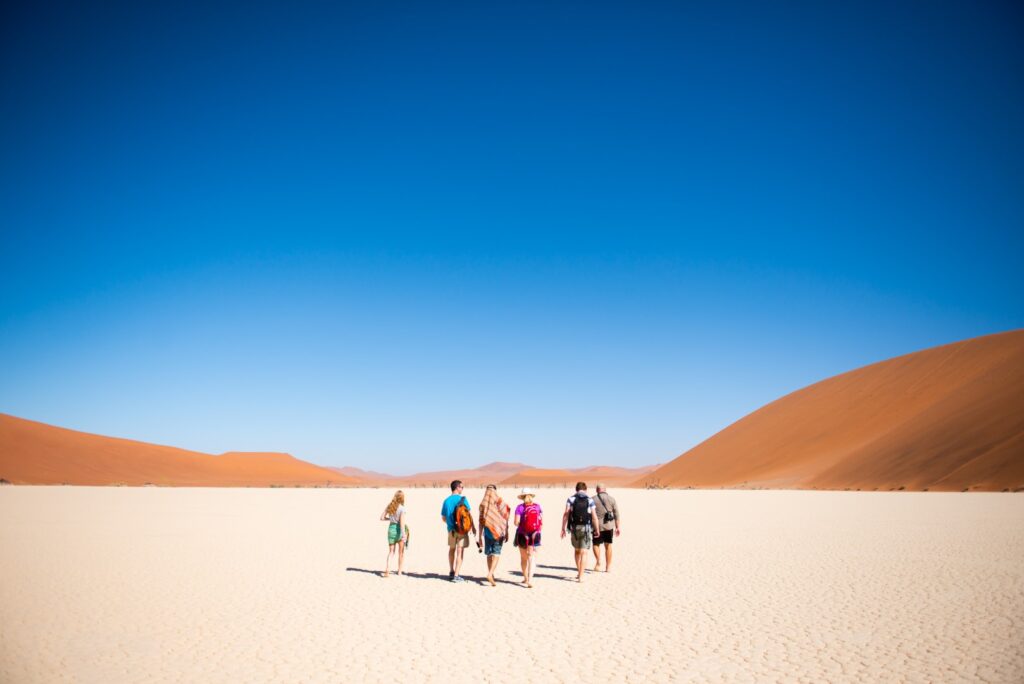
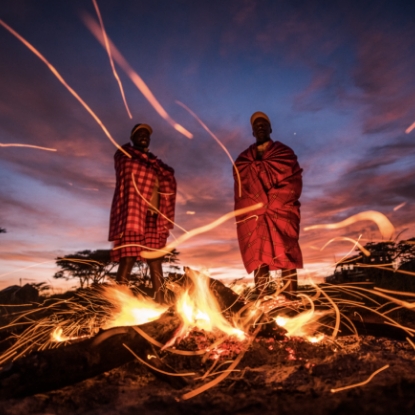
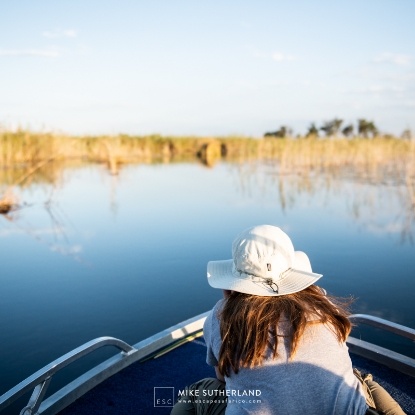
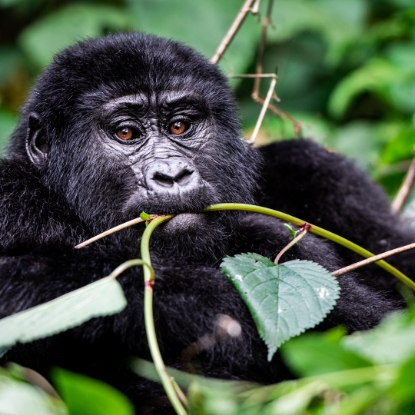
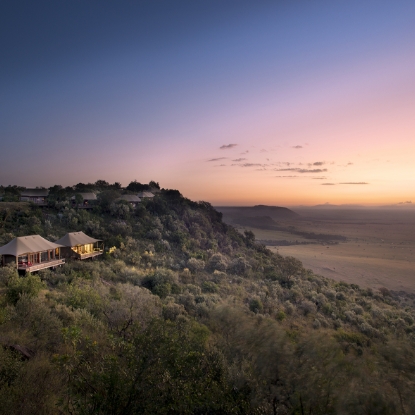

For high-end travellers, Tanzania can be shaped in remarkably different ways. One journey might focus on migration timing in the Serengeti; another on intimate tented camps, walking and southern safari; another on primates and beach. Few countries allow such a strong combination of headline wildlife, real remoteness and polished island escape.
EXPLORE Tanzania
You need to define some clickable areas for your image.
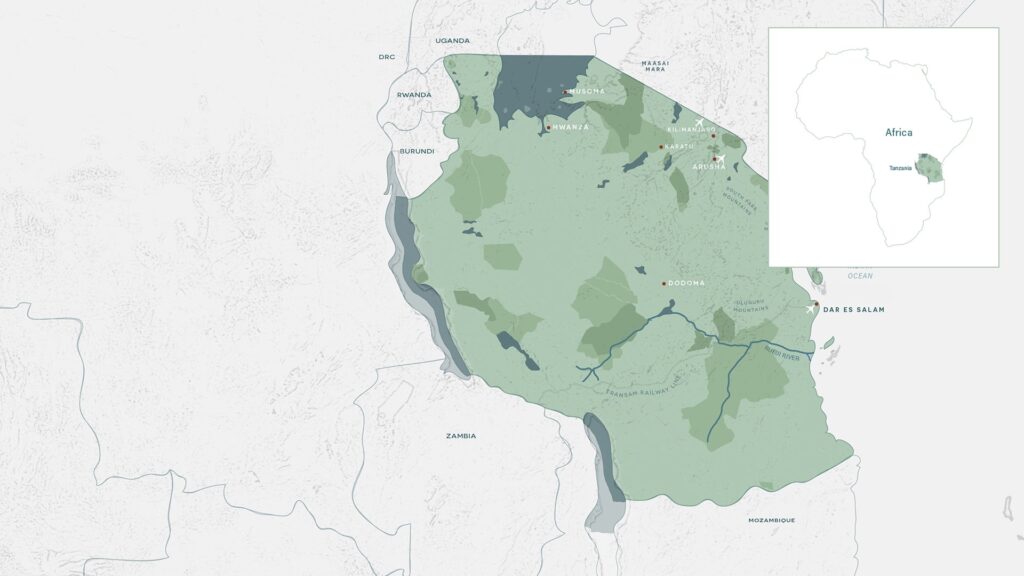
KEY FACTS FOR Tanzania
Ruaha and the south provide a wilder, lower-volume alternative to the northern circuit.
Population Size
Approx. 70.6 million
Geographic Size
Approx. 945,500 sq km
Capital
Dodoma
Currency
Tanzanian Shilling (TZS)
Offical Language
Swahili and English
Best time to visit
June to October for classic safari; January to March for the southern Serengeti calving season; June to March for most beach stays, excluding heavier long-rain periods
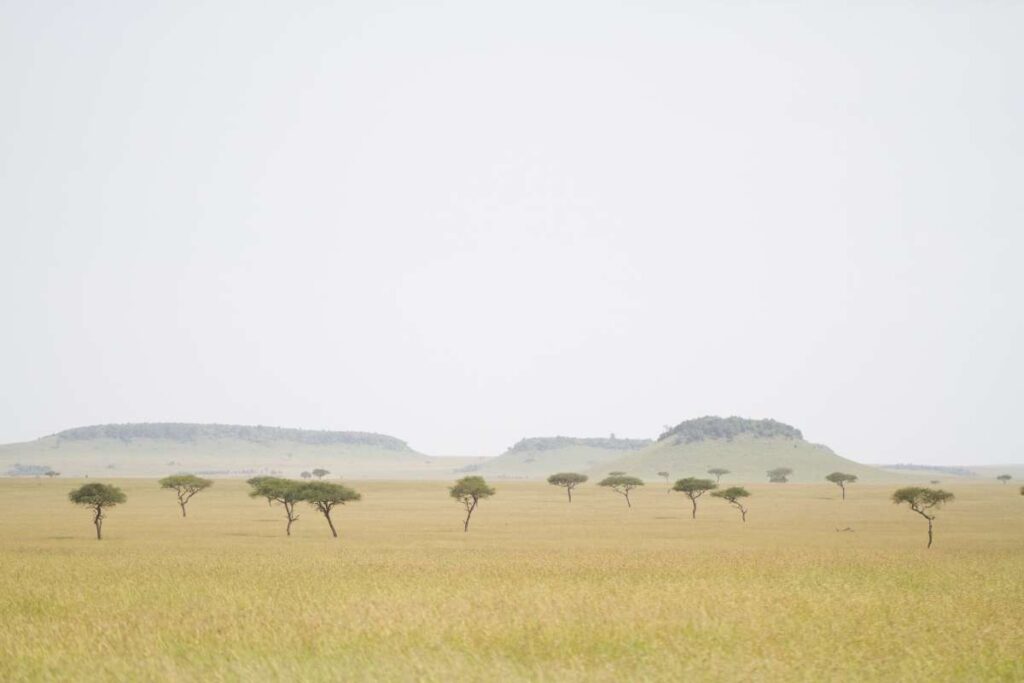
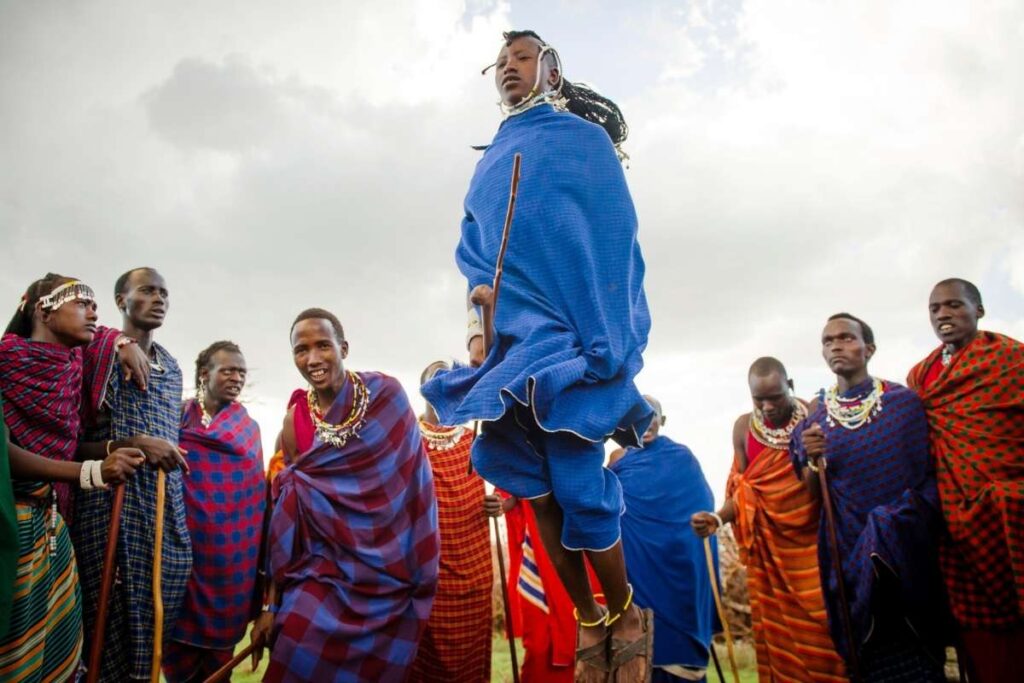
The Serengeti and Ngorongoro are among Africa’s most iconic wildlife landscapes.
01
02
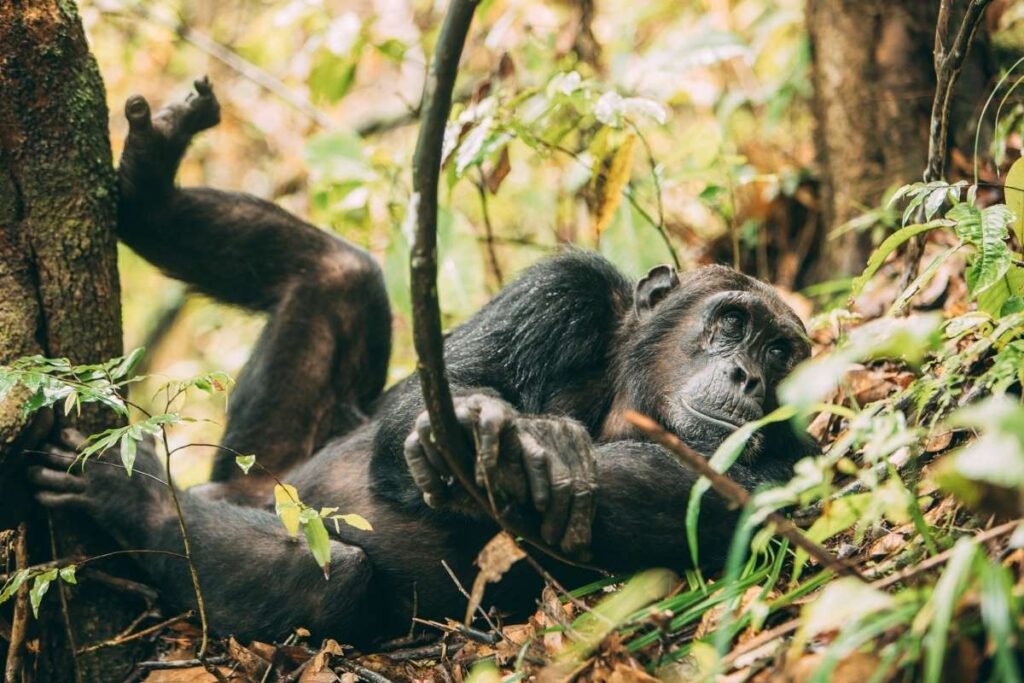
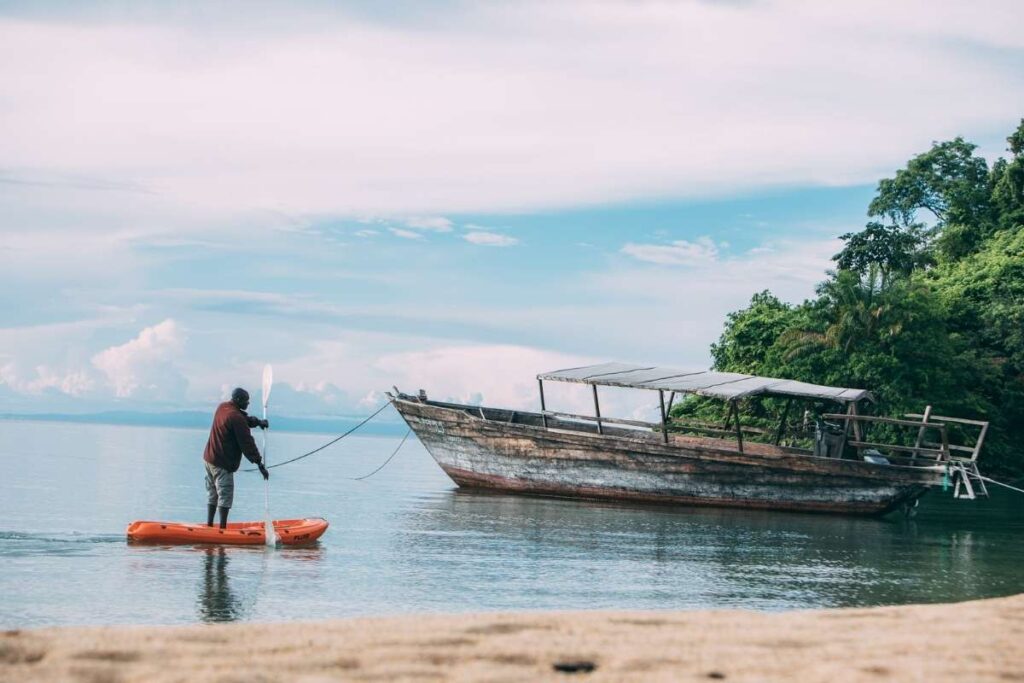
Mahale offers one of Africa’s most beautiful chimpanzee experiences.
Forested mountains rise directly from Lake Tanganyika.
03
Tanzania includes not only mainland safari country, but Zanzibar, Pemba and Mafia in the Indian Ocean.
Tanzania is exceptionally strong for bush-and-beach itineraries.
04
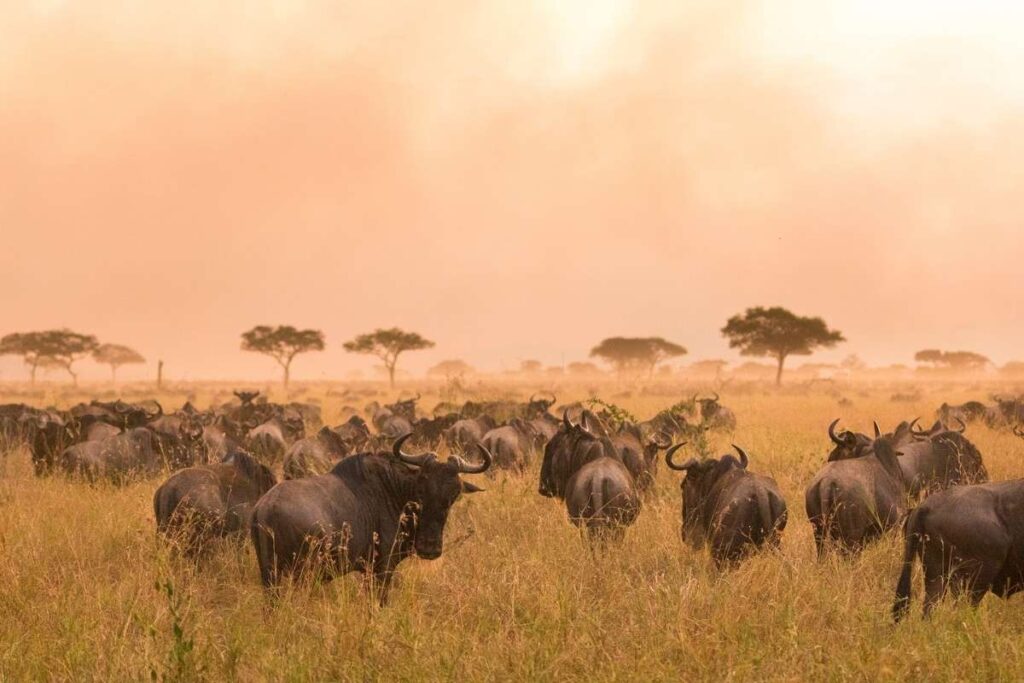
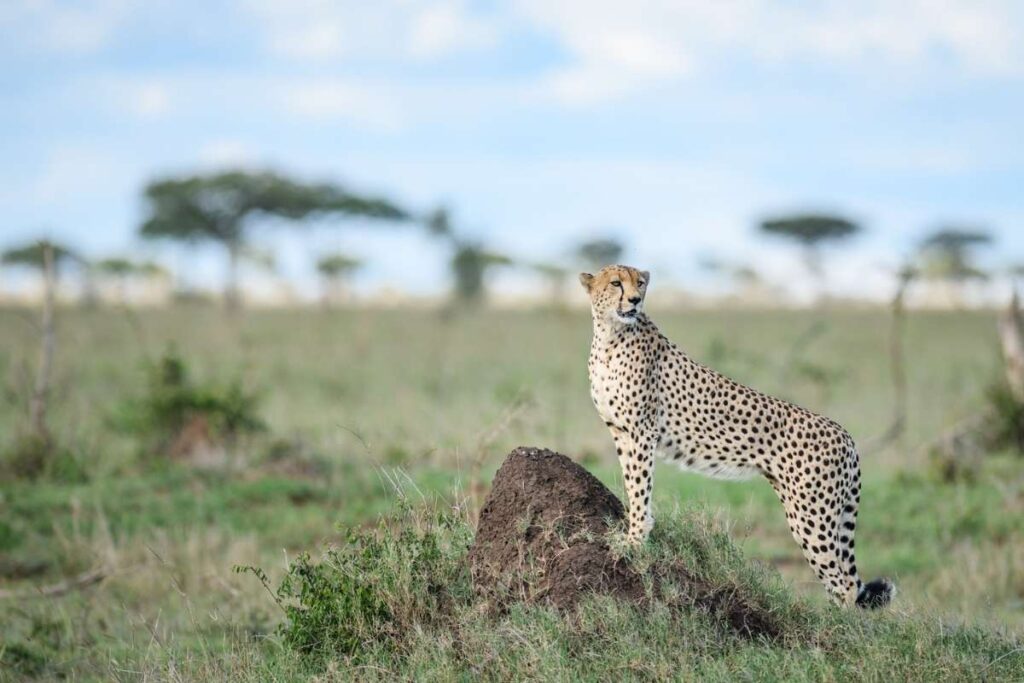
The Great Migration is not a single place but a moving phenomenon.
Where you travel in Tanzania matters enormously by month.
01
Lake Manyara
Overview
Reasons to Visit
03
WILDLIFE
Lake Manyara
Elephant
Hippo
Baboons
Lions
Flamingos
04
ACTIVITIES
Lake Manyara
Scenic game drives beneath the Rift escarpment
Excellent birding and lush habitat contrast within the northern circuit
A rewarding short stop before Ngorongoro or Tarangire
05
WEATHER
Lake Manyara
- WET SEASON
- DRY SEASON
- Jan
- Feb
- Mar
- Apr
- May
- Jun
- Jul
- Aug
- Sep
- Oct
- Nov
- Dec
Overview
Reasons to Visit
03
WILDLIFE
Mahale Mountains
Chimpanzees
Forrest Monkeys
Rich Aquatic Life
04
ACTIVITIES
Mahale Mountains
Chimpanzee tracking on foot with expert trackers
Kayaking, swimming and boat excursions on Lake Tanganyika
Forest hiking and deeply remote camp life
Ideal for travellers seeking rarity, privacy and something genuinely different
05
WEATHER
Mahale Mountains
- WET SEASON
- DRY SEASON
- Jan
- Feb
- Mar
- Apr
- May
- Jun
- Jul
- Aug
- Sep
- Oct
- Nov
- Dec
Overview
Reasons to Visit
03
WILDLIFE
Ngorongoro Crater
Buffalo
Zebra
Wildebeest
Lion
Spotted Hyena
04
ACTIVITIES
Ngorongoro Crater
A dramatic crater-floor safari with outstanding visibility
One of the most reliable places in East Africa to see a broad species mix in a short time
Superb pairing with the Serengeti and Tarangire on the northern circuit
05
WEATHER
Ngorongoro Crater
- WET SEASON
- DRY SEASON
- Jan
- Feb
- Mar
- Apr
- May
- Jun
- Jul
- Aug
- Sep
- Oct
- Nov
- Dec
Overview
Reasons to Visit
03
WILDLIFE
Ruaha
Lion
Leopard
African Wild Dog
Elephant
Buffalo
Kudu
Sable
04
ACTIVITIES
Ruaha National Park
Classic game drives with low tourist density
Walking safaris and deeply atmospheric camp settings
A top choice for seasoned safari travellers seeking “bigger, wilder, quieter” Tanzania
05
WEATHER
Ruaha
- WET SEASON
- DRY SEASON
- Jan
- Feb
- Mar
- Apr
- May
- Jun
- Jul
- Aug
- Sep
- Oct
- Nov
- Dec
Overview
Reasons to Visit
03
WILDLIFE
Serengeti
Wildebeest
Zebra
Gazelle
Lion
Leopard
Cheetah
Elephant
04
ACTIVITIES
Serengeti
Dhow sailing at sunset or on multi-hour island cruises
Wandering Lamu Old Town’s UNESCO-listed lanes
Long, slow days on Shela Beach
Excellent post-safari decompression with real character and romance
05
WEATHER
Serengeti
- WET SEASON
- DRY SEASON
- Jan
- Feb
- Mar
- Apr
- May
- Jun
- Jul
- Aug
- Sep
- Oct
- Nov
- Dec
Overview
Reasons to Visit
03
WILDLIFE
Tarangire
Elephants
Lion
Leopard
Fringe-eared Oryx
Kudu
04
ACTIVITIES
Tarangire
Dry-season game drives with impressive elephant numbers
Beautiful baobab and river landscapes for photography
A strong opening or closing park on the northern circuit
05
WEATHER
Tarangire
- WET SEASON
- DRY SEASON
- Jan
- Feb
- Mar
- Apr
- May
- Jun
- Jul
- Aug
- Sep
- Oct
- Nov
- Dec
Overview
Reasons to Visit
03
WILDLIFE
Zanzibar
Dolphins
Sea Turtles
Red Colobus
04
ACTIVITIES
Zanzibar
Stone Town stays with private guiding and strong culinary experiences
Snorkelling, diving and how cruises
Spice-farm visits, beach stays and spa-led relaxation
Easy pairing with the Serengeti, Tarangire or Ruaha
05
WEATHER
Zanzibar
- WET SEASON
- DRY SEASON
- Jan
- Feb
- Mar
- Apr
- May
- Jun
- Jul
- Aug
- Sep
- Oct
- Nov
- Dec

Tanzania FAQ's
Q: Do I need a Tanzania visa in advance or is visa on arrival practical for my passport and routing?
Tanzania offers both eVisa and visa-on-arrival pathways for many travelers, but the best option depends on passport type and routing. For a luxury itinerary, applying in advance usually removes unnecessary airport waiting, although certain nationalities and referral cases need more careful handling. The simplest rule is to have the visa strategy settled before departure rather than treating arrival formalities as an afterthought.
Q: Could yellow fever rules affect my entry depending on where I am travelling from or transiting through?
Yes – yellow fever rules can matter in Tanzania if you are arriving from or have transited through a yellow-fever-risk country. This is especially relevant on wider East African itineraries and should be checked against the exact route, not just the holiday’s headline destination. Zanzibar does not cancel that logic; it sits within the wider Tanzania entry framework.
Q: If I am adding Zanzibar, are there separate formalities or extra travel requirements I should plan for?
Yes. Zanzibar shares Tanzania’s immigration framework, but it now also has its own inbound insurance requirement for foreign visitors, purchased through the official Zanzibar Insurance Corporation channel. So even if the visa itself is already sorted for Tanzania, a beach extension to Zanzibar can still add one more pre-travel step.
Q: Is malaria prophylaxis recommended for my safari circuit and any beach extension?
For many Tanzania circuits, yes. Once an itinerary includes lowland safari areas such as much of the Serengeti, Tarangire, Ruaha or the coast and islands, malaria planning is usually part of the conversation, even though cooler highland sectors such as Ngorongoro may feel different on the ground. Guests should think in terms of the whole circuit, not the coolest stop on it.
Q: Are crater descents, walking activities or longer road transfers suitable for all members of my party?
Most of the northern circuit is flexible enough for a wide range of guests, but the detail matters. Crater descents themselves are vehicle-based and manageable, whereas longer road transfers, rougher tracks, camp steps and optional walking elements may be the bigger deciding factors. Older travelers and families often do particularly well when one or two road legs are replaced with flights.
Q: How robust should my medical and evacuation insurance be for more remote camps?
Remote Tanzania deserves serious cover, especially if the itinerary includes fly-in Serengeti, Ruaha, Mahale, Katavi or a beach add-on reached by small aircraft. Good camps have procedures and first response, but evacuation is what protects the journey if something meaningful goes wrong. For more remote western or southern parks, strong medical and evacuation insurance should be treated as standard.
Q: Which Serengeti region best suits my travel month, and is it worth flying between camps?
This is one of Tanzania’s defining planning questions. The southern plains are the classic choice around calving season, the far north becomes relevant when river crossings are the focus, and central Serengeti is the all-rounder when you want year-round strength. Flying between camps is often worth it because Tanzania is simply too large to cover elegantly by road once you are moving between major safari zones.
Q: Are safari flight baggage limits strict enough that I should pack entirely in soft-sided bags?
Yes – pack for Tanzania as if soft-sided luggage is the rule, because on safari flights it usually is. Around 15 kg inclusive is a useful benchmark for many bush sectors, although exact allowances vary. Even where a carrier is slightly more generous, soft bags still make life easier for both aircraft loading and camp logistics.
Q: Is it better to pair safari with Zanzibar or Mafia, and how much transition time should I allow?
Zanzibar is the easier answer for most guests because the transfer flow is simpler and the island can absorb a broad range of tastes, from heritage to honeymoon beaches. Mafia is stronger for travelers who are genuinely marine-led, especially divers and guests seeking a quieter, more specialist Indian Ocean finish. Either way, allow enough buffer that the bush and beach halves of the trip feel linked rather than mechanically stitched together.
Q: Is my timing better for calving season, river crossings, classic dry-season wildlife or quieter shoulder months?
The answer depends on what you are hoping to see. Calving season points you toward the southern plains, later dry-season movement shifts attention northward, classic dry-season wildlife is superb across much of the circuit, and shoulder months bring fewer crowds and beautiful light. Tanzania is not a one-month country; it is a ‘follow the story you want’ country.
Q: Is Ngorongoro best handled as a one-night stop, or does it deserve a longer stay with nearby properties?
One night is common, but not always ideal. Ngorongoro can work as a beautifully placed stop between Tarangire and the Serengeti, yet two nights creates a more spacious rhythm and lets you enjoy the crater alongside nearby highland experiences. If your trip is short, one night is efficient; if it is meant to feel luxurious, two is often better.
Q: For a first northern circuit trip, which combination is more elegant: Tarangire–Ngorongoro–Serengeti or a deeper focus on fewer camps?
For a first northern circuit, Tarangire, Ngorongoro and the Serengeti remains the most elegant classic pattern because it gives you real variety without intellectual effort. A deeper focus on fewer camps is often better only when the trip is shorter or the traveler already knows they prefer a slower, more immersive pace. The right balance is set by trip length, not by a rule that fewer is always better.