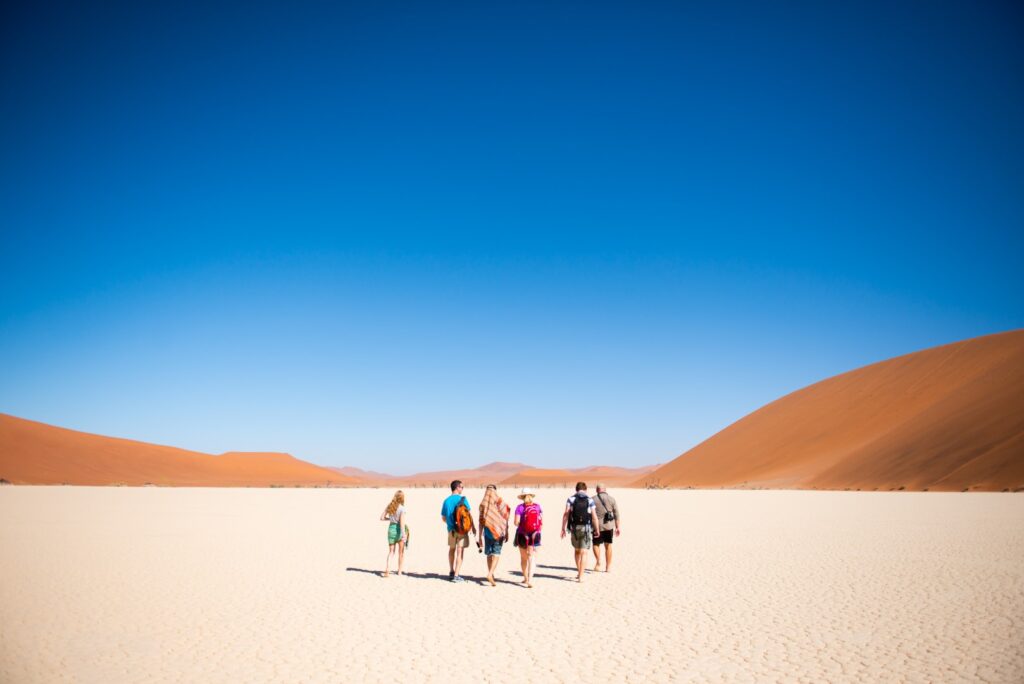
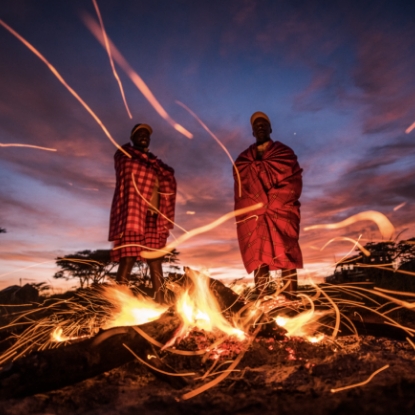
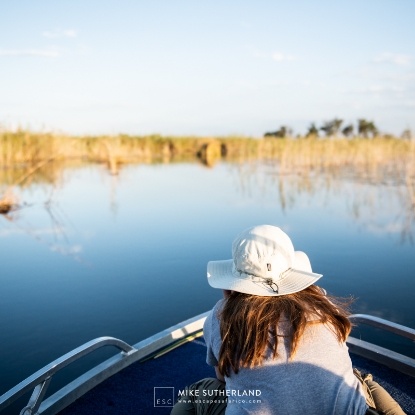
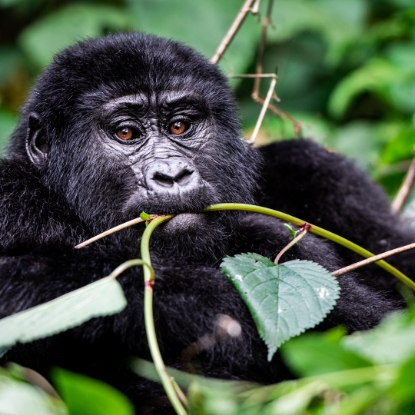
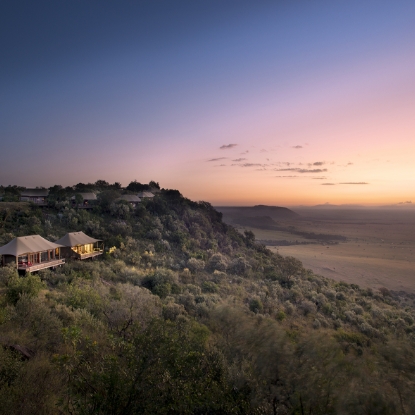
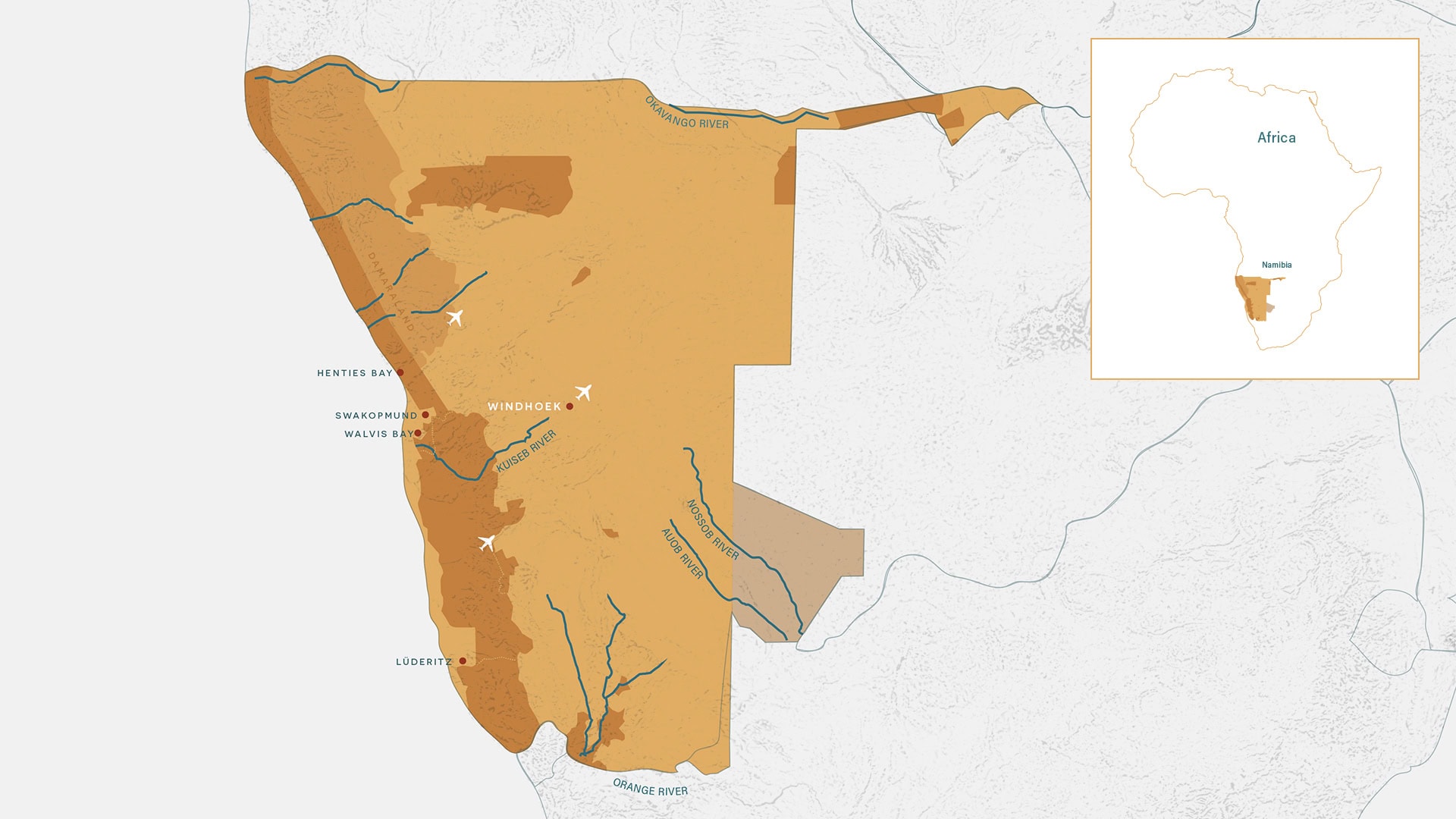
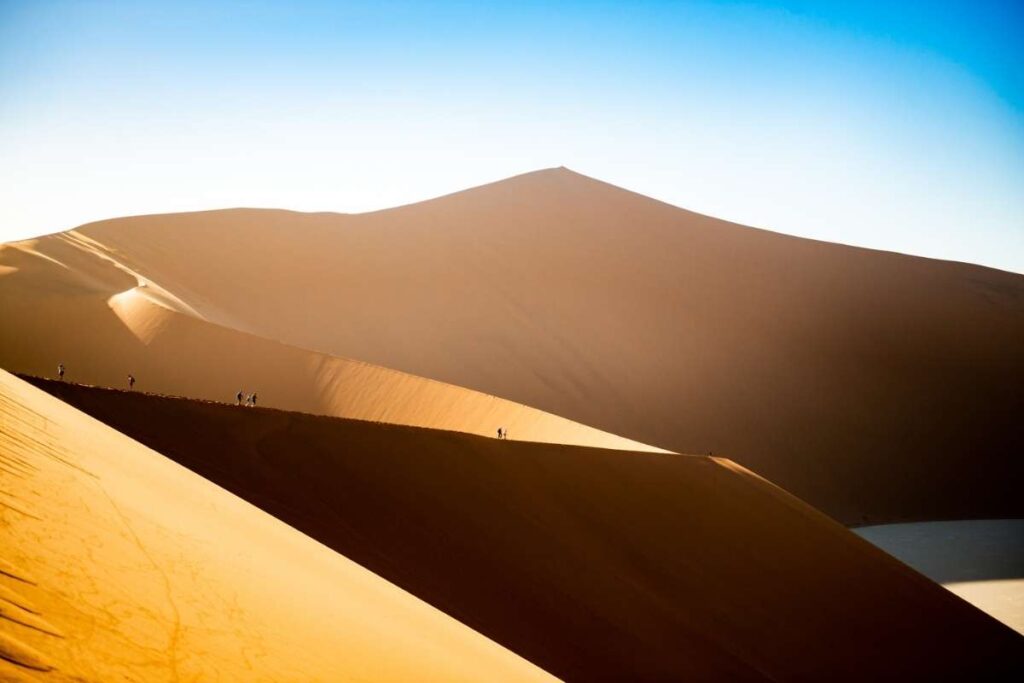
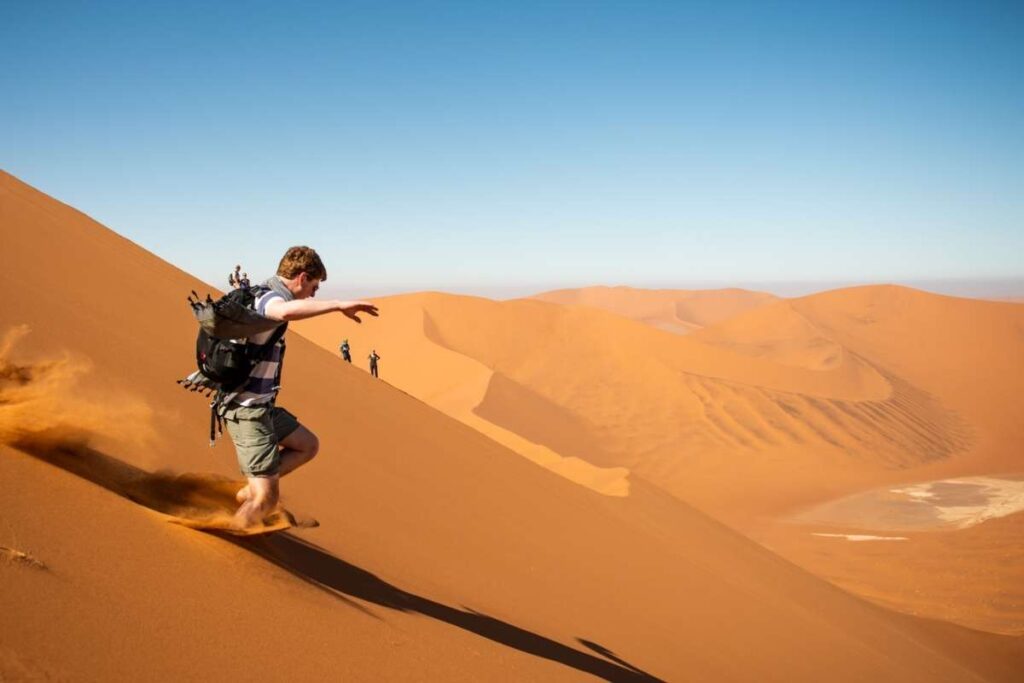
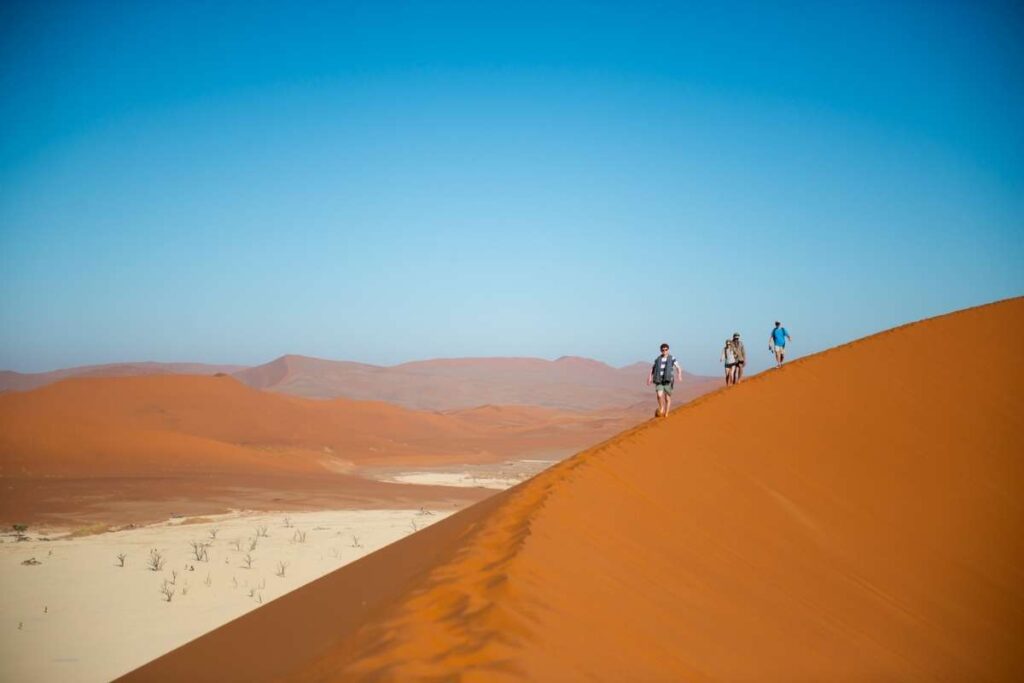
Namibia is one of Africa’s most visually arresting destinations: a place of red dunes, empty coastlines, desert-adapted wildlife and immense, soul-clearing horizons. It is less about dense safari in the classic East or Southern African sense and more about landscapes, mood and the extraordinary beauty of space. Here, travel itself becomes part of the experience — long roads, private concessions, fly-in lodges and ever-changing scenery that moves from ocean fog to ochre sand, canyon country and wildlife-rich plains.
For high-end travellers, Namibia excels in contrast. It pairs beautifully with Botswana or Cape Town, but it is also a destination that easily stands on its own. A well-planned itinerary can include the sculptural dunes of Sossusvlei, rhino tracking in Damaraland, classic game viewing in Etosha and remote luxury on the Skeleton Coast. It is a superb choice for honeymooners, photographers, families with older children, and anyone drawn to design, stillness and extraordinary natural drama.
EXPLORE Namibia
Richtersveld Transfrontier Park
Sperrgebiet National Park
Namib Naukluft National Park
Namibrand Nature Reserve
Skeleton Coast National Park
Etosha National Park
Khaudum National Park
Waterberg Plateau Park
Mahango National Park
Sossusvlei and Deadvlei
Naukluft Mountains
Fish River Canyon
Cape Cross
Terrace Bay
Mowe Bay
Skeleton Bay
Twyfelfontein
Brandberg Mountain
Spitzkoppe Massif
Epupa Falls
Himba Tribe Region
Okonjima
Cheetah Conservation Fund
Damaraland
Kaokoland
Grootfontein
Namib desert
Kgalagadi Transfrontier Park
Okavango Delta
KEY FACTS FOR Namibia
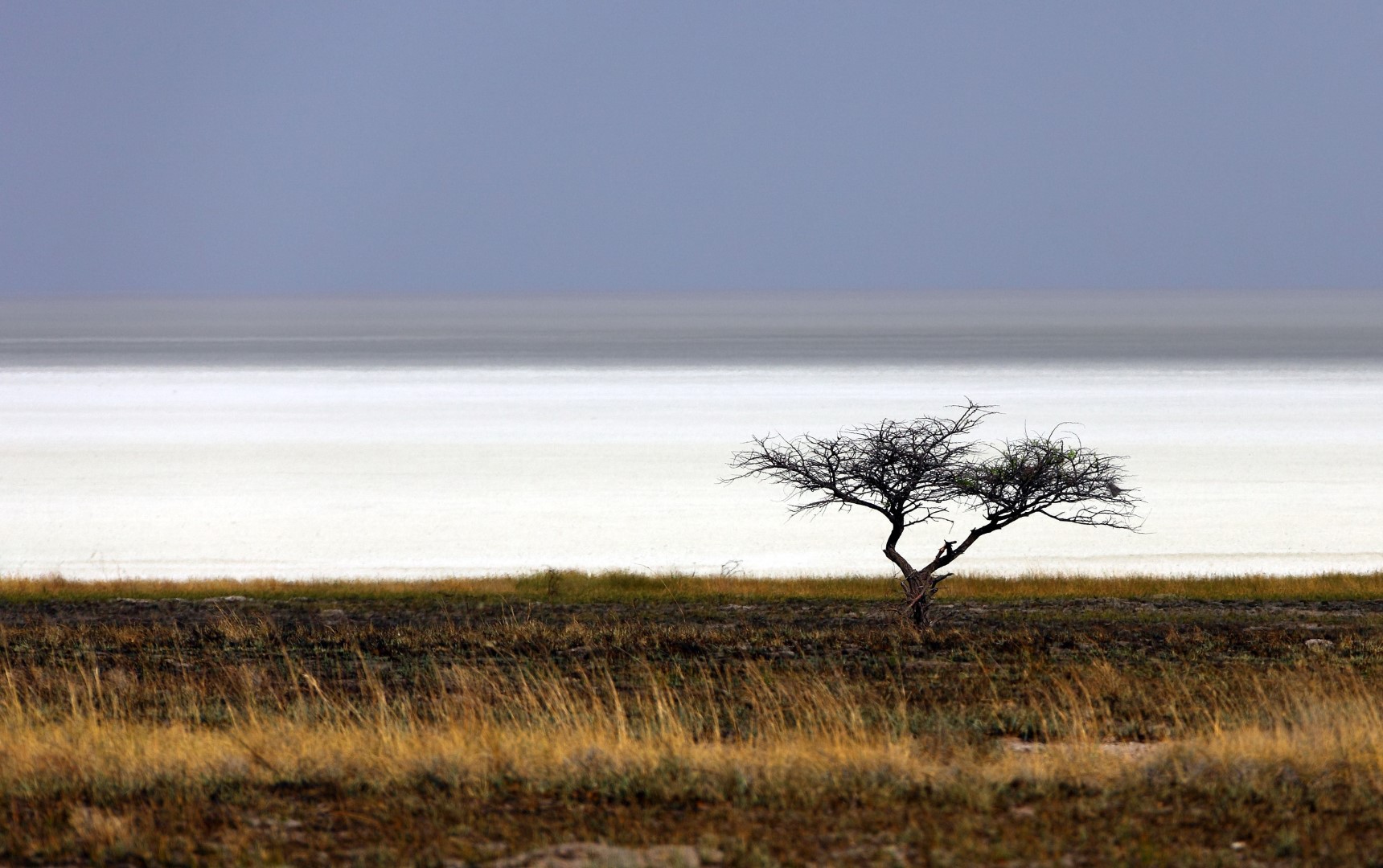
Etosha’s huge salt pan is visible from space. It dominates the park’s identity and influences wildlife movement across the region.
Conservation on communal land is one of Namibia’s success stories. Community conservancies have played a major role in protecting wildlife and supporting rural livelihoods.
Population Size
Approx. 3.2 million
Geographic Size
Approx. 824,292 sq km
Capital
Windhoek
Currency
Namibian Dollar (NAD)
Offical Language
English
Best time to visit
May to October for cooler, drier safari conditions; year-round for desert scenery and road journeys
Namibia is home to the Namib, one of the world’s oldest deserts.
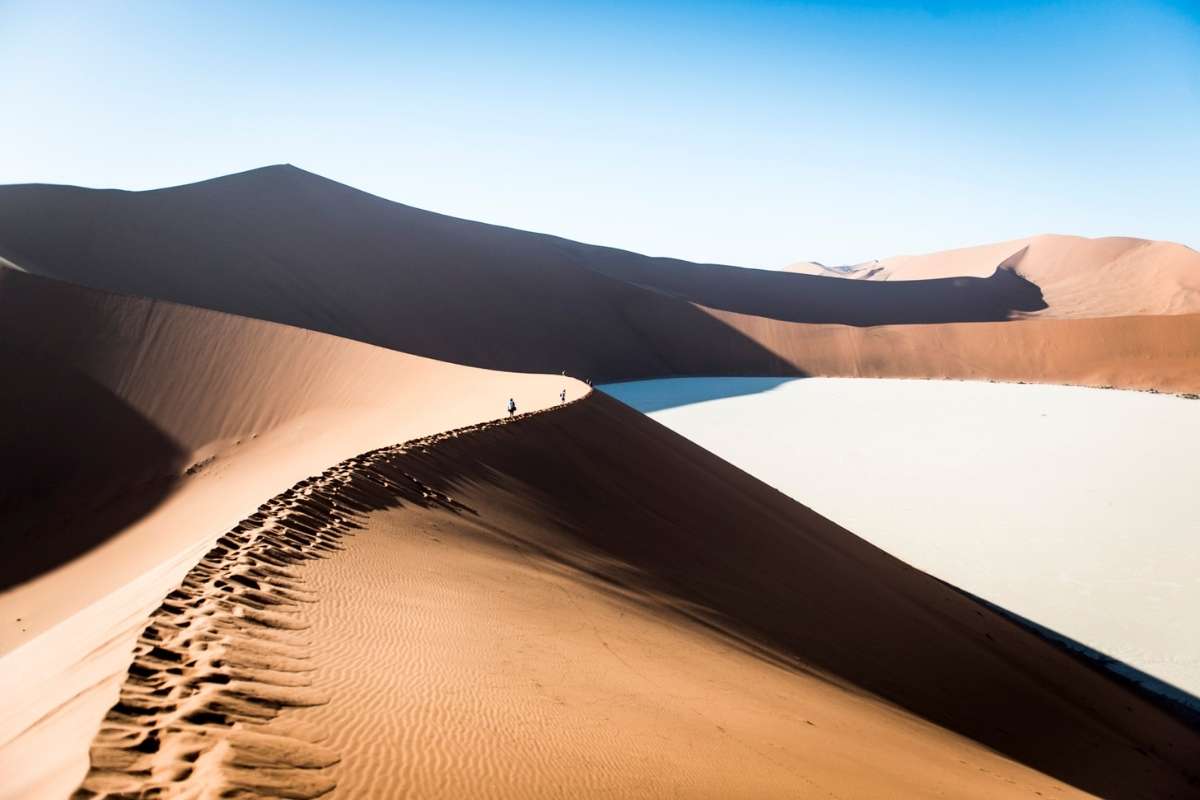
Its dune systems are among the most iconic landscapes on the continent.
01
02
It has one of the lowest population densities in the world.
Much of the country feels gloriously open and unpeopled.
03
The coastline is shaped by the cold Benguela Current.
This creates the foggy, atmospheric conditions that define the Skeleton Coast.
04
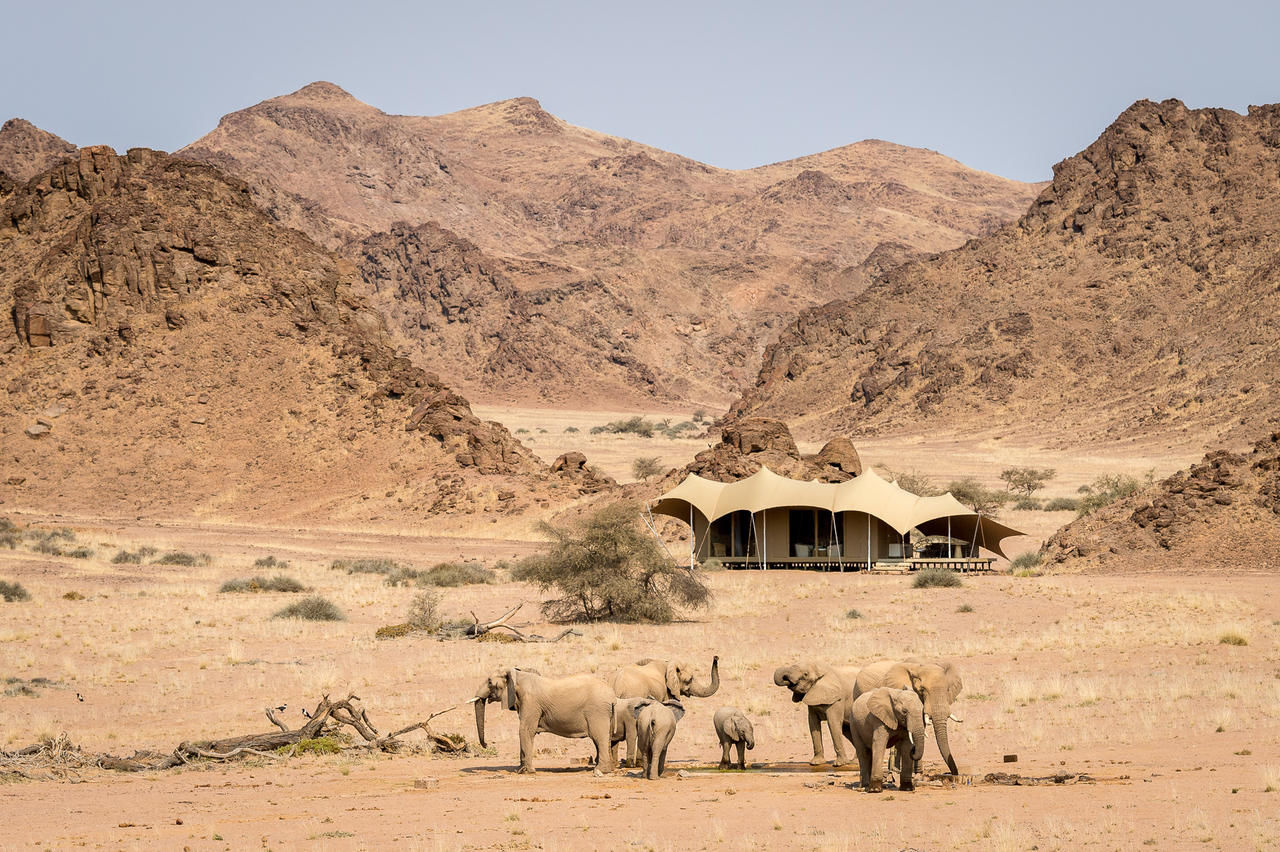
Damaraland is famous for desert-adapted elephant and black rhino.
Wildlife survives here in extraordinarily harsh conditions.
01
Damaraland
Overview
Reasons to Visit
03
WILDLIFE
Damaraland
African Lion
Hyenna
Desert Adapted Elephant
Free Roaming Black Rhino
Zebra
Giraffe
Oryx
01
Etosha National Park
Overview
Reasons to Visit
03
WILDLIFE
Etosha
Elephant
Leopard
Lion
Black Rhino
White Rhino
Springbox
Blue Wildebeest
01
Skeleton Coast
Overview
Reasons to Visit
03
WILDLIFE
Skeleton Coast
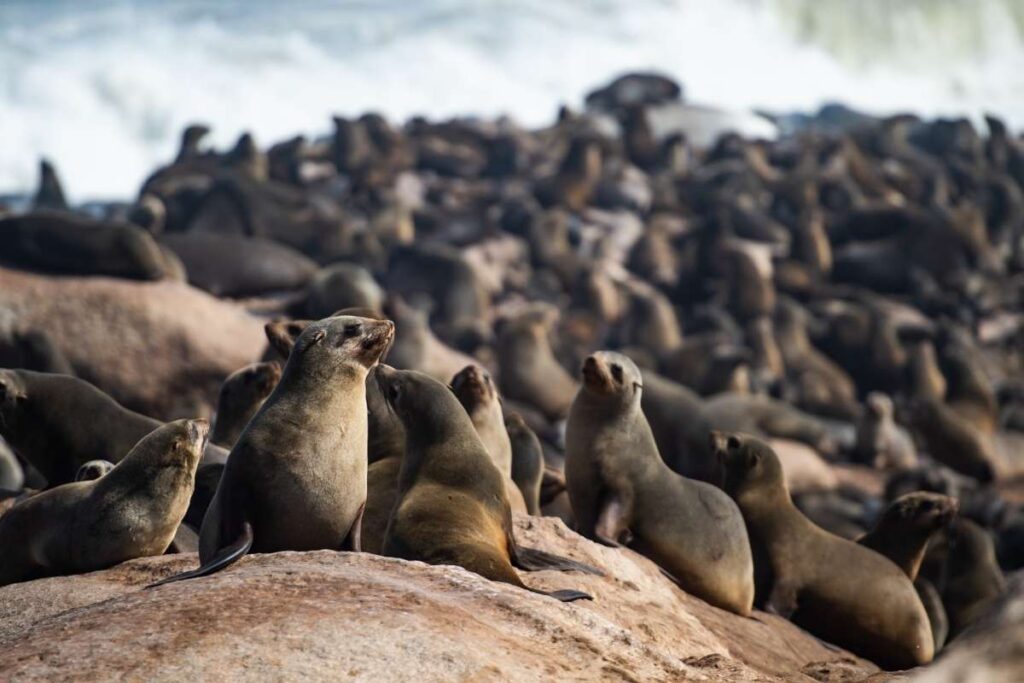
Cape Fur Seals
Brown Hyena
Jackal
Elephant
Lion
Seabirds
Seasonal Dolphins
Overview
Reasons to Visit
03
WILDLIFE
Sossusvlei
Oryx
Springbok
Ostrich
Brown Hyena
Jackal
Dune Lark
Namibia FAQ's
Q: Do I need Namibia’s visa on arrival or should I arrange entry before departure?
Namibia’s rules changed in 2025, so the first question is whether your passport is visa-exempt, eligible for the new visa-on-arrival system, or best handled through an advance online application. For high-end travelers, the smoothest approach is usually to have eligibility checked and, if needed, to complete the process before departure rather than relying on airport formalities. Namibia also expects a passport with at least six months’ validity and, in practice, generous blank pages.
Q: Will a yellow fever certificate be required because of where I am routing from?
Yellow fever proof is generally only relevant if you are arriving from, or have transited through, a yellow-fever-risk country. It is not a standard requirement for guests flying in directly from Europe, the Gulf or southern Africa non-risk points. If your wider itinerary includes East or Central Africa, however, the certificate can suddenly become important and should travel with you in hard copy.
Q: Are there any extra documents I should carry if children are travelling with me?
Namibia itself tends to focus on standard passport and visa requirements, but families should still travel with sensible supporting paperwork. If a child is travelling with one parent, with grandparents or with a guardian, carry a full birth certificate and written consent documentation, especially if any part of the journey routes through South Africa. This is one of those cases where extra paperwork is far better than airport debate.
Q: Which parts of my itinerary are malaria-free and which may require prophylaxis?
Much of classic Namibia – Windhoek, Sossusvlei, Swakopmund, the Skeleton Coast and most of Damaraland – is typically approached as malaria-free or very low risk. Malaria discussions become more relevant in the far north and northeast, and sometimes around parts of Etosha depending on the exact camp location and season. So the itinerary needs to be read map-by-map rather than treating all of Namibia as one health zone.
Q: Is Namibia comfortable for older travellers or families given the long driving days between regions?
Namibia can be wonderfully comfortable for older travelers and families, but only if the pace is well judged. A fly-in or privately guided trip softens the long distances significantly, whereas a self-drive with too many one-night stops can feel tiring even for strong travelers. In Namibia, comfort is often less about the lodge itself and more about how much road time you have asked the journey to absorb.
Q: What level of insurance is sensible for a self-drive or remote fly-in trip?
For either a self-drive or a remote fly-in trip, strong insurance is sensible rather than optional. On self-drive itineraries, that means paying attention not just to medical cover but also to vehicle excesses, tyre and windscreen issues, and roadside assistance in remote terrain. On fly-in routes, the focus shifts toward trip interruption, medical evacuation and the cost of recovering from weather-related schedule changes.
Q: Is Namibia better as a self-drive, privately guided journey or a fly-in itinerary for the length of trip I have in mind?
The right format depends on how you like to travel and how much time you have. Confident, independent travelers with ten days or more can enjoy Namibia as a self-drive, but privately guided trips are far easier and more enriching, and fly-in itineraries are the cleanest answer for guests who value time, comfort and privacy. Namibia is one of the few countries where the transport style changes the feel of the whole journey.
Q: How demanding are the gravel roads, fuel distances and transfer times between Sossusvlei, Damaraland, Etosha and the coast?
The gravel roads are usually manageable rather than extreme, but they are slower and more tiring than the map suggests. Distances between Sossusvlei, Damaraland, Etosha and the coast can easily become half-day journeys or longer, and fuel planning matters once you leave the main corridors. The golden rule is to avoid overambitious routing and never design the trip as if Namibia drives at city speeds.
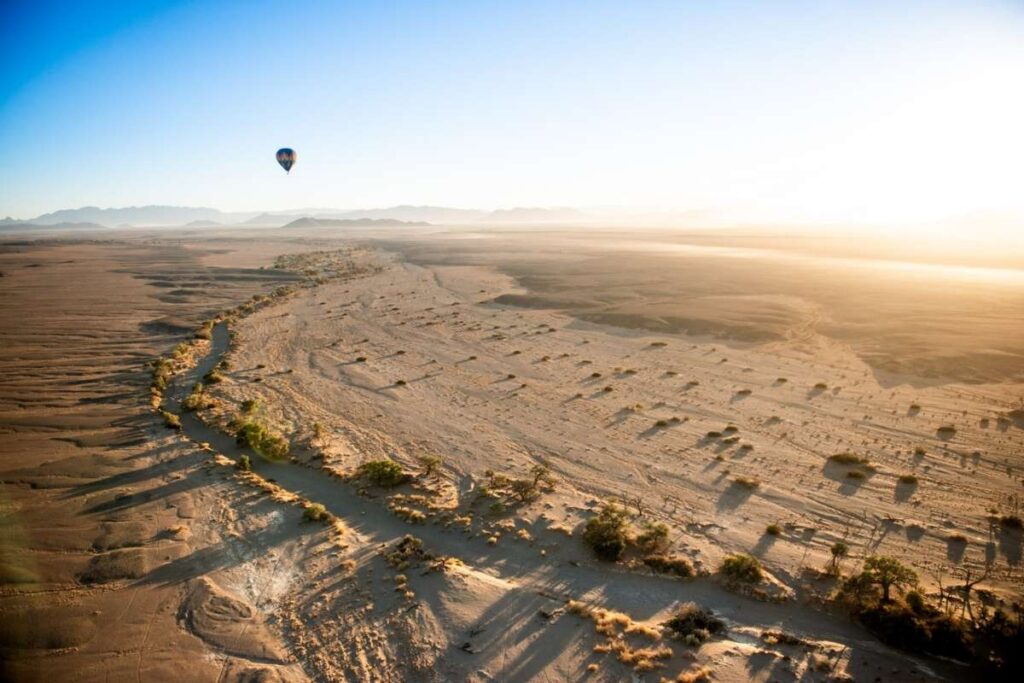
Q: Are scenic flights over the Skeleton Coast or the Namib worth building into the trip?
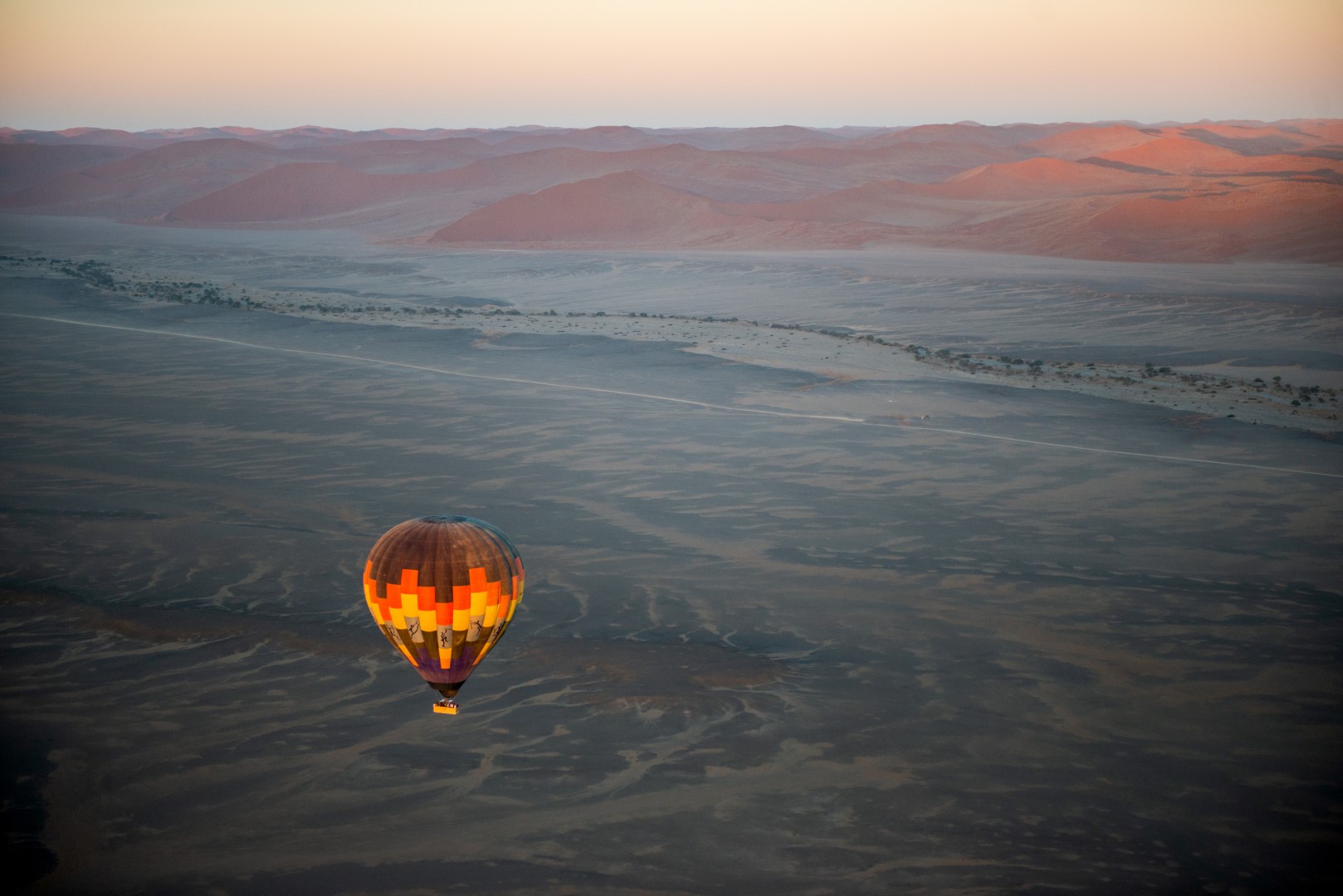
Yes – for many luxury travelers, scenic flying is one of the moments that makes Namibia unforgettable. The Namib, the dunes, the coast and the Skeleton Coast reveal their scale far better from the air than from the road. If budget allows, these flights are not merely decorative; they often improve both the quality and the efficiency of the itinerary.
Q: When is the best balance of dramatic desert light, pleasant temperatures and strong wildlife viewing?
For the best balance of desert light, temperate weather and easy wildlife viewing, the cooler dry months from roughly May to October are usually the easiest answer. April and November can also work well if you want softer pricing and don’t mind a little more heat or unpredictability. The main thing is to match your priorities: wildlife, sky drama, photographic light and temperature comfort do not always peak at exactly the same time.
Q: How many nights do I really need in Sossusvlei, Damaraland, Etosha and the Skeleton Coast to avoid a rushed trip?
As a luxury rhythm, think in twos rather than ones. Two nights in Sossusvlei, two in Damaraland, two or three around Etosha and at least two for the coast or Skeleton Coast region usually feels like the right minimum. Once you start giving places only one night, Namibia becomes an exercise in packing and unpacking rather than a journey through landscapes.
Q: Which properties best suit design-led travellers, families or guests looking for deep seclusion?
Namibia has excellent options for design-led travelers, deeply private guests and families, but the best fit is style-specific. Some properties are all about architecture, silence and desert space; others are better for family villas, easier game drives or stronger guiding. The key is to choose for mood and pace, not simply for headline reputation.
.jpg)
.jpg)
.jpg)
.jpg)
.jpg)
.jpg)
.jpg)


.jpg)

.jpg)
.jpg)

.jpg)

.jpg)

.jpg)
.jpg)
.jpg)
.jpg)
.jpg)
.jpg)
.jpg)
.jpg)
.jpg)
.jpg)
.jpg)
.jpg)
.jpg)
.jpg)
.jpg)
.jpg)
.jpg)

.jpg)
.jpg)
.jpg)
.jpg)