

.jpg)
.jpg)
.jpg)
.jpg)
.jpg)
.jpg)
.jpg)


.jpg)

.jpg)
.jpg)

.jpg)

.jpg)

.jpg)
.jpg)
.jpg)
.jpg)
.jpg)
.jpg)
.jpg)
.jpg)
.jpg)
.jpg)
.jpg)
.jpg)
.jpg)
.jpg)
.jpg)
.jpg)
.jpg)

.jpg)
.jpg)
.jpg)
.jpg)

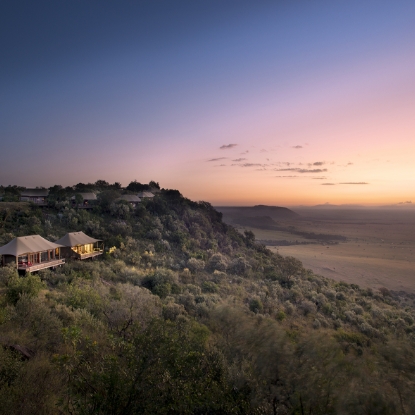
India offers something unusual for the wildlife traveller: three very different big cat experiences within a single country, each demanding a different approach, a different landscape and a different quality of attention. A sophisticated tiger reserve network, high-altitude snow leopard country in Ladakh, and the granite hills of Jawai, where leopards move through a lived-in landscape.
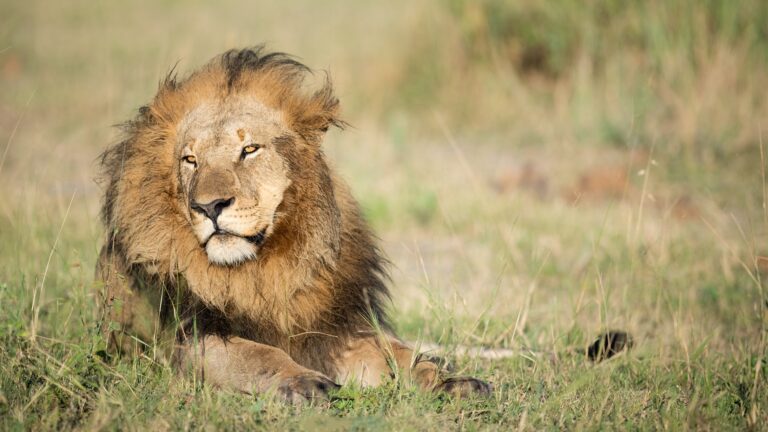
Lion
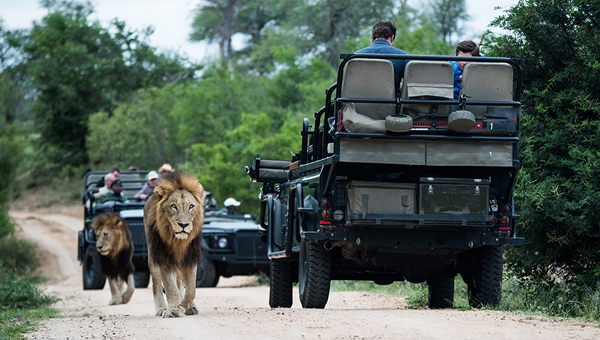
The African lion is an iconic big cat, recognized by its majestic mane in males. Lions are apex predators and live in groups called prides. They are known for their strength, stealth, and cooperative hunting strategies. Lions are often associated with bravery and royalty in various cultures.
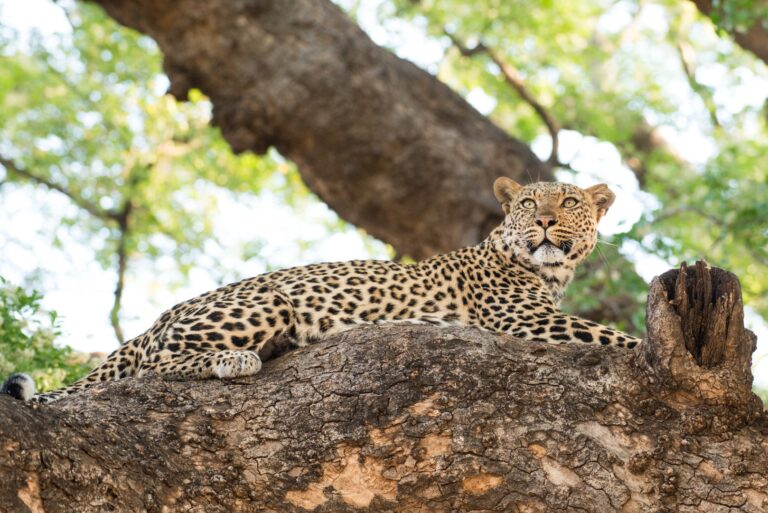
Leopard
The African leopard is a solitary and elusive big cat with a beautiful coat adorned with distinctive rosette patterns. They are skilled climbers and opportunistic predators, known for their adaptability and ability to thrive in various habitats, from forests to grasslands.

African Elephant
The African elephant is the largest land animal, known for its immense size, distinctive trunk, and prominent tusks. They are herbivores and play a crucial role in shaping and maintaining their habitats. African elephants are highly intelligent, social creatures with complex social structures.
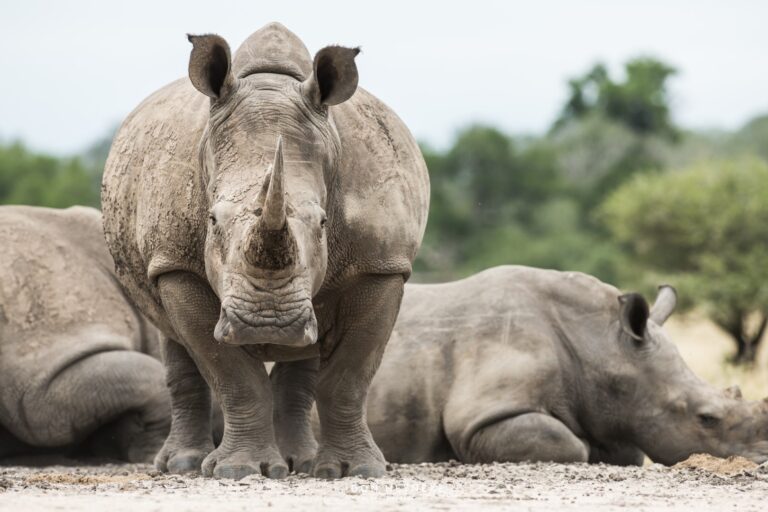
Black Rhino
Both black and white rhinoceroses are large, thick-skinned herbivores with two distinctive horns on their heads. Rhinos are critically endangered due to poaching for their horns, which are highly valued in illegal markets. They are essential for the ecosystem and are known for their gentle demeanor.
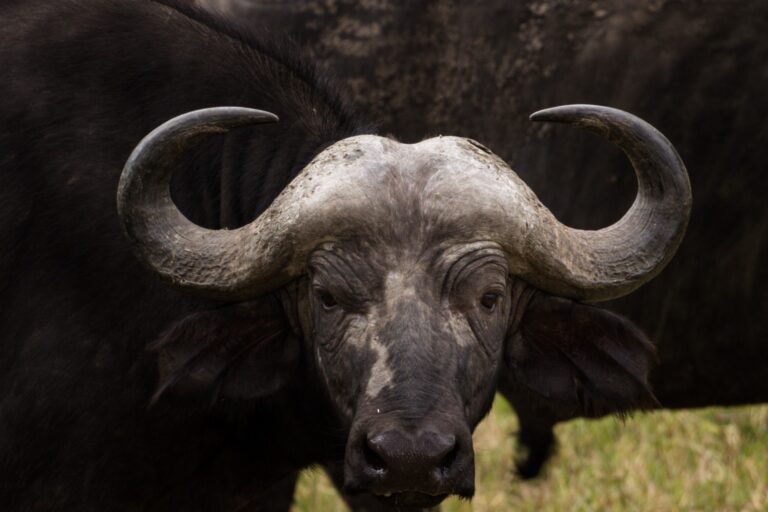
African Buffalo
The African buffalo is a robust herbivore with a distinctive, large, and curving set of horns. They often live in large herds and are known for their unpredictable behavior, making them one of the most dangerous animals to hunt. Buffaloes are vital to the ecosystem, shaping vegetation patterns through their grazing habits.
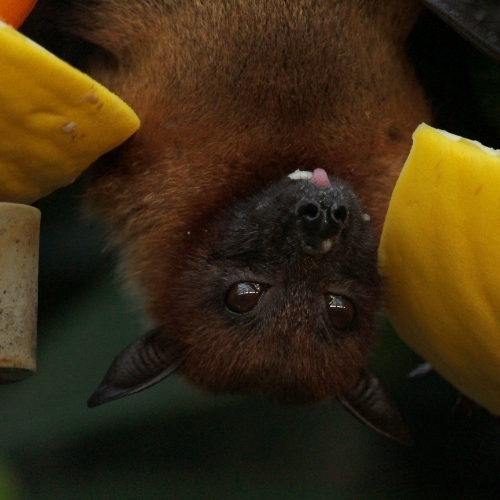
Bat Migration
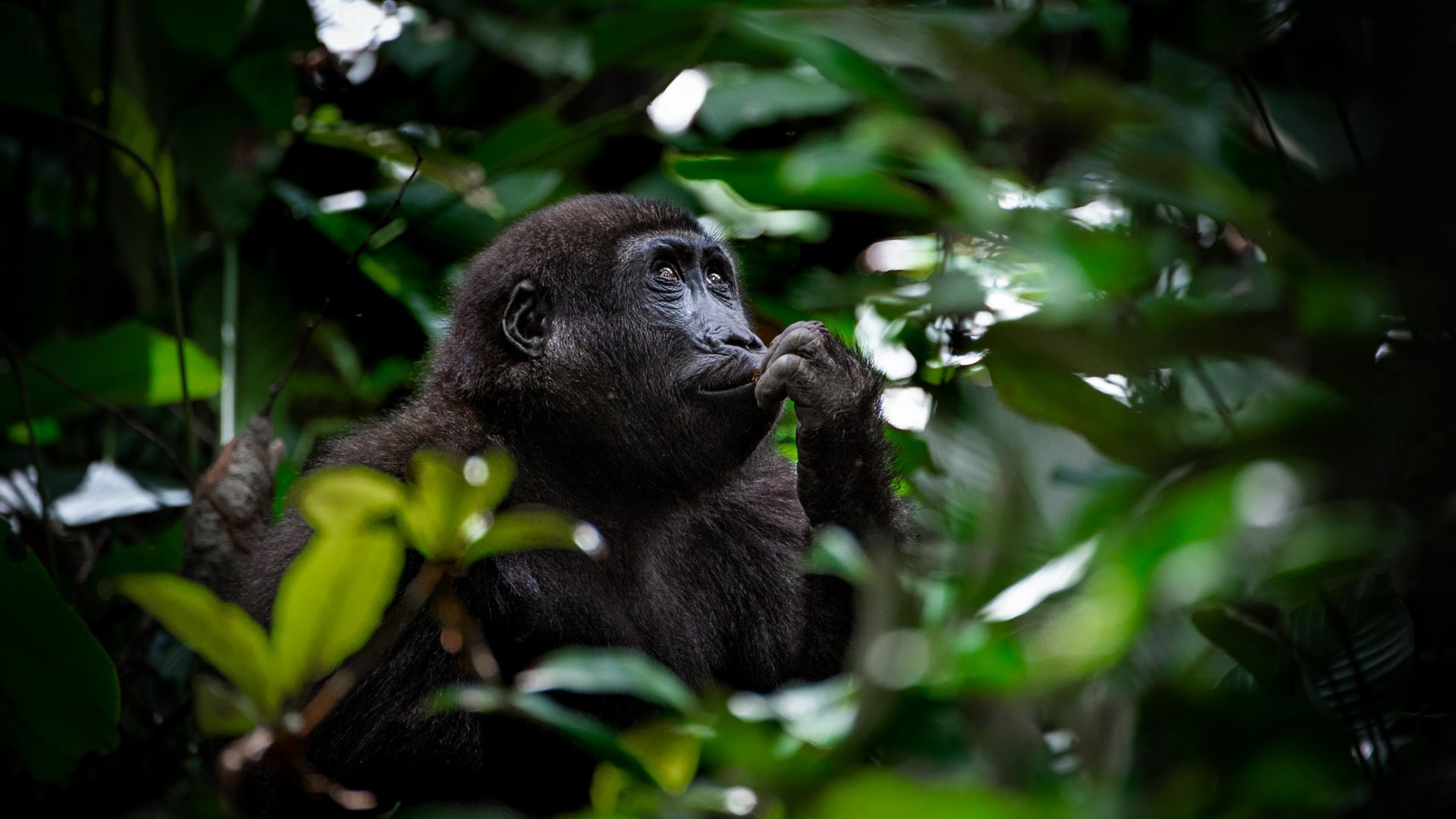
The Congo Basin Expedition

Arctic Expeditions for Polar Bears

South American Expeditions