
.jpg)
.jpg)
.jpg)
.jpg)
.jpg)
.jpg)


.jpg)

.jpg)
.jpg)

.jpg)


.jpg)
.jpg)
.jpg)
.jpg)
.jpg)
.jpg)
.jpg)
.jpg)
.jpg)
.jpg)
.jpg)
.jpg)
.jpg)
.jpg)
.jpg)
.jpg)
.jpg)

.jpg)
.jpg)
.jpg)
.jpg)
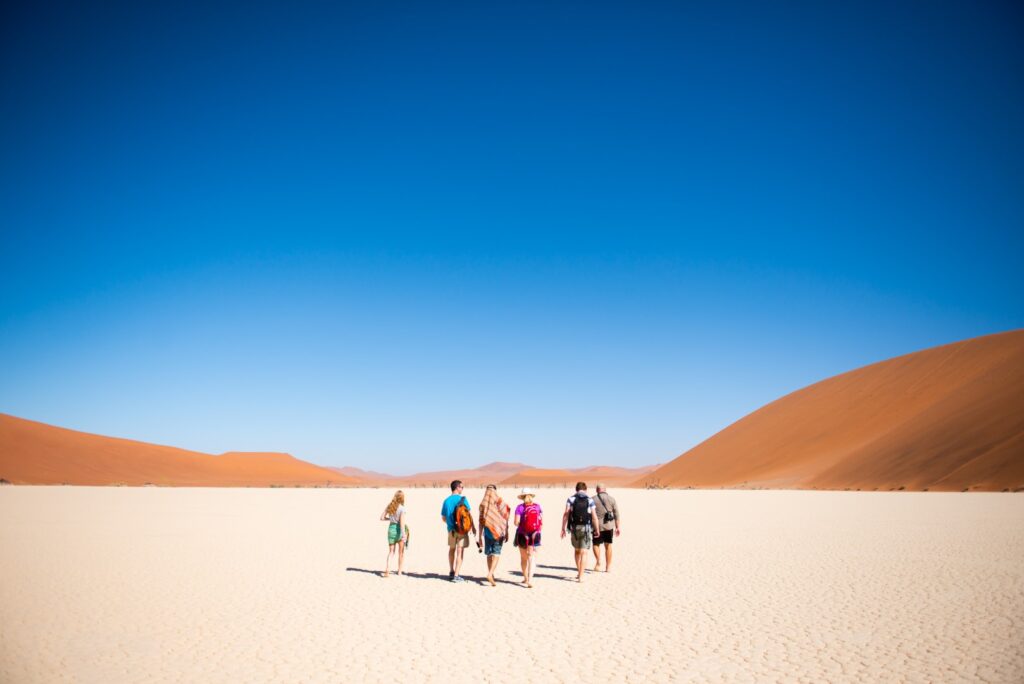

What Does Safari Mean To Us: The Escape
If you are reading this blog, you most likely know what a safari is and you may have an understanding of what a safari means but have you ever wondered where the word safari originated from? It seems nearly impossible to describe the meaning of a safari without knowing the word’s origin and the context behind it, even though everyone might have their own interpretation of safari and its meaning.
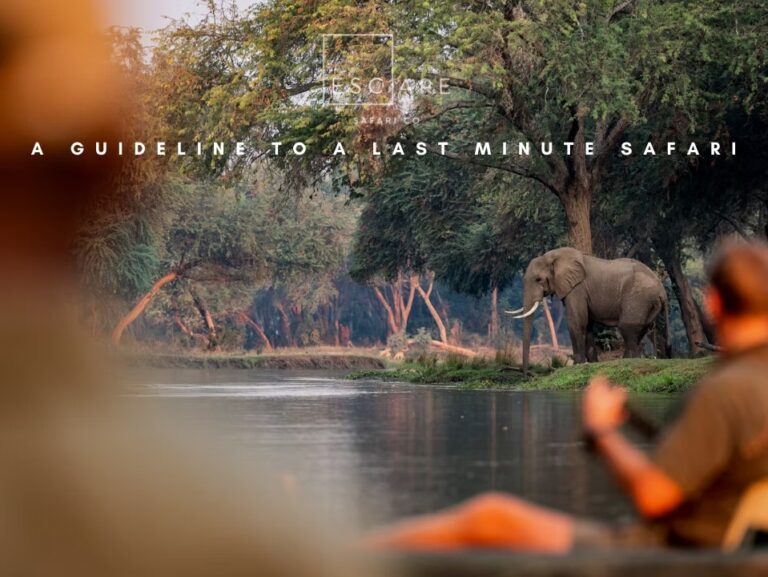
A Guideline To A Last Minute Safari
Borders have opened, wanderlust has returned, and last-minute safari trips are more possible than ever. But booking a safari weeks or days before departure requires a different approach than planning a year in advance. The key is knowing what information to gather first, which lodges actually have availability, and where to be flexible without compromising on experience. We’ve guided countless guests through rushed timelines to create remarkable journeys, and here’s what we’ve learned works best.
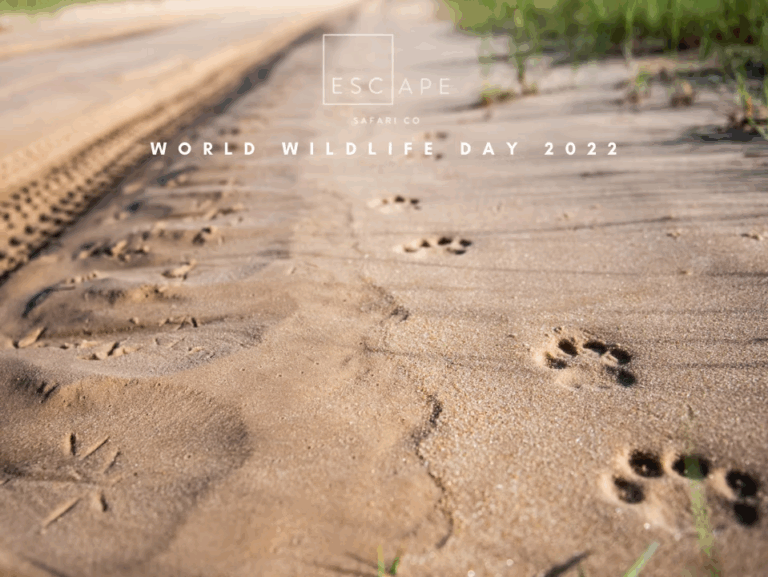
World Wildlife Day 2022
Every species plays a role, but some species do far more than that—they define entire ecosystems simply by existing. Termites aerate soil and restore nutrients. Elephants shape landscapes and create space for smaller species to thrive. Bees pollinate a quarter-million plant species. Trees stabilize the planet itself. Without these keystone species, ecosystems collapse. This World Wildlife Day, we’re exploring five critical species that hold ecosystems together, why their recovery matters, and what you can do to help restore the natural world.
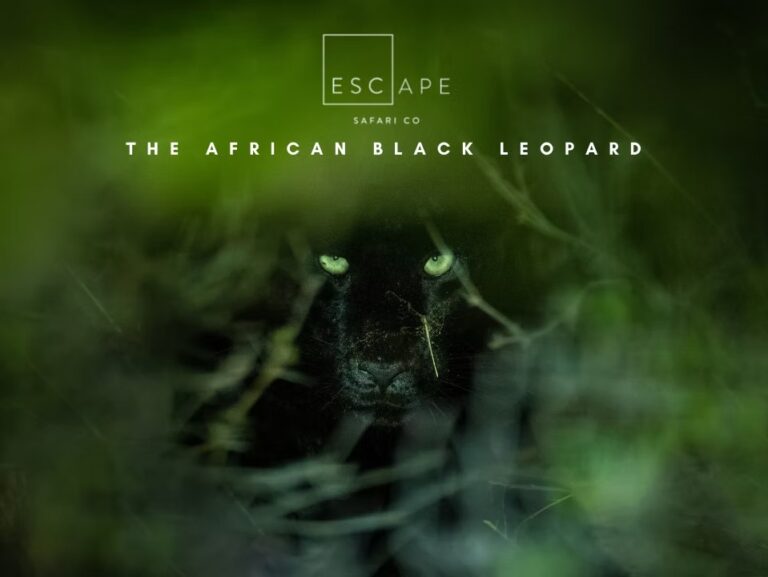
The Discovery of the African Black Leopard
For over a century, black leopards were believed to have vanished from Africa entirely. In 2018, camera traps in Kenya’s Laikipia region captured the first confirmed images in over 100 years. Two years later, we led a two-week expedition to find one in the wild. What started as a “mission impossible”—hoping for a distant sighting through binoculars—became something we never imagined: eight direct encounters with a young female black leopard, including a portrait closer than we thought possible. Here’s how we found Africa’s most elusive cat, and what those hours in her presence taught us about patience, observation, and the privilege of truly wild encounters.
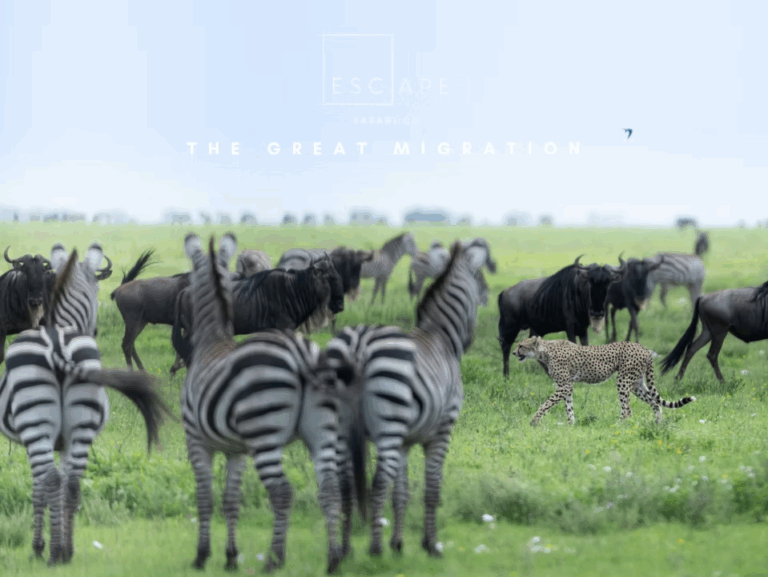
How To See The Great Migration: East African Seasonality
Every year, 1.2 million wildebeest and 600,000 zebra follow an 800-kilometre route through Tanzania and Kenya in one of the world’s largest animal movements. But timing matters enormously. The herds follow rainfall patterns that shift with the seasons—and increasingly with climate change—moving between calving grounds in the southern Serengeti, mating territories in the central region, and the dramatic river crossings of the Mara. Knowing when to go determines whether you’ll see newborn calves, fierce mating battles, or the thundering crossings where thousands face crocodile-infested waters. Here’s the complete seasonal breakdown to help you plan the migration experience you’re actually looking for.
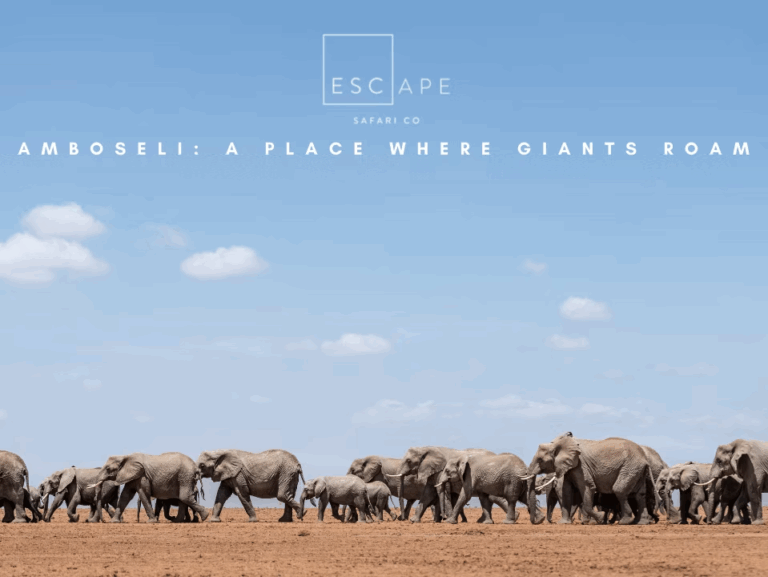
Amboseli: A Place where Giants Roam
Amboseli is defined by a single geographical fact: Mount Kilimanjaro stands 50 kilometres away, yet dominates everything. Glacial meltwater from Africa’s tallest mountain flows underground and rises through porous soils to create freshwater springs in an otherwise arid landscape. The result is a park where hundreds of elephants gather at natural oases, framed against the snowy peak of Kilimanjaro—one of Africa’s most iconic images. Unlike the crowded Maasai Mara, Amboseli offers exquisite contrasts: dusty volcanic plains punctuated by species-rich marshes, herds of up to 100 elephants moving between water sources, and moments of profound quiet where you can spend time with these intelligent, ancient creatures. Here’s what makes Amboseli essential, and when to visit for the best experience.
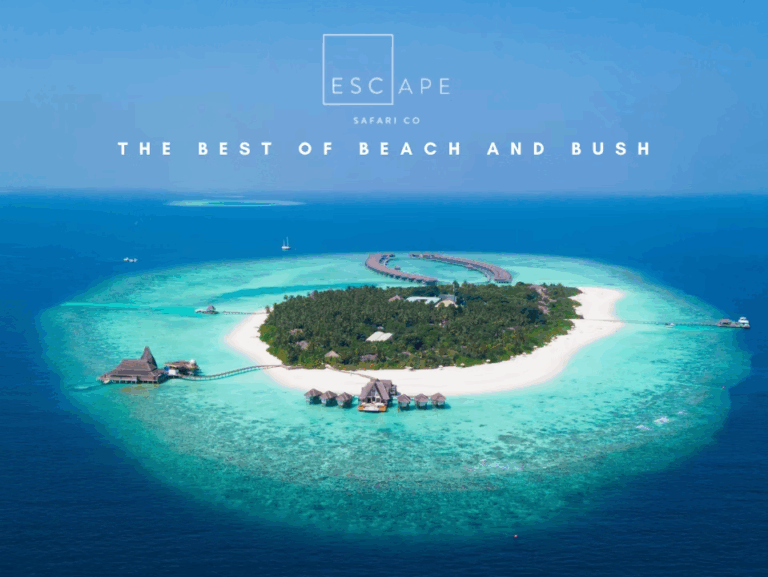
The Best of the Bush & Beach
A safari ends, and you’re ready to stop. But what if you didn’t have to choose between the bush and the beach? Africa’s best beach and bush combinations let you move between active wildlife days and genuine rest in a single trip—often on the same afternoon. The Sabi Sands leads to Mozambique’s turquoise waters. Tanzania’s Great Migration flows into Zanzibar’s spice islands and white sand beaches. Zambia’s remote national parks connect to Lake Malawi, an African Great Lake with crystal-clear waters and more fish species than any other lake in the world. Each combination offers a different rhythm: intensity and quiet, wilderness and culture, movement and stillness. Here are the combinations that work best, and why they work together.
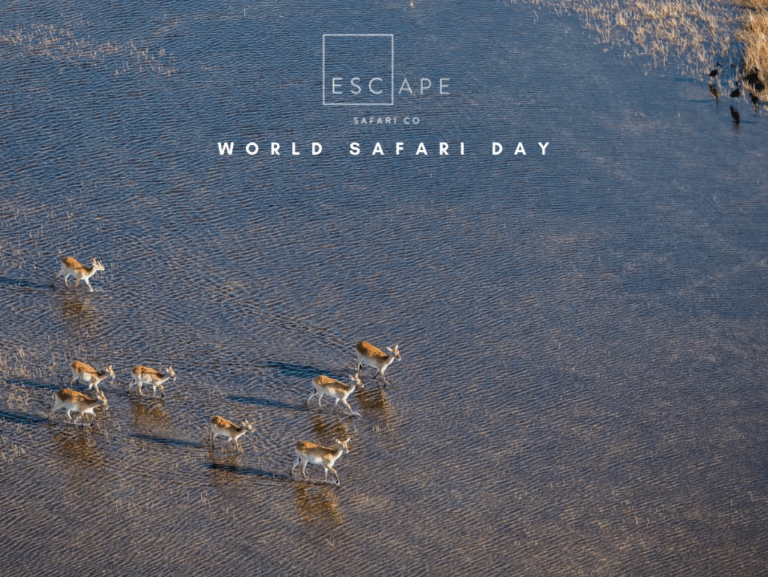
World Safari Day 2021
In 2020, as borders closed and travel halted, the safari industry stopped. But something else became clear: when tourism stops, so does the funding that keeps ecosystems protected and communities employed. World Safari Day, celebrated annually on November 25th, exists to remind us of a simple truth—safari isn’t just about wildlife encounters. It’s about the 30 million people who travel to Africa each year, the jobs created in surrounding communities, the schools and healthcare funded by tourism, and the vast tracts of land that remain viable only because they generate economic value through travel. Every guest who visits Africa on safari has a measurable impact on conservation, local livelihoods, and the future of wild places. Here’s why your safari matters beyond the sighting.
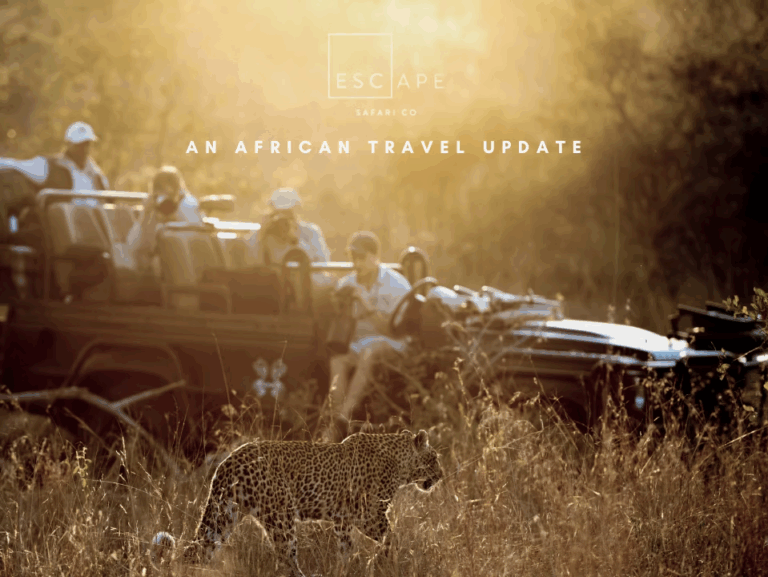
Zambia: The Heartbeat of Africa
Zambia has been kept a secret for too long. This landlocked country shares borders with eight nations and holds some of Africa’s least crowded, most authentic safari experiences—places where you can spend days on foot with relaxed elephant bulls, paddle dugout canoes through wetlands searching for prehistoric Shoebills, or track leopards hunting from Sausage trees. We recently spent three weeks crossing Zambia by aircraft, boat, canoe, and foot, moving between three distinct ecosystems: the Winterthorn forests and river valleys of Lower Zambezi, the vast Bangweulu Wetlands where 60,000 black lechwe live alongside local communities, and South Luangwa, home to the world’s most documented leopard population. Each region offers something different—intimacy, rarity, wilderness—and together they reveal why those who know Zambia understand what the country has been protecting. Here’s what we found.