.jpg)
.jpg)
.jpg)
.jpg)
.jpg)
.jpg)
.jpg)


.jpg)

.jpg)
.jpg)

.jpg)

.jpg)

.jpg)
.jpg)
.jpg)
.jpg)
.jpg)
.jpg)
.jpg)
.jpg)
.jpg)
.jpg)
.jpg)
.jpg)
.jpg)
.jpg)
.jpg)
.jpg)
.jpg)

.jpg)
.jpg)
.jpg)
.jpg)
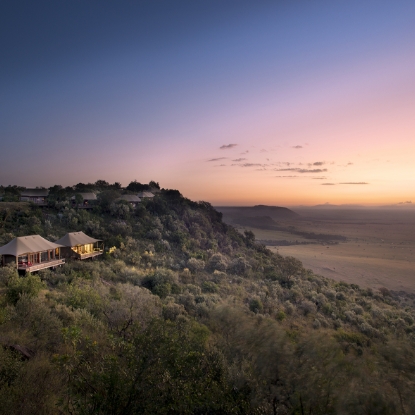

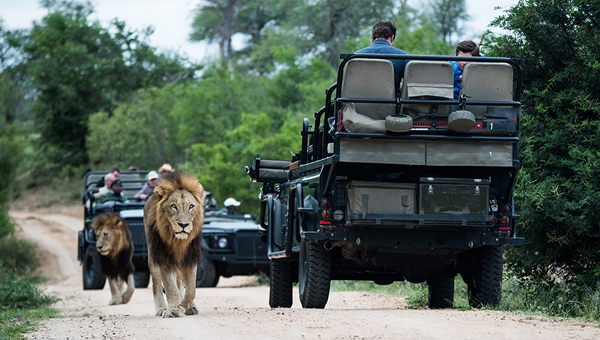
For high-end travellers, Kenya stands out for the quality of its guiding, the sophistication of its conservancy model and the depth of experience available beyond the vehicle. Walking, horseback riding, camel safaris, community visits, fly-camping and hot-air ballooning can all fit naturally into a single journey. Kenya is both iconic and endlessly renewable.
EXPLORE Kenya
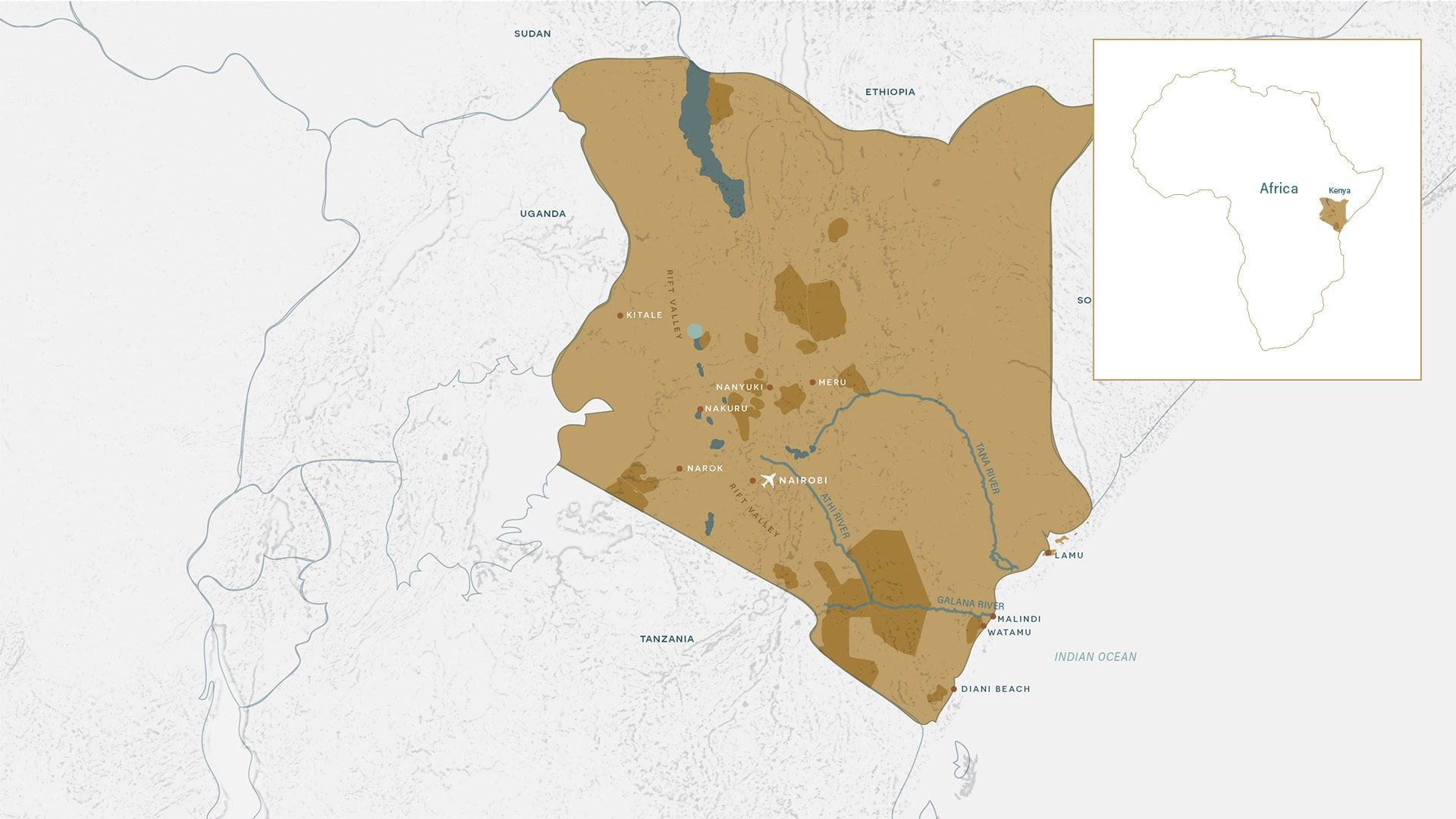
Maasai Mara National Reserve
Mara Conservancies
Amboseli National Park
Tsavo East National Park
Tsavo West National Park
Mount Kenya National Park
Aberdare National Park
Samburu National Reserve
Sera Conservancy
Namunyak Conservancy
Sibiloi National Park
Meru National Park
Chyulu Hills National Park
Shimba Hills National Park
Arabuko Sokoke National Park
Marsabit National Park
Laikipia Plateau
Mount kenya
Lake Magadi
Lake Naivasha
Lake Nakuru
Lake Baringa
Lake Turkana
Lake Victoria
Lake Natron
Mount Elgon
Mount Kilimanjaro
Rift Valley
Athi River
Tana River
Galana River
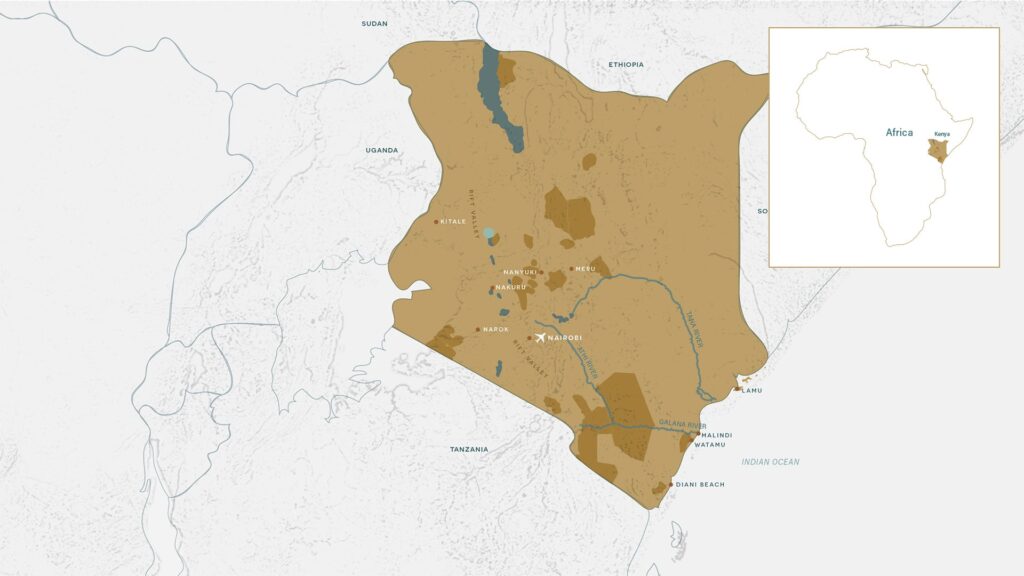
KEY FACTS FOR Kenya
Kenya’s coast offers a very different second chapter to safari. Swahili culture, dhow sailing and coral reefs add richness to an itinerary.
The country is exceptionally strong for families and multi-generational travel. Activities are broad and service standards in leading camps are excellent.
Population Size
Approx. 53.5 million
Geographic Size
Approx. 582,646 sq km
Capital
Nairobi
Currency
Kenyan Shilling (KES)
Offical Language
Swahili and English
Best time to visit
June to October for classic safari and the Mara migration; January to March for warm, clear conditions in many regions
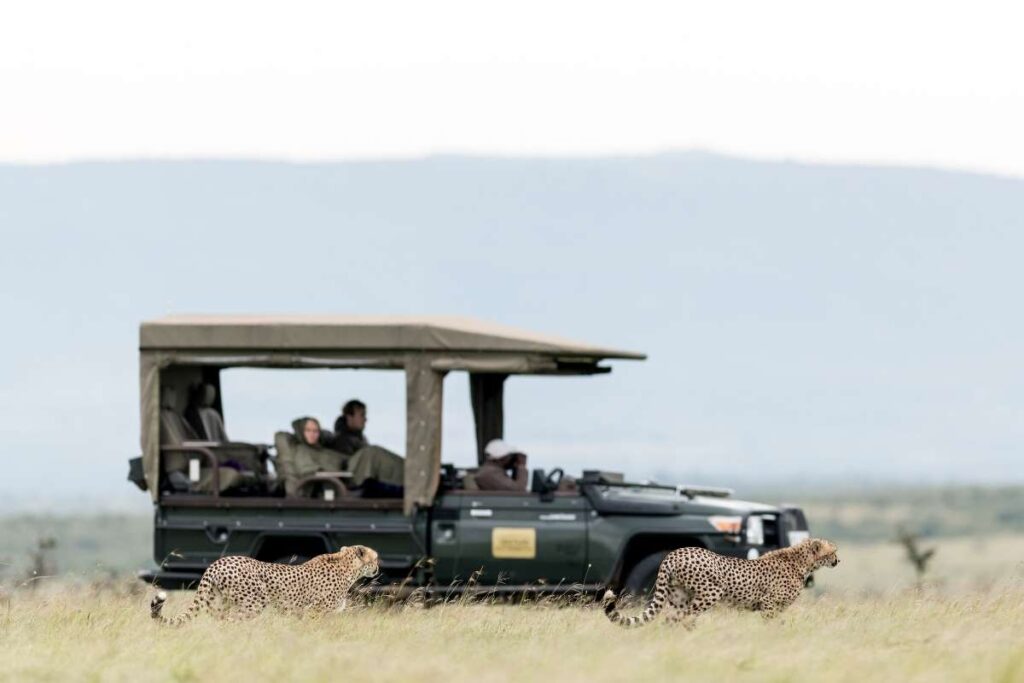
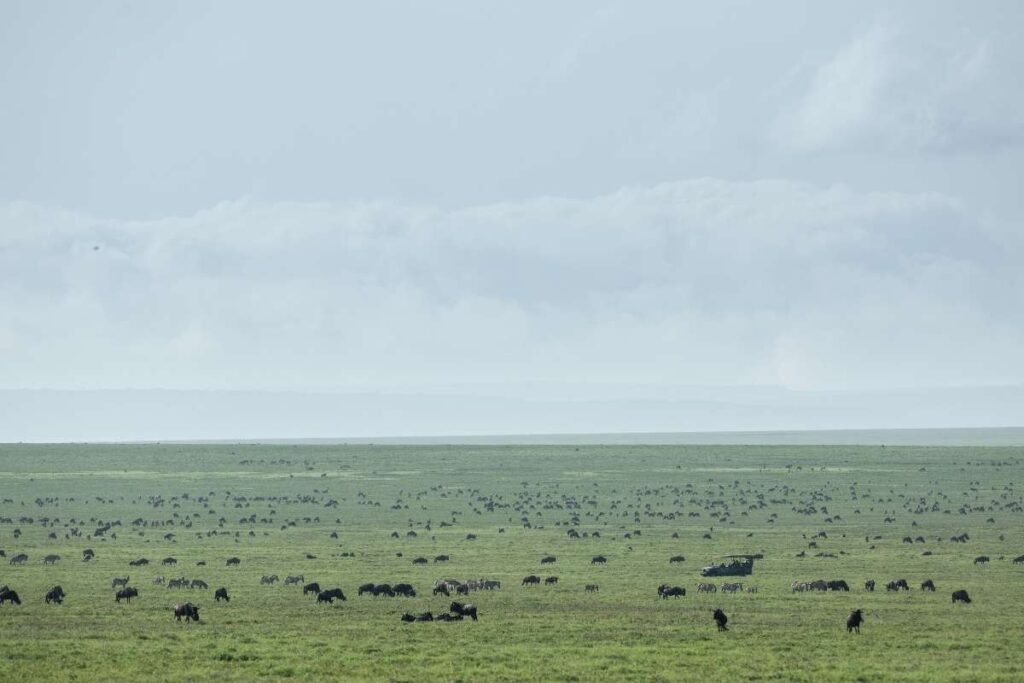
The Maasai Mara is only one part of the story.
Private conservancies and northern regions add depth, exclusivity and contrast.
01
02
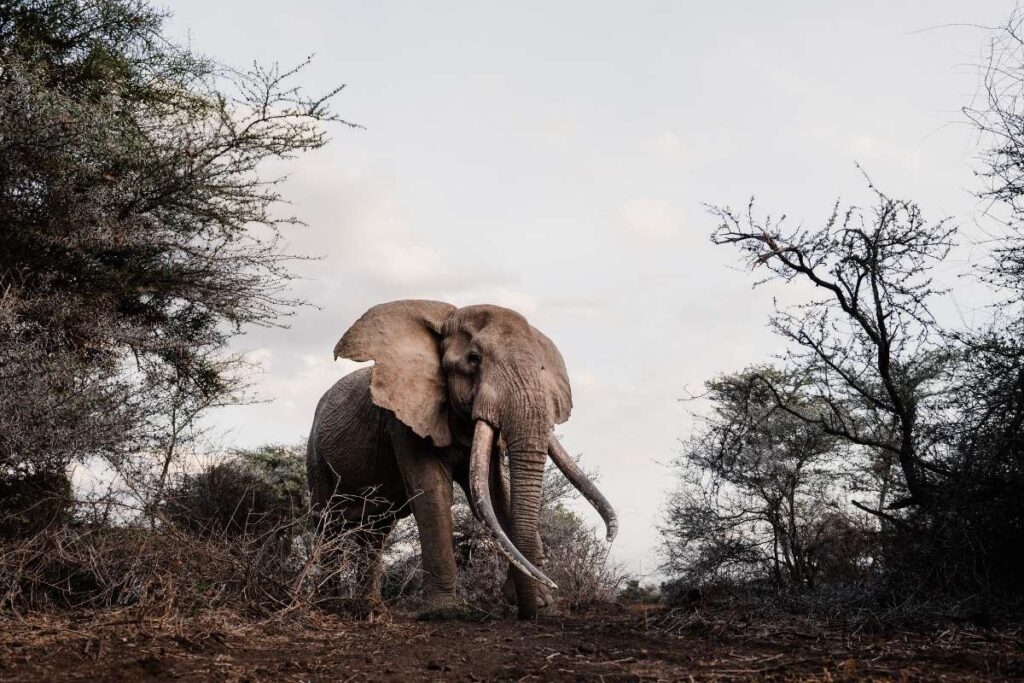
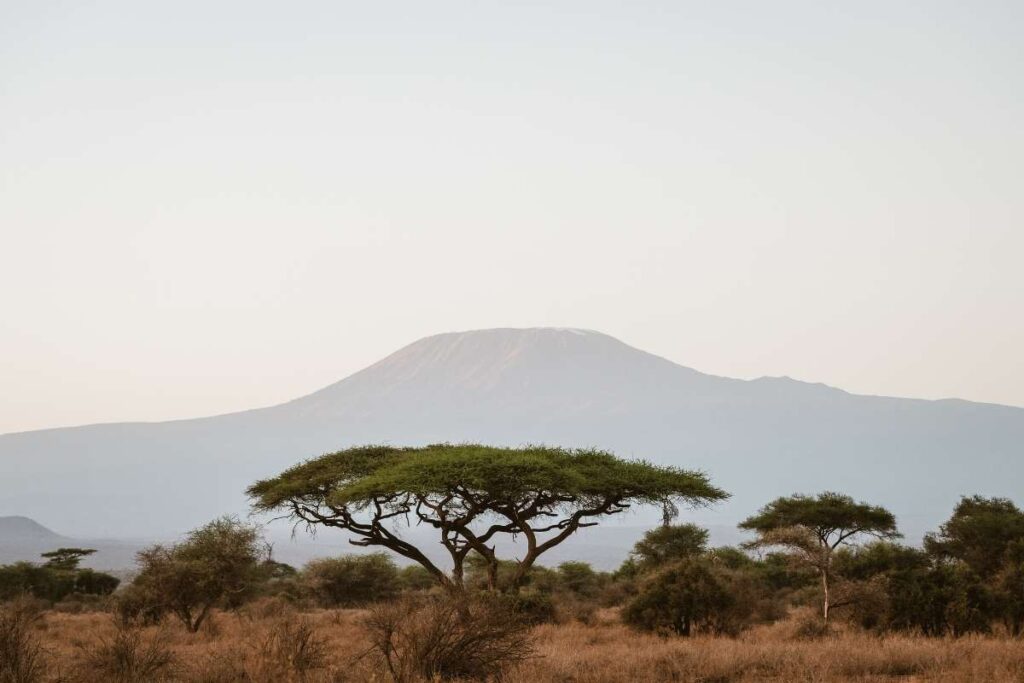
Amboseli is one of Africa’s classic elephant landscapes.
It is particularly famous for views of Kilimanjaro.
03
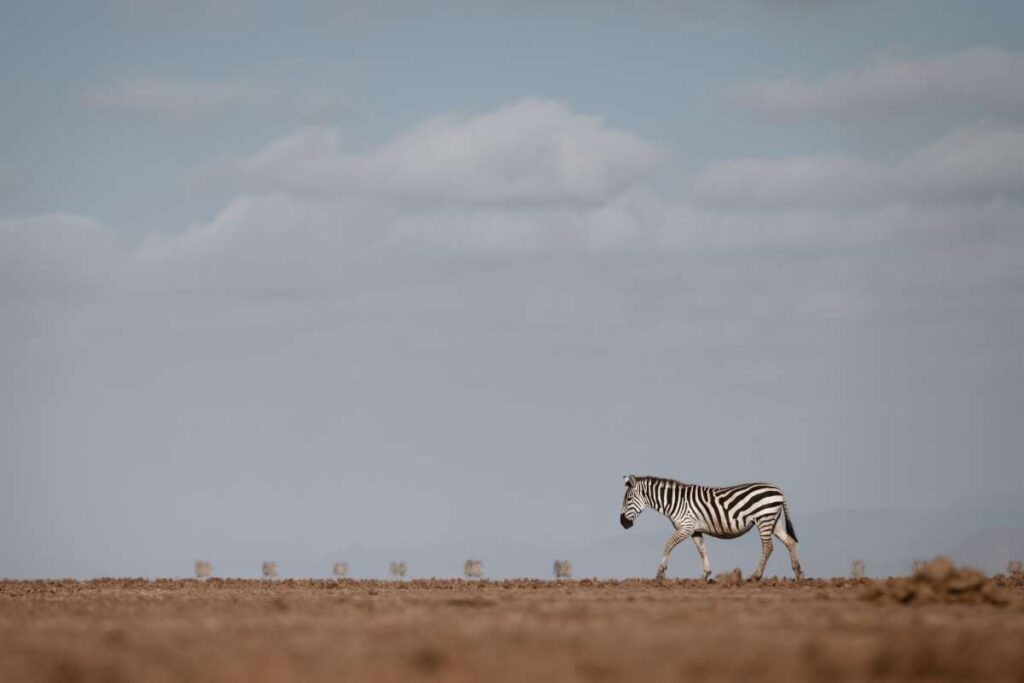
Laikipia is a conservation success story built around private and community conservancies.
04
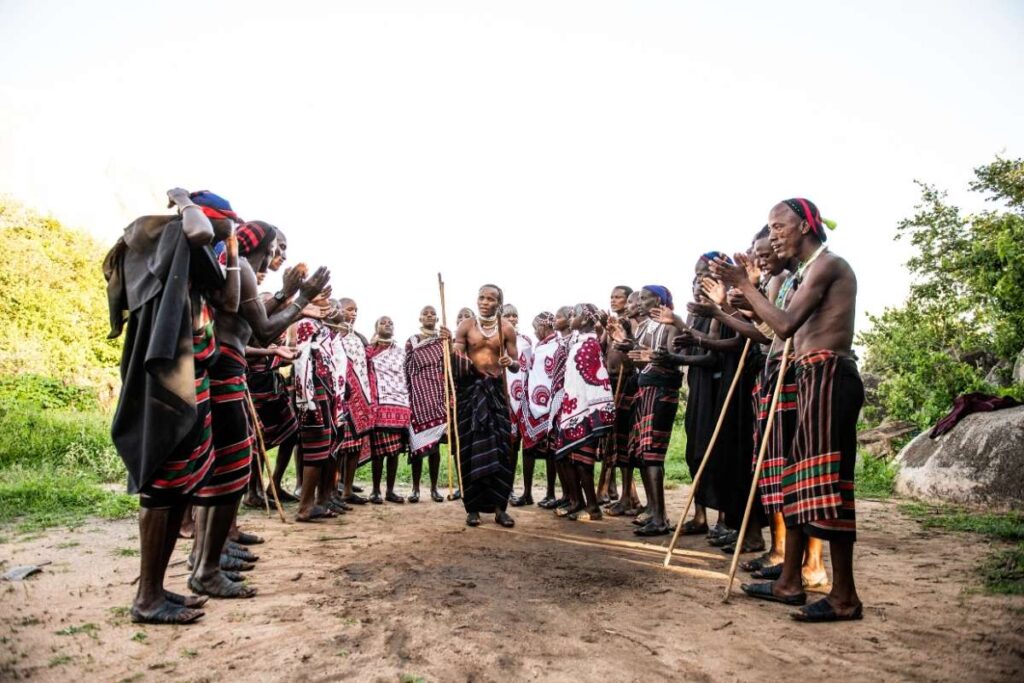
Kenya helped define the idea of safari for the modern world.
Overview
Reasons to Visit
02
Habitats
Amboseli
03
WILDLIFE
Amboseli
Big-tusked Elephants
Lion
Cheetah
Buffalo
Hyena
Zebra
Wildebeest
04
ACTIVITIES
Amboseli
Outstanding elephant photography with Kilimanjaro views
Game drives across open, easily readable terrain
Cultural encounters with Maasai communities in suitable programmes
Excellent short safari before moving north or on to the coast
05
WEATHER
Amboseli
- WET SEASON
- DRY SEASON
- Jan
- Feb
- Mar
- Apr
- May
- Jun
- Jul
- Aug
- Sep
- Oct
- Nov
- Dec
Overview
Reasons to Visit
02
Habitats
Laikiapia
03
WILDLIFE
Laikiapia
Black Rhino
White Rhino
Lion
Leopard
Grevy's Zebra
Giraffe
African Wild Dog
04
ACTIVITIES
Laikiapia
Private-guided game drives with low vehicle density
Walking safaris, camel safaris and horseback riding in some properties
Helicopter access or scenic transfers for top-end itineraries
Strong family, honeymoon and repeat-traveller appeal
A highly complementary contrast to the Mara
05
WEATHER
Laikiapia
- WET SEASON
- DRY SEASON
- Jan
- Feb
- Mar
- Apr
- May
- Jun
- Jul
- Aug
- Sep
- Oct
- Nov
- Dec
Overview
Reasons to Visit
02
Habitats
Lake Nakuru
03
WILDLIFE
Lake Nakuru
White Rhino
Black Rhino
Rothschild's Giraffe
Lion
Leopard
Buffalo
Flamingos
04
ACTIVITIES
Lake Nakuru
Scenic game drives in a relatively compact park
Rhino-focused viewing and photography
Easy inclusion on a route between Nairobi, Laikipia and the Mara
Good stop for birders and travellers interested in Rift Valley landscapes
05
WEATHER
Lake Nakuru
- WET SEASON
- DRY SEASON
- Jan
- Feb
- Mar
- Apr
- May
- Jun
- Jul
- Aug
- Sep
- Oct
- Nov
- Dec
Overview
Reasons to Visit
03
WILDLIFE
Lamu Island
Dolphins
Seabirds
Shorebirds
04
ACTIVITIES
Lamu Island
Dhow sailing at sunset or on multi-hour island cruises
Wandering Lamu Old Town’s UNESCO-listed lanes
Long, slow days on Shela Beach
Excellent post-safari decompression with real character and romance
05
WEATHER
Lamu Island
- WET SEASON
- DRY SEASON
- Jan
- Feb
- Mar
- Apr
- May
- Jun
- Jul
- Aug
- Sep
- Oct
- Nov
- Dec
Overview
Reasons to Visit
03
WILDLIFE
Mara Conservancies
Lion
Cheetah
Elephant
Buffalo
Giraffe
04
ACTIVITIES
Mara Conservancies
Low-density safari with a more exclusive feel than the reserve itself
Night drives and walking in many conservancies
Off-road tracking in some areas
Strong community-conservation story and beautifully run small camps
05
WEATHER
Mara Conservancies
- WET SEASON
- DRY SEASON
- Jan
- Feb
- Mar
- Apr
- May
- Jun
- Jul
- Aug
- Sep
- Oct
- Nov
- Dec
Overview
Reasons to Visit
02
Habitats
Masai Mara
03
WILDLIFE
Masai Mara
Wildebeest
Lion
Leopard
Cheetah
Elephant
Buffalo
Hippo
04
ACTIVITIES
Masai Mara
Game drives focused on cats and migration behaviour
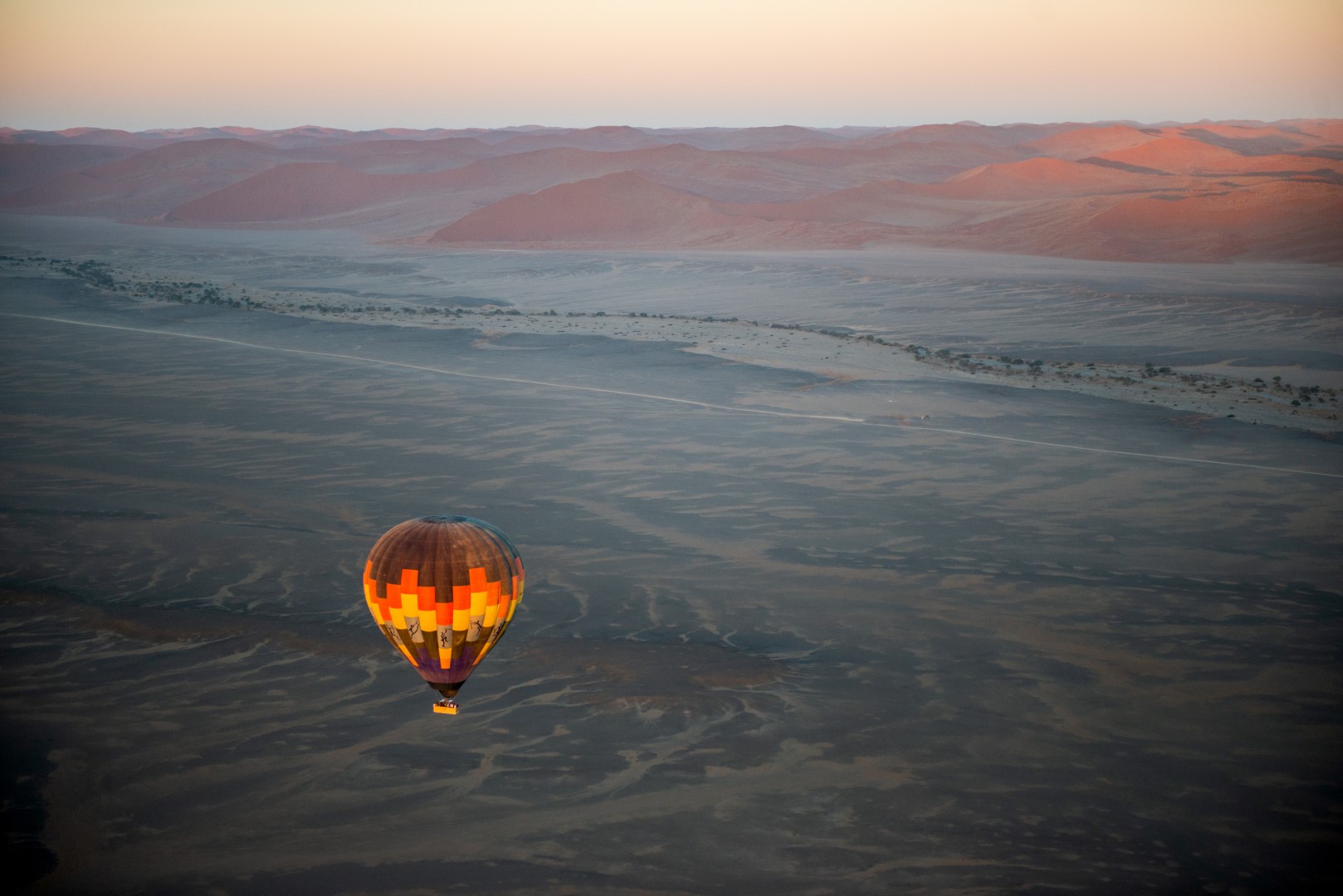
Hot-air balloon safaris at dawn
Classic East African safari atmosphere and iconic open-plains scenery
Best for travellers who want the name, the drama and the broadest wildlife spectacle
05
WEATHER
Masai Mara
- WET SEASON
- DRY SEASON
- Jan
- Feb
- Mar
- Apr
- May
- Jun
- Jul
- Aug
- Sep
- Oct
- Nov
- Dec
Overview
Reasons to Visit
03
WILDLIFE
Samburu Kenya
Grevy's Zebra
Reticulated Giraffe
Beisa Oryx
Somali Ostrich
Elephant
Lion
Leopard
04
ACTIVITIES
Samburu Kenya
Seeking the “northern specials” absent from southern parks
Beautiful light, rugged scenery and distinctive portrait photography
Cultural depth through Samburu-led experiences where appropriate
Excellent pairing with Laikipia or the Mara for ecological contrast
05
WEATHER
Samburu Kenya
- WET SEASON
- DRY SEASON
- Jan
- Feb
- Mar
- Apr
- May
- Jun
- Jul
- Aug
- Sep
- Oct
- Nov
- Dec
01
Tsavo
Overview
Reasons to Visit
03
WILDLIFE
Tsavo
Red Dusted
Lion
Leopard
Buffalo
Giraffe
Black Rhino
04
ACTIVITIES
Tsavo
Broad-scope safari in a grand, less manicured setting
Mzima Springs, Shetani Lava Flow and dramatic geology in Tsavo West
Easy bush-and-beach connections to the coast
A strong choice for travellers wanting scale and variety rather than only headline species
05
WEATHER
Tsavo
- WET SEASON
- DRY SEASON
- Jan
- Feb
- Mar
- Apr
- May
- Jun
- Jul
- Aug
- Sep
- Oct
- Nov
- Dec
Overview
Reasons to Visit
03
WILDLIFE
Watamu
Reef Fish
Turtles
Dolphins
Whale Sharks
Humpback Whales
04
ACTIVITIES
Watamu
Snorkelling, diving and private dhow excursions
Kitesurfing, paddleboarding and creek exploration
Beach stays that work well for families and couples alike
A lovely Indian Ocean finale to a Kenya safari itinerary
05
WEATHER
Watamu
- WET SEASON
- DRY SEASON
- Jan
- Feb
- Mar
- Apr
- May
- Jun
- Jul
- Aug
- Sep
- Oct
- Nov
- Dec

Kenya FAQ's
Q: Do I need Kenya’s electronic travel authorisation before departure, and how early should I apply?
Most foreign visitors now need Kenya’s electronic travel authorisation before travel, and that includes children and infants. Processing is often quick, but for a polished trip it is wise to apply at least several days ahead and preferably with more buffer than that. Use the official platform and treat the approval as something to have in hand before you leave home, not something to chase at the airport.
Q: Will I need yellow fever proof because of my route into or out of Kenya?
Yellow fever rules depend on where you are arriving from or transiting through, so the risk is shaped by route as much as destination. Guests arriving directly from Europe or the Gulf often have a simpler process than those combining Kenya with other African countries. If your itinerary touches a yellow-fever-risk country, plan on carrying the certificate rather than assuming it will not be checked.
Q: Are there any extra entry considerations if I am arriving for safari and then continuing on to the coast?
If you are arriving into Kenya for safari and then continuing to the coast within Kenya, there is usually no separate immigration process beyond normal domestic travel. What does matter is airline timing, baggage allowances and whether your domestic carrier is stricter than your long-haul airline. If you are then continuing beyond Kenya to another country or island, that onward destination may introduce its own visa or health formalities.
Q: Is malaria prophylaxis recommended for my safari areas or beach extension?
For many safari areas and most coastal extensions, malaria planning is part of standard preparation. Nairobi on its own is a different discussion, but once you are heading to the Mara, Amboseli, Samburu, Laikipia lowlands or the coast, a travel doctor will usually assess the whole itinerary rather than one stop in isolation. In practical terms, many Kenya safari-and-beach journeys are planned on the assumption that prophylaxis may be appropriate.
Q: Are private hospitals and air-evacuation arrangements easy to access from the areas I’m considering?
Kenya is well served by private hospitals in Nairobi and Mombasa, and many high-end camps have strong relationships with flying medical services. That makes the country reassuring by African safari standards, but remote camps are still remote, so proper evacuation cover remains important. For older guests, families and celebratory travelers, that back-up network is one of Kenya’s real advantages.
Q: Are safari flights, game drives and bush walks comfortable for families, grandparents or younger children?
Yes, if you choose the right camps and logistics. Safari flights are usually short and manageable, private vehicles transform the comfort level for families, and the best lodges know how to adapt game drives for children or grandparents. The only caveat is that some walks, camel activities or minimum age rules mean the itinerary should be designed around the youngest or least mobile guest.
Q: Should I stay in the Maasai Mara reserve itself or in one of the conservancies?
For most luxury travelers, the conservancies are the more refined answer. They typically offer fewer vehicles, more privacy, night drives, off-road flexibility and a stronger sense of exclusivity, while the reserve itself still matters for certain migration moments and iconic landscapes. If you want the classic Mara with a higher-end feel, a conservancy base is often the smartest compromise.
Q: How strict are safari flight baggage limits, and do I need soft-sided luggage throughout?
Yes – baggage limits on safari flights are often properly enforced, and soft-sided luggage is the safest assumption throughout. Around 15 kg inclusive of hand luggage is still a common planning benchmark, even though the exact allowance varies by carrier and route. Guests with camera gear or long-stay wardrobes should plan for laundry and restraint rather than rigid suitcases.
Q: Is it realistic to combine the Mara with Amboseli, Laikipia or Samburu on one trip without too much transit time?
It is realistic, but the number of regions should match the trip length. Over eight to twelve nights, the Mara plus one or two contrasting areas such as Laikipia, Amboseli or Samburu can work beautifully if you are flying; squeeze more in and the trip starts revolving around airstrips. Kenya is at its best when each ecosystem has time to feel distinct.
Q: Is my month better for the Great Migration, predator action, greener landscapes or fewer crowds?
If you are chasing the Migration itself, later dry-season months are the obvious headline. If you care more about greener landscapes, softer light, lower rates and a quieter feel, Kenya’s shoulder periods can be deeply rewarding. The country is strong in more than one season, but each month emphasizes a different version of the safari.
Q: Are hot-air ballooning, private vehicles and photographic vehicles worth prioritising for this trip?
For many high-end guests, yes. A balloon safari is not mandatory, but it is memorable for honeymooners and first-timers; a private vehicle is often worth every cent because it transforms flexibility; and photographic vehicles matter if the group is genuinely image-led rather than simply keen on good pictures. These are not vanity add-ons if they are aligned with how the party wants to travel.
Q: Should I end in Watamu, Lamu or stay safari-only for a more seamless luxury experience?
Watamu is usually the easier, more seamless beach extension, while Lamu is more atmospheric, characterful and transfer-sensitive. If the trip is short and safari is the main event, ending on the coast is not compulsory; Kenya can stand perfectly well as a safari-only journey. The best answer depends on whether you want your final note to be beach ease or coastal romance.