.jpg)
.jpg)
.jpg)
.jpg)
.jpg)
.jpg)
.jpg)


.jpg)

.jpg)
.jpg)

.jpg)

.jpg)

.jpg)
.jpg)
.jpg)
.jpg)
.jpg)
.jpg)
.jpg)
.jpg)
.jpg)
.jpg)
.jpg)
.jpg)
.jpg)
.jpg)
.jpg)
.jpg)
.jpg)

.jpg)
.jpg)
.jpg)
.jpg)
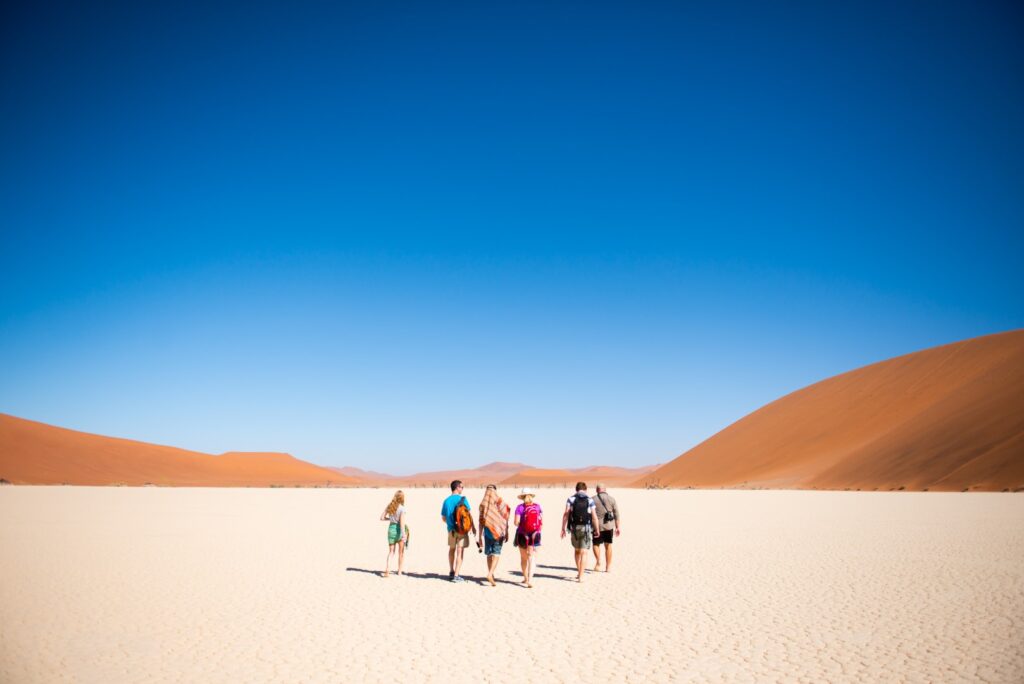
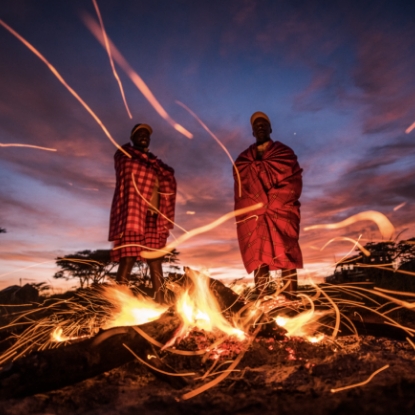
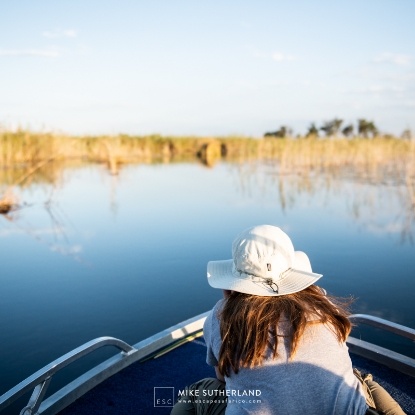
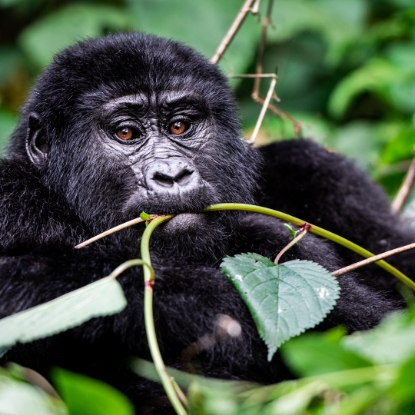
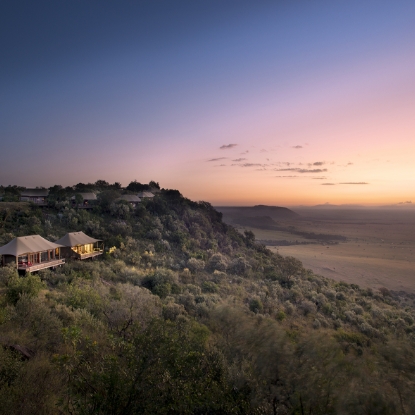
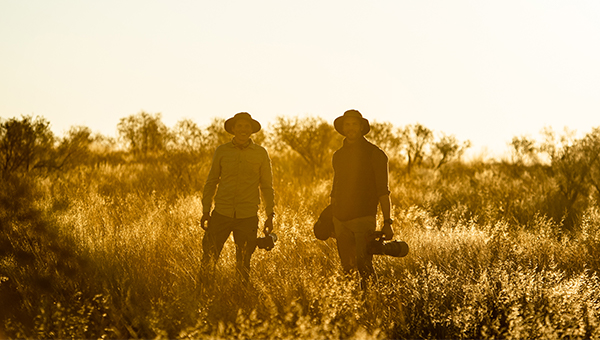
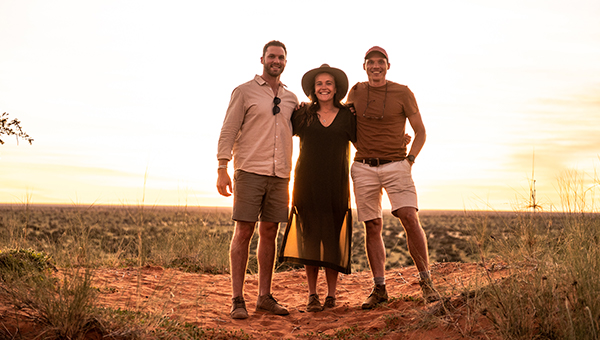
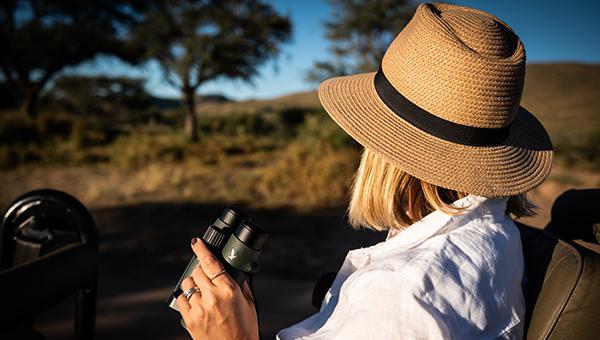
Africa has been inspiring photographers since the first cameras were carried into the bush. The light, the landscapes, the wildlife and the sheer unpredictability of the natural world combine to create conditions that are unlike anything a photographer can experience anywhere else on earth. Whether you are a seasoned wildlife photographer or someone who simply wants to come home with images that genuinely reflect what you saw and felt, a photographic safari with Escape Safari Co. will change the way you see through a lens.
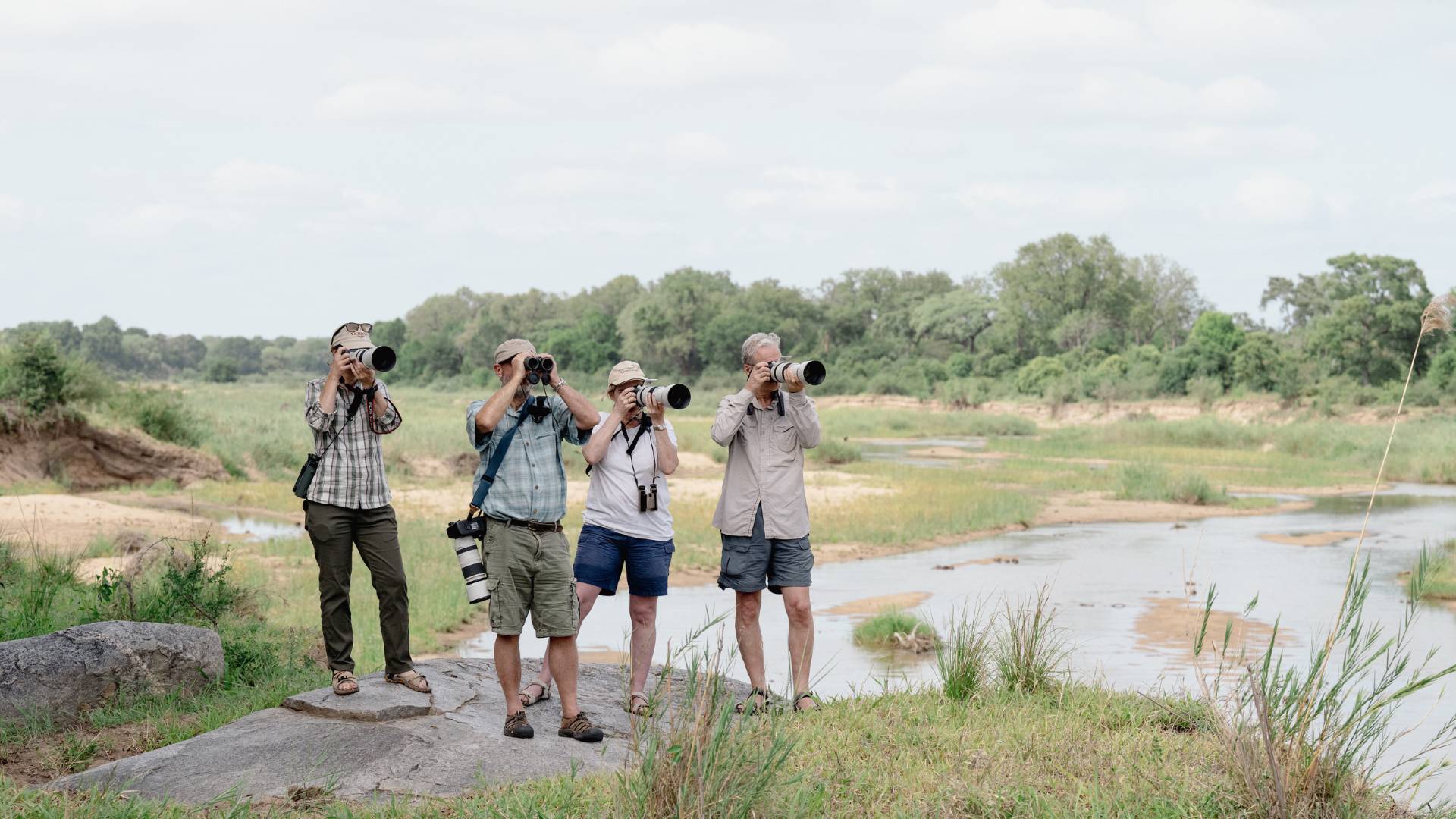
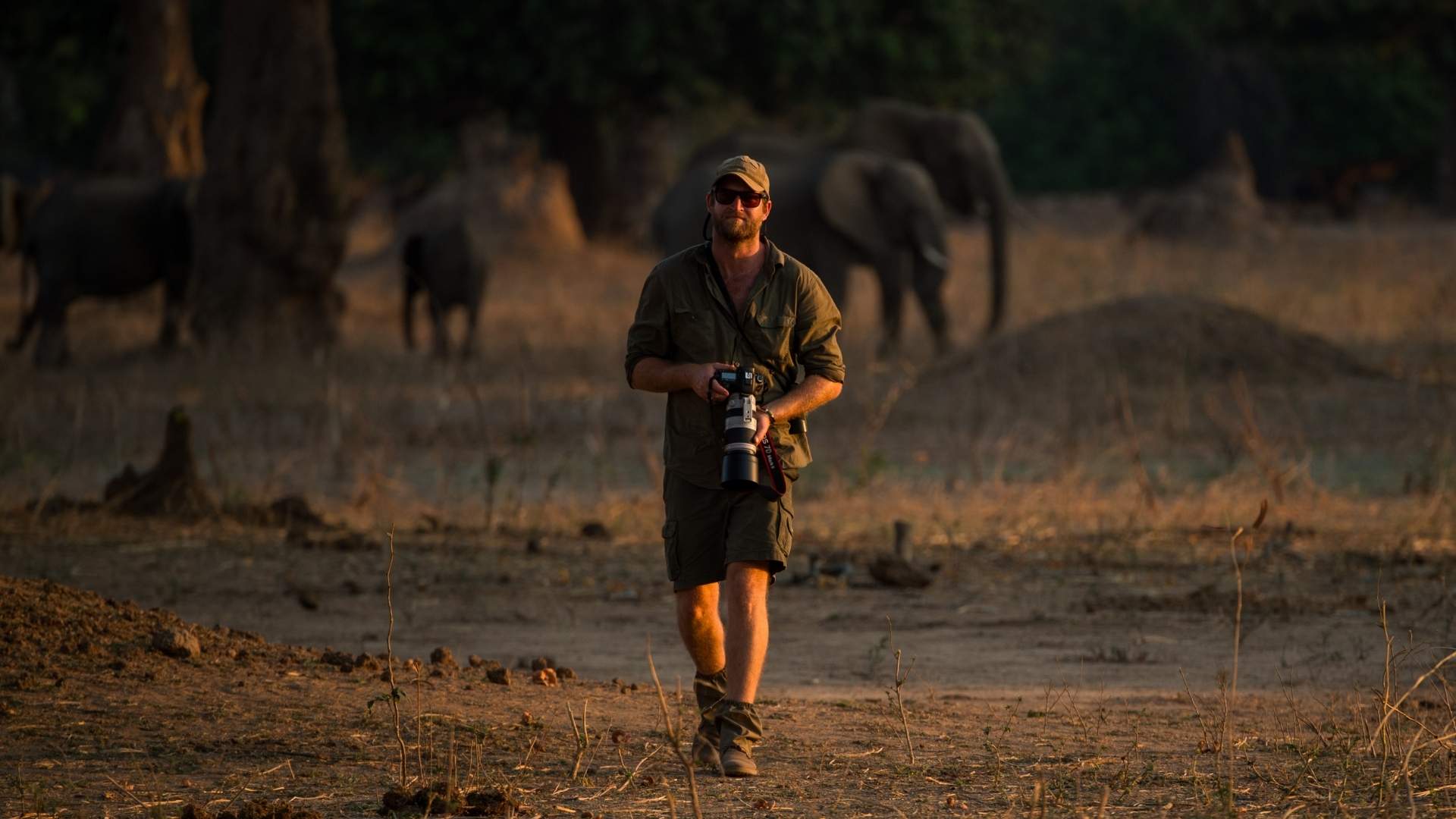
TECHNIQUE AND TECHNICALITY
Understanding your equipment is the foundation of everything. Prior to departure, your guide will work with you one on one to ensure you are confident with the technical aspects of your camera (exposure, shutter speed, aperture, ISO) so that when the moment arrives, the mechanics are instinctive and your full attention is on the subject in front of you.
Read More
PRESENCE
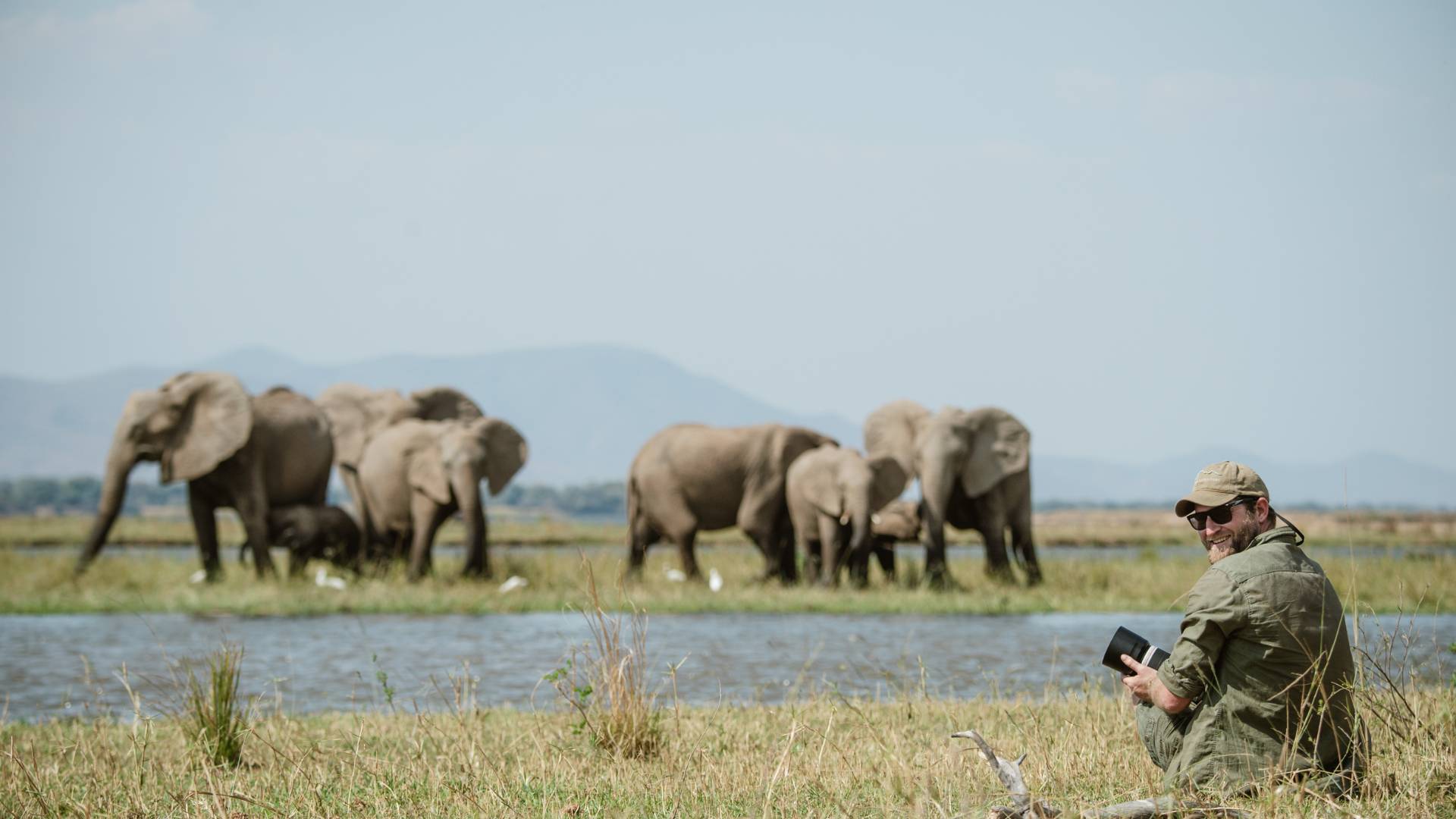
Photography is a creative process filled with excitement and discovery but this can sometimes overshadow the reason you are in nature in the first place. Our guides place a strong emphasis on being present, being ethical and being genuinely connected to the environment around you.
Read More
ANIMAL BEHAVIOUR & DEVELOPING YOUR CREATIVE EYE
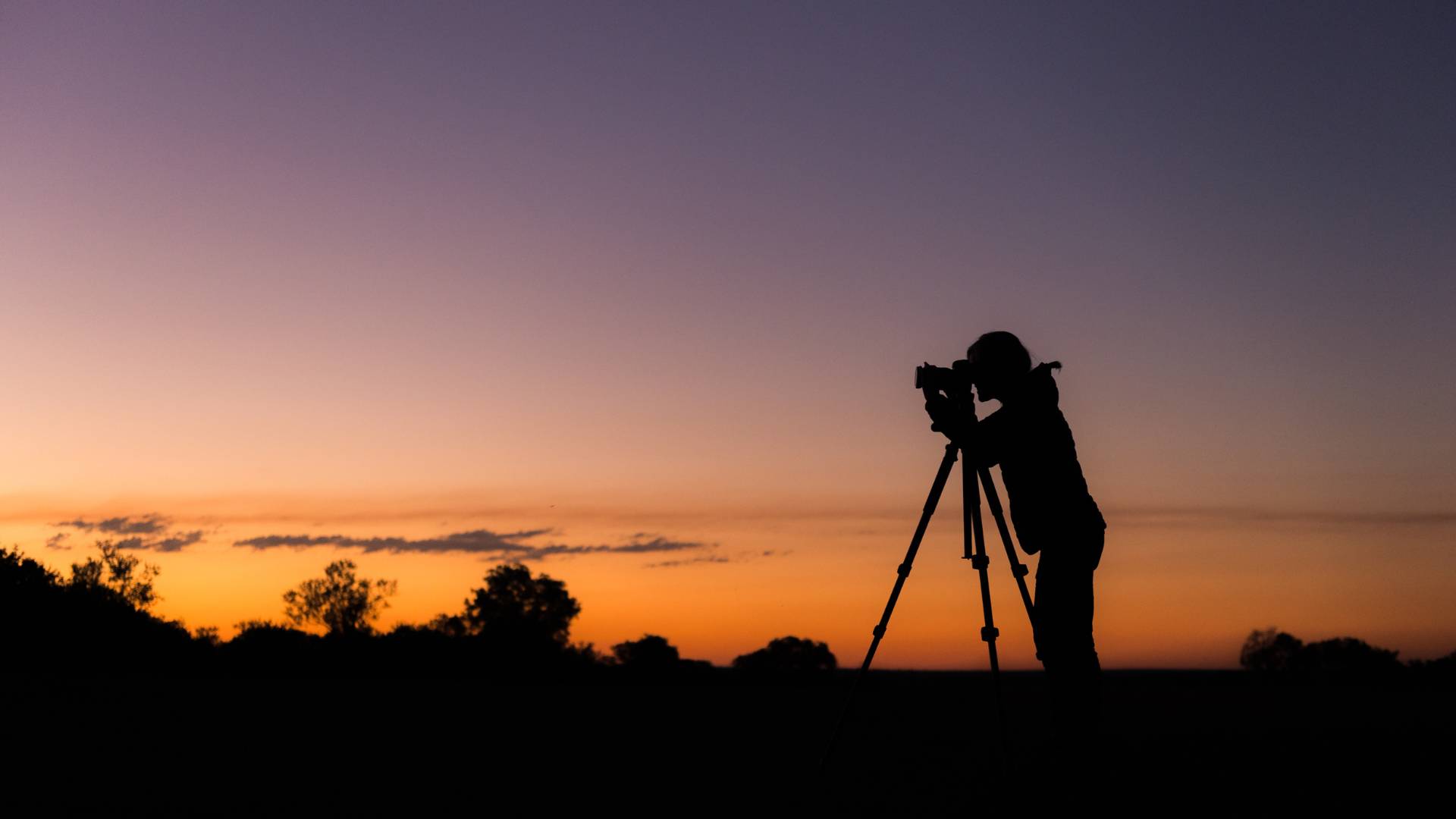
Knowing when to press the shutter is more important than knowing how. Our photographic guides understand animal behaviour and use that knowledge to position you for images that go beyond the record shot. Recognising an opportunity before it fully reveals itself is a skill that develops over years in the field. Travelling with a guide who already has it accelerates that process considerably.
Read More
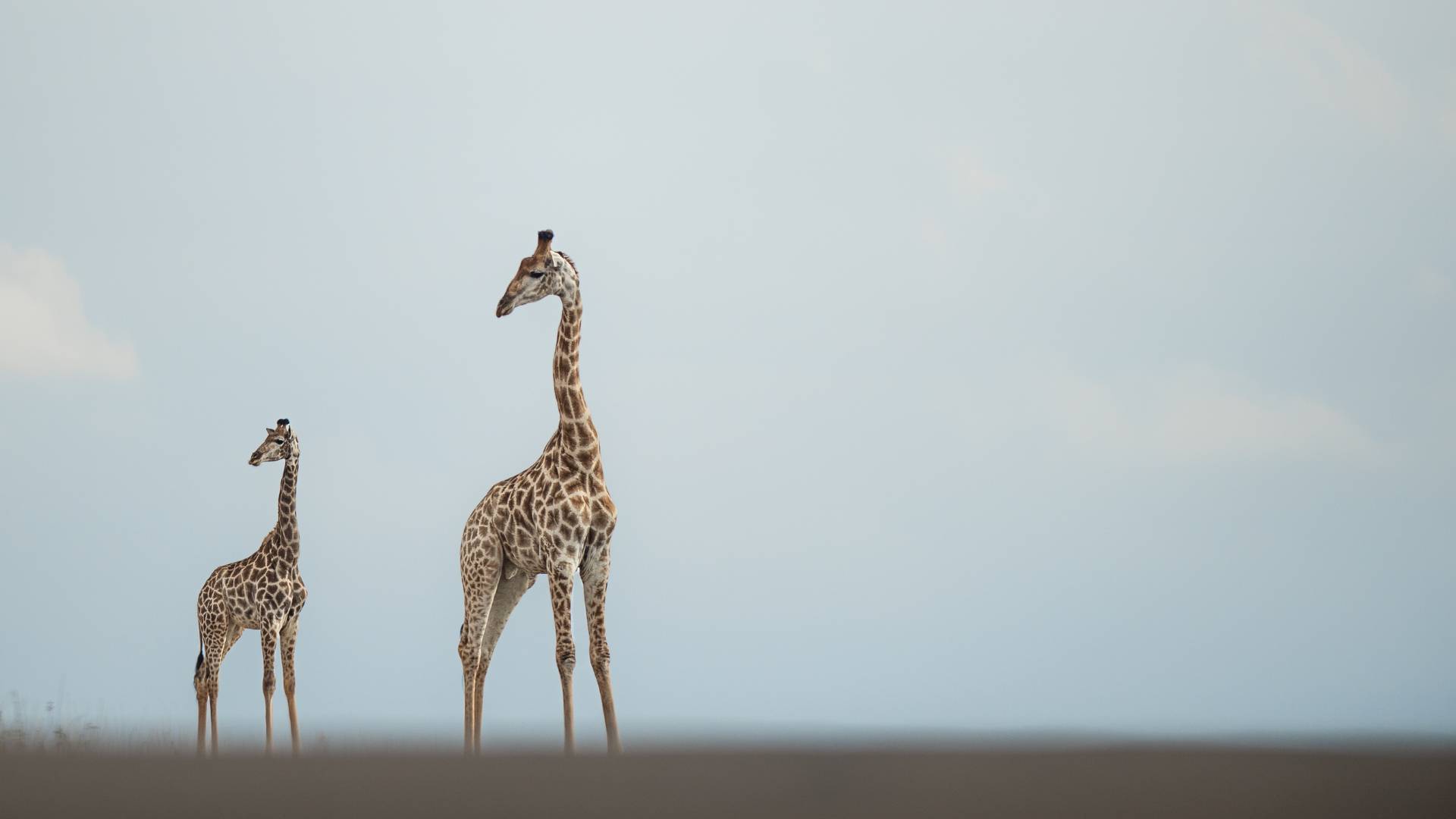
POST-PROCESSING
A great image in the field is only the beginning. Our guides have a thorough working knowledge of Lightroom and the post-processing techniques that allow you to realise the full potential of what you captured without misrepresenting the reality of what you saw. This is a subtle art in its own right, and one that our guides are happy to work through with you during quieter moments on safari.
Read More
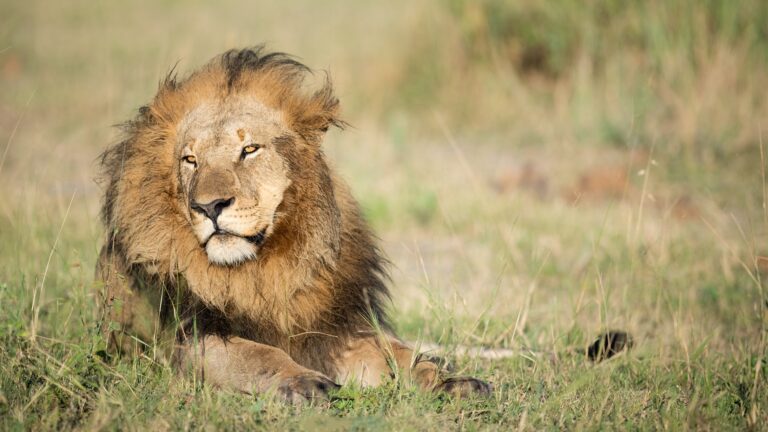
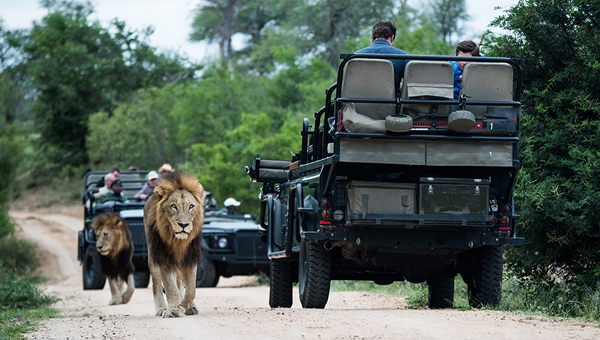
Lion
The African lion is an iconic big cat, recognized by its majestic mane in males. Lions are apex predators and live in groups called prides. They are known for their strength, stealth, and cooperative hunting strategies. Lions are often associated with bravery and royalty in various cultures.
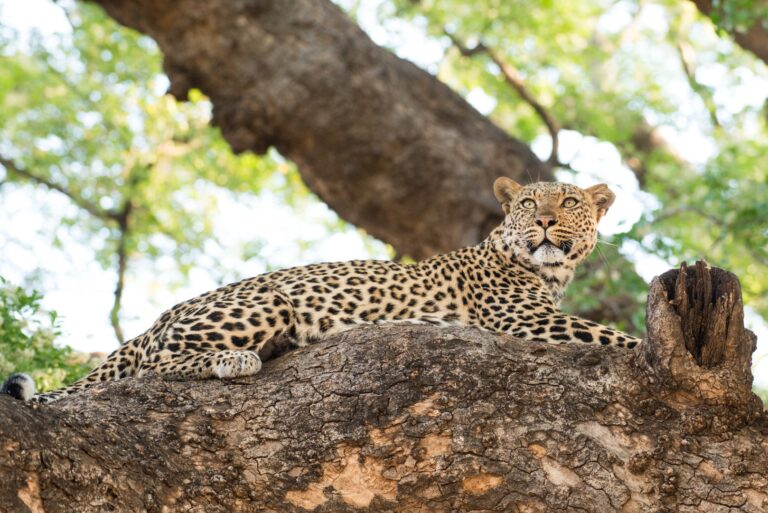
Leopard
The African leopard is a solitary and elusive big cat with a beautiful coat adorned with distinctive rosette patterns. They are skilled climbers and opportunistic predators, known for their adaptability and ability to thrive in various habitats, from forests to grasslands.

African Elephant
The African elephant is the largest land animal, known for its immense size, distinctive trunk, and prominent tusks. They are herbivores and play a crucial role in shaping and maintaining their habitats. African elephants are highly intelligent, social creatures with complex social structures.
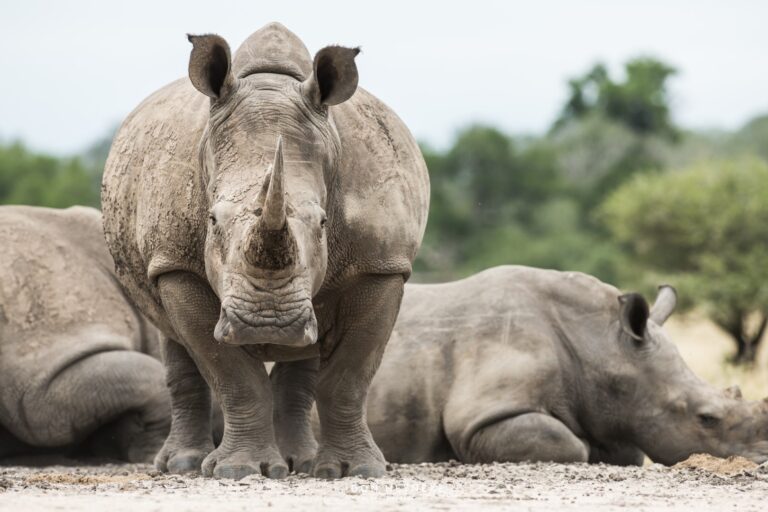
Black Rhino
Both black and white rhinoceroses are large, thick-skinned herbivores with two distinctive horns on their heads. Rhinos are critically endangered due to poaching for their horns, which are highly valued in illegal markets. They are essential for the ecosystem and are known for their gentle demeanor.
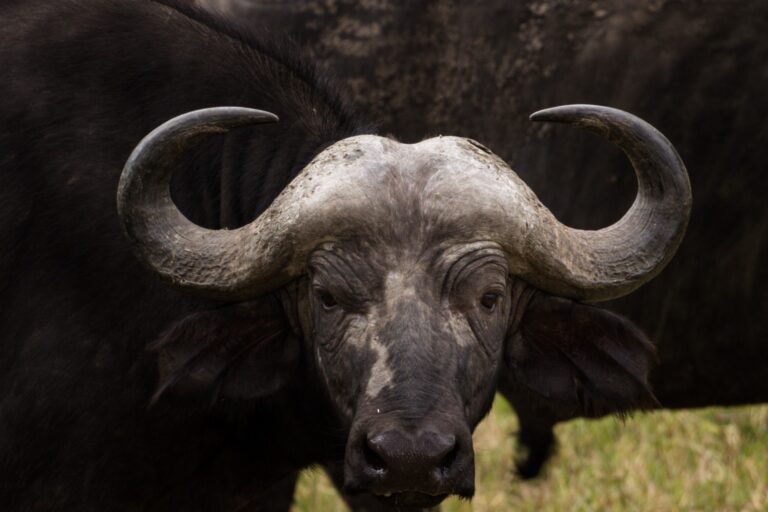
African Buffalo
The African buffalo is a robust herbivore with a distinctive, large, and curving set of horns. They often live in large herds and are known for their unpredictable behavior, making them one of the most dangerous animals to hunt. Buffaloes are vital to the ecosystem, shaping vegetation patterns through their grazing habits.

Leopards in India
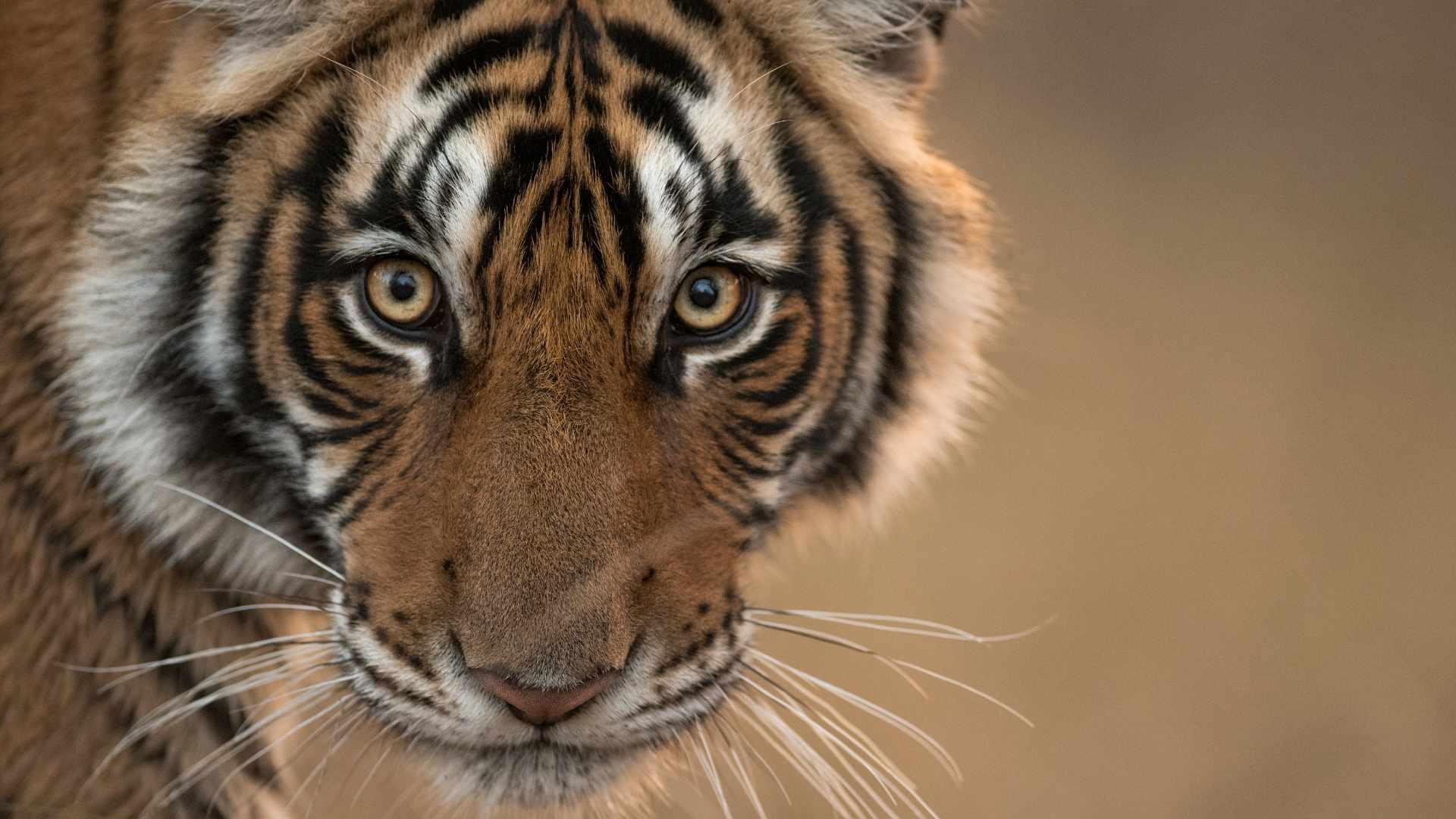
Tigers in India

Snow Leopards in India
Pumas in Patagonia
Jaguars in Brazil
Gabon Expedition
Fly Fishing in Seychelles
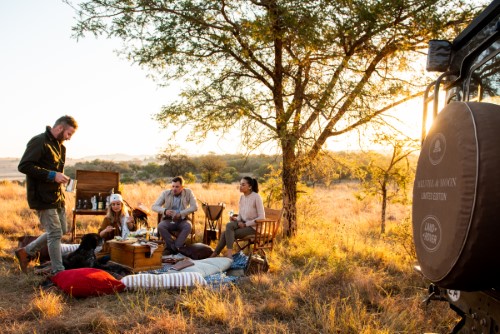
Group & Incentive Travel
Privately Guided
Family Safaris