
.jpg)
.jpg)
.jpg)
.jpg)
.jpg)
.jpg)


.jpg)

.jpg)
.jpg)

.jpg)


.jpg)
.jpg)
.jpg)
.jpg)
.jpg)
.jpg)
.jpg)
.jpg)
.jpg)
.jpg)
.jpg)
.jpg)
.jpg)
.jpg)
.jpg)
.jpg)
.jpg)
.jpg)
.jpg)
.jpg)
.jpg)
Our blog is where we share what we’re learning, what we’re noticing, and what’s worth knowing before you go. Field notes, destination guides, seasonal updates.
Every great safari begins with a single conversation. Whenever you’re ready, we’re here.
We only work in wild places we’re committed to protecting. Here’s what that looks like in practice.

The Country
Rwanda is one of Africa’s most polished and accessible high-end wildlife destinations. Compact, scenic and well organised. It offers mountain gorilla trekking in Volcanoes National Park, chimpanzee and primate experiences in Nyungwe, and a rewilded Big Five safari in Akager…all within a country that can be crossed relatively quickly. The landscapes are beautiful, the hospitality is warm, and the overall travel experience feels well-curated.
Rwanda is particularly appealing because it combines depth of experience with high-end stays. Gorilla trekking here is world-class, but the country is at its best when combined with multiple destinations, each offering something unique: a few nights in Kigali, a traditional safari in Akagera, forest hiking in Nyungwe, lake time on Kivu and then the misty slopes of Volcanoes.
Where to go
Volcanoes National Park is Rwanda’s flagship wilderness and one of the world’s great places to encounter mountain gorillas. The Virunga volcanoes rise through layers of mist, bamboo and forest, creating a setting that feels almost mythic.
Akagera is Rwanda’s safari surprise: a beautiful savanna-and-lake ecosystem in the country’s east that has been transformed through careful conservation and now offers a compelling Big Five experience. It feels very different from Rwanda’s gorilla landscapes — lower, warmer and more open.
Nyungwe is a magnificent rainforest destination of ridgelines, mist, orchids and primates. It offers a more cerebral, less obviously dramatic wildlife experience than gorilla trekking, but for many travellers it becomes a trip highlight precisely because of its atmosphere and biodiversity.
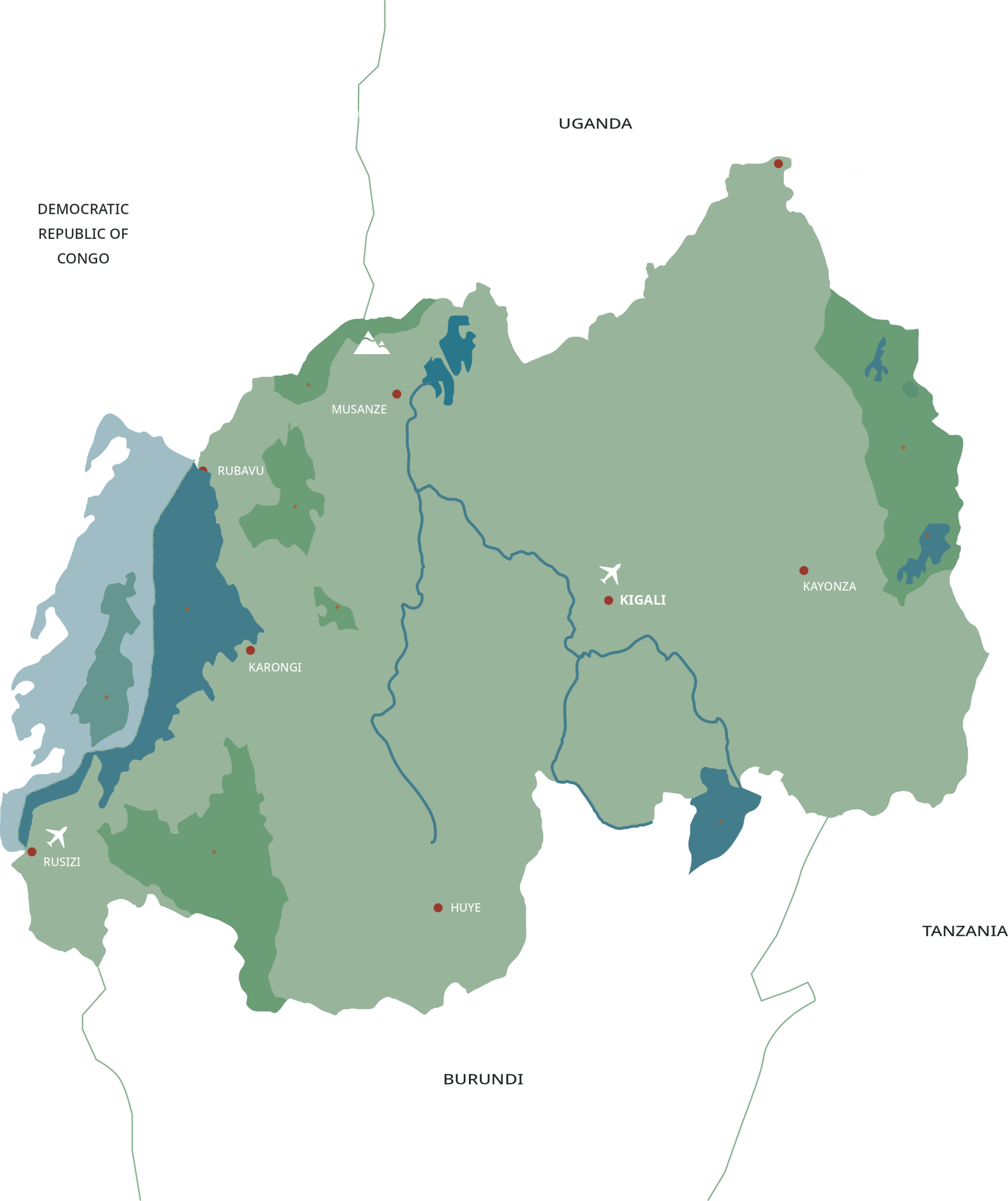
click on these icons to learn more about the area.
Rwanda’s high central plateau forms the watershed between the Nile and Congo basins, and gives the country the temperate climate and morning mists that define its forests through much of the year.
The volcanic chain along its northern border continues into Uganda and the Democratic Republic of Congo, and the mountain gorillas of the Virungas move freely between all three.
Most of Rwanda sits between 1,500 and 2,500 metres above sea level, its rolling, terraced topography folding into hills in every direction. The altitude shapes everything from the cool climate and frequent mists to the agricultural surroundings and roads between the parks.
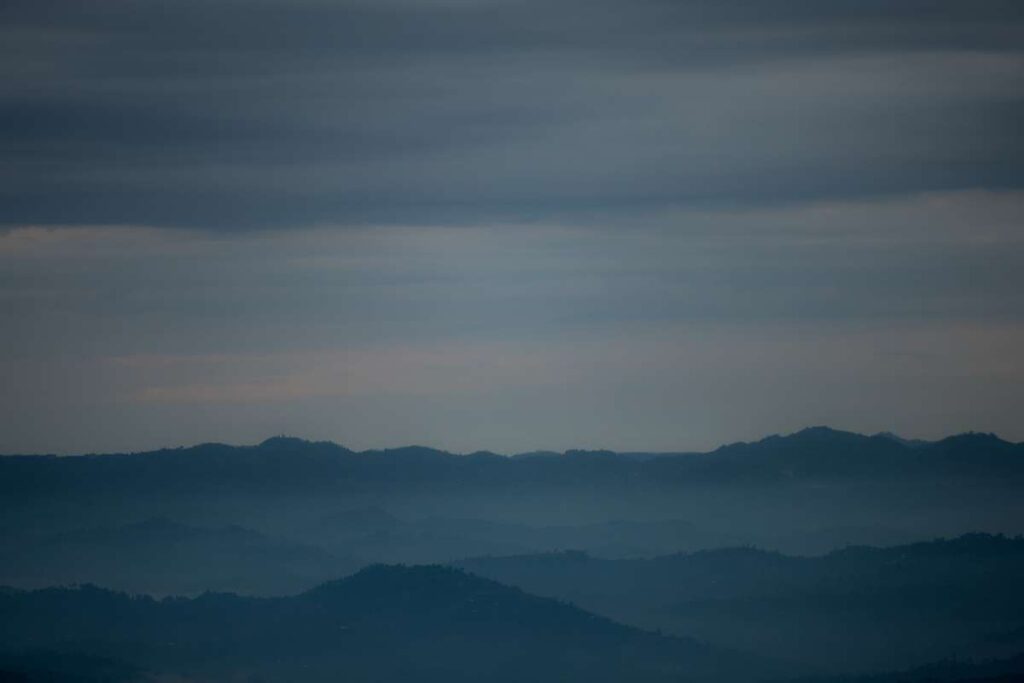

Rwanda protects the Rwandan slopes of the Virunga Massif, a chain of six volcanoes shared with Uganda and the Democratic Republic of Congo. Dian Fossey based her Karisoke research here from 1967, and the gorillas range freely across all three countries.
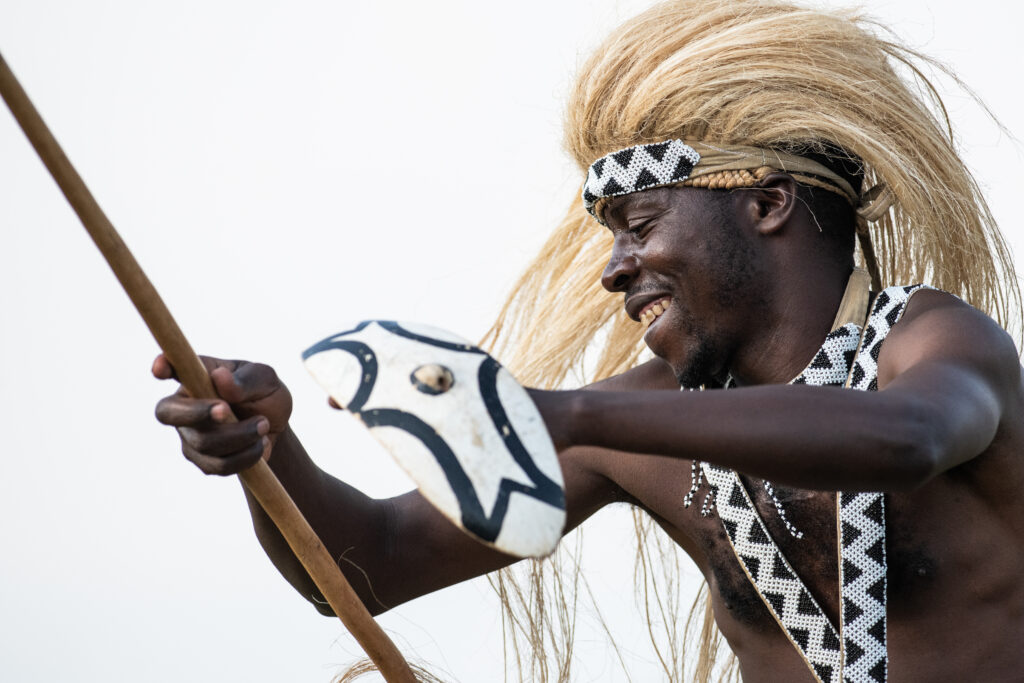
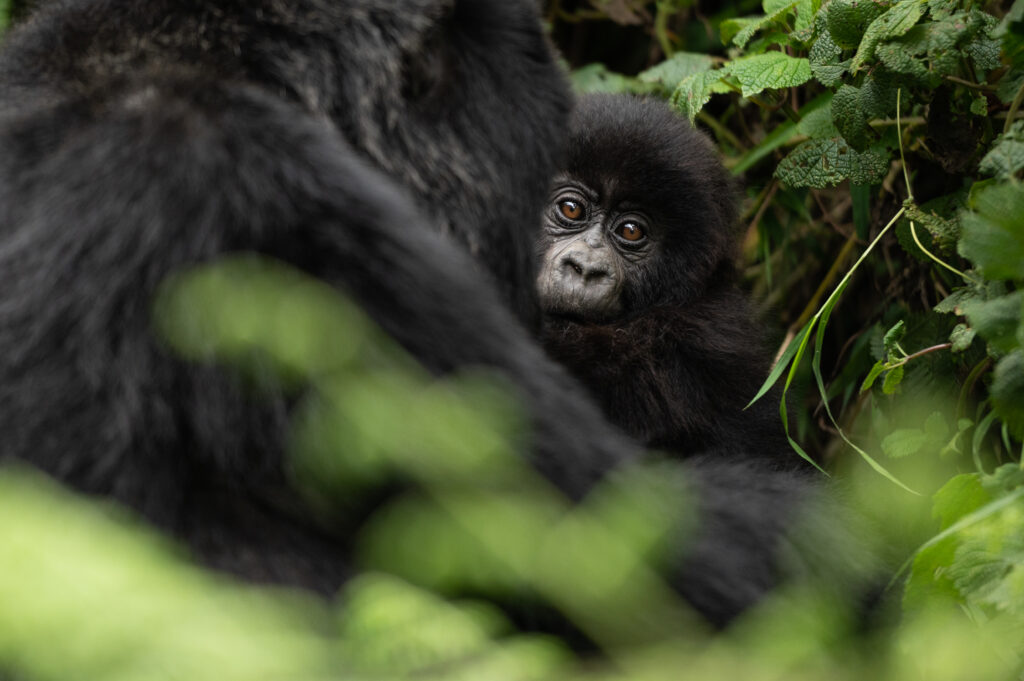
Akagera, in eastern Rwanda, is one of Africa’s most cited conservation success stories. Managed by African Parks and the Rwanda Development Board since 2010, the park saw lions reintroduced in 2015 and black rhino in 2017, restoring its Big Five status.


Nyungwe covers 1,013 square kilometres in southwestern Rwanda and is one of the oldest montane rainforests on the continent. It holds 13 primate species, including habituated chimpanzees and Angolan colobus troops, and contains one of the most distant headwaters of the Nile.
Plan by region
Click a region below to learn more about the area.
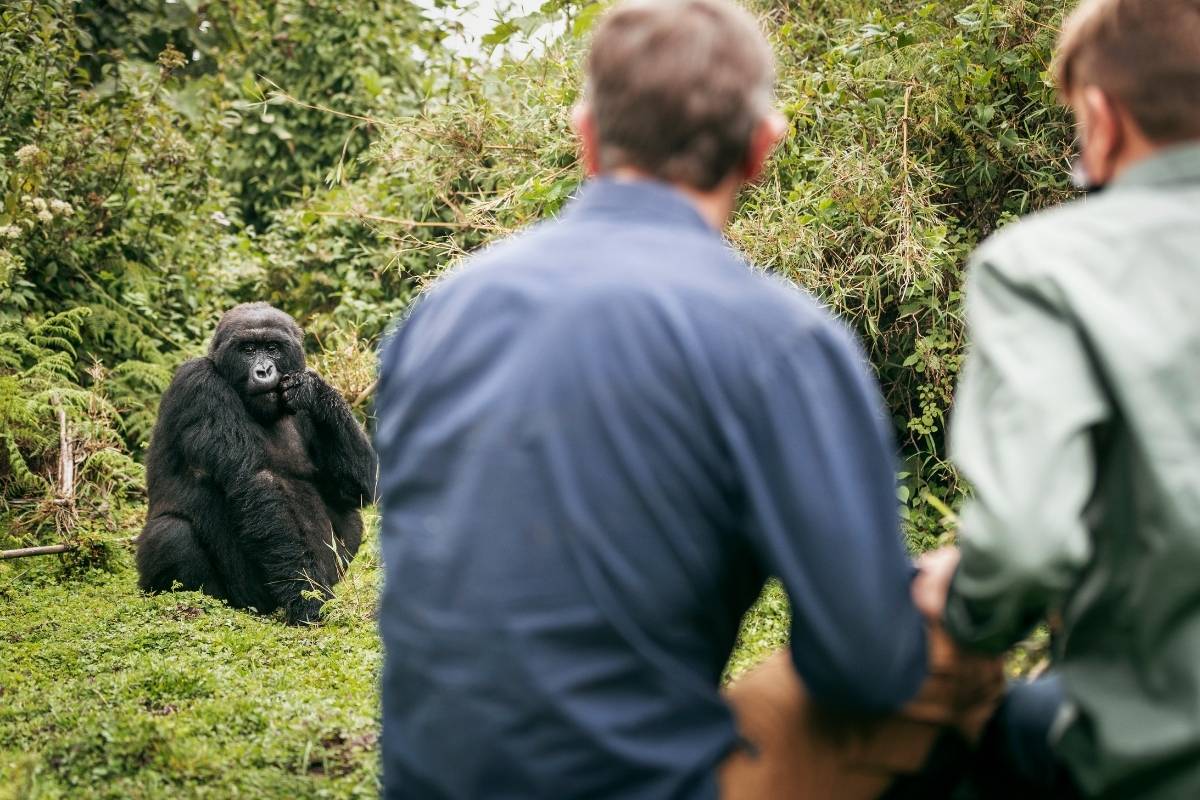
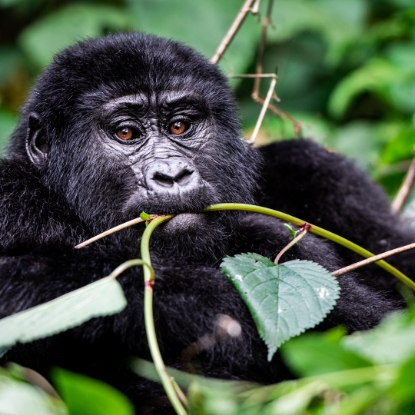
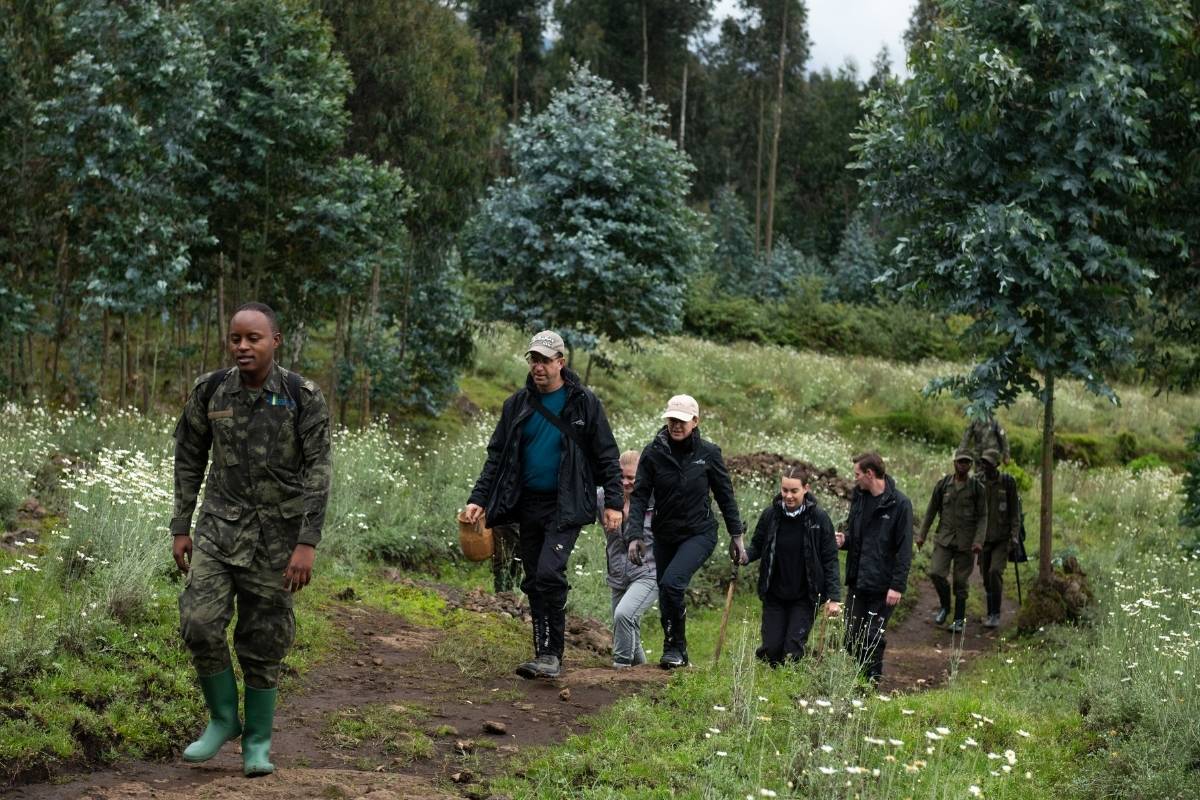
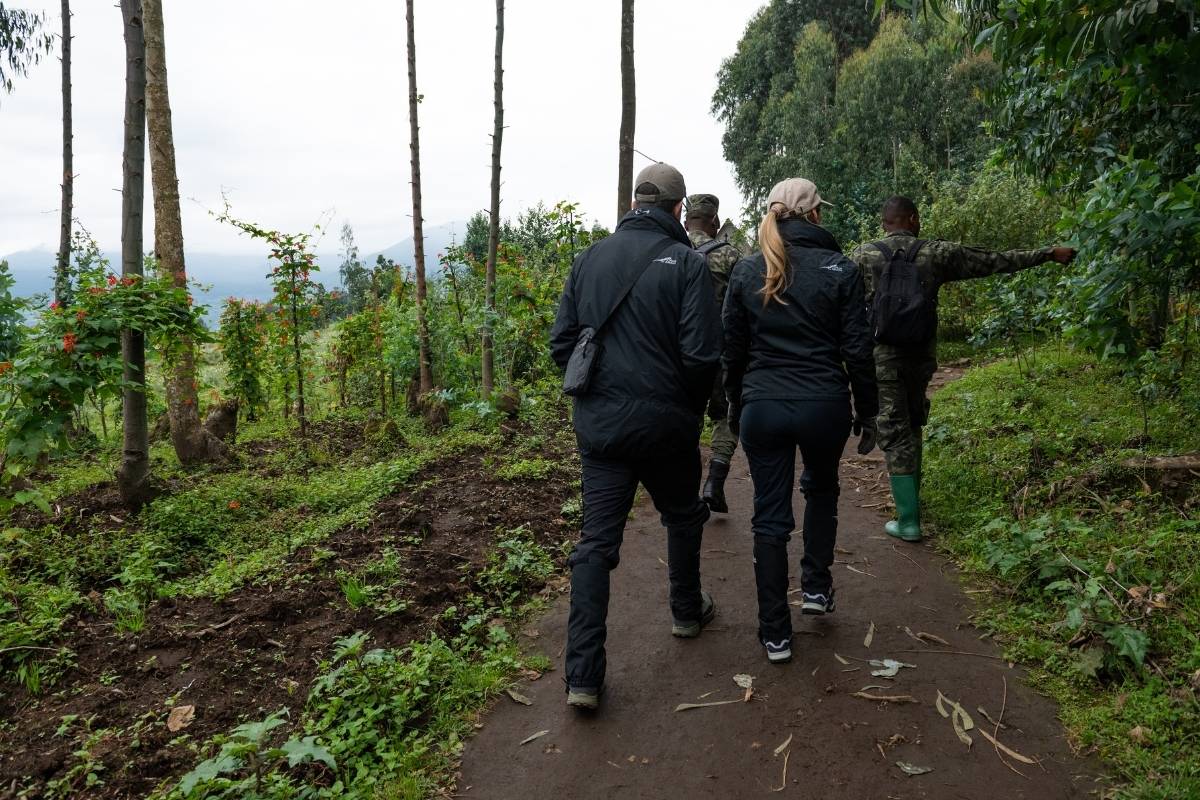
Trek the Virunga volcano slopes for a one-hour encounter with habituated gorilla families.
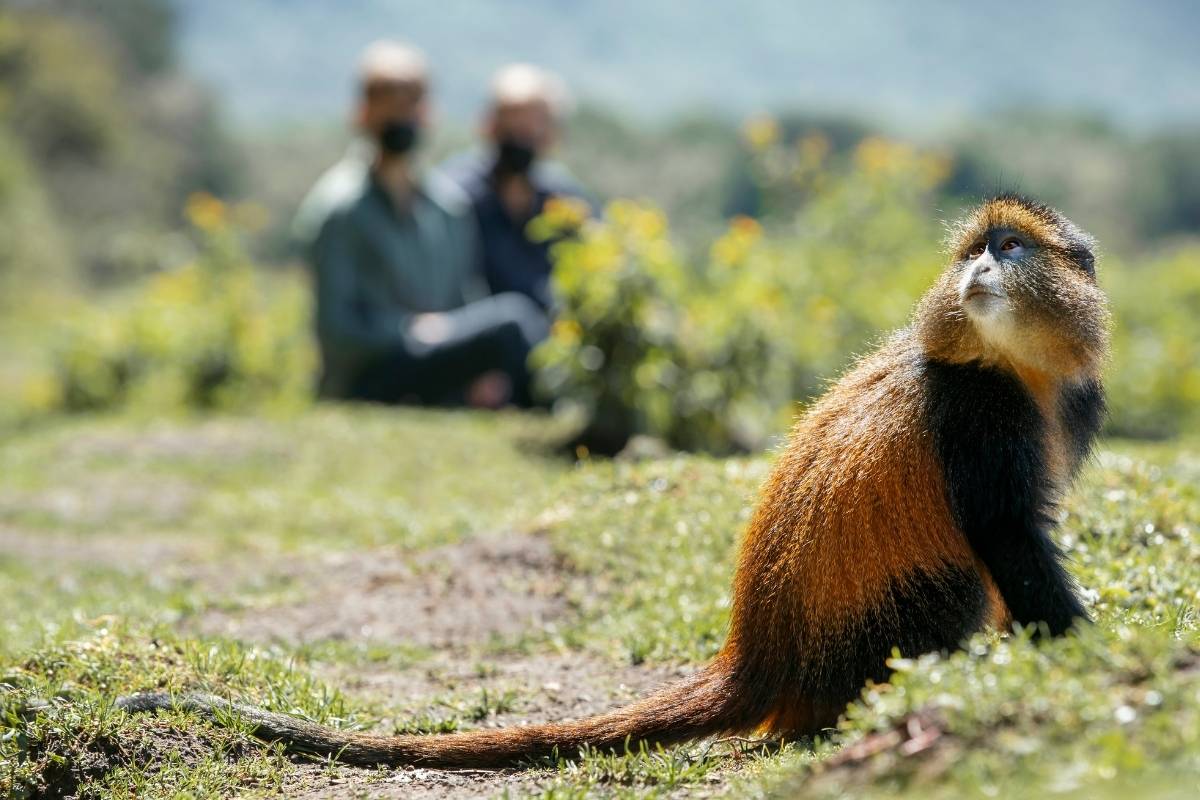
Follow habituated golden monkeys through the lower bamboo zone below the volcanoes.
Walk to the Karisoke Research Centre and Fossey's grave on the volcano slopes.
Summit Bisoke, Karisimbi or Sabinyo for cross-border Virunga panoramas.
Trek the Virunga volcano slopes for a one-hour encounter with habituated gorilla families.
Follow habituated golden monkeys through the lower bamboo zone below the volcanoes.
Walk to the Karisoke Research Centre and Fossey's grave on the volcano slopes.
Summit Bisoke, Karisimbi or Sabinyo for cross-border Virunga panoramas.
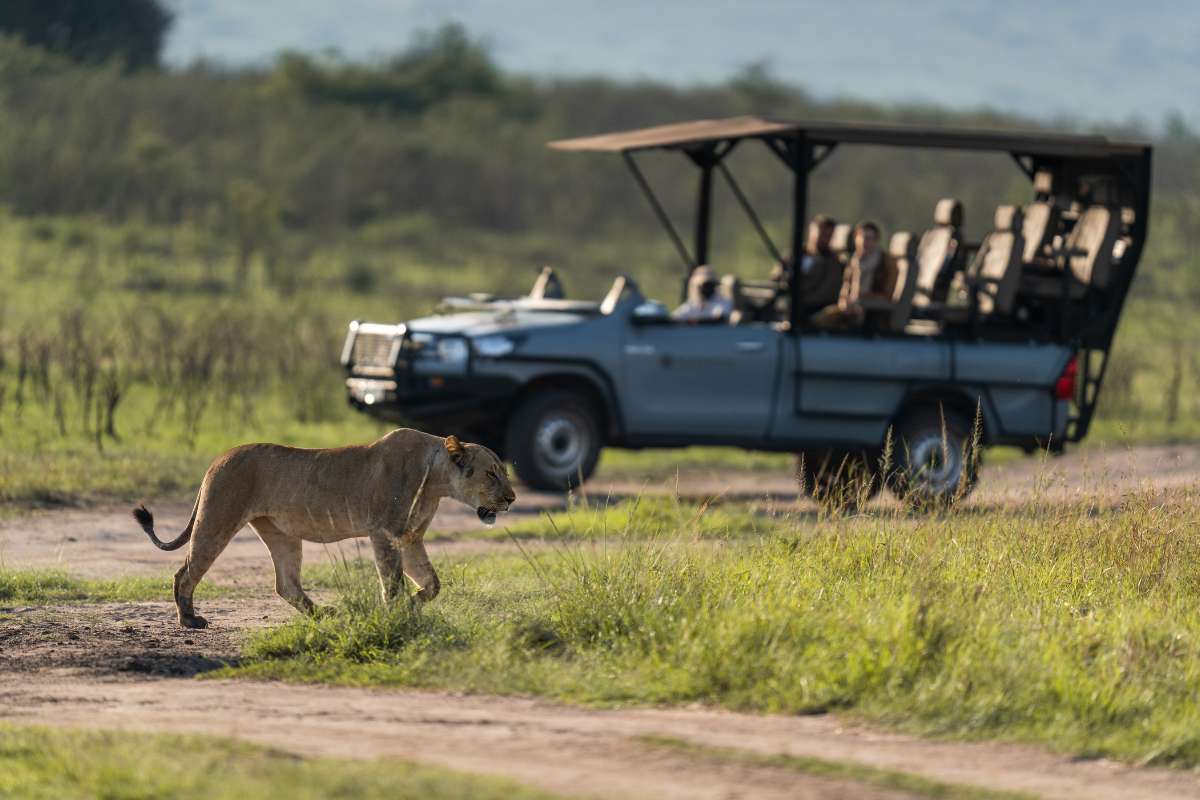
Track lion, rhino and elephant across Rwanda's rewilded Big Five savanna.
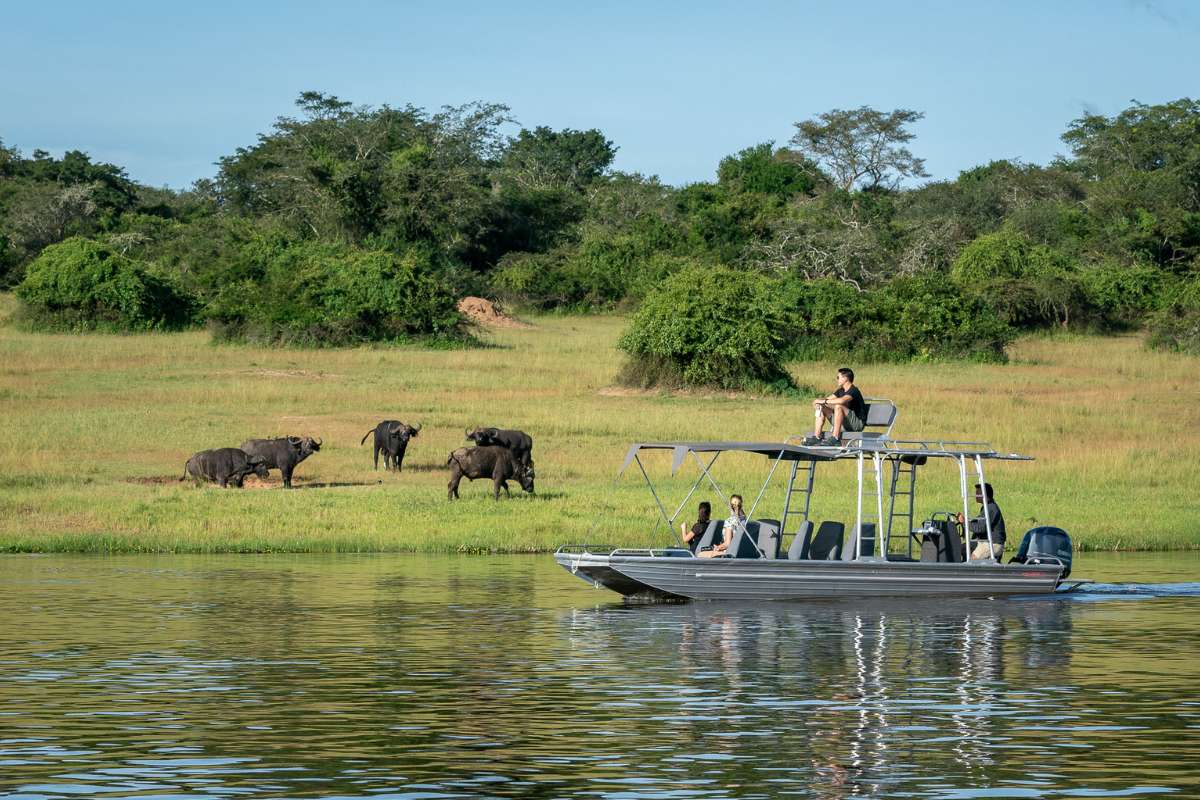
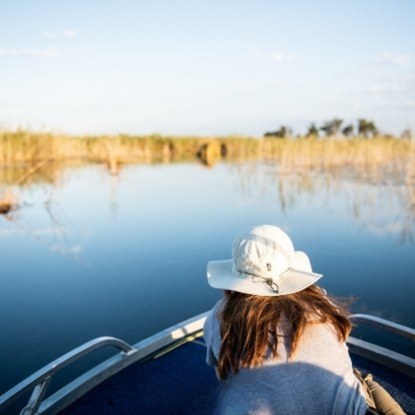
Watch hippo, crocodile and waterbirds from open boats on Akagera's lakes.
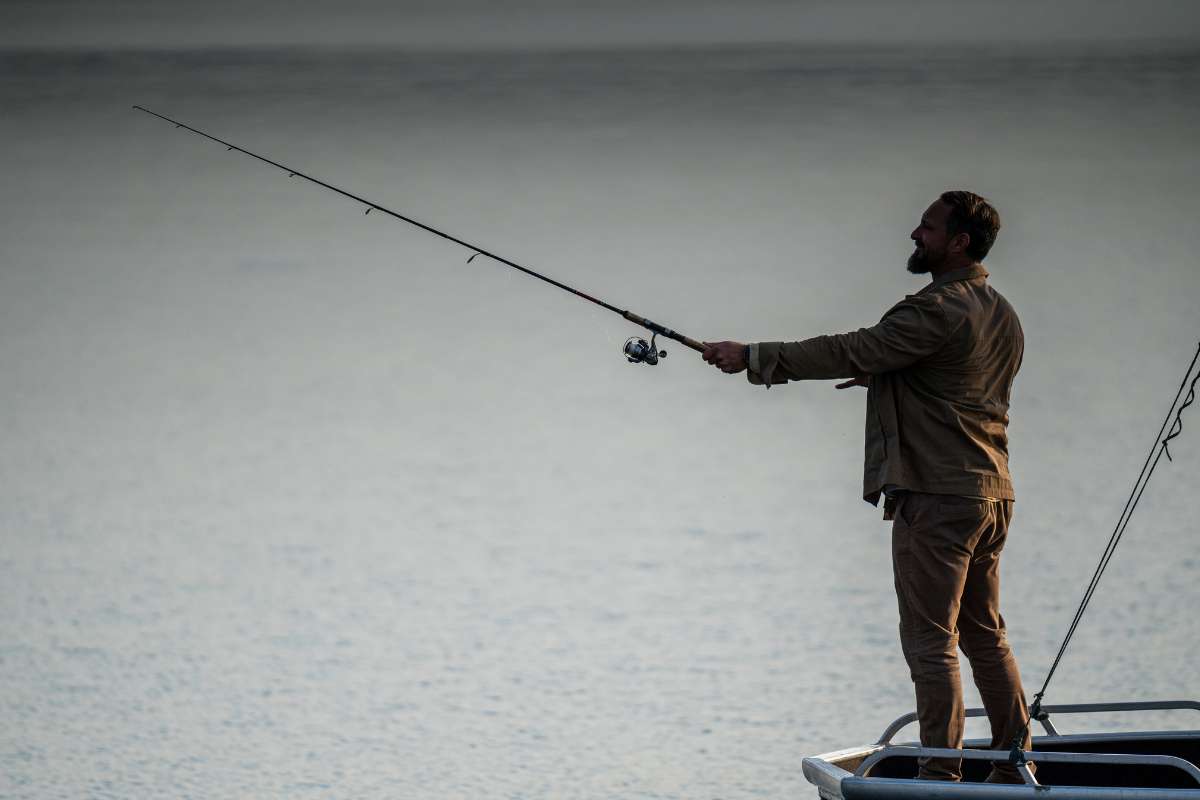
Fish the Kagera River at dawn and dusk when tigerfish strike hard and the riverbank comes alive with bird calls.
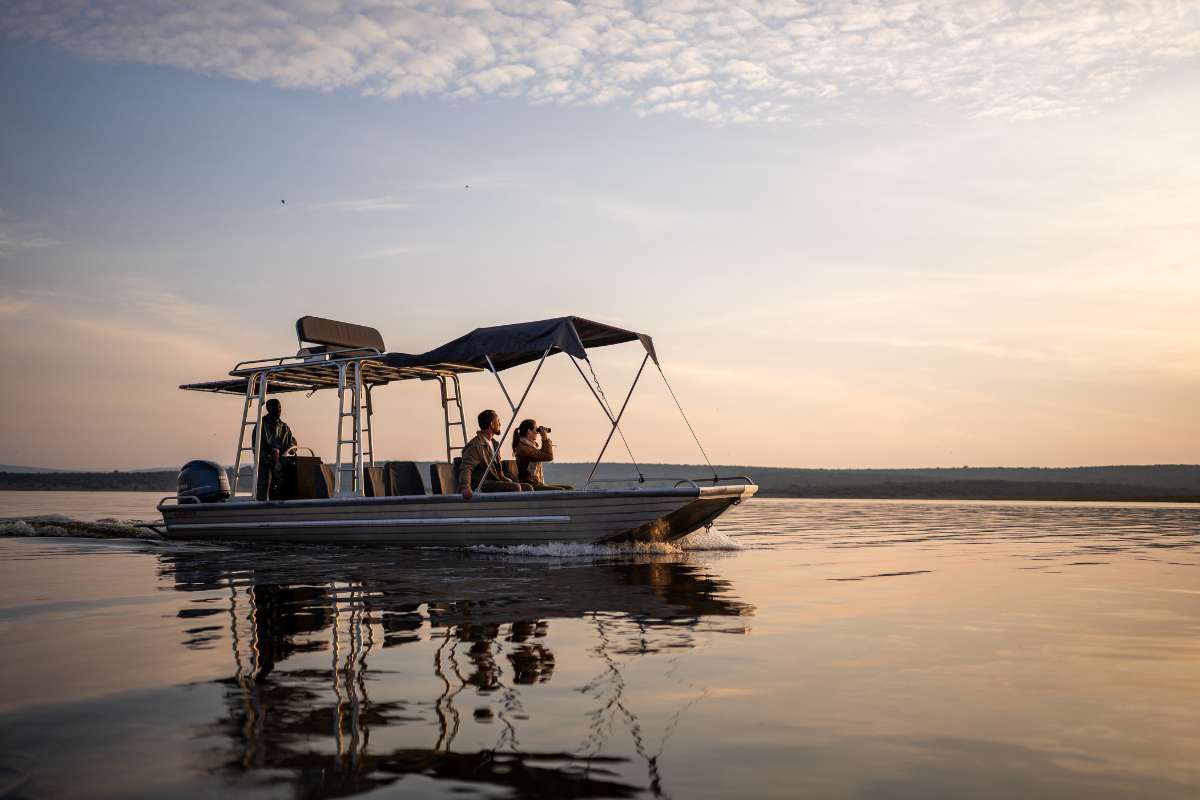
Take a dedicated papyrus-edge excursion in search of Akagera's resident Shoebill.
Track lion, rhino and elephant across Rwanda's rewilded Big Five savanna.
Watch hippo, crocodile and waterbirds from open boats on Akagera's lakes.
Fish the Kagera River at dawn and dusk when tigerfish strike hard and the riverbank comes alive with bird calls.
Take a dedicated papyrus-edge excursion in search of Akagera's resident Shoebill.
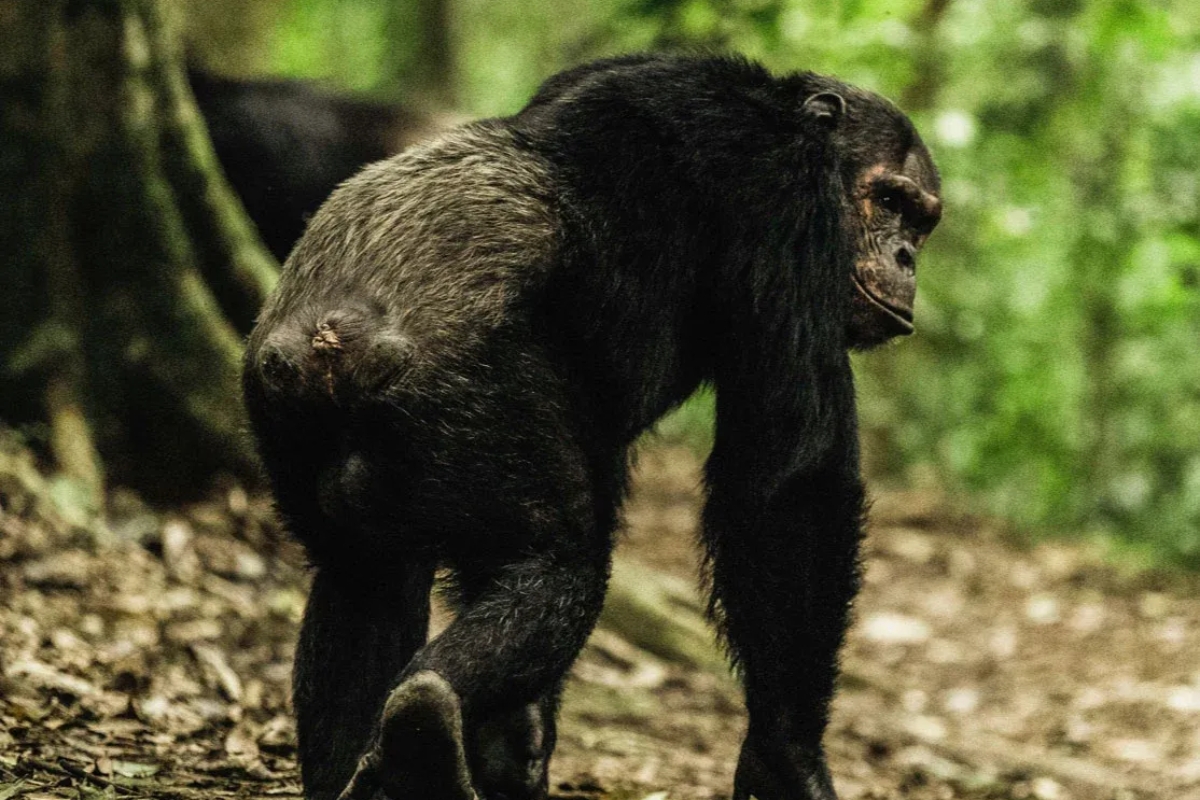
Trek steep montane forest ridges to find Nyungwe's habituated chimp communities.
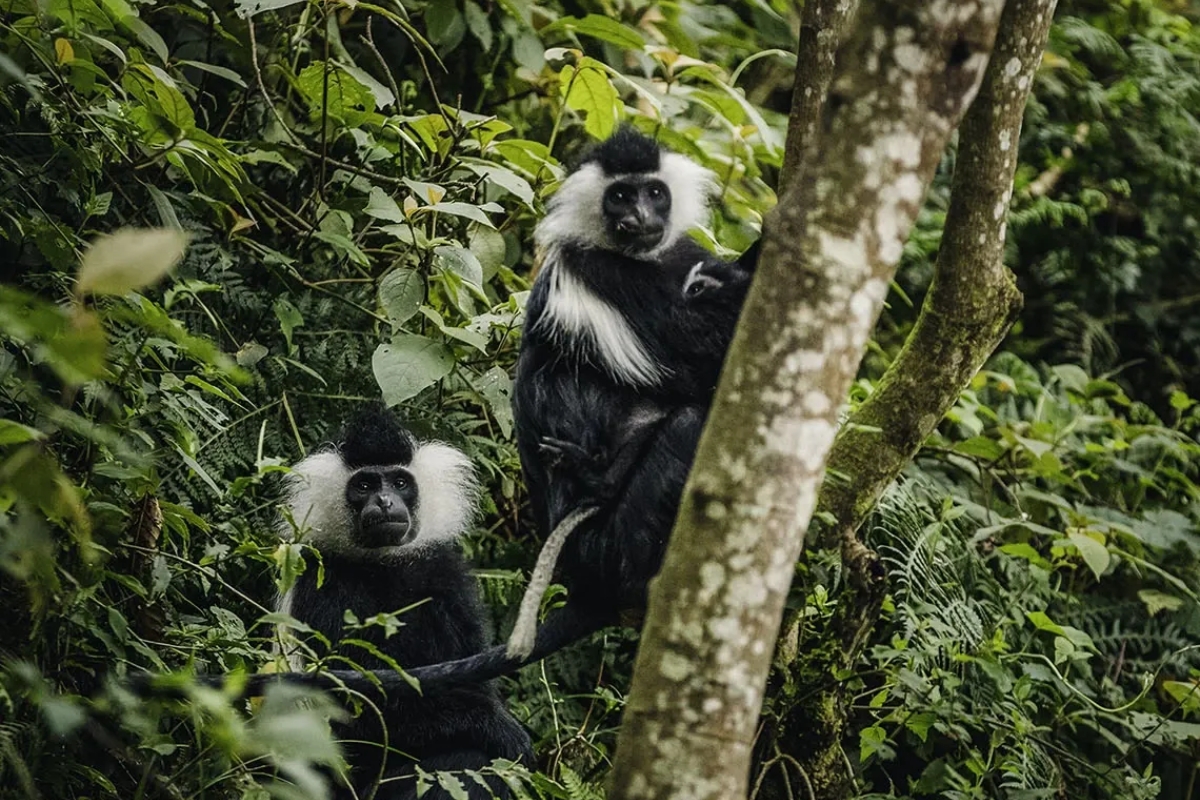
Follow large colobus troops through the canopy on guided forest trails.
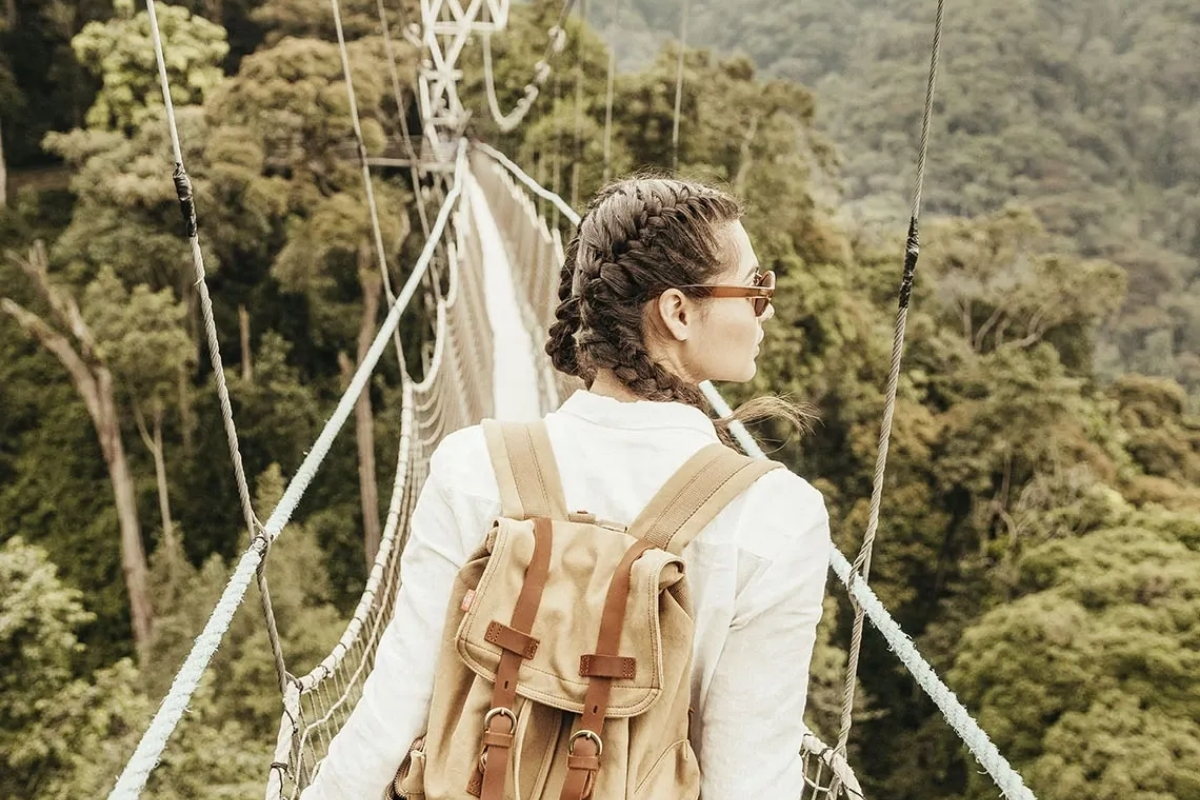
Cross a suspended bridge through the treetops at 50 metres above the forest floor.
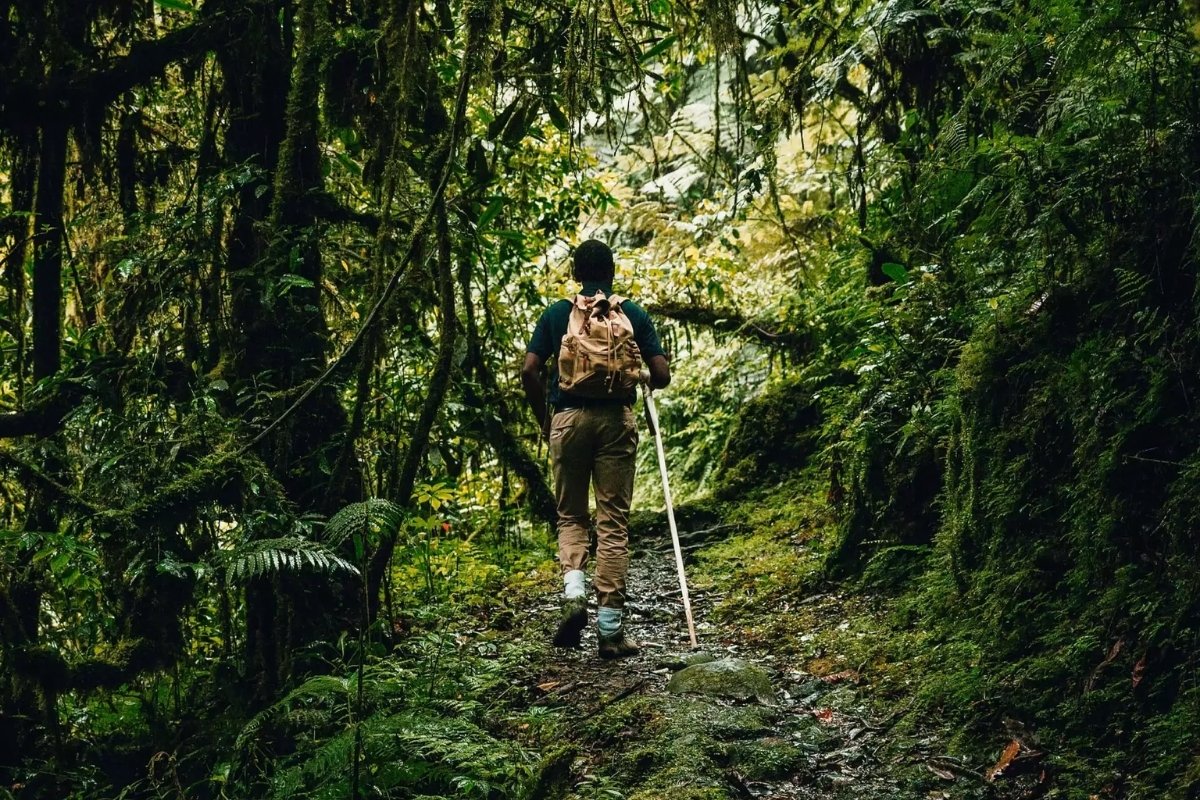
Walk Nyungwe's ridge trail network through some of Africa's oldest montane forest.
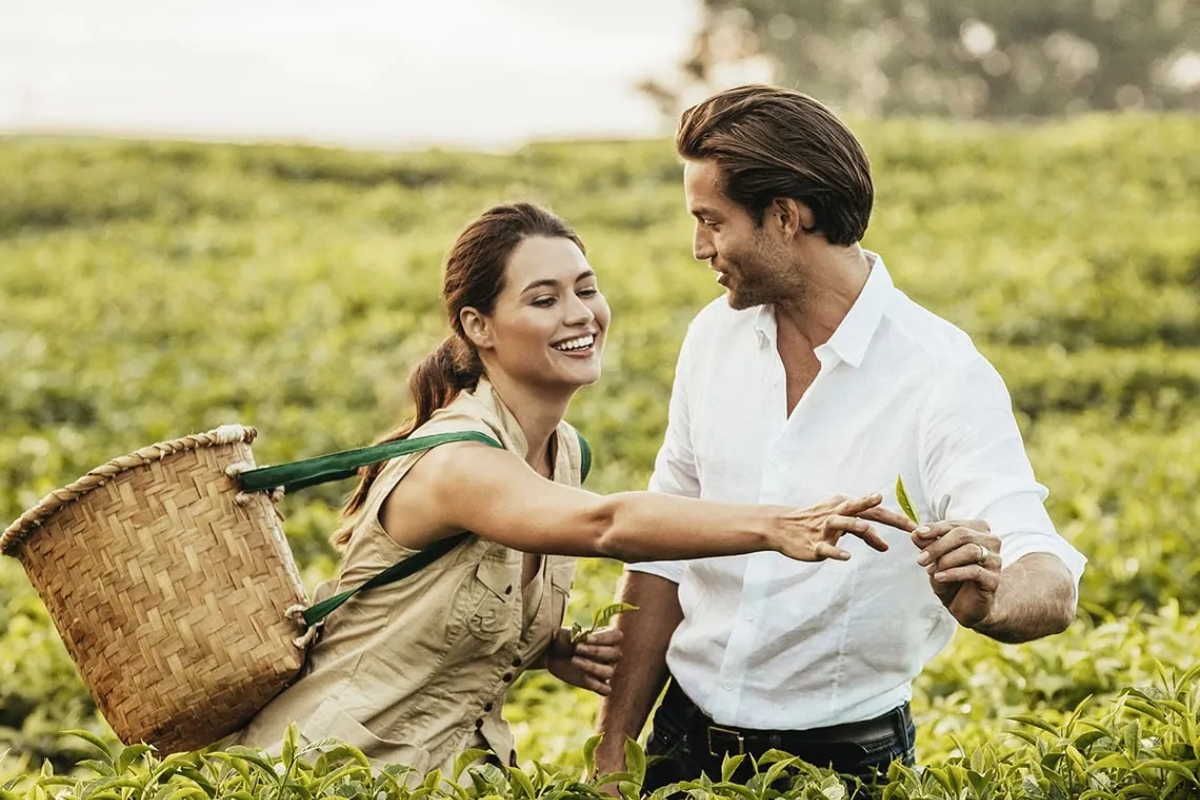
Hike to the Isumo waterfall through forest bordering Rwanda's famous tea estates.
Trek steep montane forest ridges to find Nyungwe's habituated chimp communities.
Follow large colobus troops through the canopy on guided forest trails.
Cross a suspended bridge through the treetops at 50 metres above the forest floor.
Walk Nyungwe's ridge trail network through some of Africa's oldest montane forest.
Hike to the Isumo waterfall through forest bordering Rwanda's famous tea estates.
Before you go
Q: Can I obtain a Rwanda visitor visa online or on arrival, and does that change with my passport?
Rwanda is generally one of the smoother East African entries, with many travelers able to obtain a visitor visa online or on arrival, though the exact rule still depends on passport. For luxury travel, it is still worth checking the current position rather than assuming the easiest category applies automatically. Rwanda is compact, but it rewards the same administrative precision as any other gorilla destination.
Q: If I am entering Rwanda after another East African country, could yellow fever rules affect me?
Yes – if you are entering Rwanda after time in a yellow-fever-risk country, the certificate can matter. This is one of the reasons broader East African combinations should always be checked as a sequence rather than as isolated country entries. As with Uganda, carrying the physical certificate remains the safest practice.
Q: How much passport validity should I allow for a short gorilla-focused journey?
Even for a very short Rwanda stay, work on the basis of at least six months’ passport validity and comfortable spare pages. Short trips can create false confidence, but gorilla-focused journeys are too valuable to put at risk over something as basic as document validity. The paperwork should feel boringly secure.
Q: How physically demanding is gorilla trekking in Rwanda, and how can the experience be tailored for different fitness levels?
Rwanda is often the easiest gorilla trekking destination logistically because the road from Kigali is manageable and the overall operation is polished, but the trek itself can still be steep, muddy and physically real. The experience can be tailored by assigning groups according to fitness and by using support services, so the question is less ‘am I fit enough?’ and more ‘how should the day be shaped for me?’
Q: Are porters, sedan chairs or other support options worth arranging in advance?
Yes – especially porters. Sedan chairs or carried support options are also worth discussing well in advance for guests with significant mobility limitations or for celebratory travelers who want to remove anxiety from the day. Rwanda is excellent at making the experience feel premium when these arrangements are made early rather than reactively.
Q: What level of medical and evacuation cover is sensible for a short, high-value primate trip?
Because the trip is often short and high-value, strong medical and evacuation insurance is sensible even if the traveler feels very fit. Mountain weather, altitude, uneven ground and remote park terrain justify it, and good cover also protects the investment in permits and premium lodges. Short does not mean low-consequence.
Q: How far in advance should I secure gorilla permits for the dates I want?
If your dates are specific and the trip is tied to a particular lodge or celebration, secure permits as early as possible. Rwanda is capacity-controlled and high demand can build quickly around the best windows. In practical terms, the permit should usually be one of the first things confirmed, not one of the last.
Q: Is it worth using helicopter transfers between Kigali, Volcanoes National Park, Nyungwe or Akagera?
Helicopter transfers are not usually necessary just to reach Volcanoes National Park from Kigali, because the road journey is manageable and often more logical. They become more compelling when you are combining Rwanda’s gorilla experience with Nyungwe, Akagera or a tighter celebratory schedule. As always, the helicopter is most worthwhile when it solves a real pacing problem rather than simply adding spectacle.
Q: Can Rwanda work as a two- or three-night gorilla add-on, or does it deserve a fuller circuit?
Rwanda absolutely works as a very short gorilla add-on, which is one of the reasons it is so popular with high-end travelers. It also deserves longer if you want to see more of the country – Akagera for safari, Nyungwe for forest and primates, or Lake Kivu for decompression. The right answer depends on whether Rwanda is a single headline experience or the main event.
Q: Which season offers the best trekking conditions without sacrificing the lush beauty Rwanda is known for?
The drier seasons are usually the easiest for trekking, but Rwanda’s beauty is deeply tied to its lushness, and shoulder periods can be very appealing if you are comfortable with some rain. If the goal is maximum ease underfoot, lean drier; if the goal is atmosphere, color and softer pricing, shoulder months can be excellent. Rwanda rarely stops being beautiful – it simply shifts emphasis.
Q: Should I combine gorillas with Akagera, Nyungwe or Lake Kivu for a more rounded luxury trip?
Akagera is the right pairing if you want a safari counterpoint, Nyungwe if you want another forest and primate chapter, and Lake Kivu if you want an elegant recovery point after trekking. The best combination is set less by geography than by emotional balance: wildlife, adventure, or relaxation. Rwanda is compact enough that these additions can feel purposeful rather than sprawling.
Q: Is Rwanda better for couples, celebratory travel and short luxury escapes than for longer family itineraries?
Rwanda is particularly strong for couples, celebratory trips and short luxury escapes because it combines premium lodges, high-quality logistics and a single signature wildlife experience. Families can absolutely enjoy it, especially with older teenagers, but the country is usually less naturally child-led than destinations built around longer game-drive days and broader family safari infrastructure. It is high-value, polished and deliberate in tone.