Our blog is where we share what we’re learning, what we’re noticing, and what’s worth knowing before you go. Field notes, destination guides, seasonal updates.

Follow Us

EXPLORE

Every great safari begins with a single conversation. Whenever you’re ready, we’re here.

See Africa the way we see it, through the eyes of people who never stopped looking.

We only work in wild places we’re committed to protecting. Here’s what that looks like in practice.

Honest answers to the questions worth asking before you go.

Overview Map Quick Facts Regions FAQ's -

The Country

Sed ut perspiciatis unde omnis iste natus error sit voluptatem accusantium doloremque laudantium, totam rem aperiam, eaque ipsa quae ab illo inventore veritatis et quasi architecto beatae vitae dicta sunt explicabo. Sed ut perspiciatis unde omnis iste natus error sit eaque ipsa quae ab illo inventore quasi architecto beatae.

Duis aute irure dolor in reprehenderit in voluptate velit esse cillum dolore eu fugiat nulla pariatur. Excepteur sint occaecat cupidatat non proident, sunt in culpa qui officia deserunt mollit anim id est laborum. Duis aute irure dolor in reprehenderit in voluptate velit esse cillum dolore eu fugiat Excepteur sint occaecat.

Lorem ipsum dolor sit amet, consectetur adipiscing elit, sed do eiusmod tempor incididunt ut labore et dolore magna.

Population Size

Geographic Size

Capital

Currency

Offical Language

Best time to visit

01

02

03

04

Plan by region

Click a region below to learn more about the area.
01

overview

Serengeti

The Serengeti needs little introduction, yet it still has the power to exceed expectations. It is not only the stage for the Great Migration, but a vast, beautiful ecosystem of plains, kopjes, river systems and woodland that delivers serious wildlife viewing all year. The key to doing it well lies in matching region and season carefully: southern plains for calving, western corridors for river crossings, central sectors for year-round game, northern reaches for later migration drama and seclusion.

Reasons to Visit

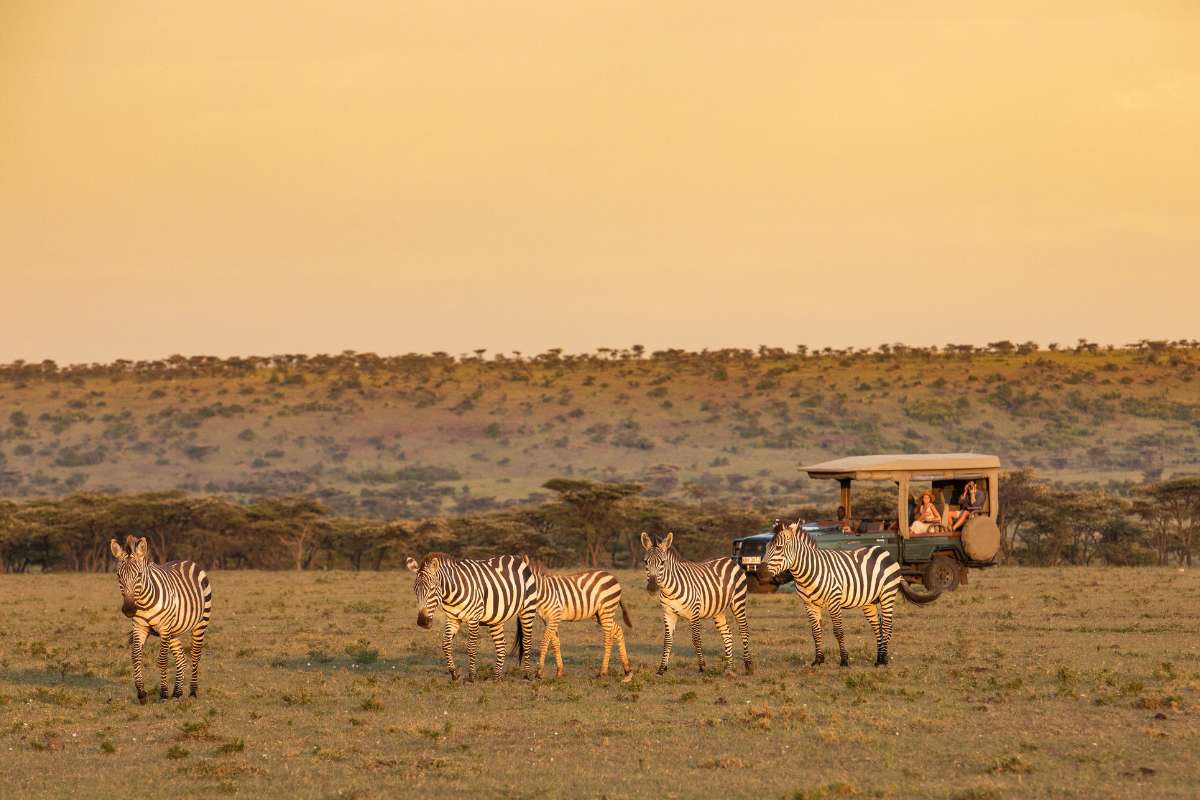
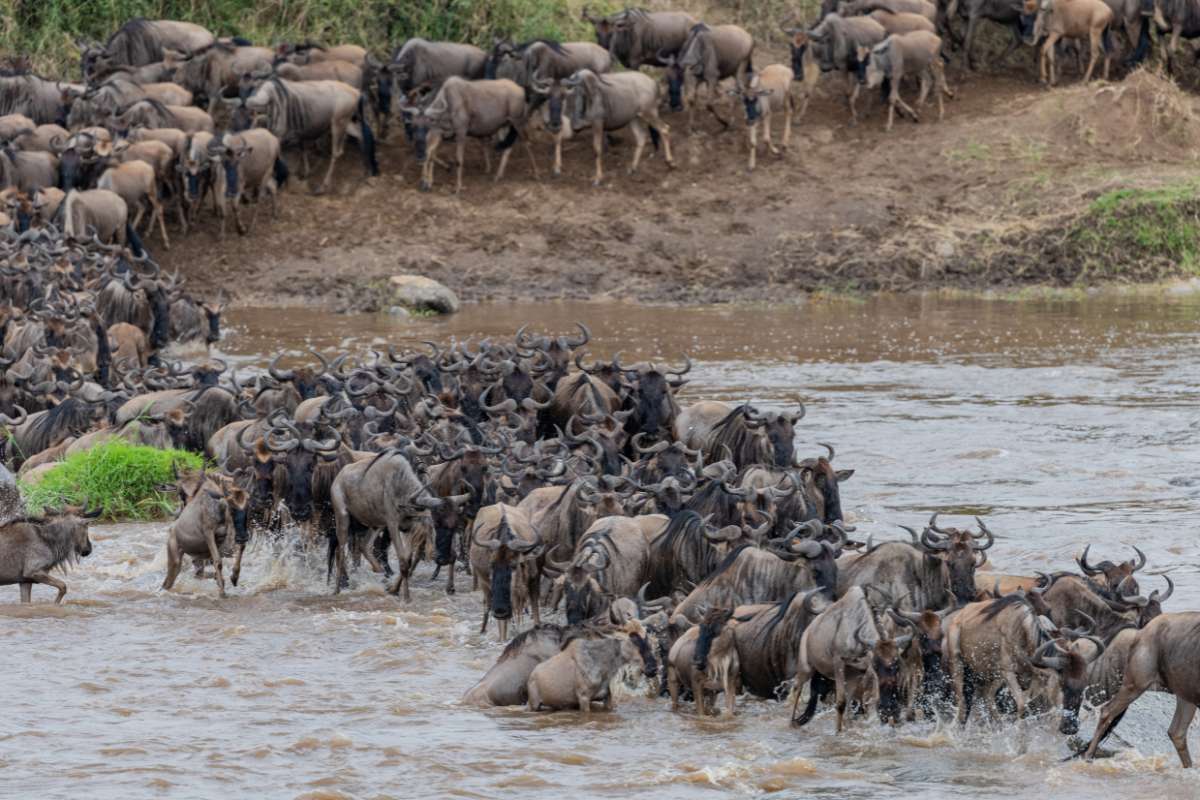
The Serengeti hosts the largest overland wildlife movement on earth: the continuous year-round circulation of more than 1.5 million wildebeest, 400,000 zebra and 200,000 Thomson’s gazelle across the ecosystem. The calving season in the southern Serengeti between January and March, when up to 8,000 wildebeest are born each day, is one of the most dramatic periods; so too is the push north through the western corridor into the Mara. There is no month in which the migration is not somewhere in the Serengeti system.
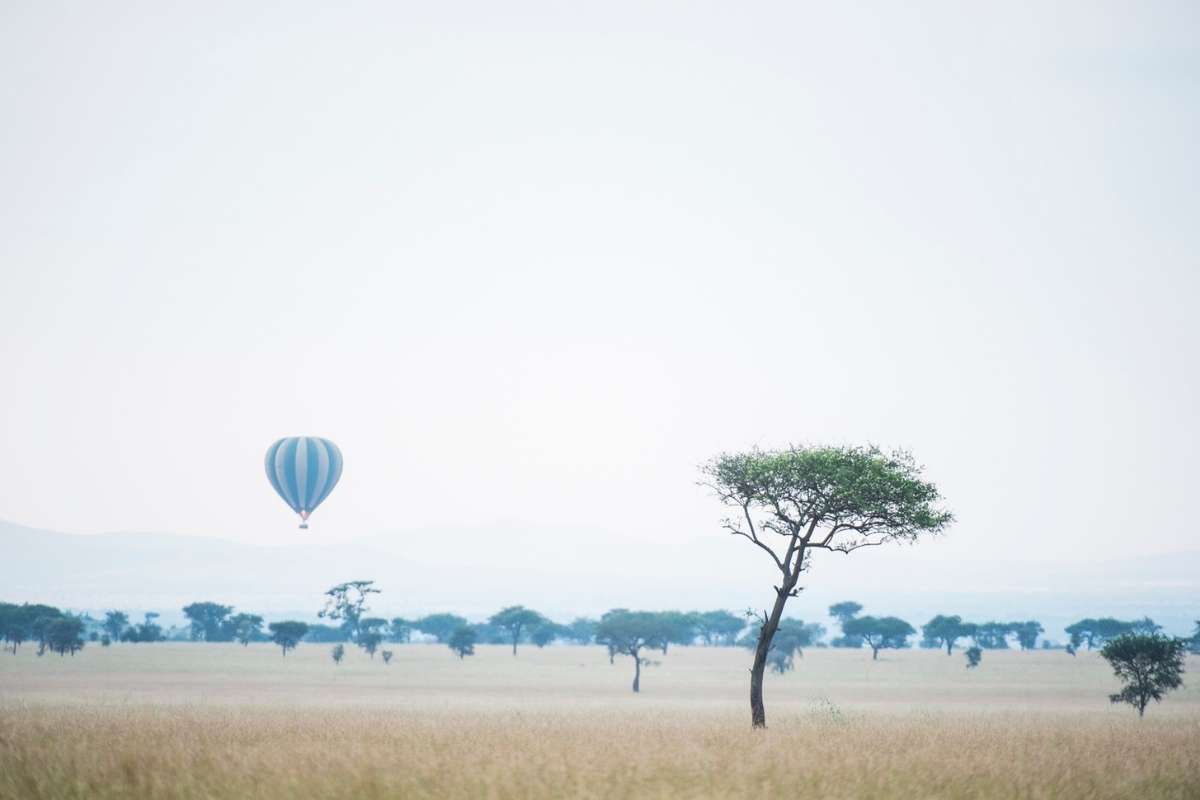
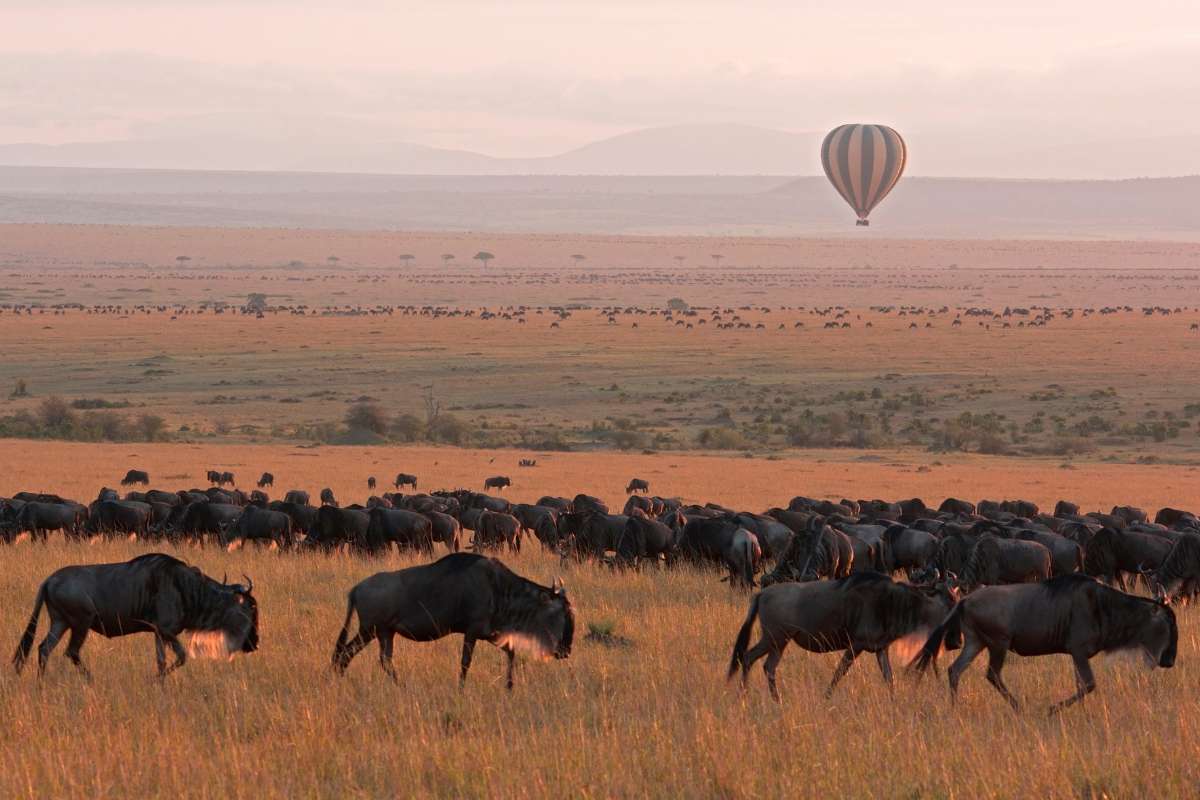
Drifting over the Serengeti plains at dawn, following the light as it lifts across the grass and the animals begin to move below, is one of the more distinctive experiences the ecosystem offers. Flights typically run for around an hour at first light, covering ground that corresponds roughly to a morning’s game drive but from a perspective that changes how the landscape reads entirely. The champagne breakfast on landing in the bush has become a tradition worth the early wake-up call.
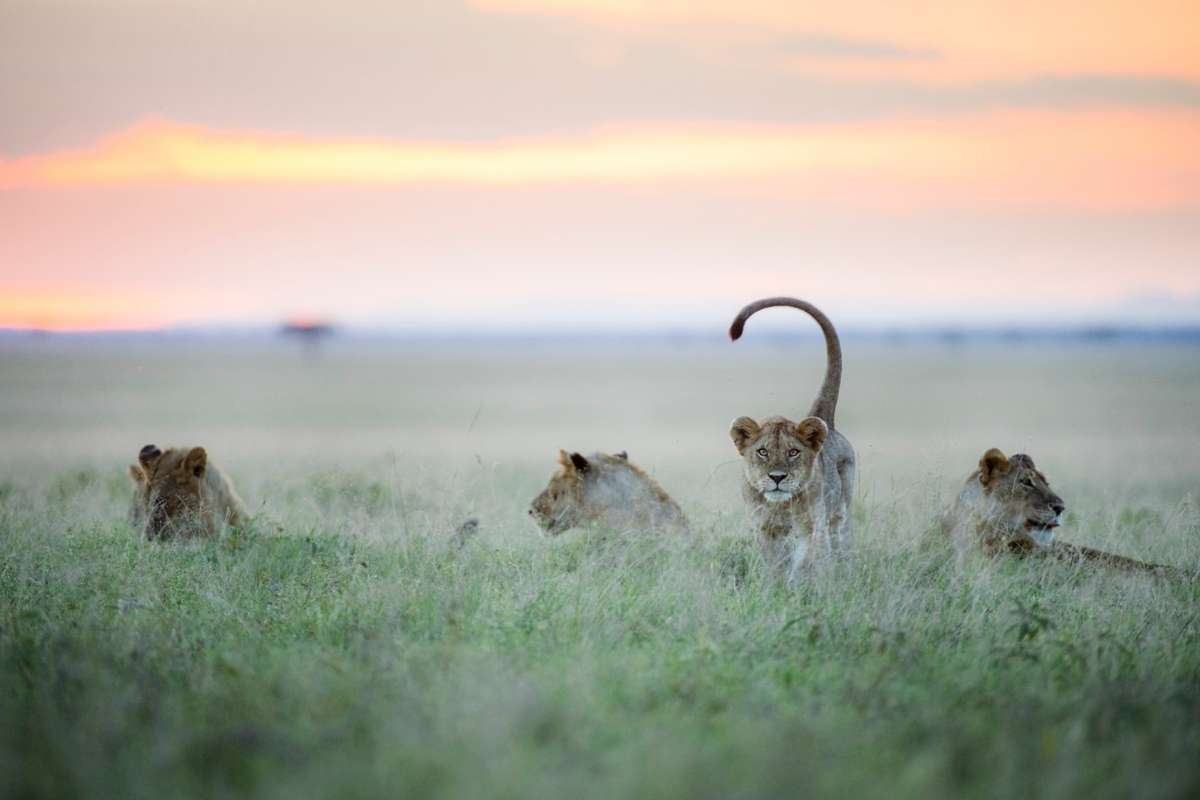
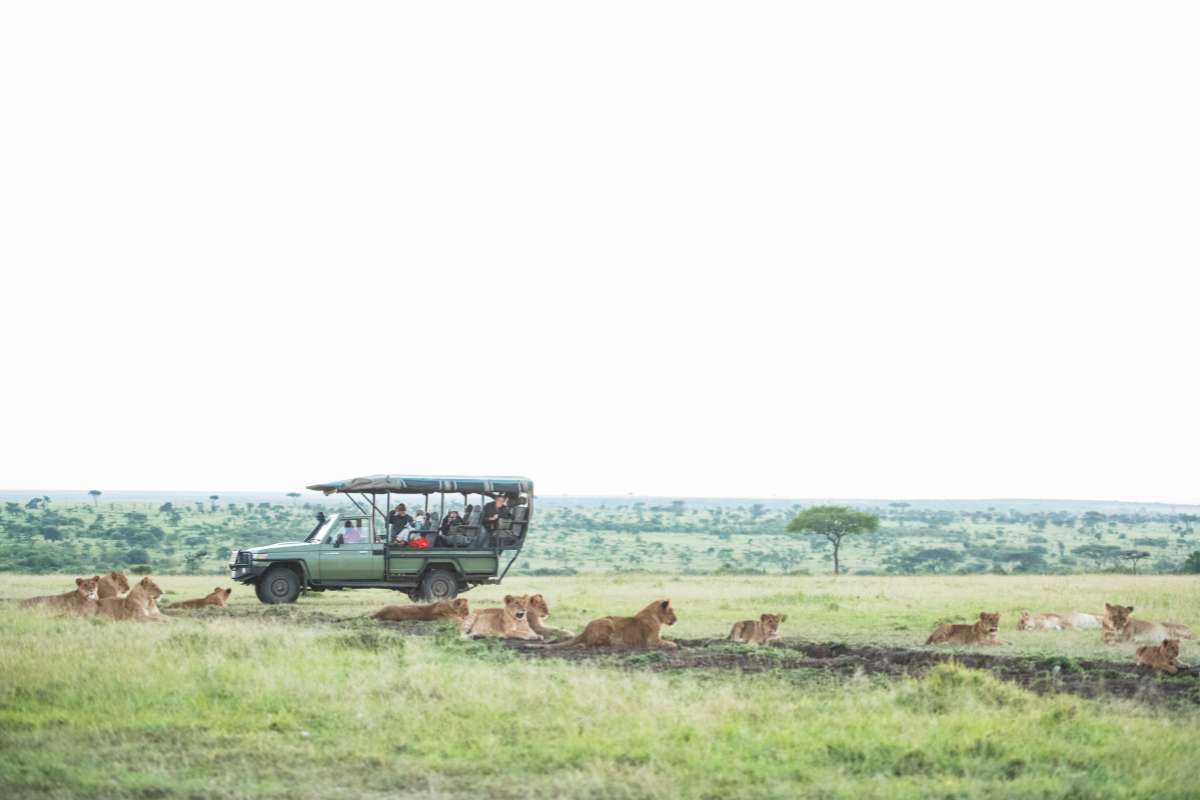
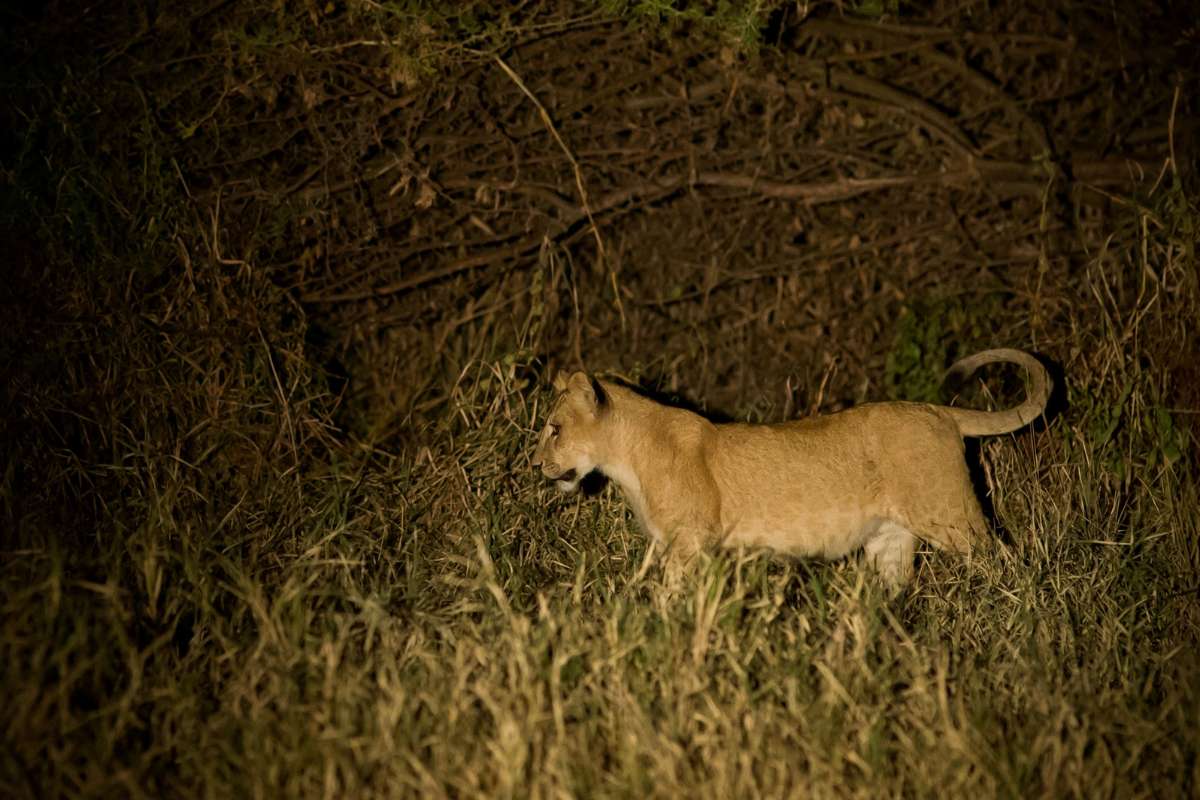
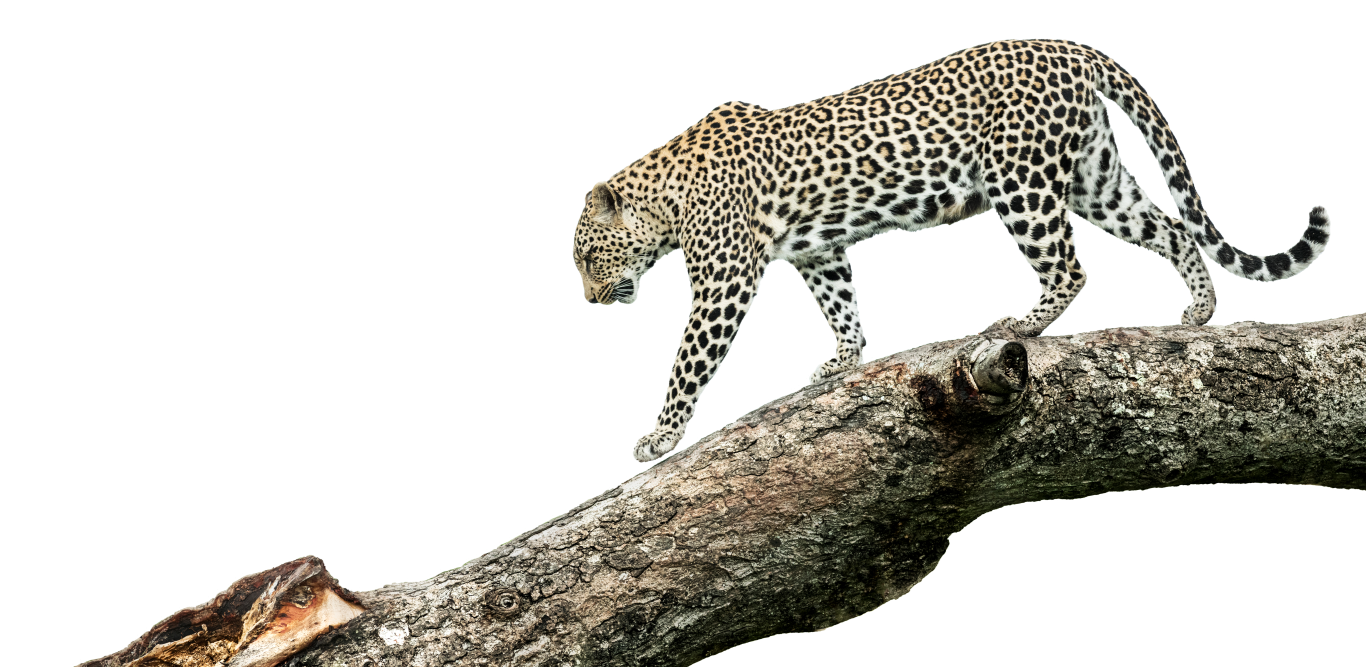
The Serengeti sustains the largest lion population in Africa, estimated at around 3,000 individuals, alongside high densities of leopard, cheetah, wild dog and spotted hyena. The concentration of prey the migration brings through each season keeps predator activity at a pitch that few ecosystems can sustain year-round. For those whose primary interest is watching predators hunt, rest and interact, the Serengeti is the most reliable single destination on the continent.

01

overview

Serengeti

The Serengeti needs little introduction, yet it still has the power to exceed expectations. It is not only the stage for the Great Migration, but a vast, beautiful ecosystem of plains, kopjes, river systems and woodland that delivers serious wildlife viewing all year. The key to doing it well lies in matching region and season carefully: southern plains for calving, western corridors for river crossings, central sectors for year-round game, northern reaches for later migration drama and seclusion.

Reasons to Visit

The Serengeti hosts the largest overland wildlife movement on earth: the continuous year-round circulation of more than 1.5 million wildebeest, 400,000 zebra and 200,000 Thomson’s gazelle across the ecosystem. The calving season in the southern Serengeti between January and March, when up to 8,000 wildebeest are born each day, is one of the most dramatic periods; so too is the push north through the western corridor into the Mara. There is no month in which the migration is not somewhere in the Serengeti system.
Drifting over the Serengeti plains at dawn, following the light as it lifts across the grass and the animals begin to move below, is one of the more distinctive experiences the ecosystem offers. Flights typically run for around an hour at first light, covering ground that corresponds roughly to a morning’s game drive but from a perspective that changes how the landscape reads entirely. The champagne breakfast on landing in the bush has become a tradition worth the early wake-up call.
The Serengeti sustains the largest lion population in Africa, estimated at around 3,000 individuals, alongside high densities of leopard, cheetah, wild dog and spotted hyena. The concentration of prey the migration brings through each season keeps predator activity at a pitch that few ecosystems can sustain year-round. For those whose primary interest is watching predators hunt, rest and interact, the Serengeti is the most reliable single destination on the continent.

01

overview

Volcanoes National Park

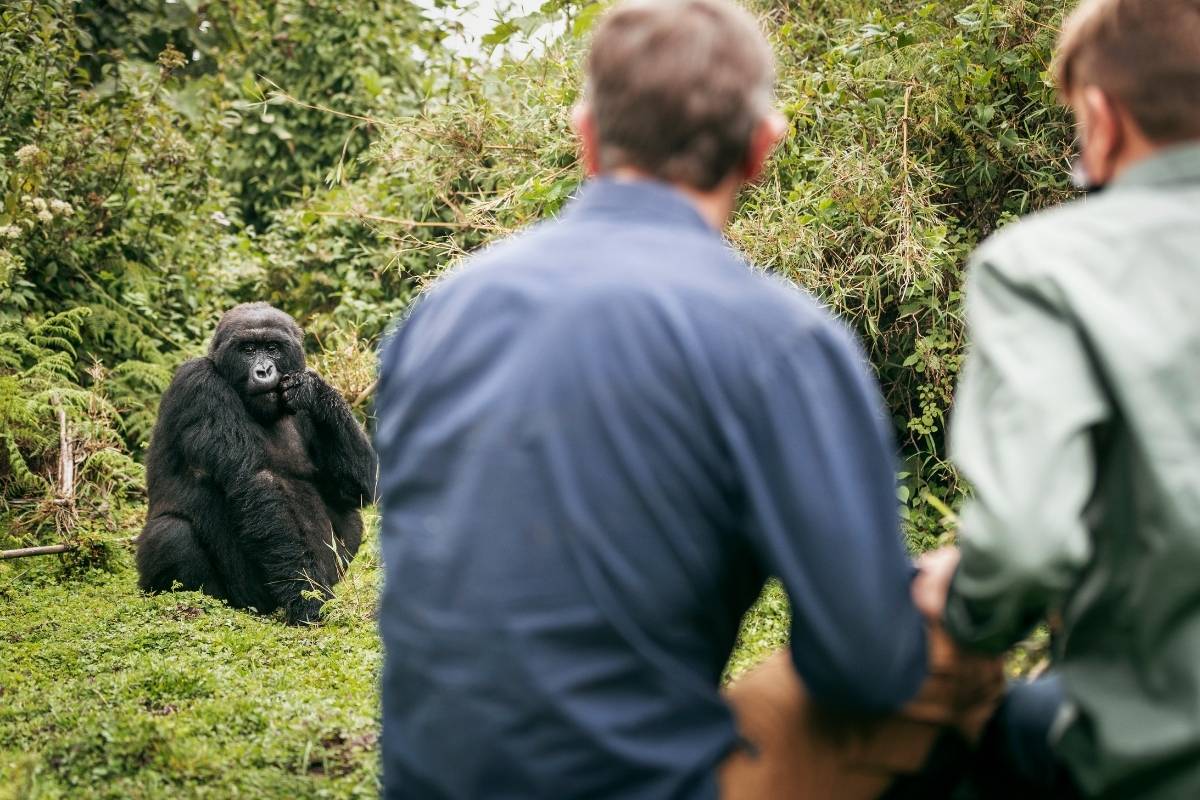
Volcanoes National Park is Rwanda’s flagship wilderness and one of the world’s great places to encounter mountain gorillas. The Virunga volcanoes rise through layers of mist, bamboo and forest, creating a setting that feels almost mythic. Gorilla trekking is the headline, but the park also rewards travellers with powerful scenery, golden monkeys, conservation history and a deep sense of emotional connection to place.

Reasons to Visit

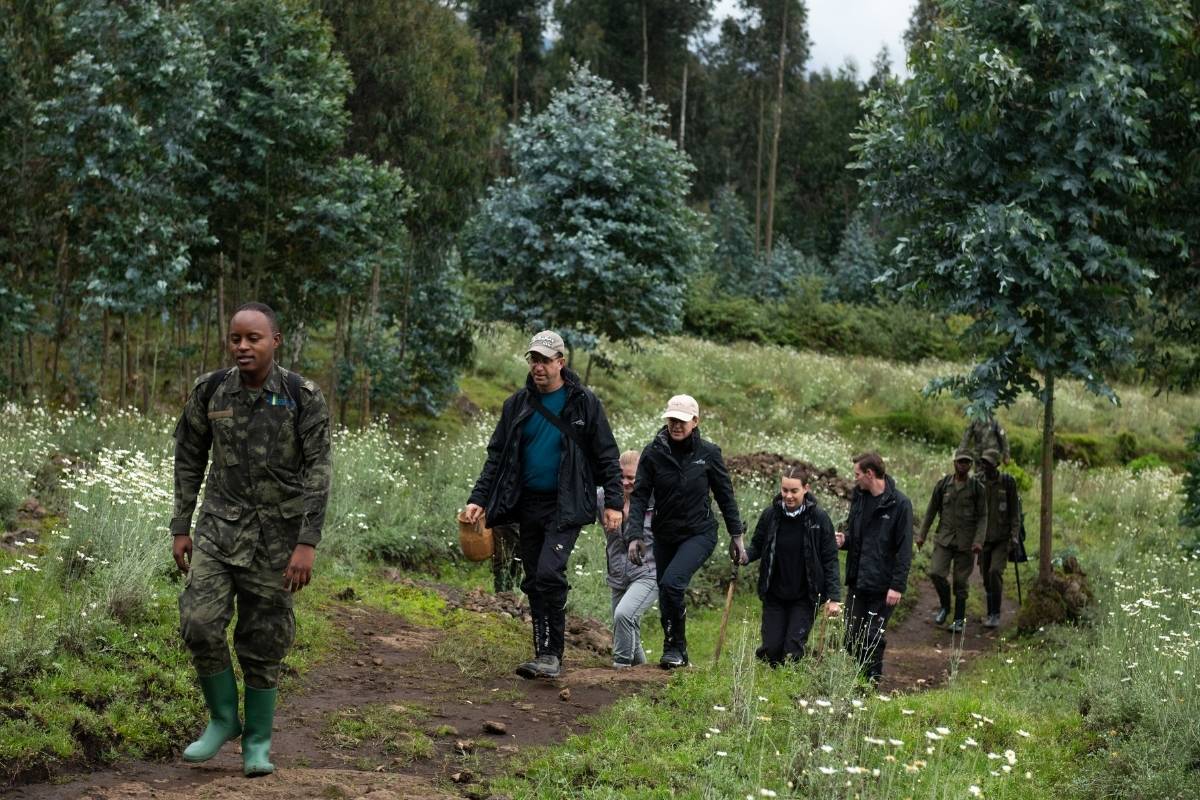
Volcanoes National Park in northwest Rwanda protects 10 habituated mountain gorilla families, each visited by a maximum of eight people per day. The trek through bamboo zones and Hagenia-Hypericum forest to locate a family can take anywhere from thirty minutes to several hours, and the hour in their presence is governed by strict protocols designed to minimise any stress on the animals. Rwanda has developed gorilla trekking into one of the most carefully managed wildlife experiences in Africa, and the depth of expertise among the park’s guides reflects decades of accumulated knowledge.
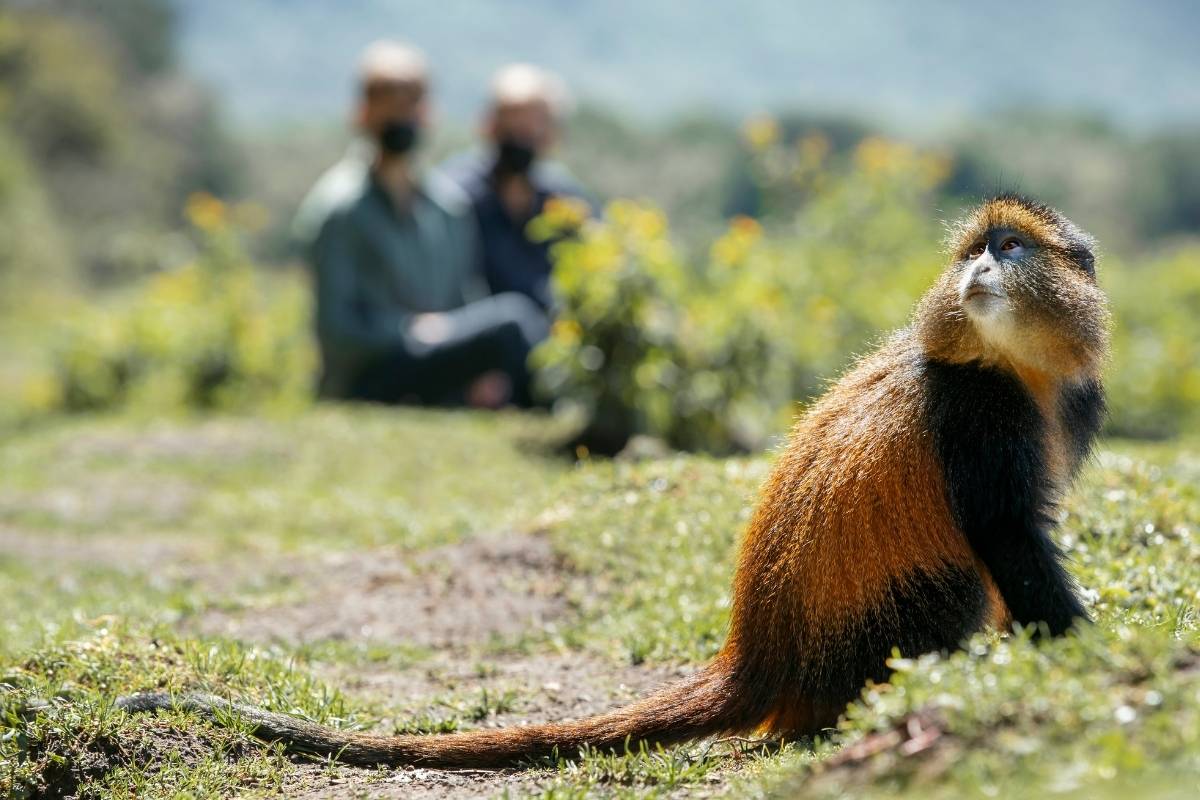
The Virunga Volcanoes are one of the only habitats on earth for the endangered golden monkey, and Volcanoes National Park is the most accessible place to track a habituated group. These primates move through the bamboo forests of the lower volcano slopes in fast, energetic groups, and the contrast between their bright orange-gold fur and the surrounding bamboo makes for sightings of considerable visual impact. Most visitors to Volcanoes add a golden monkey permit to their gorilla day, and the two experiences complement each other well.
Five volcanoes rise above the park, from the accessible Bisoke, whose crater holds a striking lake at 3,711 metres, to the more demanding Karisimbi at 4,507 metres, which requires an overnight ascent with camping in the alpine zone. Day hikes to Bisoke’s summit are the most frequently undertaken, combining the physical reward of altitude with views across the Virunga chain and into the DRC. From the higher summits on clear mornings, the landscapes of Rwanda, Uganda and the DRC are visible simultaneously.

01

overview

Volcanoes National Park

Volcanoes National Park is Rwanda’s flagship wilderness and one of the world’s great places to encounter mountain gorillas. The Virunga volcanoes rise through layers of mist, bamboo and forest, creating a setting that feels almost mythic. Gorilla trekking is the headline, but the park also rewards travellers with powerful scenery, golden monkeys, conservation history and a deep sense of emotional connection to place.

Reasons to Visit

Volcanoes National Park in northwest Rwanda protects 10 habituated mountain gorilla families, each visited by a maximum of eight people per day. The trek through bamboo zones and Hagenia-Hypericum forest to locate a family can take anywhere from thirty minutes to several hours, and the hour in their presence is governed by strict protocols designed to minimise any stress on the animals. Rwanda has developed gorilla trekking into one of the most carefully managed wildlife experiences in Africa, and the depth of expertise among the park’s guides reflects decades of accumulated knowledge.
The Virunga Volcanoes are one of the only habitats on earth for the endangered golden monkey, and Volcanoes National Park is the most accessible place to track a habituated group. These primates move through the bamboo forests of the lower volcano slopes in fast, energetic groups, and the contrast between their bright orange-gold fur and the surrounding bamboo makes for sightings of considerable visual impact. Most visitors to Volcanoes add a golden monkey permit to their gorilla day, and the two experiences complement each other well.
Five volcanoes rise above the park, from the accessible Bisoke, whose crater holds a striking lake at 3,711 metres, to the more demanding Karisimbi at 4,507 metres, which requires an overnight ascent with camping in the alpine zone. Day hikes to Bisoke’s summit are the most frequently undertaken, combining the physical reward of altitude with views across the Virunga chain and into the DRC. From the higher summits on clear mornings, the landscapes of Rwanda, Uganda and the DRC are visible simultaneously.

01

overview

Bwindi Impenetrable

Bwindi is one of Africa’s most emotionally powerful wildlife destinations. Its steep, ancient rainforest cloaks the hills of southwestern Uganda in mist and birdsong, and the experience of trekking to see mountain gorillas here is profound. The setting is dramatic, the terrain can be demanding, and the reward is one of the world’s greatest wildlife encounters.

Reasons to Visit

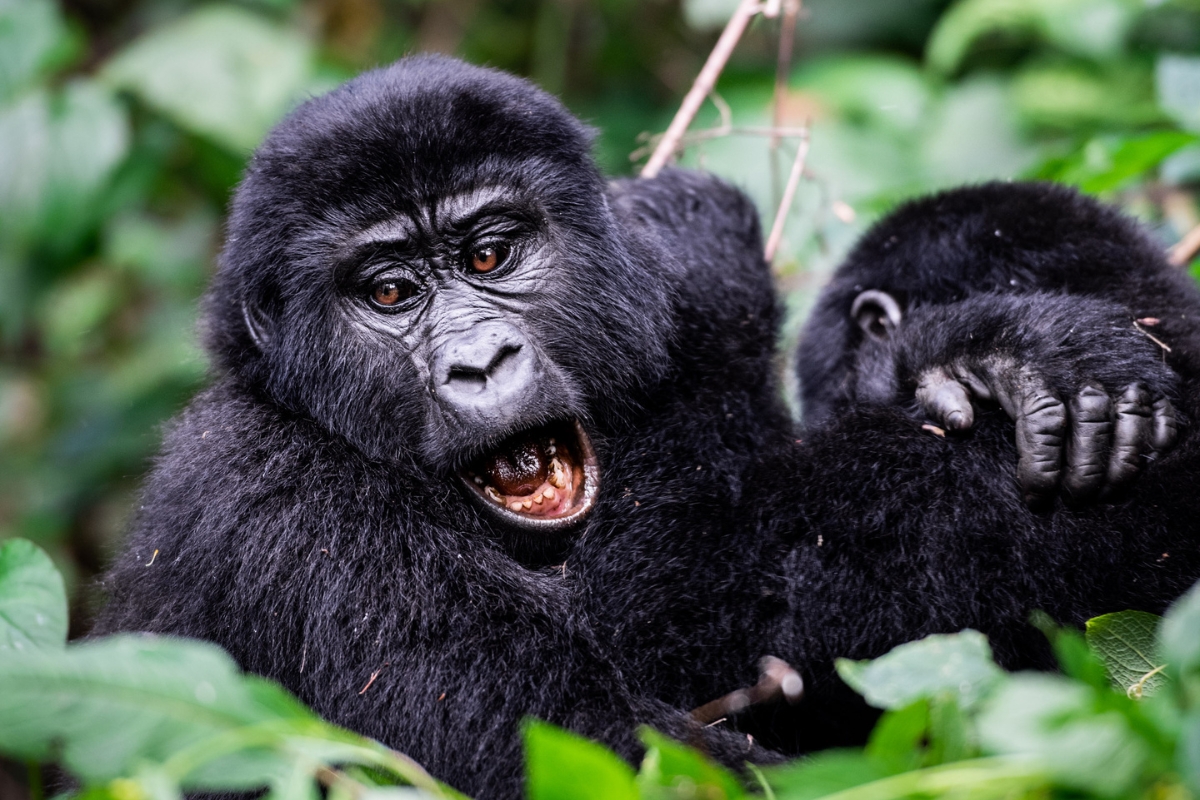
Bwindi Impenetrable Forest is home to approximately half of the world’s remaining mountain gorilla population, with several habituated families spread across four sectors of the park, each offering a different landscape and atmosphere. The trek to locate a family can take anywhere from thirty minutes to half a day, moving through ancient montane forest that earns its name. The hour spent in the presence of a gorilla family, watching young animals play while a silverback rests within metres of where you are standing, has no real equivalent anywhere in the natural world.
Bwindi is one of the oldest and most biologically rich forests in Africa, having survived the Pleistocene ice ages as a forest refugium while much of the continent’s vegetation was replaced by grassland. The result is a forest of considerable depth: more than 1,000 flowering plant species, 347 bird species, 120 mammal species and 202 butterfly species have been recorded here. It was inscribed as a UNESCO World Heritage Site in 1994, recognised for both its primate populations and its broader biological significance.
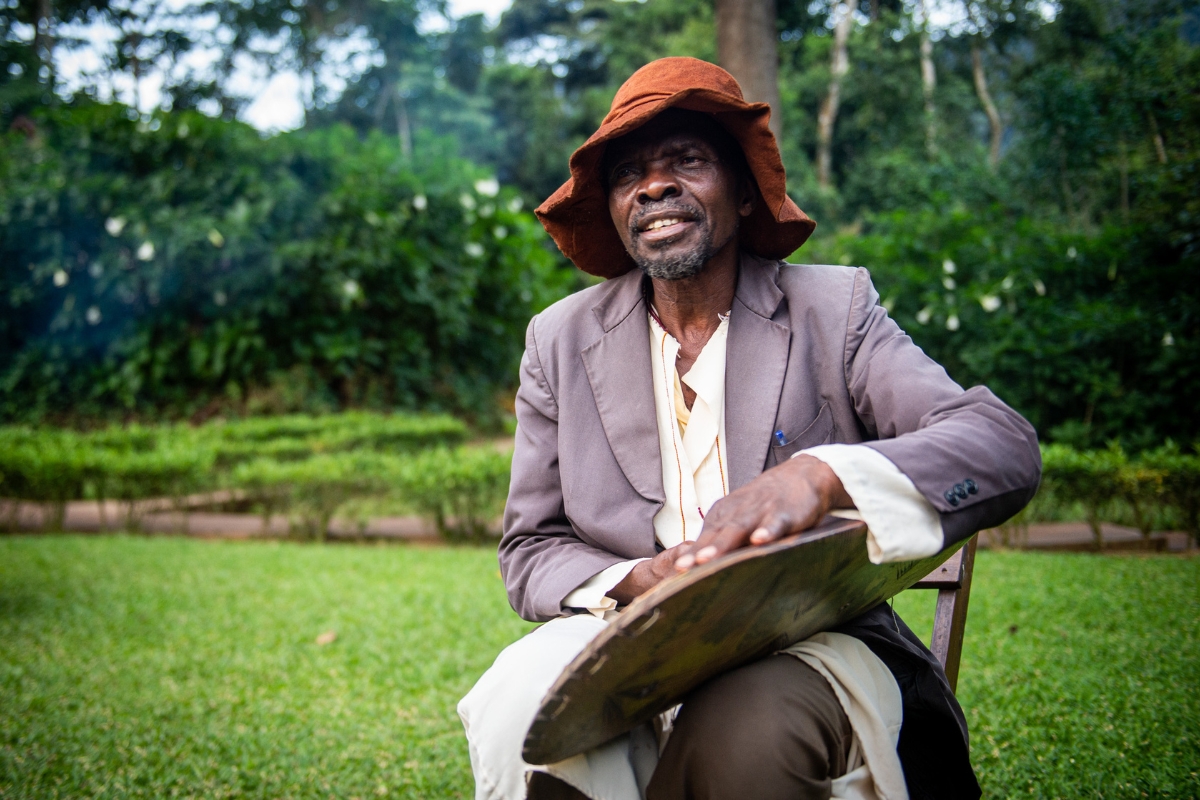
The Batwa people lived as hunter-gatherers within the forests of Bwindi for thousands of years before being displaced when the park was gazetted in 1991. Community programmes run in partnership with Batwa elders offer guided forest experiences in which they share knowledge accumulated over generations: how to navigate the forest, which plants sustain you, how to track animals and read the landscape. These encounters offer a perspective on Bwindi that is entirely different from the gorilla trek, and one that adds genuine human depth to the experience.

01

overview

Bwindi Impenetrable

Bwindi is one of Africa’s most emotionally powerful wildlife destinations. Its steep, ancient rainforest cloaks the hills of southwestern Uganda in mist and birdsong, and the experience of trekking to see mountain gorillas here is profound. The setting is dramatic, the terrain can be demanding, and the reward is one of the world’s greatest wildlife encounters.

Reasons to Visit

Bwindi Impenetrable Forest is home to approximately half of the world’s remaining mountain gorilla population, with several habituated families spread across four sectors of the park, each offering a different landscape and atmosphere. The trek to locate a family can take anywhere from thirty minutes to half a day, moving through ancient montane forest that earns its name. The hour spent in the presence of a gorilla family, watching young animals play while a silverback rests within metres of where you are standing, has no real equivalent anywhere in the natural world.
Bwindi is one of the oldest and most biologically rich forests in Africa, having survived the Pleistocene ice ages as a forest refugium while much of the continent’s vegetation was replaced by grassland. The result is a forest of considerable depth: more than 1,000 flowering plant species, 347 bird species, 120 mammal species and 202 butterfly species have been recorded here. It was inscribed as a UNESCO World Heritage Site in 1994, recognised for both its primate populations and its broader biological significance.
The Batwa people lived as hunter-gatherers within the forests of Bwindi for thousands of years before being displaced when the park was gazetted in 1991. Community programmes run in partnership with Batwa elders offer guided forest experiences in which they share knowledge accumulated over generations: how to navigate the forest, which plants sustain you, how to track animals and read the landscape. These encounters offer a perspective on Bwindi that is entirely different from the gorilla trek, and one that adds genuine human depth to the experience.

01

overview

Mara Conservancies

The Mara conservancies are, for many luxury travellers, the most compelling way to experience the greater Mara ecosystem. Located around the national reserve on community-owned land leased to low-density camps, they offer a more private, more flexible safari style — often with fewer vehicles, off-road driving, night drives and walking. The conservancies retain the Mara’s wildlife richness while adding a sense of exclusivity and intimacy that suits high-end travel exceptionally well.

Reasons to Visit

The conservancies bordering the Masai Mara National Reserve, among them Olare Motorogi, Naboisho, Ol Kinyei and Mara North, offer the same wildlife as the reserve but with a fraction of the vehicle numbers. Activities off the main tracks, including night drives, walking safaris and fly camping, are permitted within the conservancies and unavailable inside the reserve itself. For those who have visited the Mara before and know what they are looking for, the conservancies are consistently the better choice.
The conservancies operate on a model in which Maasai landowners lease their land for conservation, receiving a direct monthly income independent of the ebb and flow of tourism. This alignment of economic interest with wildlife protection has produced landscapes where poaching is low, wildlife moves freely between conservancy and reserve, and the relationship between local communities and the safari industry is genuinely functional. Visiting a conservancy is a direct act of participation in a model with real results.
The conservancies sit squarely on the route that wildebeest follow as they move north from the Serengeti each year. During the main migration period from July to October, the herds pass through conservancy land as naturally as they move through the reserve itself, often in greater calm and with far fewer competing vehicles. The Mara and Talek river crossings are accessible from several of the conservancies, frequently without the crowds that gather at the reserve’s most photographed points.

01

overview

Mara Conservancies

The Mara conservancies are, for many luxury travellers, the most compelling way to experience the greater Mara ecosystem. Located around the national reserve on community-owned land leased to low-density camps, they offer a more private, more flexible safari style — often with fewer vehicles, off-road driving, night drives and walking. The conservancies retain the Mara’s wildlife richness while adding a sense of exclusivity and intimacy that suits high-end travel exceptionally well.

Reasons to Visit

The conservancies bordering the Masai Mara National Reserve, among them Olare Motorogi, Naboisho, Ol Kinyei and Mara North, offer the same wildlife as the reserve but with a fraction of the vehicle numbers. Activities off the main tracks, including night drives, walking safaris and fly camping, are permitted within the conservancies and unavailable inside the reserve itself. For those who have visited the Mara before and know what they are looking for, the conservancies are consistently the better choice.
The conservancies operate on a model in which Maasai landowners lease their land for conservation, receiving a direct monthly income independent of the ebb and flow of tourism. This alignment of economic interest with wildlife protection has produced landscapes where poaching is low, wildlife moves freely between conservancy and reserve, and the relationship between local communities and the safari industry is genuinely functional. Visiting a conservancy is a direct act of participation in a model with real results.
The conservancies sit squarely on the route that wildebeest follow as they move north from the Serengeti each year. During the main migration period from July to October, the herds pass through conservancy land as naturally as they move through the reserve itself, often in greater calm and with far fewer competing vehicles. The Mara and Talek river crossings are accessible from several of the conservancies, frequently without the crowds that gather at the reserve’s most photographed points.

01

overview

Akagera

Akagera is Rwanda’s safari surprise: a beautiful savanna-and-lake ecosystem in the country’s east that has been transformed through careful conservation and now offers a compelling Big Five experience. It feels very different from Rwanda’s gorilla landscapes — lower, warmer and more open — making it a valuable contrast rather than a duplicate. For travellers wanting more than primates alone, Akagera adds real breadth to a Rwanda itinerary.

Reasons to Visit

Akagera National Park was restored to Big Five status in 2017 following the successful reintroduction of black rhino by African Parks, which has managed the park since 2010 and reintroduced lion in 2015. Today, all five iconic species are present within a relatively compact and accessible area, alongside strong populations of elephant, buffalo, giraffe, zebra and hippo. The recovery of this park over fifteen years stands as one of the more tangible conservation achievements in East Africa.
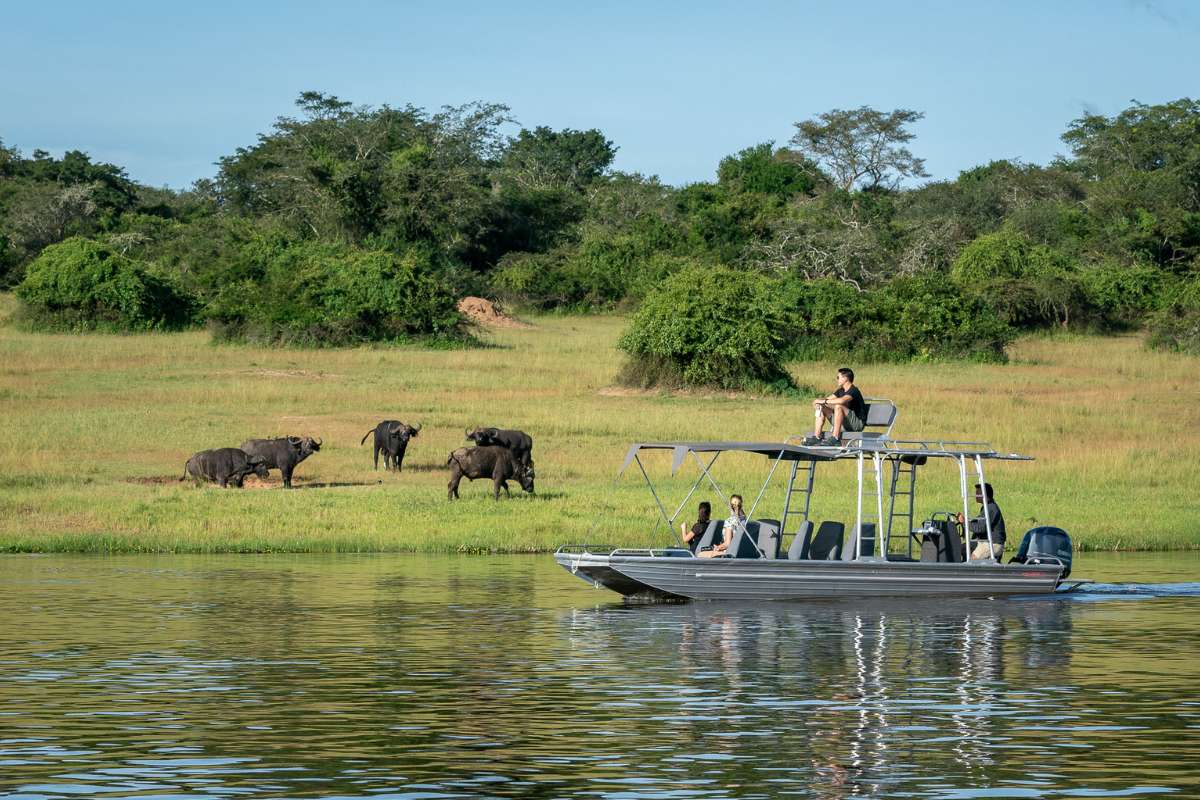
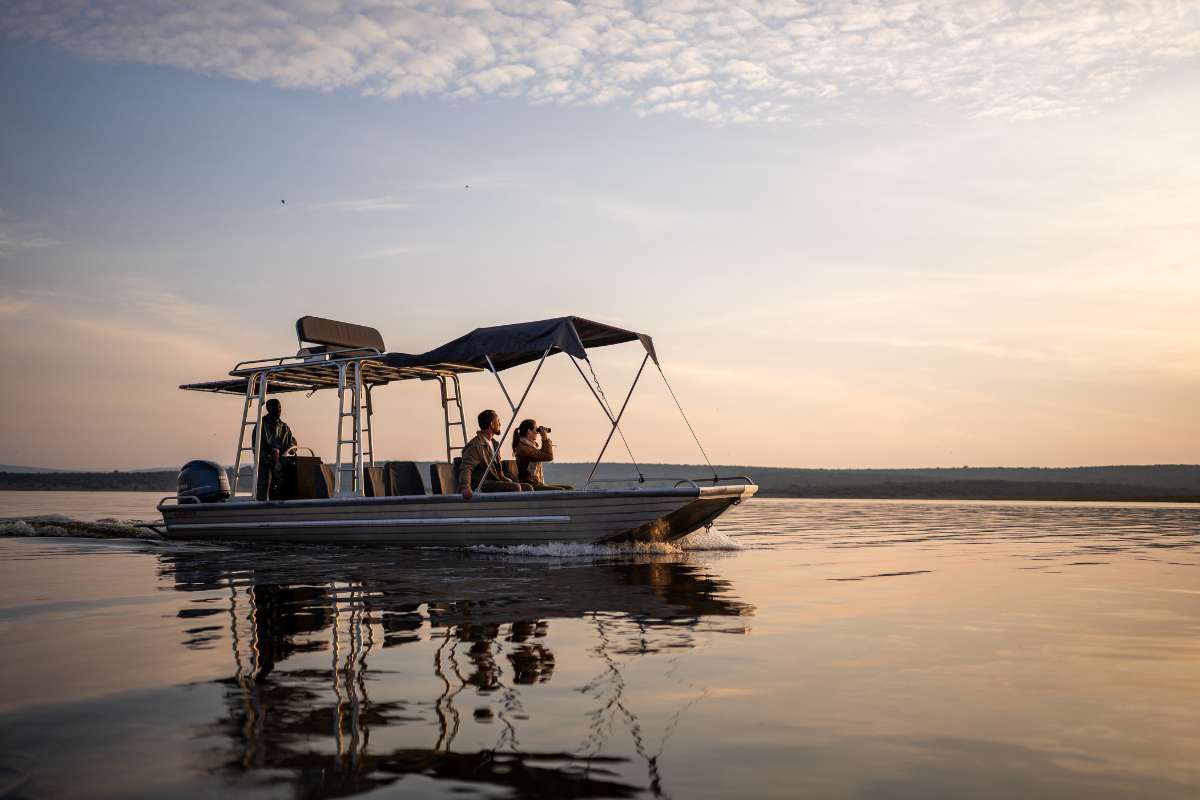
The western edge of Akagera is defined by a chain of lakes and papyrus swamps running the full length of the park, and exploring them by boat is among the most rewarding ways to spend a morning. Hippo, crocodile and a wide range of waterbirds, including the rare shoebill stork, are all potentially encountered from the water. The view from the lake, looking west across the water to the game-rich shoreline, offers a perspective on the park that the road network alone cannot provide.
Akagera’s story is one of the most compelling in African conservation. Devastated by poaching and encroachment in the years following the 1994 genocide, the park was reduced to less than half its original size with much of its wildlife gone. Under African Parks’ management, poaching has been dramatically reduced, wildlife populations have recovered, and the park now generates meaningful revenue for communities on its boundaries. What Akagera has achieved in fifteen years is increasingly cited as a reference point for what is possible elsewhere on the continent.

01

overview

Akagera

Akagera is Rwanda’s safari surprise: a beautiful savanna-and-lake ecosystem in the country’s east that has been transformed through careful conservation and now offers a compelling Big Five experience. It feels very different from Rwanda’s gorilla landscapes — lower, warmer and more open — making it a valuable contrast rather than a duplicate. For travellers wanting more than primates alone, Akagera adds real breadth to a Rwanda itinerary.

Reasons to Visit

Akagera National Park was restored to Big Five status in 2017 following the successful reintroduction of black rhino by African Parks, which has managed the park since 2010 and reintroduced lion in 2015. Today, all five iconic species are present within a relatively compact and accessible area, alongside strong populations of elephant, buffalo, giraffe, zebra and hippo. The recovery of this park over fifteen years stands as one of the more tangible conservation achievements in East Africa.
The western edge of Akagera is defined by a chain of lakes and papyrus swamps running the full length of the park, and exploring them by boat is among the most rewarding ways to spend a morning. Hippo, crocodile and a wide range of waterbirds, including the rare shoebill stork, are all potentially encountered from the water. The view from the lake, looking west across the water to the game-rich shoreline, offers a perspective on the park that the road network alone cannot provide.
Akagera’s story is one of the most compelling in African conservation. Devastated by poaching and encroachment in the years following the 1994 genocide, the park was reduced to less than half its original size with much of its wildlife gone. Under African Parks’ management, poaching has been dramatically reduced, wildlife populations have recovered, and the park now generates meaningful revenue for communities on its boundaries. What Akagera has achieved in fifteen years is increasingly cited as a reference point for what is possible elsewhere on the continent.

01

overview

Kibale Forest

Kibale is the primate capital of Uganda: lush, accessible and scientifically fascinating, with chimpanzees as its star attraction. The forest is beautiful in its own right, and the quality of chimp tracking here makes it one of the best places in Africa for primate-focused travel. It is also easy to combine with Queen Elizabeth National Park for a rewarding contrast between forest and savanna.

Reasons to Visit

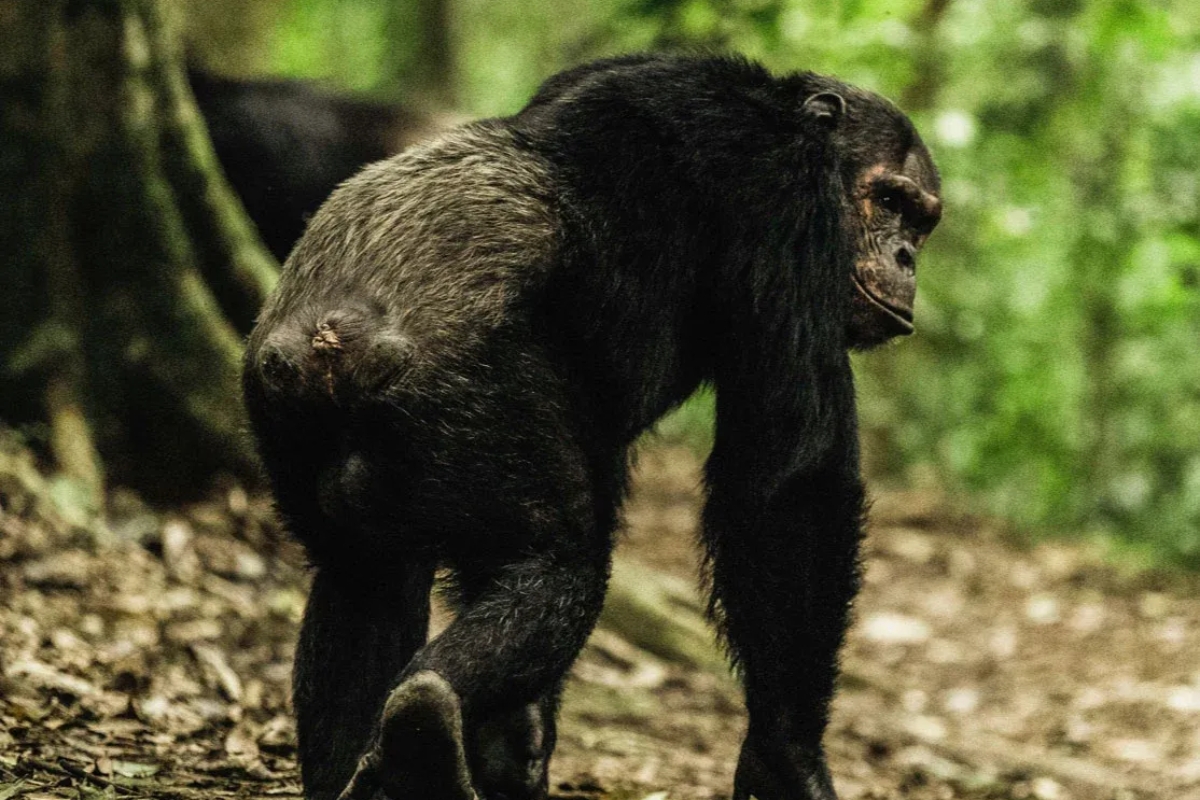
Kibale Forest National Park holds one of the densest chimpanzee populations in Africa, with more than 1,500 individuals living across its 795 square kilometres of moist evergreen forest. The Kanyanchu community, habituated since the 1990s, is consistently encountered on morning and afternoon treks, typically in conditions that allow extended, unhurried observation of social behaviour, feeding and play. By most measures, Kibale is the premier chimpanzee trekking destination in Africa.
Kibale Forest supports more than 370 bird species, including 35 Albertine Rift endemics found nowhere outside this specific biogeographic zone. The green-breasted pitta, African pitta, black bee-eater and Cassin’s spinetail are among the species that draw dedicated birders from considerable distances. The forest’s density and the depth of knowledge among Kibale’s specialist guides make it one of the most productive single birding sites in East Africa.
On the southern edge of Kibale lies Bigodi Wetland Sanctuary, a community-run conservation area protecting a papyrus swamp and riverine forest of considerable ecological richness. Guided walks are led by community members trained as naturalist guides, and the combination of primates including red-tailed monkey, grey-cheeked mangabey and L’Hoest’s monkey, alongside strong waterbird sightings and revenue staying directly within the community, makes Bigodi one of the most satisfying half-day experiences in western Uganda.

01

overview

Kibale Forest

Kibale is the primate capital of Uganda: lush, accessible and scientifically fascinating, with chimpanzees as its star attraction. The forest is beautiful in its own right, and the quality of chimp tracking here makes it one of the best places in Africa for primate-focused travel. It is also easy to combine with Queen Elizabeth National Park for a rewarding contrast between forest and savanna.

Reasons to Visit

Kibale Forest National Park holds one of the densest chimpanzee populations in Africa, with more than 1,500 individuals living across its 795 square kilometres of moist evergreen forest. The Kanyanchu community, habituated since the 1990s, is consistently encountered on morning and afternoon treks, typically in conditions that allow extended, unhurried observation of social behaviour, feeding and play. By most measures, Kibale is the premier chimpanzee trekking destination in Africa.
Kibale Forest supports more than 370 bird species, including 35 Albertine Rift endemics found nowhere outside this specific biogeographic zone. The green-breasted pitta, African pitta, black bee-eater and Cassin’s spinetail are among the species that draw dedicated birders from considerable distances. The forest’s density and the depth of knowledge among Kibale’s specialist guides make it one of the most productive single birding sites in East Africa.
On the southern edge of Kibale lies Bigodi Wetland Sanctuary, a community-run conservation area protecting a papyrus swamp and riverine forest of considerable ecological richness. Guided walks are led by community members trained as naturalist guides, and the combination of primates including red-tailed monkey, grey-cheeked mangabey and L’Hoest’s monkey, alongside strong waterbird sightings and revenue staying directly within the community, makes Bigodi one of the most satisfying half-day experiences in western Uganda.

01

overview

Laikiapia

Laikipia is one of Kenya’s most sophisticated safari regions: a mosaic of private conservancies, ranchlands, valleys and wild uplands where conservation, community partnerships and exceptional guiding intersect. Unlike a traditional national park, Laikipia feels layered and deeply tailored — ideal for travellers who want exclusivity, flexibility and more than game drives alone.

Reasons to Visit

The Laikipia Plateau covers more than 9,500 square kilometres of Kenya’s central highlands, managed as a mosaic of private ranches and community conservancies that collectively protect one of the country’s most significant wildlife populations outside the national parks. Guest numbers are deliberately low across the plateau, and the activities available, from horseback safaris to fly camping, operate with a freedom that more regulated destinations cannot offer.
Laikipia holds the second-largest elephant population in Kenya and a significant proportion of the country’s remaining black rhino. Its network of privately managed conservancies has become one of the most successful examples of community-based conservation in Africa, demonstrating what is achievable when wildlife and land ownership are brought into genuine alignment. Grevy’s zebra, endangered and found only in northern Kenya and Ethiopia, are also reliably encountered across the plateau.
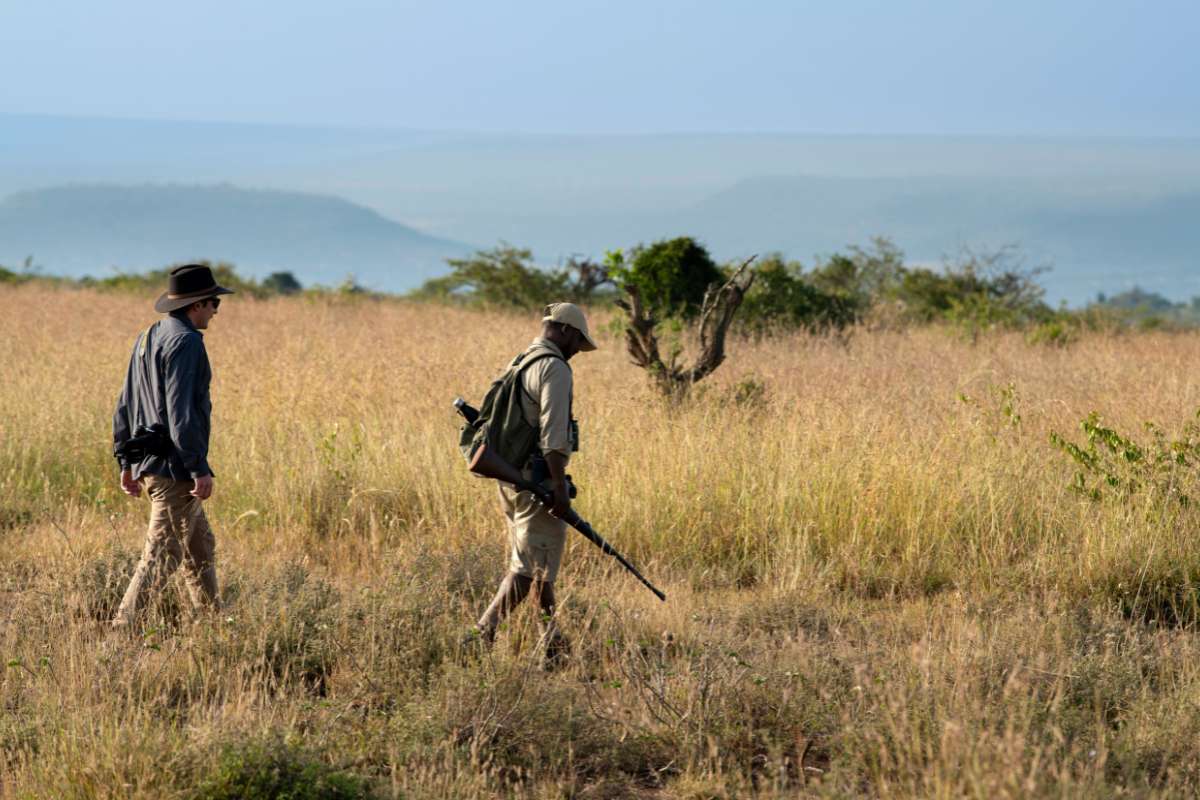
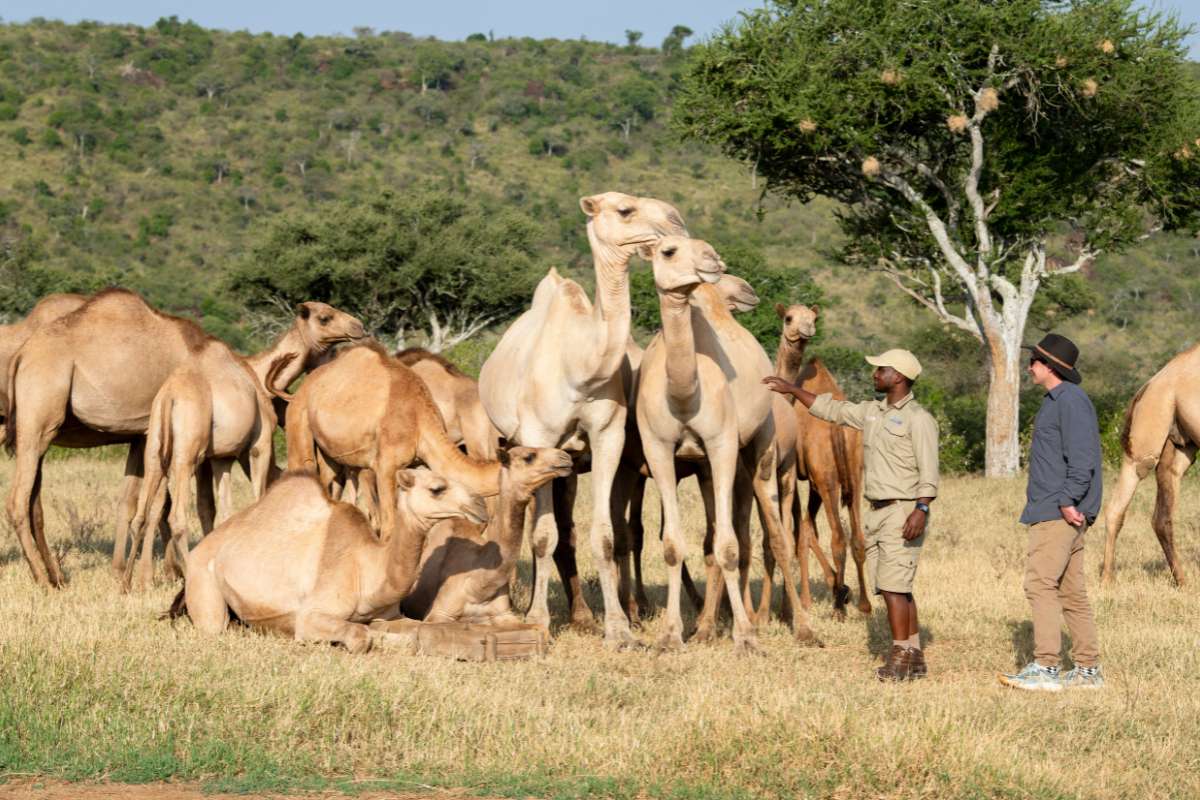
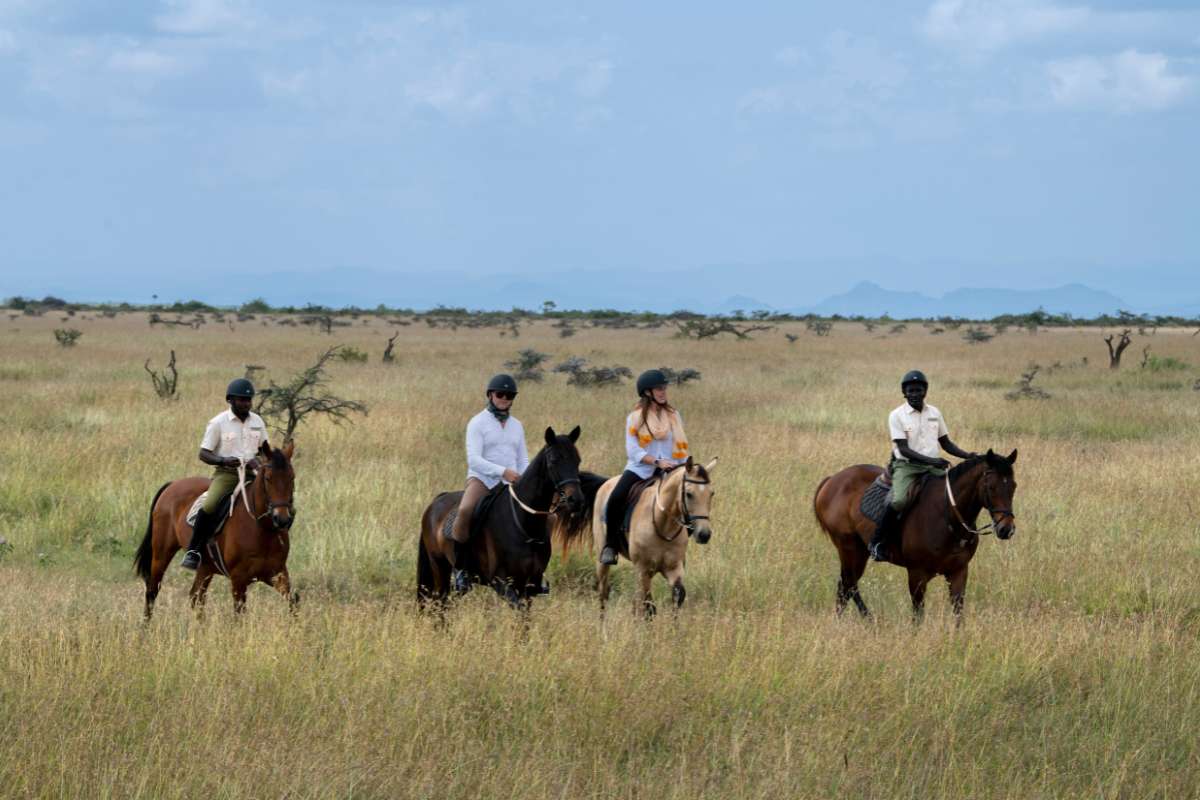
Laikipia is one of the few places in Africa where horseback safaris can be conducted in the presence of free-ranging elephant, lion and buffalo. Moving through the bush at pace, without the barrier of a vehicle, changes the dynamic of a wildlife encounter in ways that take most people by surprise. Camel safaris offer a quieter alternative, covering ground through the dry north with pack animals and guides who have known the landscape for generations.

01

overview

Laikiapia

Laikipia is one of Kenya’s most sophisticated safari regions: a mosaic of private conservancies, ranchlands, valleys and wild uplands where conservation, community partnerships and exceptional guiding intersect. Unlike a traditional national park, Laikipia feels layered and deeply tailored — ideal for travellers who want exclusivity, flexibility and more than game drives alone.

Reasons to Visit

The Laikipia Plateau covers more than 9,500 square kilometres of Kenya’s central highlands, managed as a mosaic of private ranches and community conservancies that collectively protect one of the country’s most significant wildlife populations outside the national parks. Guest numbers are deliberately low across the plateau, and the activities available, from horseback safaris to fly camping, operate with a freedom that more regulated destinations cannot offer.
Laikipia holds the second-largest elephant population in Kenya and a significant proportion of the country’s remaining black rhino. Its network of privately managed conservancies has become one of the most successful examples of community-based conservation in Africa, demonstrating what is achievable when wildlife and land ownership are brought into genuine alignment. Grevy’s zebra, endangered and found only in northern Kenya and Ethiopia, are also reliably encountered across the plateau.
Laikipia is one of the few places in Africa where horseback safaris can be conducted in the presence of free-ranging elephant, lion and buffalo. Moving through the bush at pace, without the barrier of a vehicle, changes the dynamic of a wildlife encounter in ways that take most people by surprise. Camel safaris offer a quieter alternative, covering ground through the dry north with pack animals and guides who have known the landscape for generations.

01

overview

Masai Mara

The Maasai Mara is one of the great names in wildlife travel and remains extraordinary for good reason. Its open plains, river systems and predator-rich grasslands host one of the planet’s most celebrated natural events — the migration — but the Mara is far more than a seasonal spectacle. Even outside migration months, it offers classic East African safari with superb cat sightings, dramatic scenery and an unmistakable sense of scale.

Reasons to Visit

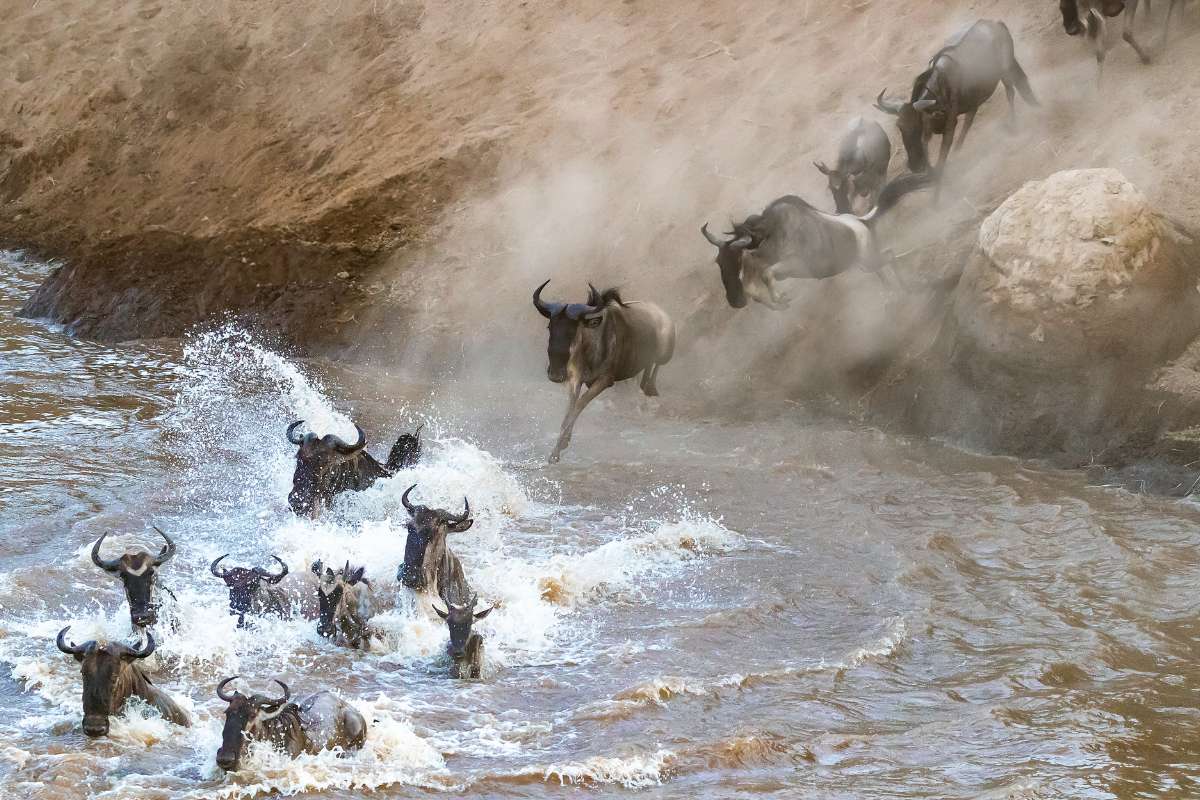
The Masai Mara is where the Great Migration reaches its most dramatic point. Between July and October, more than 1.5 million wildebeest cross from Tanzania’s Serengeti into the Mara ecosystem in search of the short grass that the Kenyan rains have produced. The Mara River crossings, in which thousands of animals enter crocodile-filled water simultaneously, draw wildlife photographers and naturalists from every continent, and represent one of the most compelling wildlife spectacles that Africa produces anywhere, in any season.
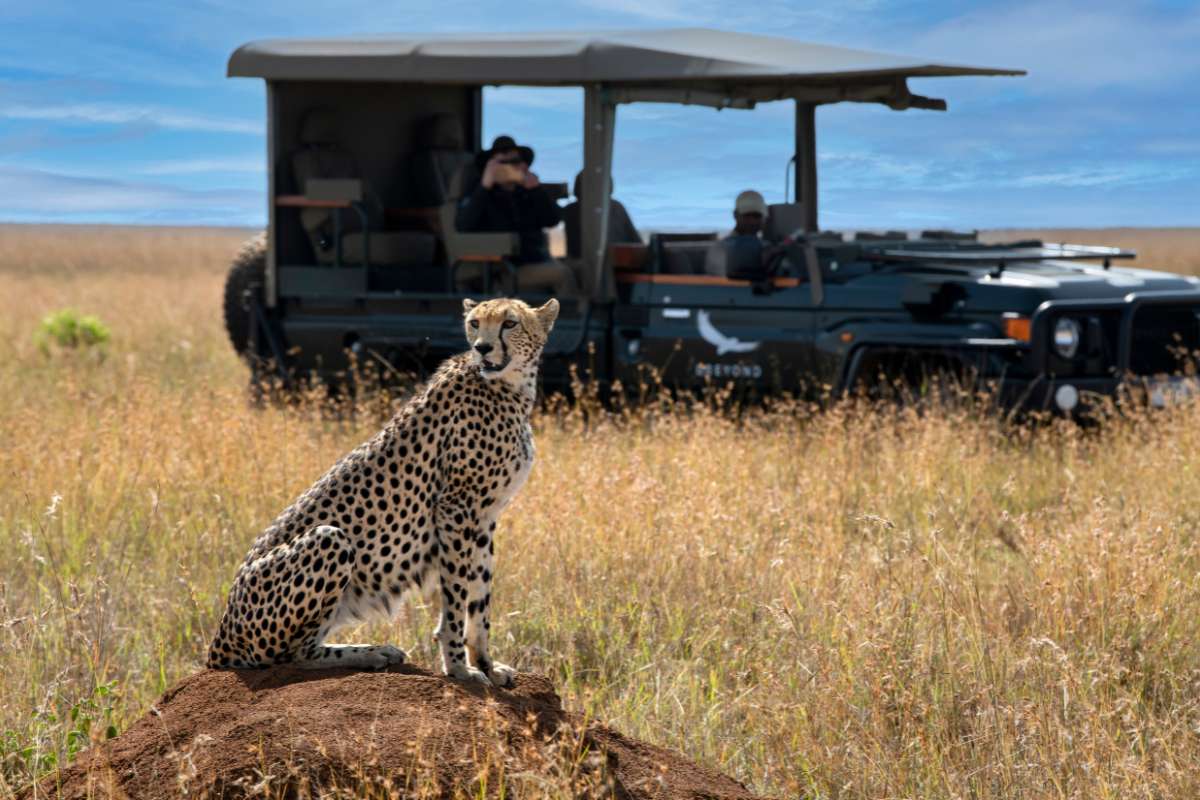
Beyond the migration, the Masai Mara sustains one of the highest densities of lion, leopard and cheetah in Africa. The open grassland permits long, unobstructed sightings and makes for exceptional observation of hunting behaviour and social dynamics. The Mara’s lion prides are among the most extensively studied in the world, and whether you are watching a pride on a kill at dawn or a cheetah scanning the plain from a termite mound, these encounters are consistent and reliable across every month of the year.
The Masai Mara is the definitive East African safari destination, and the breadth of its game viewing reflects that. Elephant, buffalo, giraffe, hippo and all of the major predators are resident year-round, and the reserve’s open topography means that animals are rarely obscured and sightings rarely cut short. The Mara defines what most people picture when they imagine an African safari, and on the ground it very rarely disappoints.

01

overview

Masai Mara

The Maasai Mara is one of the great names in wildlife travel and remains extraordinary for good reason. Its open plains, river systems and predator-rich grasslands host one of the planet’s most celebrated natural events — the migration — but the Mara is far more than a seasonal spectacle. Even outside migration months, it offers classic East African safari with superb cat sightings, dramatic scenery and an unmistakable sense of scale.

Reasons to Visit

The Masai Mara is where the Great Migration reaches its most dramatic point. Between July and October, more than 1.5 million wildebeest cross from Tanzania’s Serengeti into the Mara ecosystem in search of the short grass that the Kenyan rains have produced. The Mara River crossings, in which thousands of animals enter crocodile-filled water simultaneously, draw wildlife photographers and naturalists from every continent, and represent one of the most compelling wildlife spectacles that Africa produces anywhere, in any season.
Beyond the migration, the Masai Mara sustains one of the highest densities of lion, leopard and cheetah in Africa. The open grassland permits long, unobstructed sightings and makes for exceptional observation of hunting behaviour and social dynamics. The Mara’s lion prides are among the most extensively studied in the world, and whether you are watching a pride on a kill at dawn or a cheetah scanning the plain from a termite mound, these encounters are consistent and reliable across every month of the year.
The Masai Mara is the definitive East African safari destination, and the breadth of its game viewing reflects that. Elephant, buffalo, giraffe, hippo and all of the major predators are resident year-round, and the reserve’s open topography means that animals are rarely obscured and sightings rarely cut short. The Mara defines what most people picture when they imagine an African safari, and on the ground it very rarely disappoints.

01

overview

Tarangire

Tarangire is one of Tanzania’s most rewarding dry-season parks and one that often surprises travellers with its beauty and wildlife density. Known for ancient baobabs, seasonal elephant concentrations and a more textured landscape than the Serengeti plains, it brings character and contrast to the northern circuit. It also tends to feel slightly less expected, which gives it strong appeal for travellers who appreciate nuance.

Reasons to Visit

Tarangire is defined by its baobabs: ancient trees that punctuate the open miombo woodland in numbers that make the park’s landscape immediately recognisable. Some individuals here are estimated at more than a thousand years old, their trunks swollen to several metres in diameter, their upper branches spreading wide against a dry-season sky that is consistently clear and blue. Elephant move around and beneath them in scenes that feel specific to this park alone.
Tarangire receives significantly fewer visitors than the Serengeti or Ngorongoro Crater despite holding much of the same wildlife. Most northern circuit itineraries pass through quickly, giving the park less time than it deserves. For those who allocate two or three nights, the result is consistently strong game viewing, largely to themselves, in a landscape that rewards the extra attention.
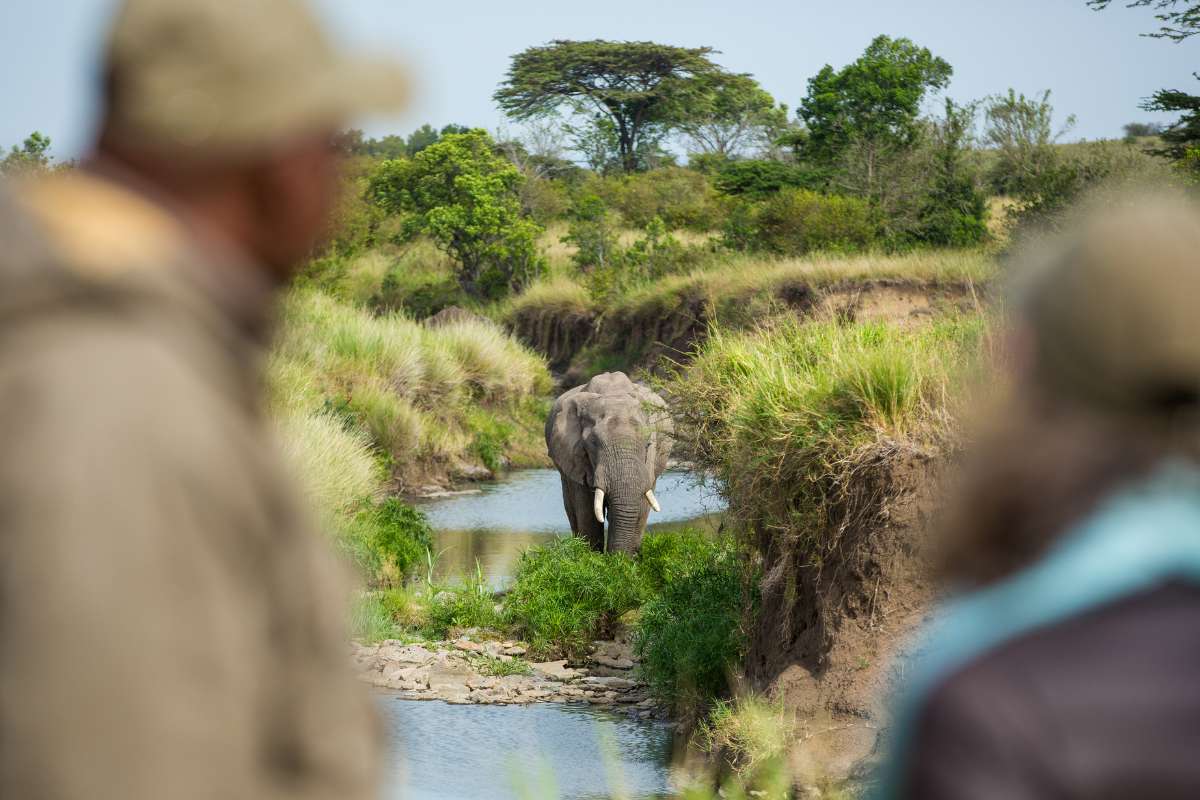
The Tarangire River is one of the few permanent water sources in the region during the dry season, and from June to October it draws elephant from across a vast migratory range to its banks. Concentrations of several hundred individuals at a single water source are not uncommon, and watching a herd of this scale move through the baobab landscape in the late afternoon light is one of the most quietly impressive sights the northern Tanzania circuit can offer.

01

overview

Tarangire

Tarangire is one of Tanzania’s most rewarding dry-season parks and one that often surprises travellers with its beauty and wildlife density. Known for ancient baobabs, seasonal elephant concentrations and a more textured landscape than the Serengeti plains, it brings character and contrast to the northern circuit. It also tends to feel slightly less expected, which gives it strong appeal for travellers who appreciate nuance.

Reasons to Visit

Tarangire is defined by its baobabs: ancient trees that punctuate the open miombo woodland in numbers that make the park’s landscape immediately recognisable. Some individuals here are estimated at more than a thousand years old, their trunks swollen to several metres in diameter, their upper branches spreading wide against a dry-season sky that is consistently clear and blue. Elephant move around and beneath them in scenes that feel specific to this park alone.
Tarangire receives significantly fewer visitors than the Serengeti or Ngorongoro Crater despite holding much of the same wildlife. Most northern circuit itineraries pass through quickly, giving the park less time than it deserves. For those who allocate two or three nights, the result is consistently strong game viewing, largely to themselves, in a landscape that rewards the extra attention.
The Tarangire River is one of the few permanent water sources in the region during the dry season, and from June to October it draws elephant from across a vast migratory range to its banks. Concentrations of several hundred individuals at a single water source are not uncommon, and watching a herd of this scale move through the baobab landscape in the late afternoon light is one of the most quietly impressive sights the northern Tanzania circuit can offer.

01

overview

Nyungwe National Park

Nyungwe is a magnificent rainforest destination of ridgelines, mist, orchids and primates. It offers a more cerebral, less obviously dramatic wildlife experience than gorilla trekking, but for many travellers it becomes a trip highlight precisely because of its atmosphere and biodiversity. Chimpanzees, monkeys, canopy walks and forest hiking all contribute to a rewarding sense of immersion.

Reasons to Visit

Nyungwe Forest National Park protects one of the largest montane rainforests in central Africa and supports a population of around 500 chimpanzees. The habituated community in the Cyamudongo section of the forest can be tracked on guided walks, typically offering sightings that are more extended and relaxed than those at more regulated destinations. The forest itself, ancient and largely undisturbed, makes the trek absorbing from the moment you enter the trees.
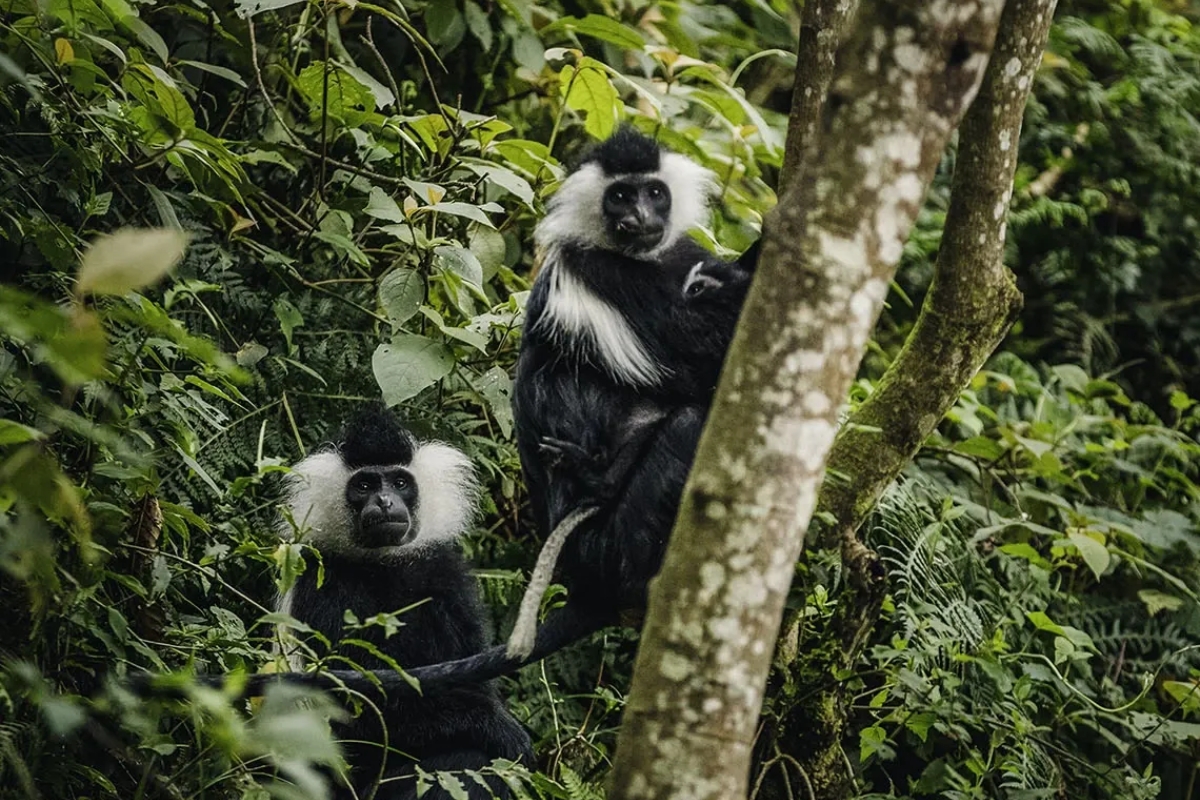
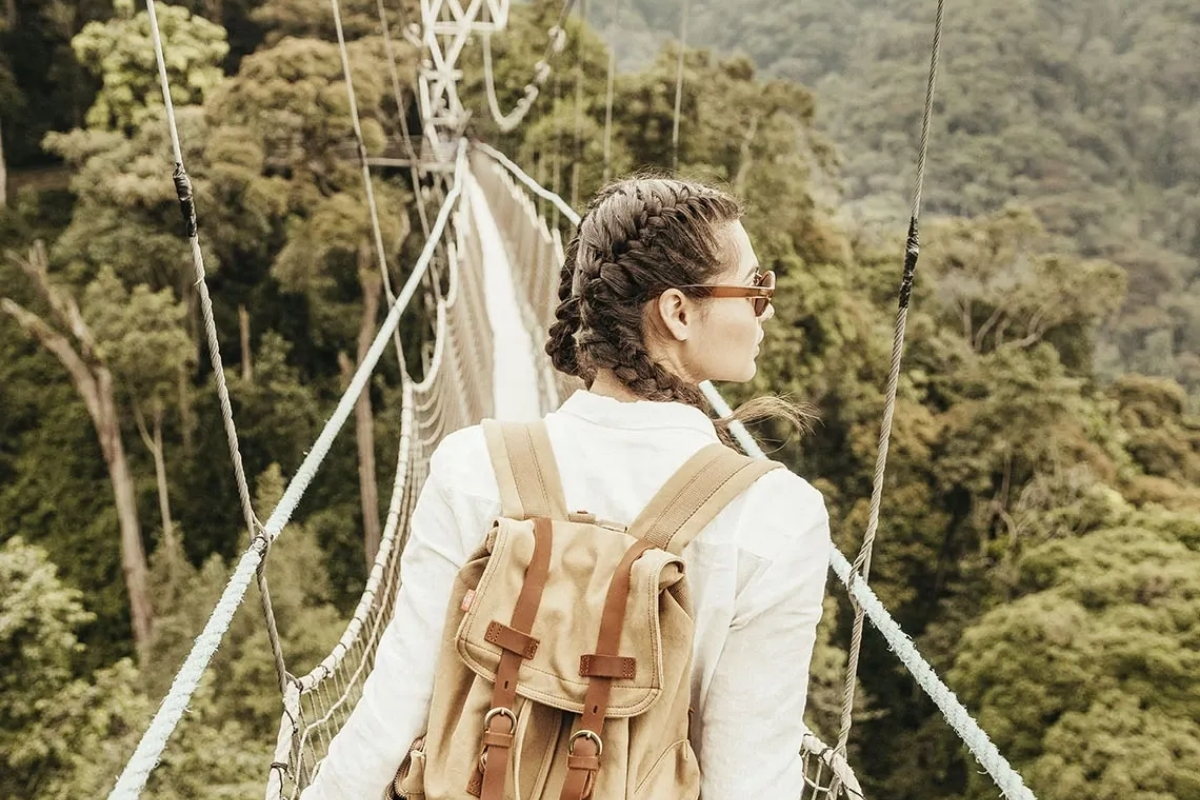
Suspended 50 metres above the forest floor, Nyungwe’s canopy walkway stretches for 160 metres between a series of large trees, offering a perspective on the forest interior available from no other vantage point. At this height the forest sounds change, the light changes, and colobus monkeys moving through the adjacent canopy pass at eye level rather than overhead. It is one of very few such structures in Africa built within a truly intact old-growth rainforest.
Nyungwe is among the most biologically diverse forests in Africa, home to 13 primate species, more than 300 bird species including 29 Albertine Rift endemics, and over 1,000 plant species. The park sits at high altitude, typically above 1,600 metres, and the mist that fills the valleys each morning, and the quality of light as it burns off through the canopy, give Nyungwe an atmosphere unlike any other forest in the region. It rewards slow travel and close attention.

01

overview

Nyungwe National Park

Nyungwe is a magnificent rainforest destination of ridgelines, mist, orchids and primates. It offers a more cerebral, less obviously dramatic wildlife experience than gorilla trekking, but for many travellers it becomes a trip highlight precisely because of its atmosphere and biodiversity. Chimpanzees, monkeys, canopy walks and forest hiking all contribute to a rewarding sense of immersion.

Reasons to Visit

Nyungwe Forest National Park protects one of the largest montane rainforests in central Africa and supports a population of around 500 chimpanzees. The habituated community in the Cyamudongo section of the forest can be tracked on guided walks, typically offering sightings that are more extended and relaxed than those at more regulated destinations. The forest itself, ancient and largely undisturbed, makes the trek absorbing from the moment you enter the trees.
Suspended 50 metres above the forest floor, Nyungwe’s canopy walkway stretches for 160 metres between a series of large trees, offering a perspective on the forest interior available from no other vantage point. At this height the forest sounds change, the light changes, and colobus monkeys moving through the adjacent canopy pass at eye level rather than overhead. It is one of very few such structures in Africa built within a truly intact old-growth rainforest.
Nyungwe is among the most biologically diverse forests in Africa, home to 13 primate species, more than 300 bird species including 29 Albertine Rift endemics, and over 1,000 plant species. The park sits at high altitude, typically above 1,600 metres, and the mist that fills the valleys each morning, and the quality of light as it burns off through the canopy, give Nyungwe an atmosphere unlike any other forest in the region. It rewards slow travel and close attention.

Before you go

START YOUR NEXT ADVENTURE

Get in touch and let us help you plan your dream safari

BE INSPIRED BY YOUR CURIOSITY