



Our blog is where we share what we’re learning, what we’re noticing, and what’s worth knowing before you go. Field notes, destination guides, seasonal updates.

Follow Us

EXPLORE

Every great safari begins with a single conversation. Whenever you’re ready, we’re here.

See Africa the way we see it, through the eyes of people who never stopped looking.

We only work in wild places we’re committed to protecting. Here’s what that looks like in practice.

Honest answers to the questions worth asking before you go.

Overview Map Quick Facts Regions FAQ's -

The Country

Sed ut perspiciatis unde omnis iste natus error sit voluptatem accusantium doloremque laudantium, totam rem aperiam, eaque ipsa quae ab illo inventore veritatis et quasi architecto beatae vitae dicta sunt explicabo. Sed ut perspiciatis unde omnis iste natus error sit eaque ipsa quae ab illo inventore quasi architecto beatae.

Duis aute irure dolor in reprehenderit in voluptate velit esse cillum dolore eu fugiat nulla pariatur. Excepteur sint occaecat cupidatat non proident, sunt in culpa qui officia deserunt mollit anim id est laborum. Duis aute irure dolor in reprehenderit in voluptate velit esse cillum dolore eu fugiat Excepteur sint occaecat.

Lorem ipsum dolor sit amet, consectetur adipiscing elit, sed do eiusmod tempor incididunt ut labore et dolore magna.

Population Size

Geographic Size

Capital

Currency

Offical Language

Best time to visit

01

02

03

04

Plan by region

Click a region below to learn more about the area.

01

overview

Watamu

Watamu is one of Kenya’s most appealing coast-and-marine destinations, balancing relaxed beach life with serious snorkelling, diving and access to one of the country’s richest marine environments. It is softer and more residential in feel than some larger beach centres, making it especially attractive to families, divers and travellers who want a stylish but unfussy coastal finish to safari.

Reasons to Visit

Watamu sits at the edge of a Marine National Park and Reserve protecting 32 kilometres of Kenya’s northern coastline, encompassing coral gardens, seagrass beds and a diversity of marine life that includes five species of sea turtle. The combination of a largely undeveloped shoreline, warm Indian Ocean water and a protected reef system within easy reach of the beach makes Watamu one of the most compelling coastal stops on the East African seaboard.
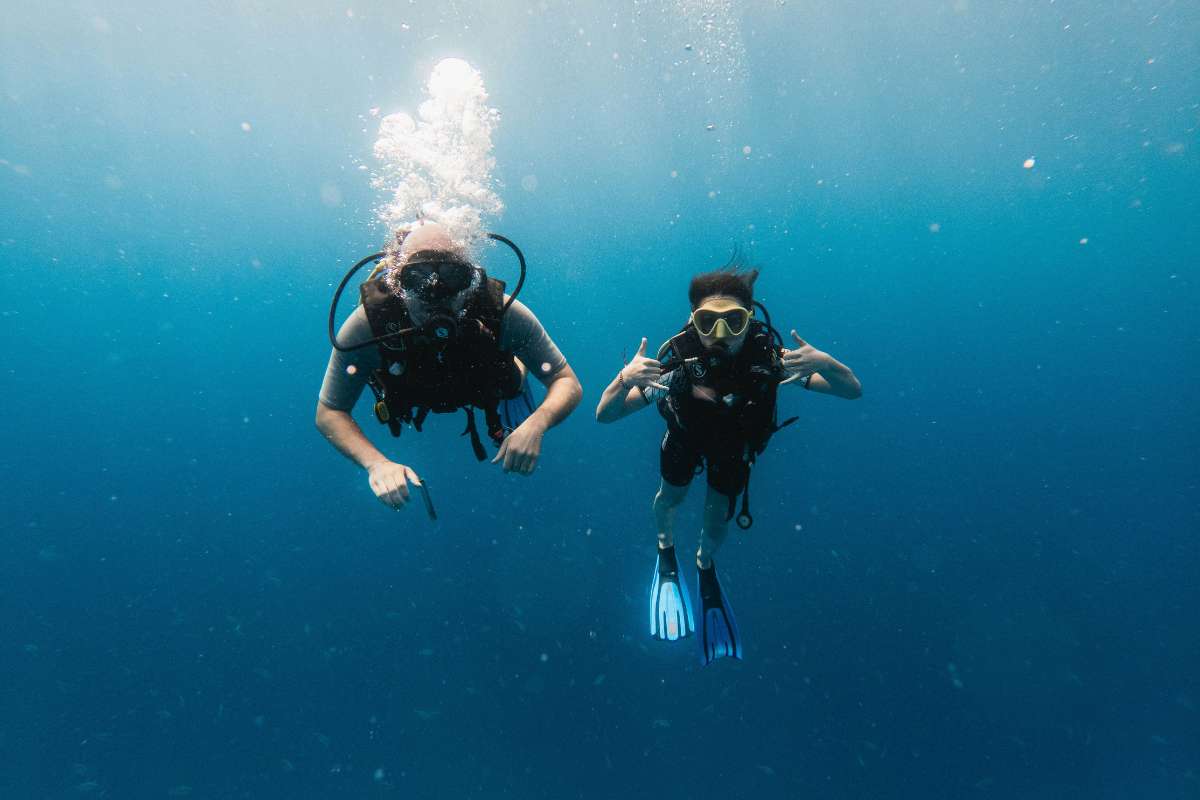
Watamu Marine National Park was established in 1968, making it one of the oldest marine protected areas in Africa, and the coral formations it protects are among the most intact on the Kenyan coast. More than 600 fish species have been recorded in the reserve alongside reef sharks, rays, octopus and hawksbill and green turtles. Between October and February, whale sharks follow the current along the coastline and can be reliably encountered by snorkellers working with local guides who track their movements on a daily basis.
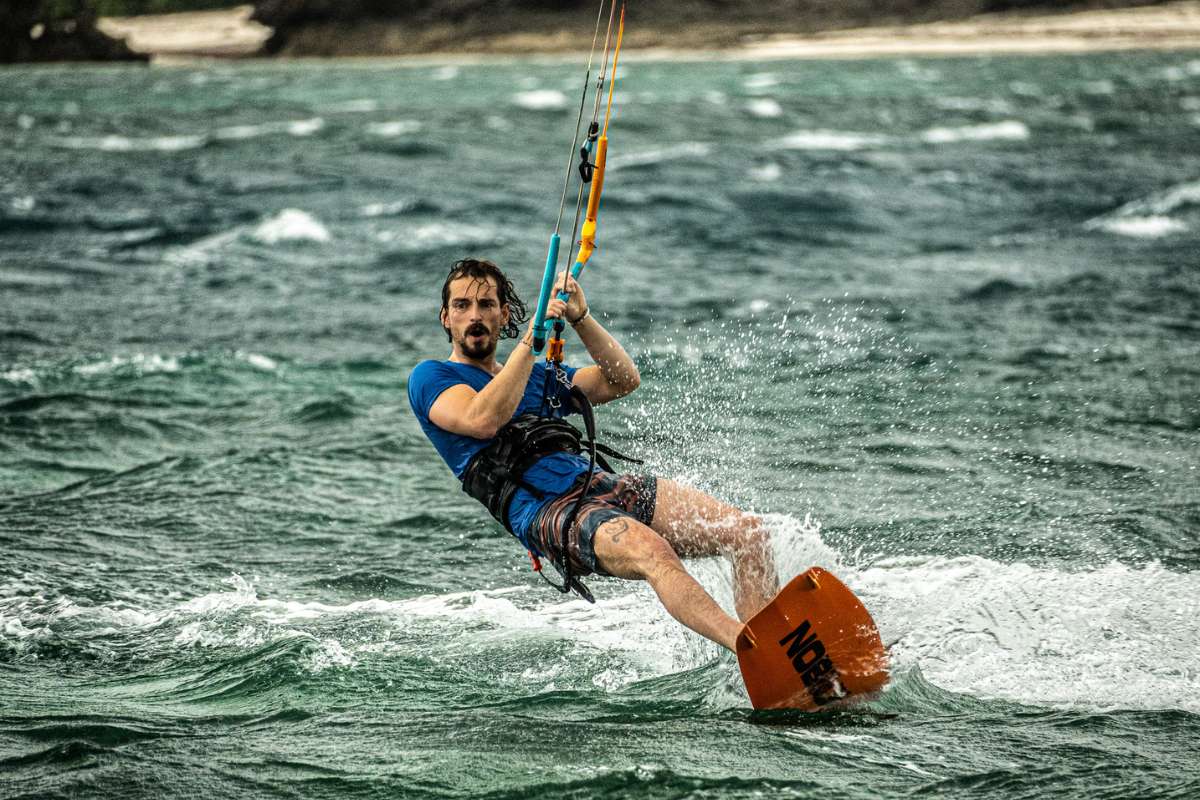
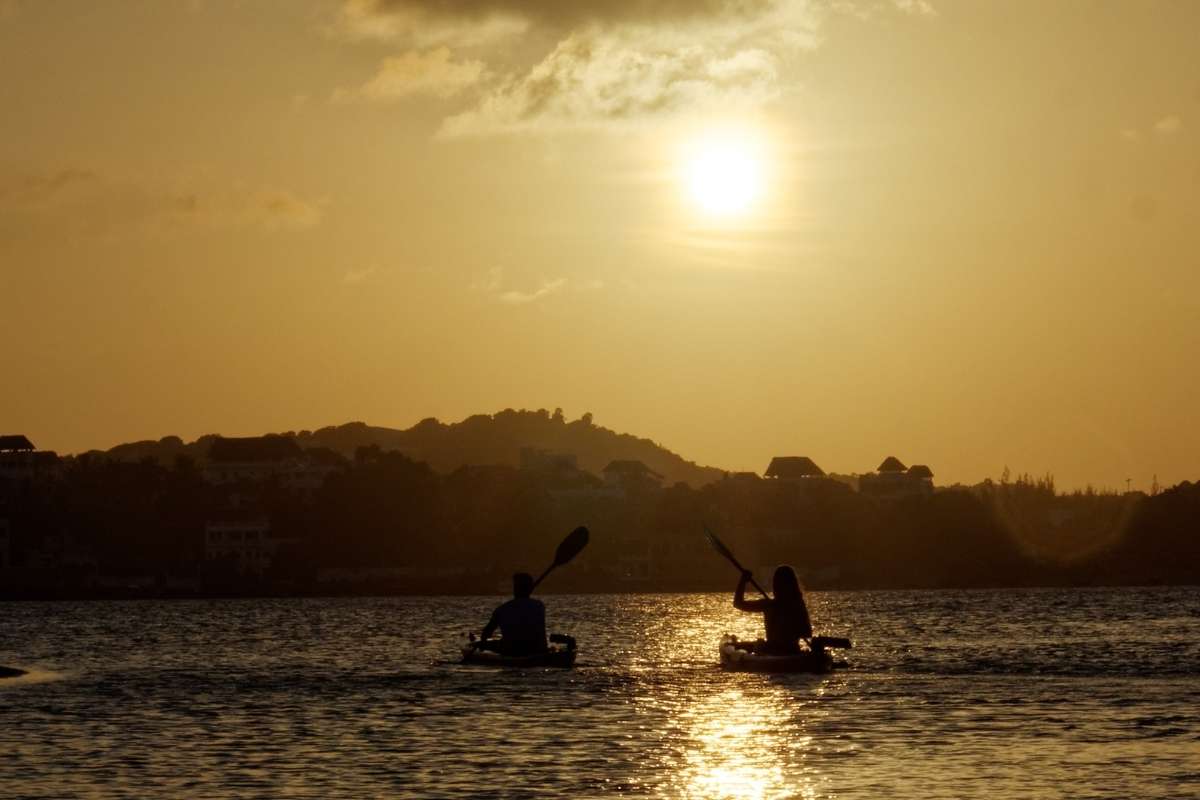
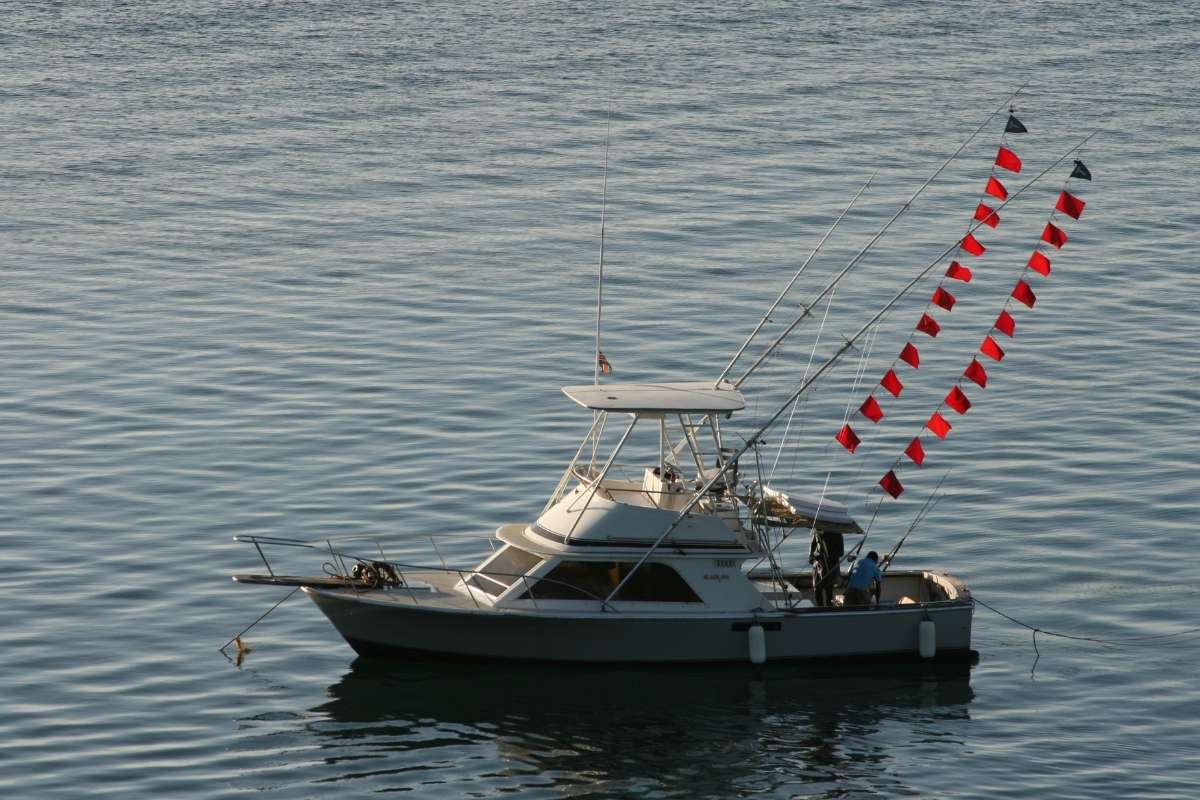
The waters around Watamu support a wide range of ocean activity: deep-sea fishing for marlin and sailfish, kite surfing the channel between the beach and the outer reef, and dhow excursions to the coral gardens at low tide. Guided snorkel trips run in partnership with Local Ocean Conservation, whose sea turtle monitoring programme has been operating on this coastline since 1997, add a purposeful dimension to time spent on the water. Watamu rewards those who engage with the ocean rather than simply watching it from the shore.

01

overview

Watamu

Watamu is one of Kenya’s most appealing coast-and-marine destinations, balancing relaxed beach life with serious snorkelling, diving and access to one of the country’s richest marine environments. It is softer and more residential in feel than some larger beach centres, making it especially attractive to families, divers and travellers who want a stylish but unfussy coastal finish to safari.

Reasons to Visit

Watamu sits at the edge of a Marine National Park and Reserve protecting 32 kilometres of Kenya’s northern coastline, encompassing coral gardens, seagrass beds and a diversity of marine life that includes five species of sea turtle. The combination of a largely undeveloped shoreline, warm Indian Ocean water and a protected reef system within easy reach of the beach makes Watamu one of the most compelling coastal stops on the East African seaboard.
Watamu Marine National Park was established in 1968, making it one of the oldest marine protected areas in Africa, and the coral formations it protects are among the most intact on the Kenyan coast. More than 600 fish species have been recorded in the reserve alongside reef sharks, rays, octopus and hawksbill and green turtles. Between October and February, whale sharks follow the current along the coastline and can be reliably encountered by snorkellers working with local guides who track their movements on a daily basis.
The waters around Watamu support a wide range of ocean activity: deep-sea fishing for marlin and sailfish, kite surfing the channel between the beach and the outer reef, and dhow excursions to the coral gardens at low tide. Guided snorkel trips run in partnership with Local Ocean Conservation, whose sea turtle monitoring programme has been operating on this coastline since 1997, add a purposeful dimension to time spent on the water. Watamu rewards those who engage with the ocean rather than simply watching it from the shore.

01

overview

Lamu Island

Lamu is one of East Africa’s most atmospheric coastal escapes: a place of carved doors, dhow sails, rooftop terraces and a Swahili heritage unlike anywhere else in the region. It is not a beach destination in the conventional resort sense, but a cultural seascape where barefoot elegance and history sit naturally together. For travellers who value character as much as comfort, Lamu is deeply special.

Reasons to Visit

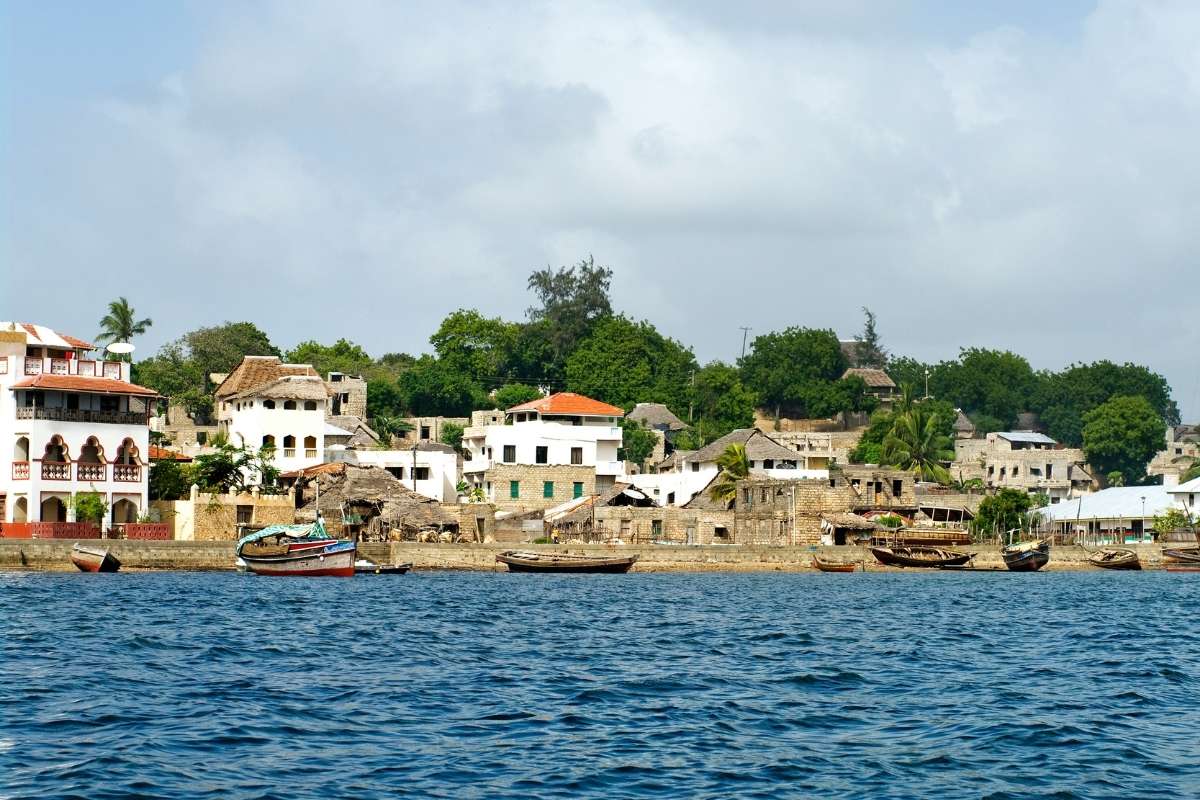
Lamu Old Town is one of the oldest and best-preserved Swahili settlements in East Africa, and one of the quietest. Cars are banned; the streets are too narrow for them. Donkeys and boats are the primary means of getting around, and the pace of life that follows is genuinely unhurried in a way that most destinations only claim to be. The absence of engine noise is itself a quality of rest that takes a little time to properly absorb.
Lamu Old Town was inscribed as a UNESCO World Heritage Site in 2001, recognised as the oldest and best-preserved Swahili settlement in East Africa. Its architecture reflects centuries of Arab, Persian, Indian and Portuguese influence layered onto an African foundation: intricately carved wooden doors, courtyard houses designed to catch the sea breeze, and mosques built in the 14th century still in regular use. The culture here is living rather than preserved, and that makes all the difference.
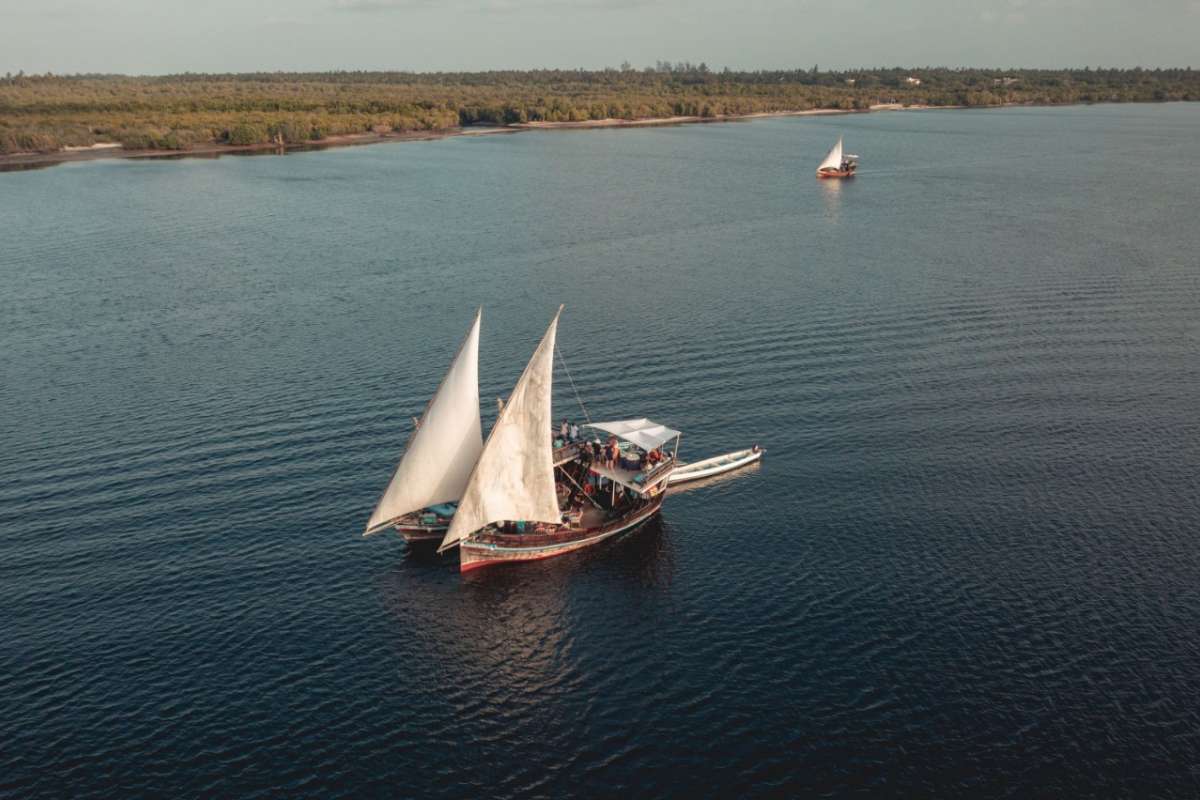
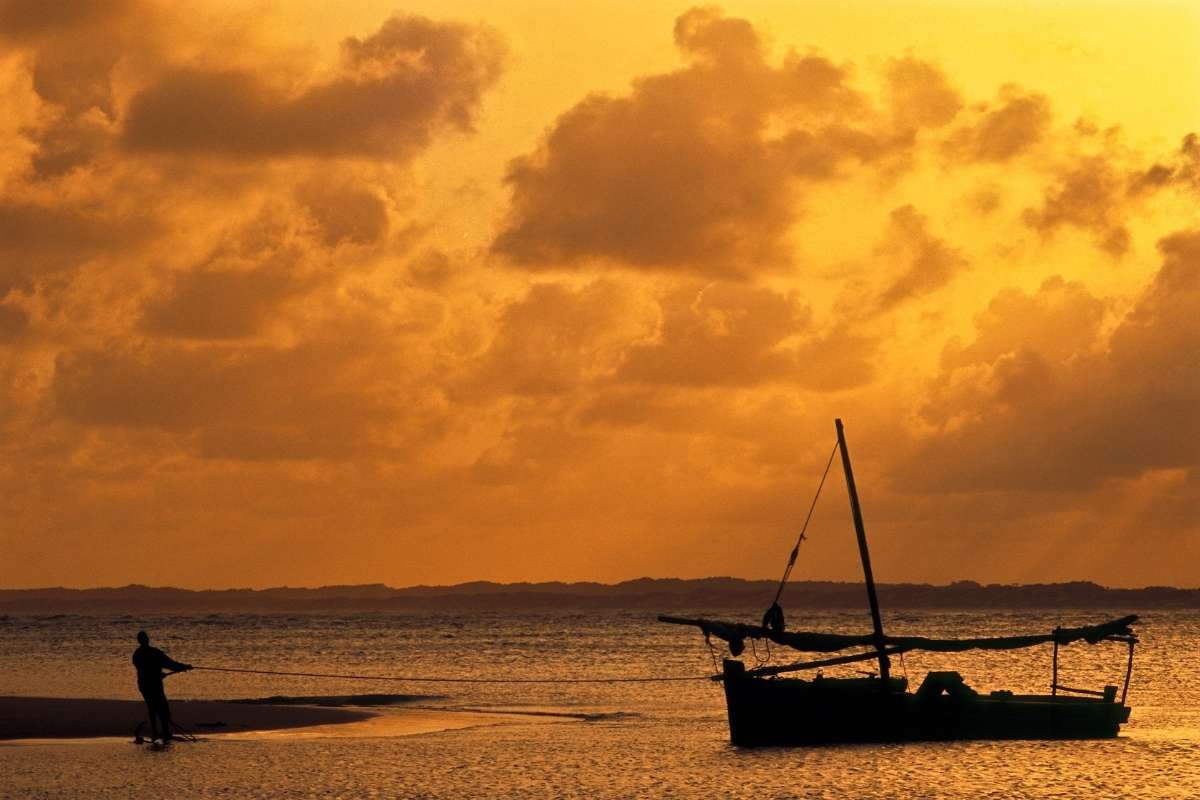
The dhow is the traditional vessel of the East African coast, and Lamu remains one of the places where it is still built, crewed and used in genuine working form. Sailing the Lamu Archipelago by dhow, moving between islands and sandbanks on the same wind that has carried these boats for a thousand years, is one of the quietest experiences the Kenyan coast offers. The archipelago’s waters also support dugong, sea turtles and dolphin, which appear alongside the sailing with a regularity that feels entirely natural.

01

overview

Lamu Island

Lamu is one of East Africa’s most atmospheric coastal escapes: a place of carved doors, dhow sails, rooftop terraces and a Swahili heritage unlike anywhere else in the region. It is not a beach destination in the conventional resort sense, but a cultural seascape where barefoot elegance and history sit naturally together. For travellers who value character as much as comfort, Lamu is deeply special.

Reasons to Visit

Lamu Old Town is one of the oldest and best-preserved Swahili settlements in East Africa, and one of the quietest. Cars are banned; the streets are too narrow for them. Donkeys and boats are the primary means of getting around, and the pace of life that follows is genuinely unhurried in a way that most destinations only claim to be. The absence of engine noise is itself a quality of rest that takes a little time to properly absorb.
Lamu Old Town was inscribed as a UNESCO World Heritage Site in 2001, recognised as the oldest and best-preserved Swahili settlement in East Africa. Its architecture reflects centuries of Arab, Persian, Indian and Portuguese influence layered onto an African foundation: intricately carved wooden doors, courtyard houses designed to catch the sea breeze, and mosques built in the 14th century still in regular use. The culture here is living rather than preserved, and that makes all the difference.
The dhow is the traditional vessel of the East African coast, and Lamu remains one of the places where it is still built, crewed and used in genuine working form. Sailing the Lamu Archipelago by dhow, moving between islands and sandbanks on the same wind that has carried these boats for a thousand years, is one of the quietest experiences the Kenyan coast offers. The archipelago’s waters also support dugong, sea turtles and dolphin, which appear alongside the sailing with a regularity that feels entirely natural.

Before you go

START YOUR NEXT ADVENTURE

Get in touch and let us help you plan your dream safari

BE INSPIRED BY YOUR CURIOSITY