



Our blog is where we share what we’re learning, what we’re noticing, and what’s worth knowing before you go. Field notes, destination guides, seasonal updates.

Follow Us

EXPLORE

Every great safari begins with a single conversation. Whenever you’re ready, we’re here.

See Africa the way we see it, through the eyes of people who never stopped looking.

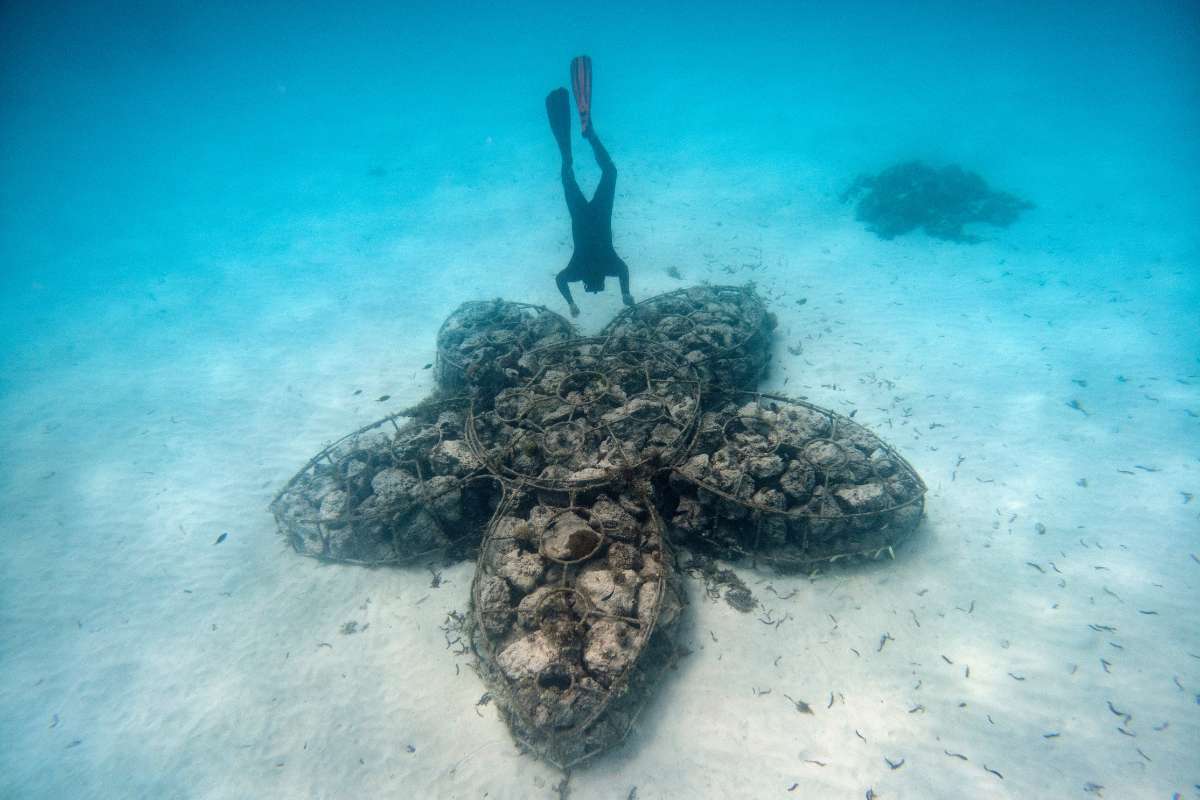
We only work in wild places we’re committed to protecting. Here’s what that looks like in practice.

Honest answers to the questions worth asking before you go.

Overview Map Quick Facts Regions FAQ's -

The Country

Sed ut perspiciatis unde omnis iste natus error sit voluptatem accusantium doloremque laudantium, totam rem aperiam, eaque ipsa quae ab illo inventore veritatis et quasi architecto beatae vitae dicta sunt explicabo. Sed ut perspiciatis unde omnis iste natus error sit eaque ipsa quae ab illo inventore quasi architecto beatae.

Duis aute irure dolor in reprehenderit in voluptate velit esse cillum dolore eu fugiat nulla pariatur. Excepteur sint occaecat cupidatat non proident, sunt in culpa qui officia deserunt mollit anim id est laborum. Duis aute irure dolor in reprehenderit in voluptate velit esse cillum dolore eu fugiat Excepteur sint occaecat.

Lorem ipsum dolor sit amet, consectetur adipiscing elit, sed do eiusmod tempor incididunt ut labore et dolore magna.

Population Size

Geographic Size

Capital

Currency

Offical Language

Best time to visit

01

02

03

04

Plan by region

Click a region below to learn more about the area.
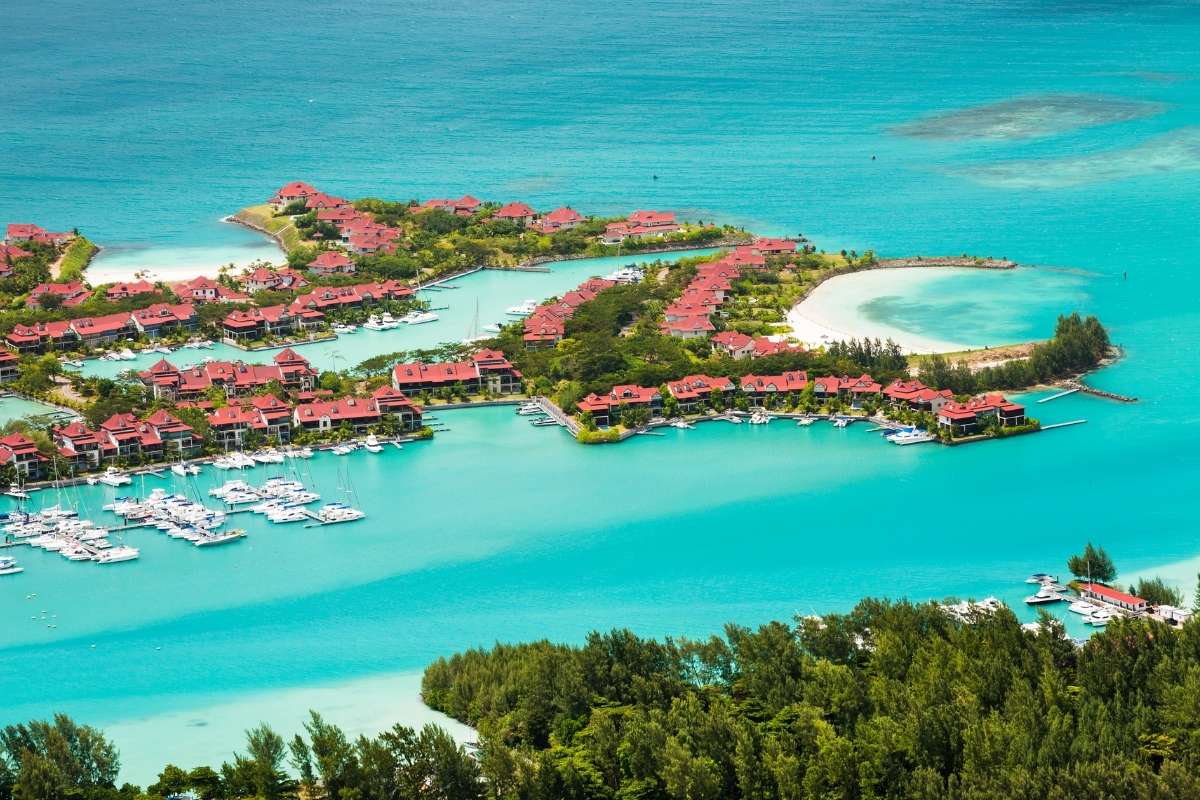
01

overview

Mahé

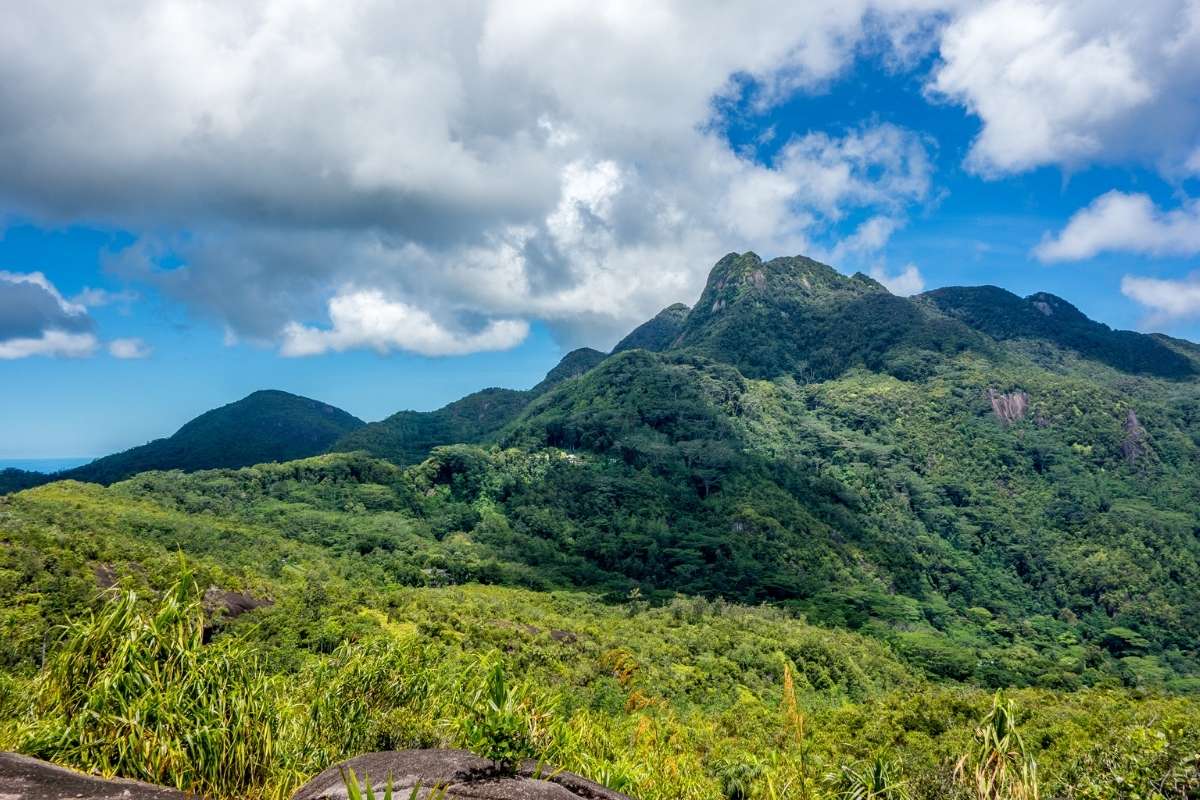
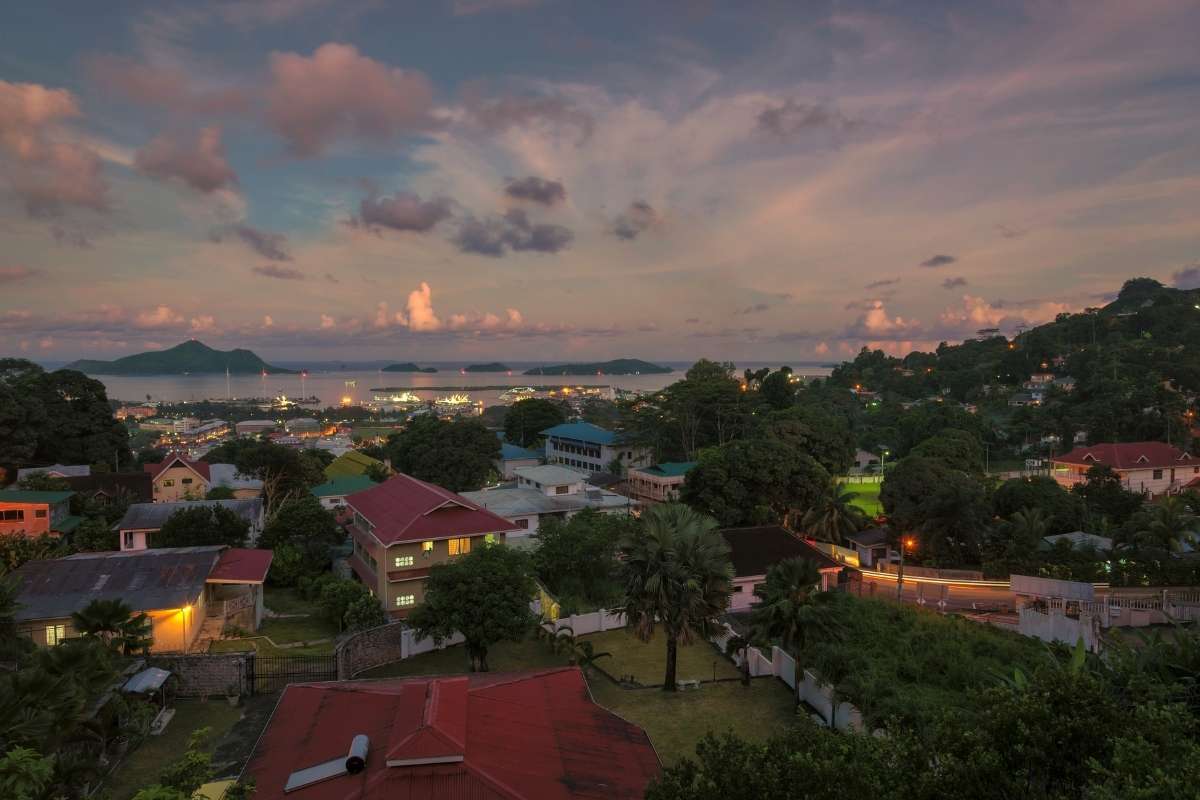
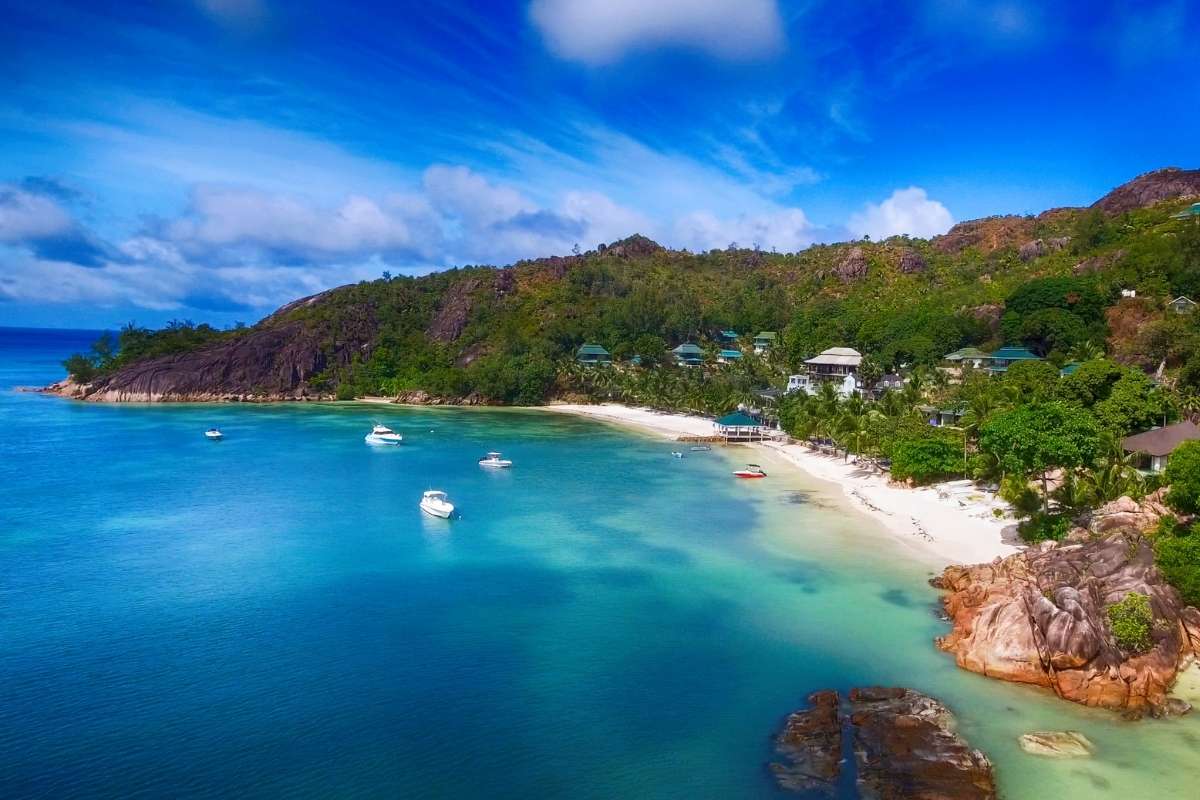
Mahé is the gateway to Seychelles, but it is far more than a transit point. Home to the capital, most of the country’s major hotels and a wide variety of beaches, it offers the broadest mix of culture, comfort and activity in the archipelago. Its jungle-clad mountains and hidden coves give it more depth than many “main islands” elsewhere in the Indian Ocean.

Reasons to Visit

Mahé’s coastline holds more than 60 beaches, from the lively north around Beau Vallon to remote southern coves accessible only on foot or by boat. The variety means there is almost always a beach to yourself if you are prepared to look for it.
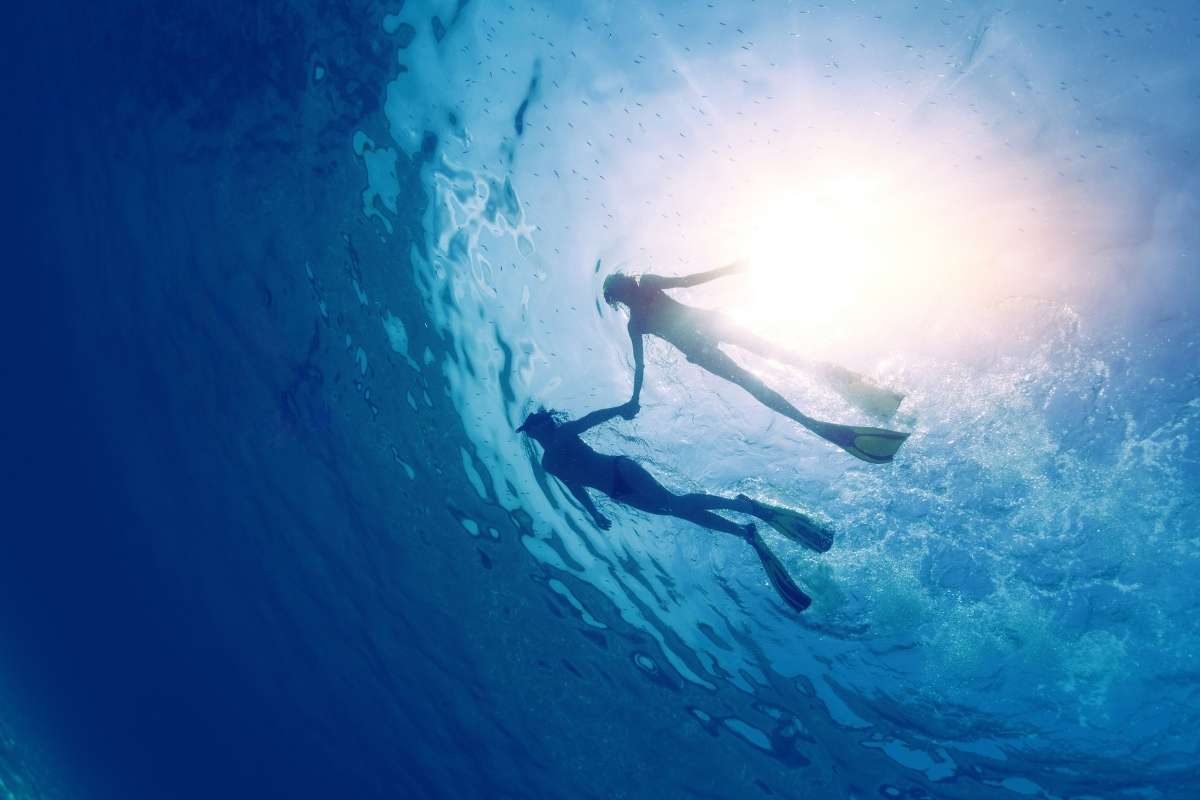
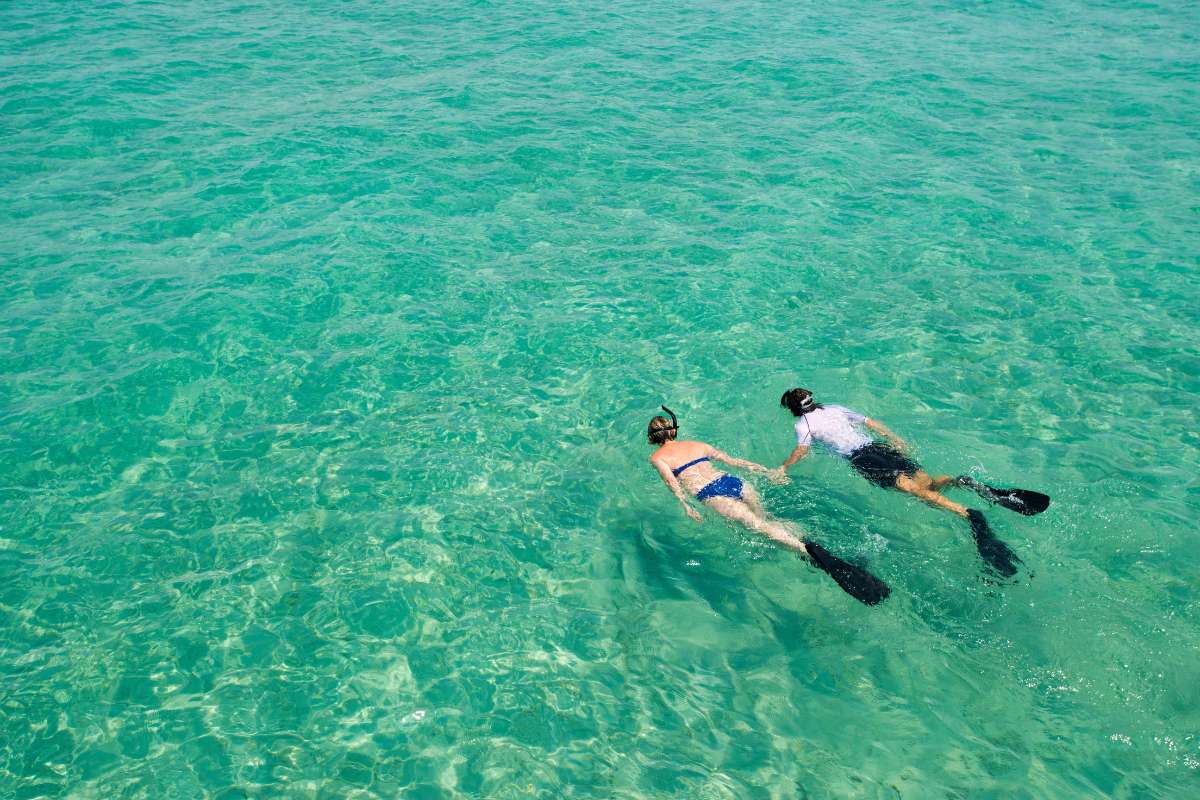
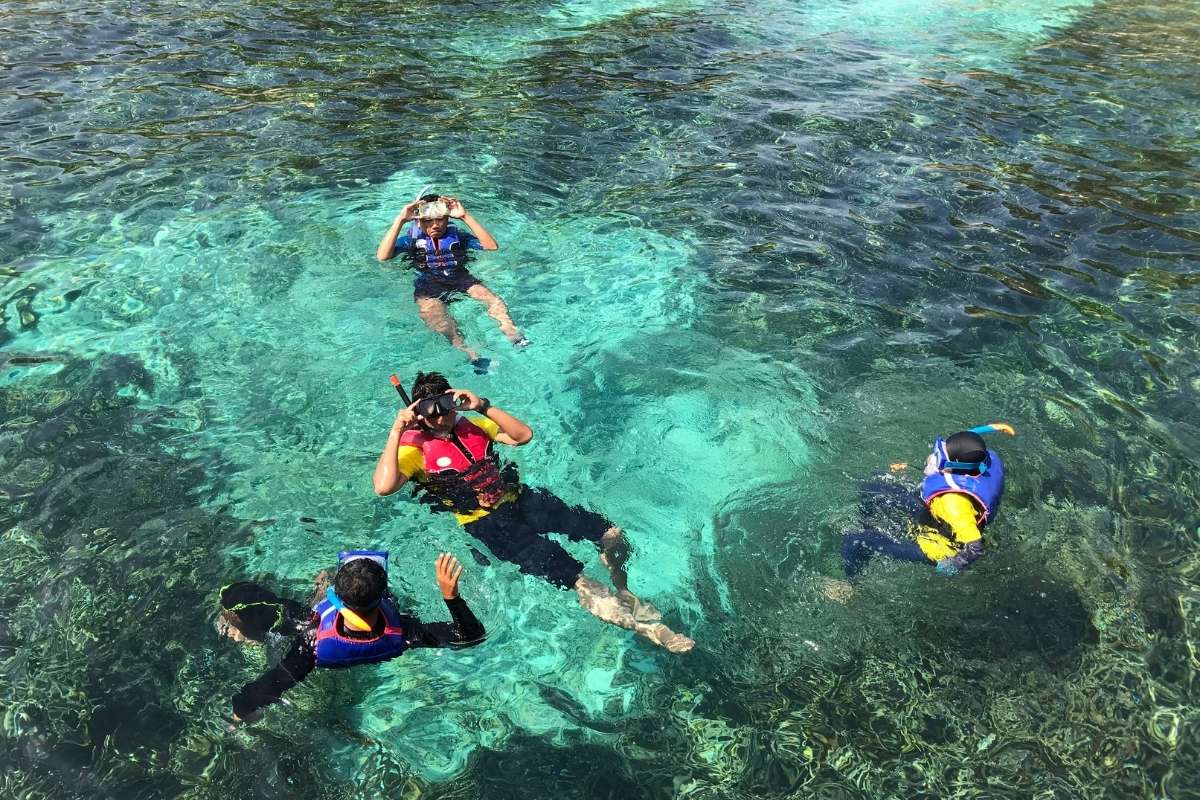
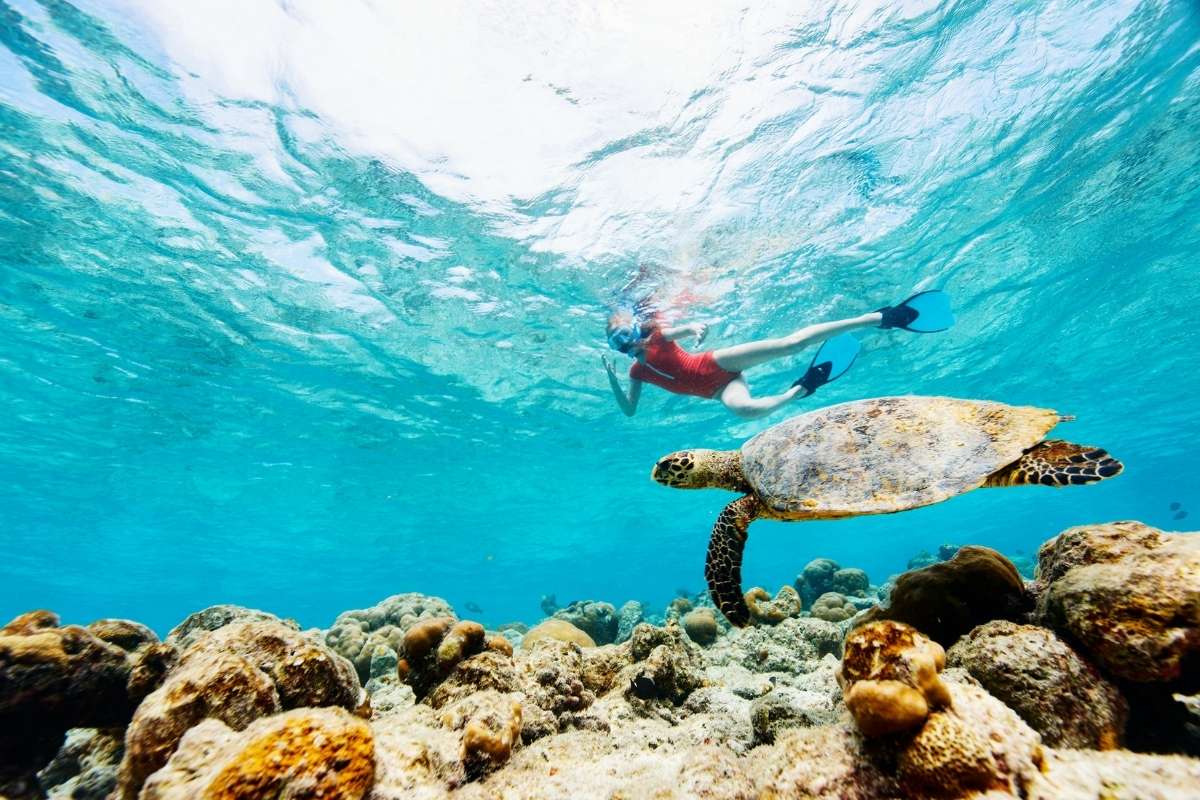
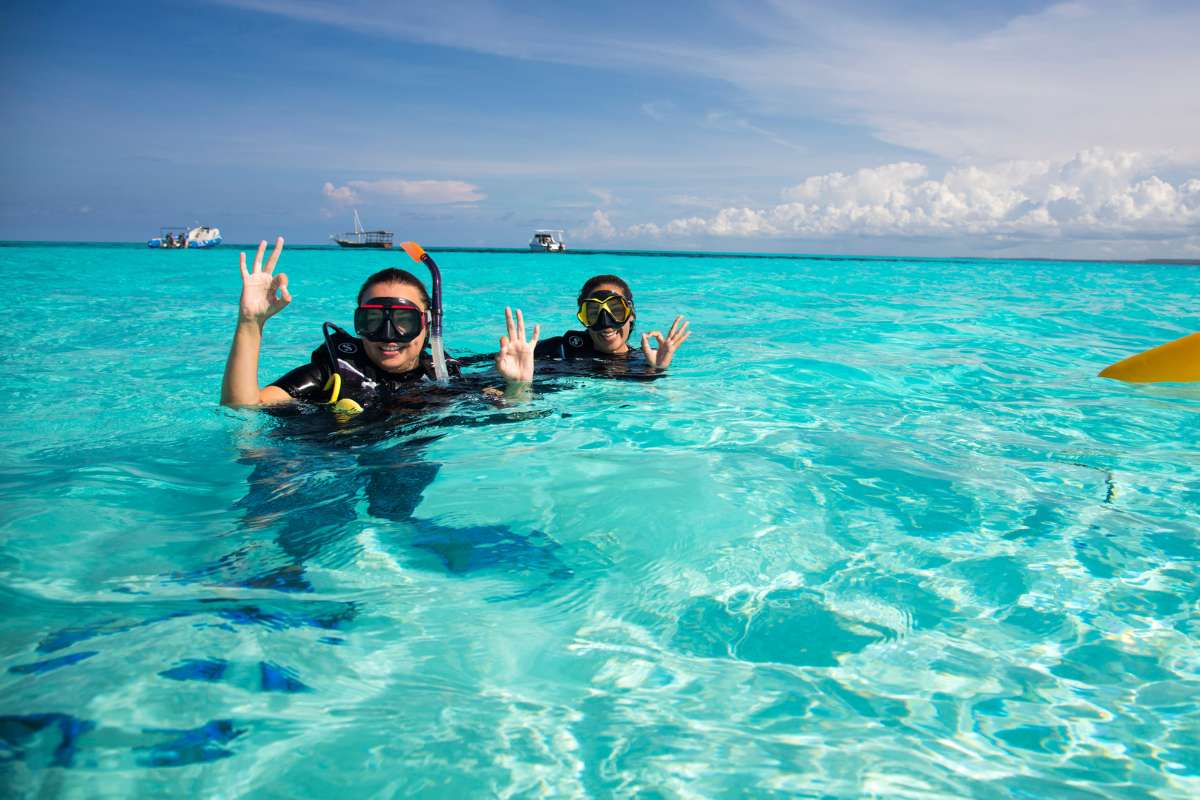
The Sainte Anne Marine National Park, established in 1973 as the first marine park in the Indian Ocean, protects coral gardens, sea turtles and a broad diversity of reef and pelagic fish directly off Mahé’s eastern coast. Snorkelling and diving within the park are among the most straightforward ways to access the marine environment.
Mahé is the cultural and culinary heart of the Seychelles, where the islands’ layered heritage of African, French, British and South Asian influence is most visible. The market in Victoria, the spice gardens at Union Estate, and the cooking of the island’s Creole restaurants tell a more complete story of the archipelago than the beaches alone.

01

overview

Mahé

Mahé is the gateway to Seychelles, but it is far more than a transit point. Home to the capital, most of the country’s major hotels and a wide variety of beaches, it offers the broadest mix of culture, comfort and activity in the archipelago. Its jungle-clad mountains and hidden coves give it more depth than many “main islands” elsewhere in the Indian Ocean.

Reasons to Visit

Mahé’s coastline holds more than 60 beaches, from the lively north around Beau Vallon to remote southern coves accessible only on foot or by boat. The variety means there is almost always a beach to yourself if you are prepared to look for it.
The Sainte Anne Marine National Park, established in 1973 as the first marine park in the Indian Ocean, protects coral gardens, sea turtles and a broad diversity of reef and pelagic fish directly off Mahé’s eastern coast. Snorkelling and diving within the park are among the most straightforward ways to access the marine environment.
Mahé is the cultural and culinary heart of the Seychelles, where the islands’ layered heritage of African, French, British and South Asian influence is most visible. The market in Victoria, the spice gardens at Union Estate, and the cooking of the island’s Creole restaurants tell a more complete story of the archipelago than the beaches alone.

01

overview

Bazaruto

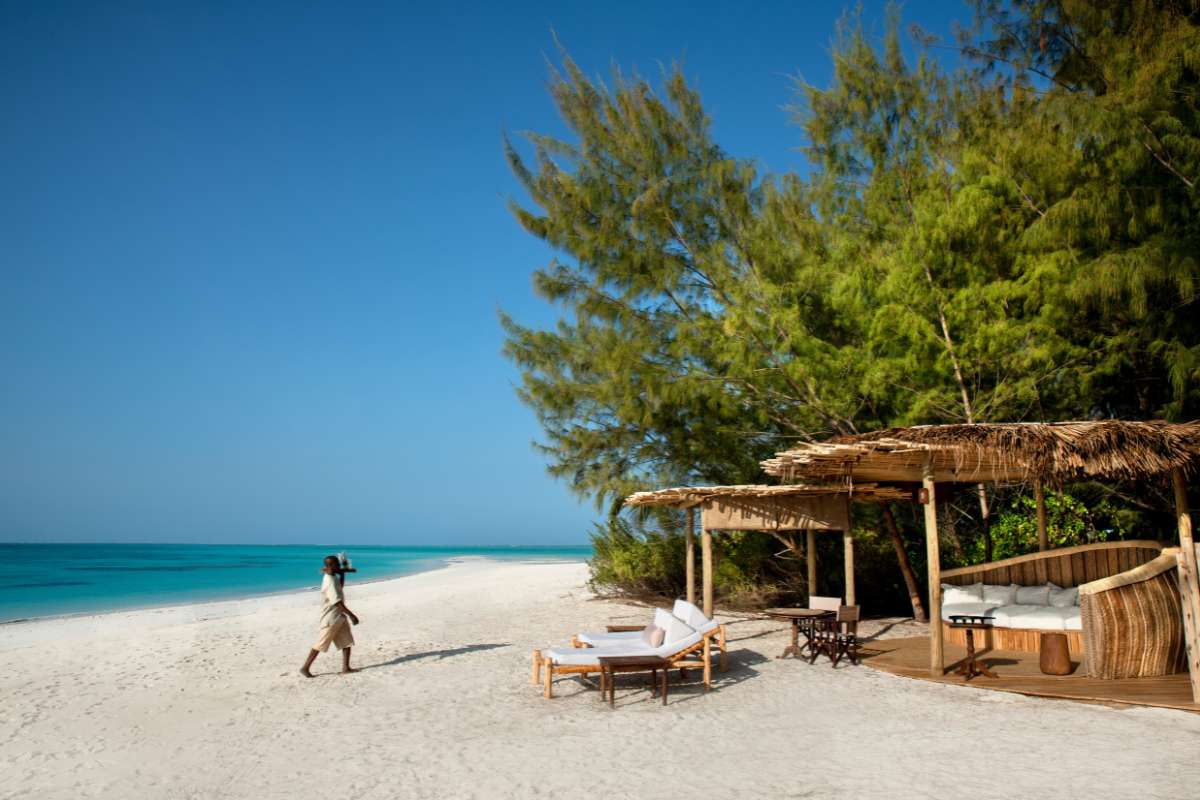
Bazaruto is Mozambique’s signature island destination: broad beaches, shifting sand dunes, translucent shallows and excellent marine life all wrapped in a polished, luxury-island format. It is a destination of visual ease and barefoot elegance, ideal for couples, honeymooners and anyone who wants a classic Indian Ocean finish after safari.

Reasons to Visit

The Two Mile Reef off Bazaruto’s western shore is one of the largest and most intact coral systems in the southern Indian Ocean, stretching for more than three kilometres and supporting an exceptional diversity of hard and soft coral. It is the ecological centrepiece of the Bazaruto Archipelago Marine Park and the primary reason the island’s marine environment has remained as healthy as it has.
Bazaruto’s protected waters support one of the healthiest marine ecosystems on the East African coast, with dugong, manta rays, bottlenose and spinner dolphins, whale sharks and humpback whales all regularly recorded within the archipelago. The marine park designation, in place since 1971, has given the reef and its inhabitants more than fifty years of continuous protection.
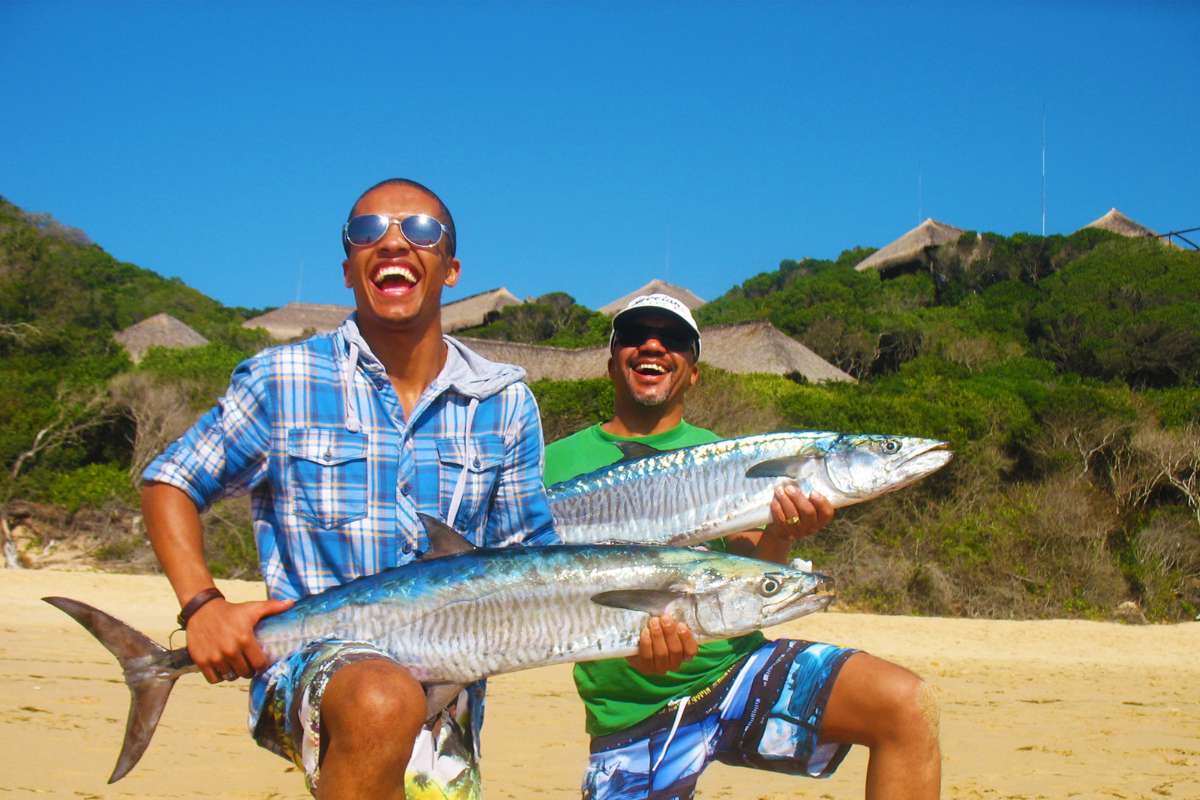
The deep water of the Mozambique Channel runs close to Bazaruto’s eastern shore, making the island one of the most productive big game fishing destinations in the southern hemisphere. Marlin, sailfish, yellowfin tuna and dorado are all present, and the fishing here draws serious anglers who have run out of excuses not to come.

01

overview

Bazaruto

Bazaruto is Mozambique’s signature island destination: broad beaches, shifting sand dunes, translucent shallows and excellent marine life all wrapped in a polished, luxury-island format. It is a destination of visual ease and barefoot elegance, ideal for couples, honeymooners and anyone who wants a classic Indian Ocean finish after safari.

Reasons to Visit

The Two Mile Reef off Bazaruto’s western shore is one of the largest and most intact coral systems in the southern Indian Ocean, stretching for more than three kilometres and supporting an exceptional diversity of hard and soft coral. It is the ecological centrepiece of the Bazaruto Archipelago Marine Park and the primary reason the island’s marine environment has remained as healthy as it has.
Bazaruto’s protected waters support one of the healthiest marine ecosystems on the East African coast, with dugong, manta rays, bottlenose and spinner dolphins, whale sharks and humpback whales all regularly recorded within the archipelago. The marine park designation, in place since 1971, has given the reef and its inhabitants more than fifty years of continuous protection.
The deep water of the Mozambique Channel runs close to Bazaruto’s eastern shore, making the island one of the most productive big game fishing destinations in the southern hemisphere. Marlin, sailfish, yellowfin tuna and dorado are all present, and the fishing here draws serious anglers who have run out of excuses not to come.

01

overview

Mafia Island

Mafia is the island destination of choice for marine lovers. Quieter and more natural-feeling than Zanzibar, it is renowned for diving, snorkelling and a low-key atmosphere that suits travellers who want reef quality and authenticity over polish and nightlife. It is particularly compelling for those seeking a more specialised island extension after safari.

Reasons to Visit

Mafia Island Marine Park encompasses 822 square kilometres of coral reef, seagrass beds and mangrove forest, and the reefs here are among the healthiest in the western Indian Ocean. Visibility frequently exceeds 20 metres, and the coral formations have been largely undisturbed by the mass tourism that has affected other Indian Ocean destinations.
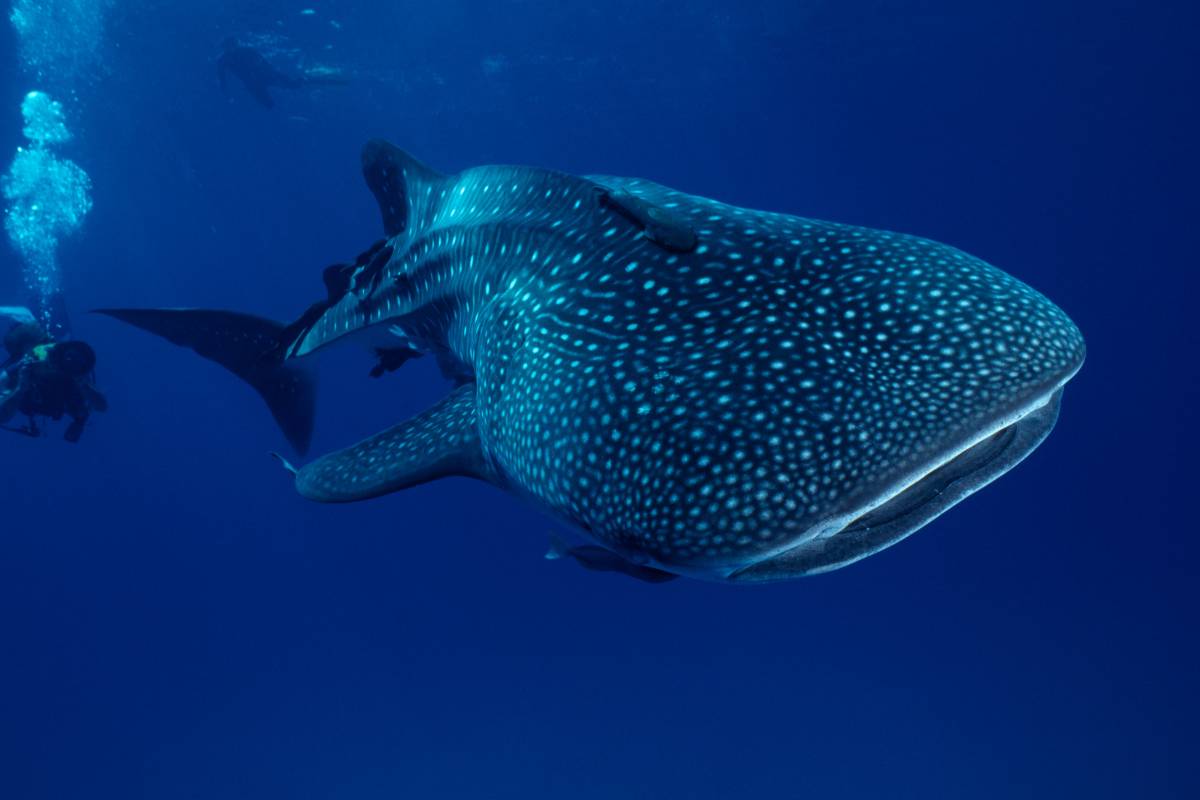
Mafia Island is one of the most reliable places in the world to encounter whale sharks, with individuals present around the island between October and March following plankton blooms in the channel. Unlike destinations where sightings are opportunistic, the aggregations here are predictable enough to form the basis of a dedicated trip.
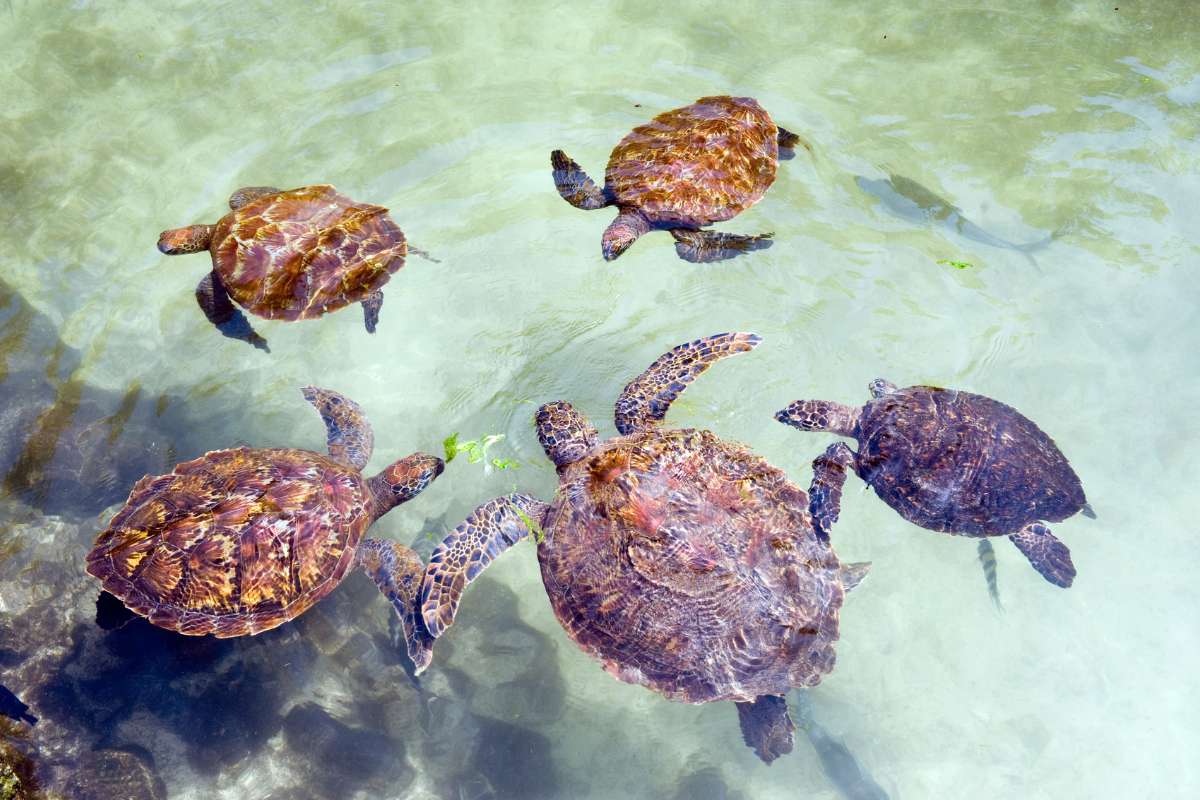
Mafia hosts one of the most important green turtle nesting sites in the western Indian Ocean, with females returning to the island’s beaches between June and September each year. Guided night walks during the season offer the chance to observe nesting females or, in the right weeks, newly hatched turtles making their way to the water.

01

overview

Mafia Island

Mafia is the island destination of choice for marine lovers. Quieter and more natural-feeling than Zanzibar, it is renowned for diving, snorkelling and a low-key atmosphere that suits travellers who want reef quality and authenticity over polish and nightlife. It is particularly compelling for those seeking a more specialised island extension after safari.

Reasons to Visit

Mafia Island Marine Park encompasses 822 square kilometres of coral reef, seagrass beds and mangrove forest, and the reefs here are among the healthiest in the western Indian Ocean. Visibility frequently exceeds 20 metres, and the coral formations have been largely undisturbed by the mass tourism that has affected other Indian Ocean destinations.
Mafia Island is one of the most reliable places in the world to encounter whale sharks, with individuals present around the island between October and March following plankton blooms in the channel. Unlike destinations where sightings are opportunistic, the aggregations here are predictable enough to form the basis of a dedicated trip.
Mafia hosts one of the most important green turtle nesting sites in the western Indian Ocean, with females returning to the island’s beaches between June and September each year. Guided night walks during the season offer the chance to observe nesting females or, in the right weeks, newly hatched turtles making their way to the water.

01

overview

North Male Atoll

North Malé Atoll is the Maldives’ most convenient luxury region thanks to its proximity to Malé airport, but convenience does not mean compromise. This atoll contains some of the country’s most accomplished resorts, making it ideal for shorter stays, family escapes, first-time Maldives visitors and travellers who want maximum beach time with minimum transfer hassle.

Reasons to Visit

The North Malé Atoll holds some of the Maldives’ most celebrated dive sites, including Manta Point at Lankan Finolhu and the shark nurseries of Banana Reef. Strong currents, clear water and consistent pelagic activity make this one of the most productive dive atolls in the Indian Ocean.
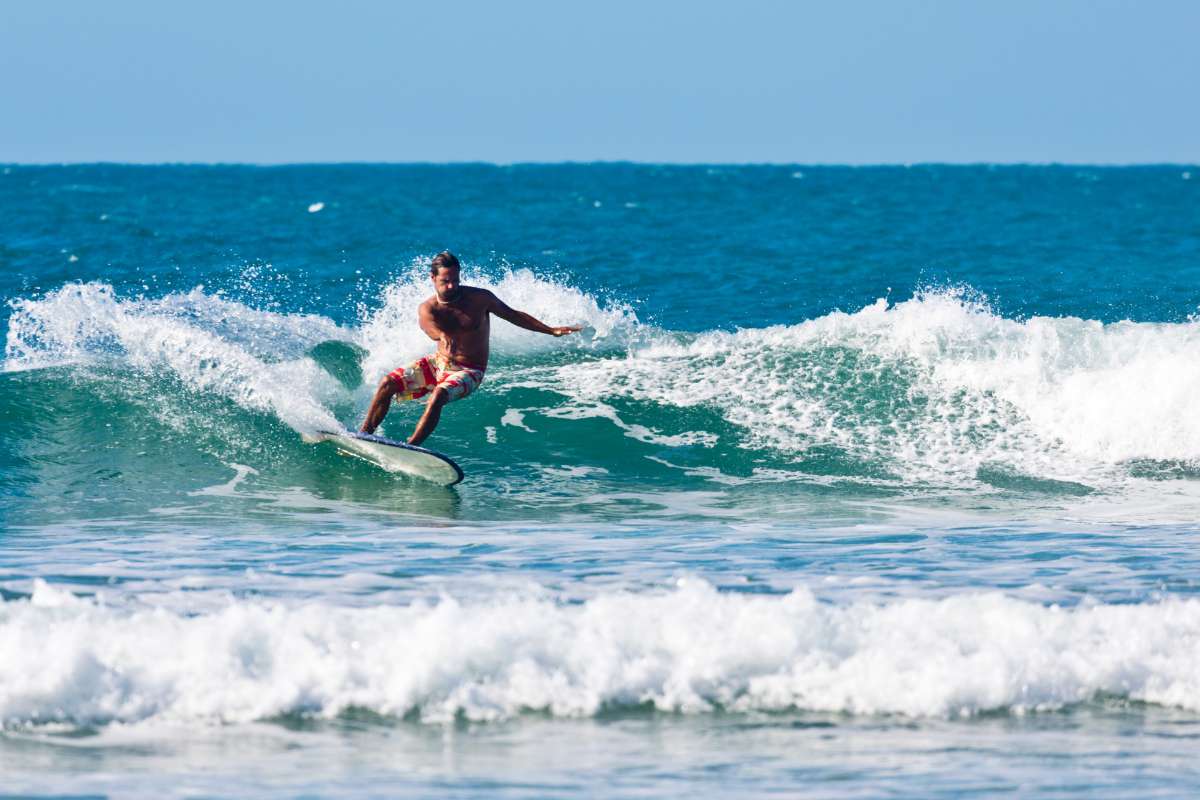
The breaks around the North Malé Atoll, particularly Cokes and Lohis, are among the most consistent in the Maldives, drawing surfers between March and October. The atoll’s proximity to Malé makes the surf camps here among the most accessible in the archipelago.
The old Friday Mosque in Malé, built from coral stone in 1658 and still in use, and the National Museum’s collection of pre-Islamic artefacts offer a perspective on Maldivian history that the resort islands keep deliberately at a distance. Malé itself, compact and dense with activity, is a genuine counterpoint to the seclusion of the atolls.

01

overview

North Male Atoll

North Malé Atoll is the Maldives’ most convenient luxury region thanks to its proximity to Malé airport, but convenience does not mean compromise. This atoll contains some of the country’s most accomplished resorts, making it ideal for shorter stays, family escapes, first-time Maldives visitors and travellers who want maximum beach time with minimum transfer hassle.

Reasons to Visit

The North Malé Atoll holds some of the Maldives’ most celebrated dive sites, including Manta Point at Lankan Finolhu and the shark nurseries of Banana Reef. Strong currents, clear water and consistent pelagic activity make this one of the most productive dive atolls in the Indian Ocean.
The breaks around the North Malé Atoll, particularly Cokes and Lohis, are among the most consistent in the Maldives, drawing surfers between March and October. The atoll’s proximity to Malé makes the surf camps here among the most accessible in the archipelago.
The old Friday Mosque in Malé, built from coral stone in 1658 and still in use, and the National Museum’s collection of pre-Islamic artefacts offer a perspective on Maldivian history that the resort islands keep deliberately at a distance. Malé itself, compact and dense with activity, is a genuine counterpoint to the seclusion of the atolls.

01

overview

Island of Dhigurah

Dhigurah in Noonu Atoll offers a more secluded northern-atoll experience, suited to travellers seeking privacy, excellent marine conditions and a more away-from-it-all mood than the busier central atolls. The beauty here lies in broad lagoons, warm water, house-reef possibilities and the slower rhythm that defines the best Maldivian stays.

Reasons to Visit

Dhigurah in South Ari Atoll sits within one of the only places in the world where whale sharks are resident year-round. The channel off the island’s eastern shore is a regular feeding ground, and snorkelling with them is a routine morning activity. South Ari Atoll Marine Protected Area was established specifically to protect this population.
Dhigurah is a local island with a dedicated stretch of beach where non-Muslim dress is permitted, one of the longest on any local island in the Maldives at approximately two kilometres. It is an unusual combination: a genuine Maldivian community island with beach access of this quality and length.
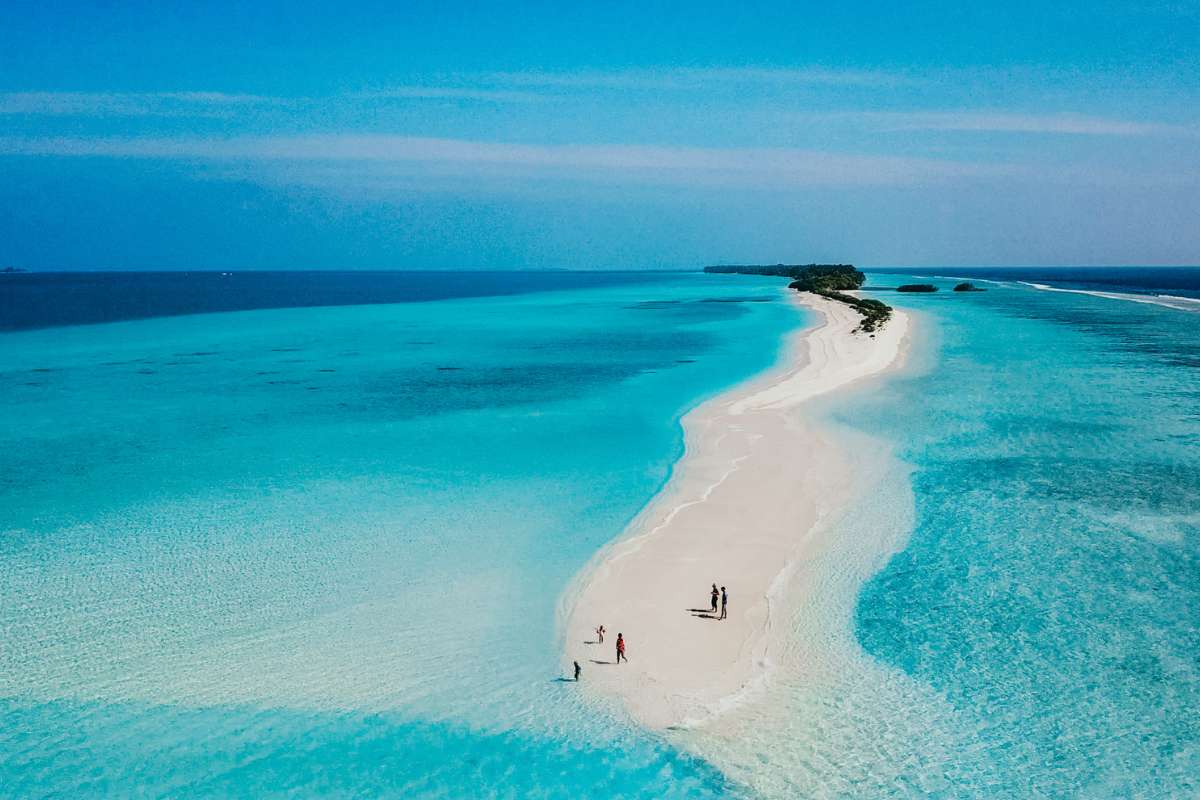
A sandbar emerges off Dhigurah’s southern tip at low tide, reachable by a short boat ride from the island. With nothing on it but white sand and the Indian Ocean in every direction, it is the kind of place that justifies the journey on its own.

01

overview

Island of Dhigurah

Dhigurah in Noonu Atoll offers a more secluded northern-atoll experience, suited to travellers seeking privacy, excellent marine conditions and a more away-from-it-all mood than the busier central atolls. The beauty here lies in broad lagoons, warm water, house-reef possibilities and the slower rhythm that defines the best Maldivian stays.

Reasons to Visit

Dhigurah in South Ari Atoll sits within one of the only places in the world where whale sharks are resident year-round. The channel off the island’s eastern shore is a regular feeding ground, and snorkelling with them is a routine morning activity. South Ari Atoll Marine Protected Area was established specifically to protect this population.
Dhigurah is a local island with a dedicated stretch of beach where non-Muslim dress is permitted, one of the longest on any local island in the Maldives at approximately two kilometres. It is an unusual combination: a genuine Maldivian community island with beach access of this quality and length.
A sandbar emerges off Dhigurah’s southern tip at low tide, reachable by a short boat ride from the island. With nothing on it but white sand and the Indian Ocean in every direction, it is the kind of place that justifies the journey on its own.

01

overview

La Digue

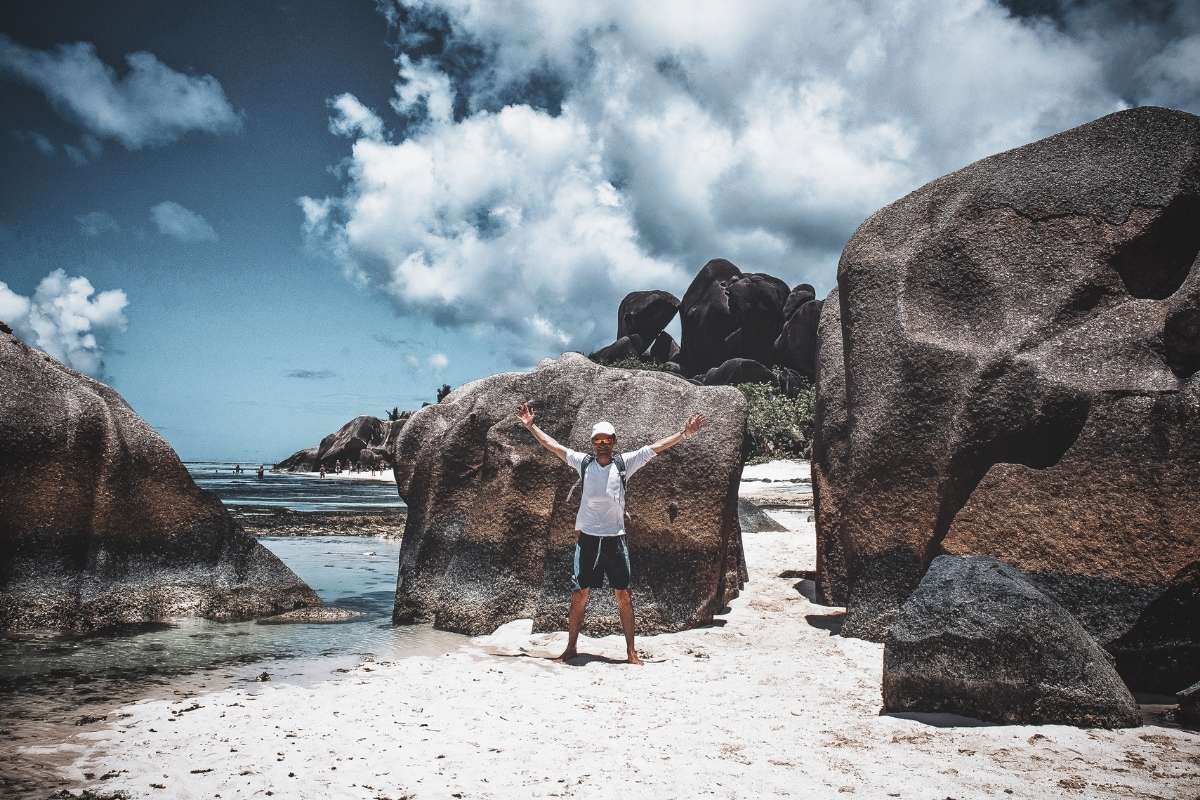
La Digue is Seychelles at its most relaxed and photogenic. Smaller, quieter and slower moving, it is known for its bicycle-paced charm, huge granite boulders and beaches that look almost impossibly composed. It suits travellers who want romance, a softer pace and a sense of simple island elegance.

Reasons to Visit

The shallow bays along La Digue’s southern coast, particularly Anse Cocos and Petite Anse, offer some of the most accessible snorkelling in the Seychelles, with hawksbill turtles a regular presence in the water. Granite formations just below the surface and consistently clear, calm conditions reward even casual snorkellers.
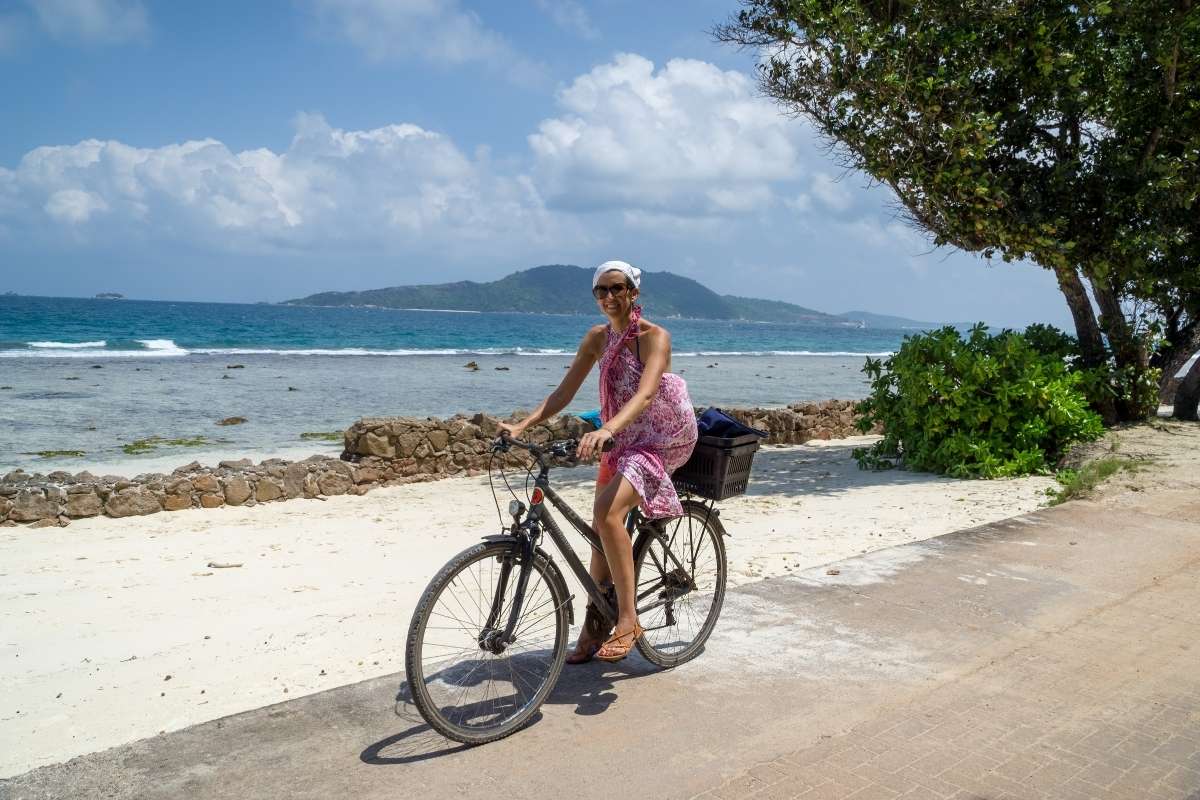
La Digue has no hire cars, which means bicycles are how the island is explored. The circuit passes beaches, vanilla plantations and the central plateau, with the particular pleasure of arriving at a beach that has no car park and no crowds.
Beaches like Anse Cocos and Grand Anse require a short walk from the nearest road, which is enough to keep them genuinely quiet. La Digue’s less-visited southern shores reward those prepared to go a little further.

01

overview

La Digue

La Digue is Seychelles at its most relaxed and photogenic. Smaller, quieter and slower moving, it is known for its bicycle-paced charm, huge granite boulders and beaches that look almost impossibly composed. It suits travellers who want romance, a softer pace and a sense of simple island elegance.

Reasons to Visit

The shallow bays along La Digue’s southern coast, particularly Anse Cocos and Petite Anse, offer some of the most accessible snorkelling in the Seychelles, with hawksbill turtles a regular presence in the water. Granite formations just below the surface and consistently clear, calm conditions reward even casual snorkellers.
La Digue has no hire cars, which means bicycles are how the island is explored. The circuit passes beaches, vanilla plantations and the central plateau, with the particular pleasure of arriving at a beach that has no car park and no crowds.
Beaches like Anse Cocos and Grand Anse require a short walk from the nearest road, which is enough to keep them genuinely quiet. La Digue’s less-visited southern shores reward those prepared to go a little further.

01

overview

Benguerra Island

Benguerra is one of Mozambique’s most romantic island stays: intimate, polished and wonderfully suited to travellers who want marine beauty with strong service and a genuine sense of seclusion. It shares the broader Bazaruto Archipelago’s appeal, but often feels slightly softer and more private in mood.

Reasons to Visit

Benguerra sits within the Bazaruto Archipelago Marine Park, which protects one of the last viable dugong populations in East Africa, estimated at fewer than 250 individuals. Manta rays, whale sharks, humpback whales between July and November, and five species of sea turtle are also present, making Benguerra one of the more significant marine destinations on the continent.
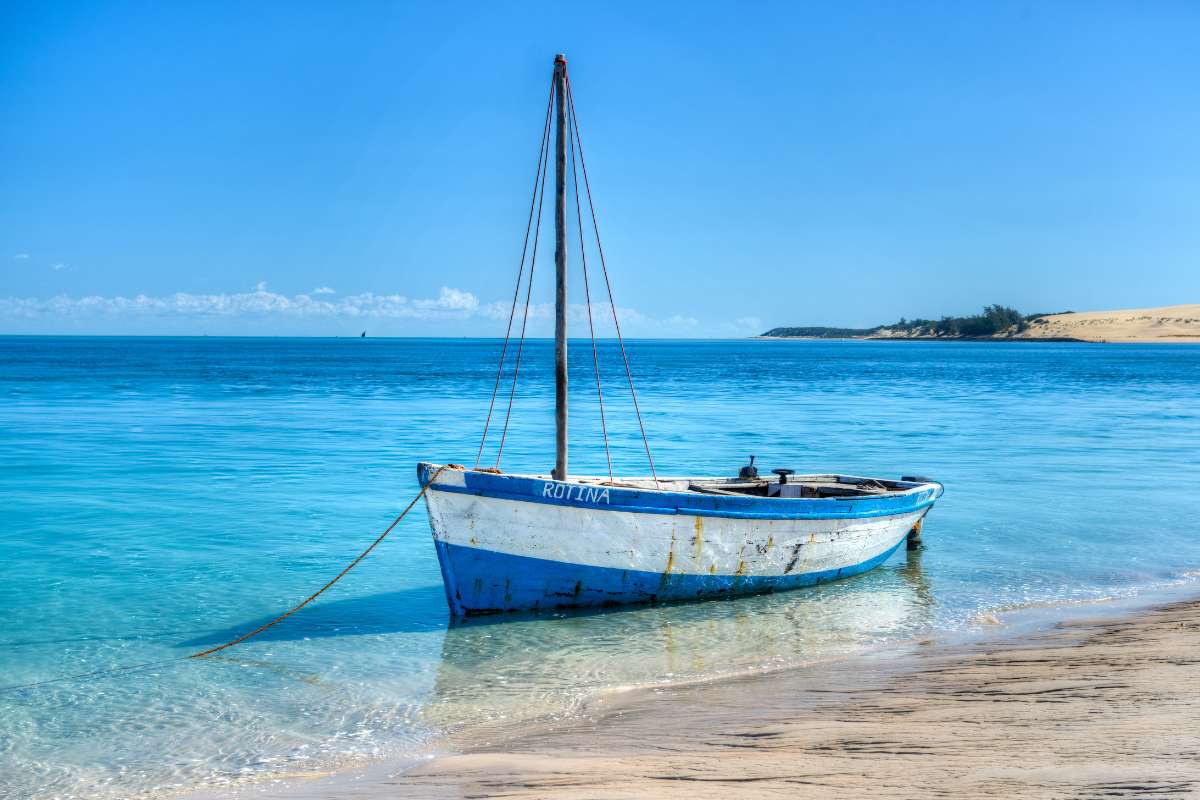
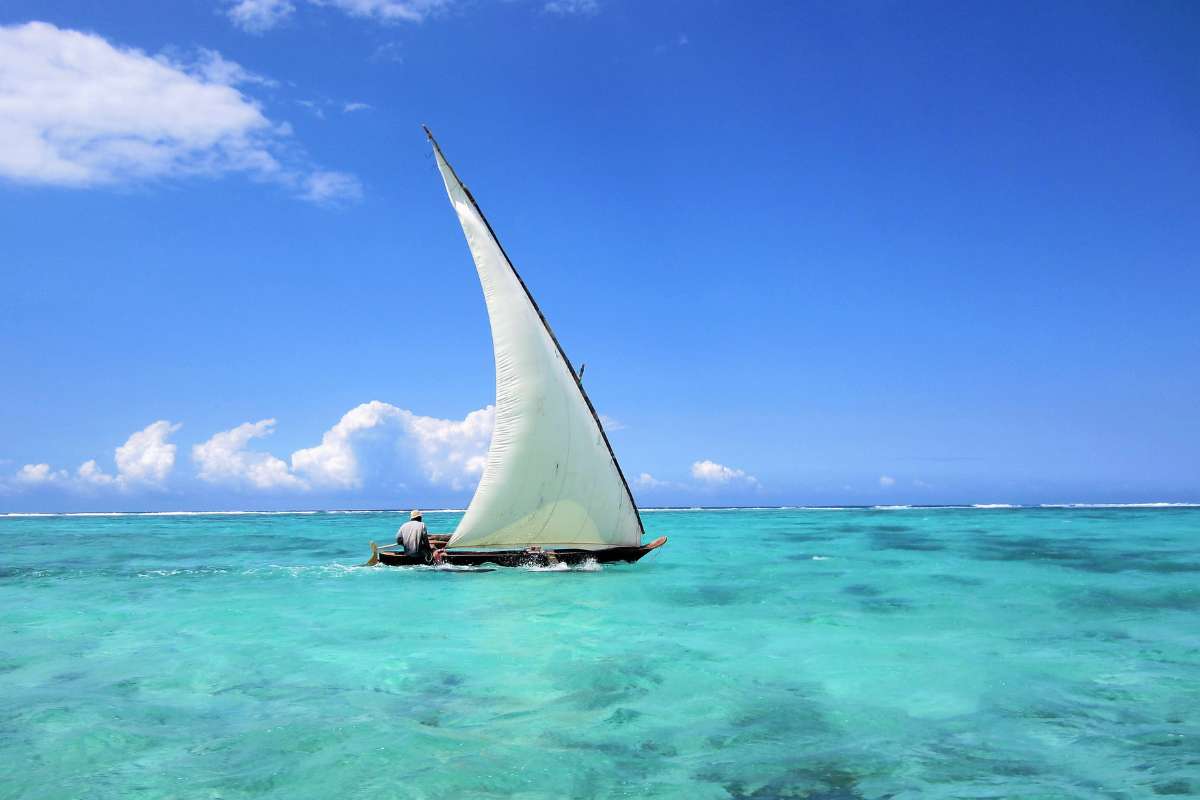
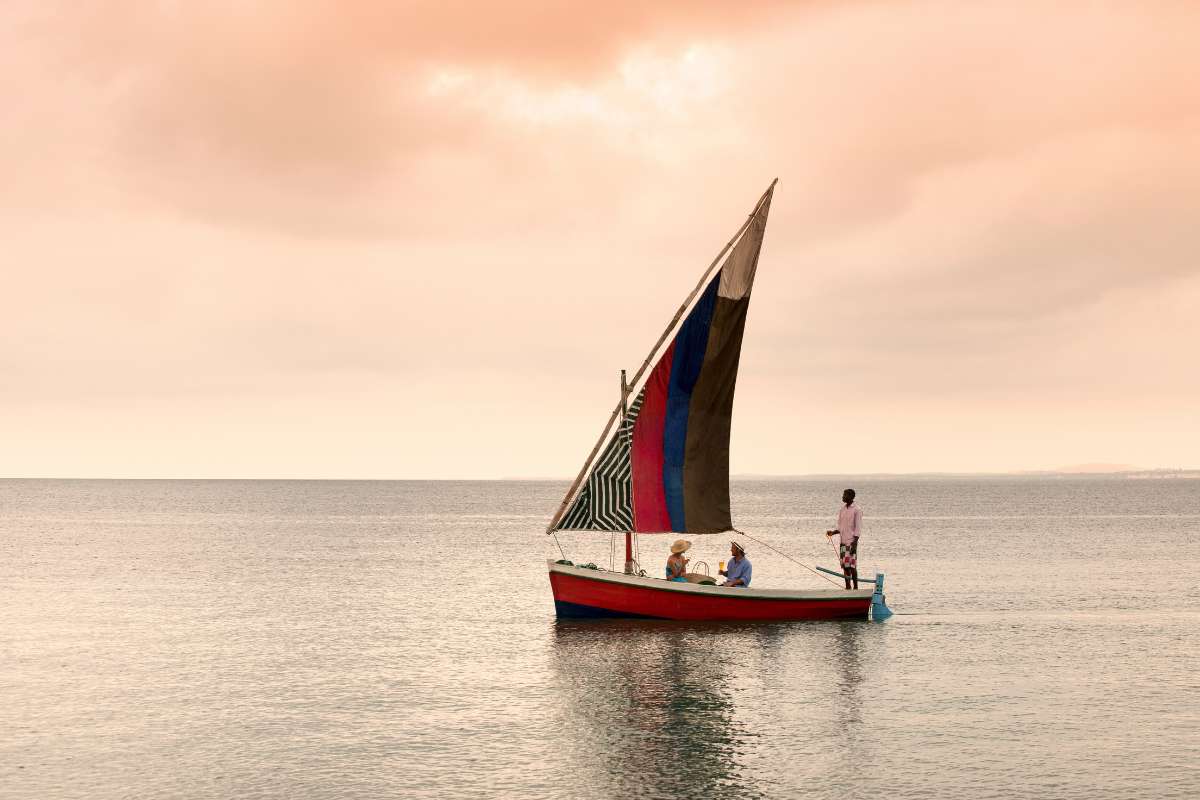
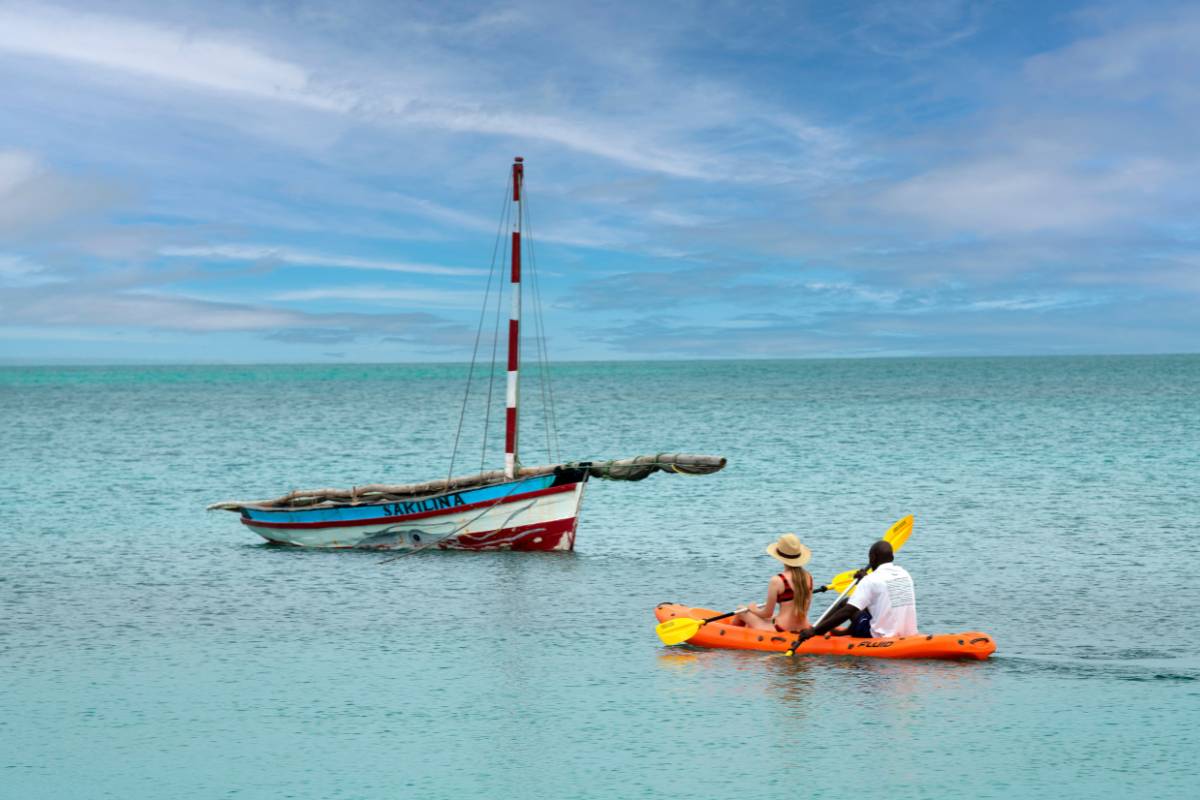
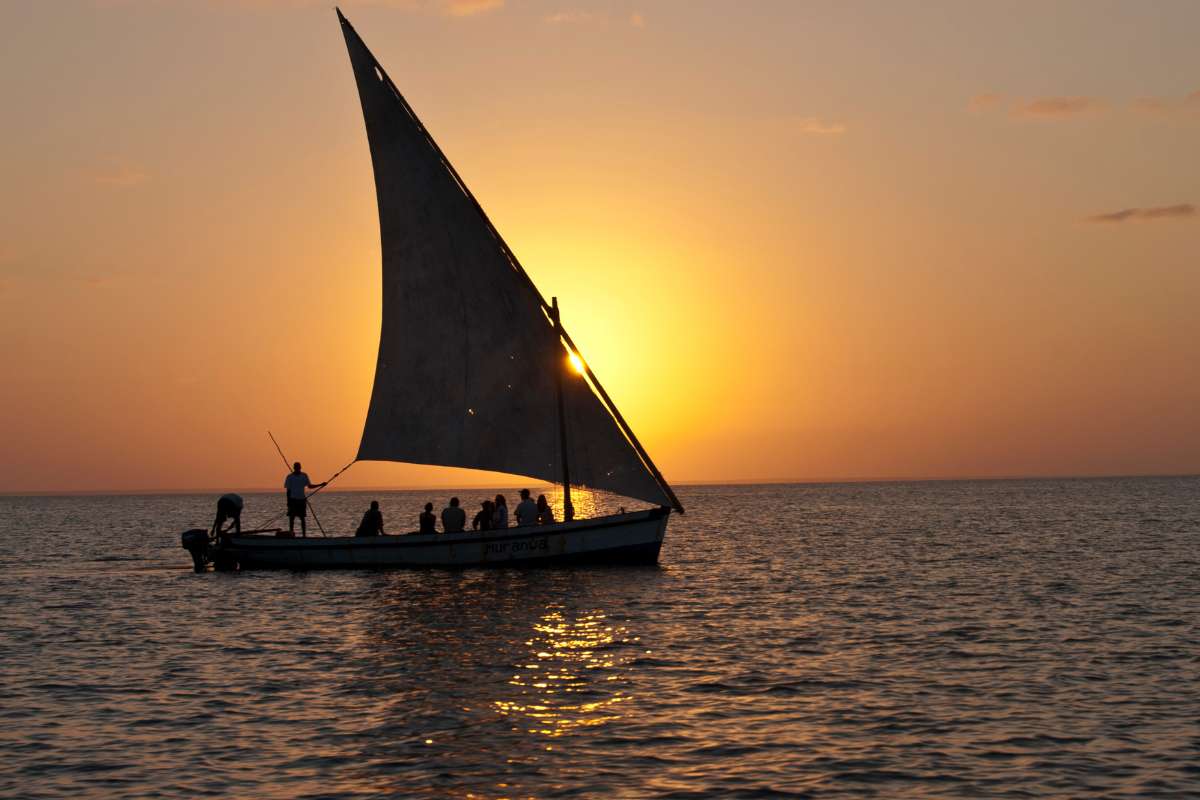
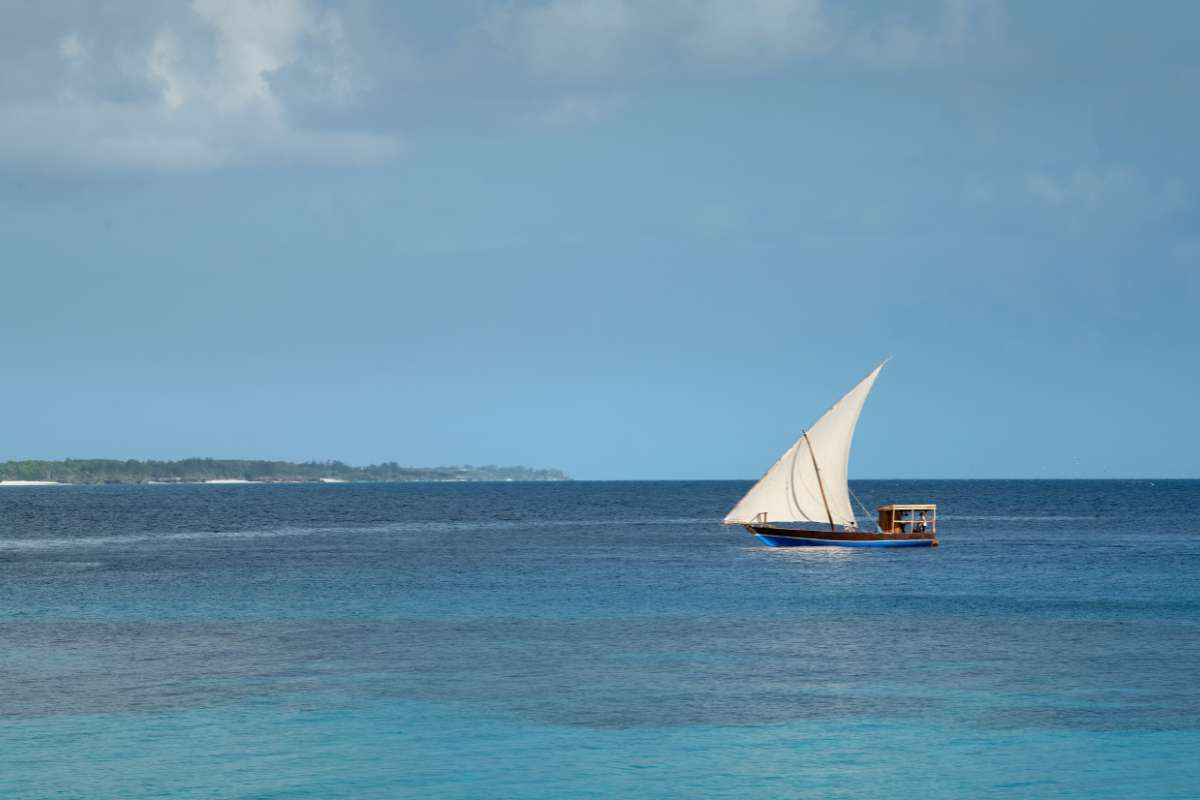
The traditional dhow is the defining vessel of this stretch of Mozambican coastline, and sailing between the islands with the Bazaruto dunes behind you and the channel water changing colour beneath you is the experience most guests take away most clearly. Sunset dhow trips from Benguerra are a fixture for a reason.
The camps on Benguerra combine genuine remoteness with a level of comfort and attention rarely associated with a destination this far from everything else. The island has no permanent roads, no cars, and beaches that remain almost entirely undisturbed from one tide to the next.

01

overview

Benguerra Island

Benguerra is one of Mozambique’s most romantic island stays: intimate, polished and wonderfully suited to travellers who want marine beauty with strong service and a genuine sense of seclusion. It shares the broader Bazaruto Archipelago’s appeal, but often feels slightly softer and more private in mood.

Reasons to Visit

Benguerra sits within the Bazaruto Archipelago Marine Park, which protects one of the last viable dugong populations in East Africa, estimated at fewer than 250 individuals. Manta rays, whale sharks, humpback whales between July and November, and five species of sea turtle are also present, making Benguerra one of the more significant marine destinations on the continent.
The traditional dhow is the defining vessel of this stretch of Mozambican coastline, and sailing between the islands with the Bazaruto dunes behind you and the channel water changing colour beneath you is the experience most guests take away most clearly. Sunset dhow trips from Benguerra are a fixture for a reason.
The camps on Benguerra combine genuine remoteness with a level of comfort and attention rarely associated with a destination this far from everything else. The island has no permanent roads, no cars, and beaches that remain almost entirely undisturbed from one tide to the next.

01

overview

Praslin

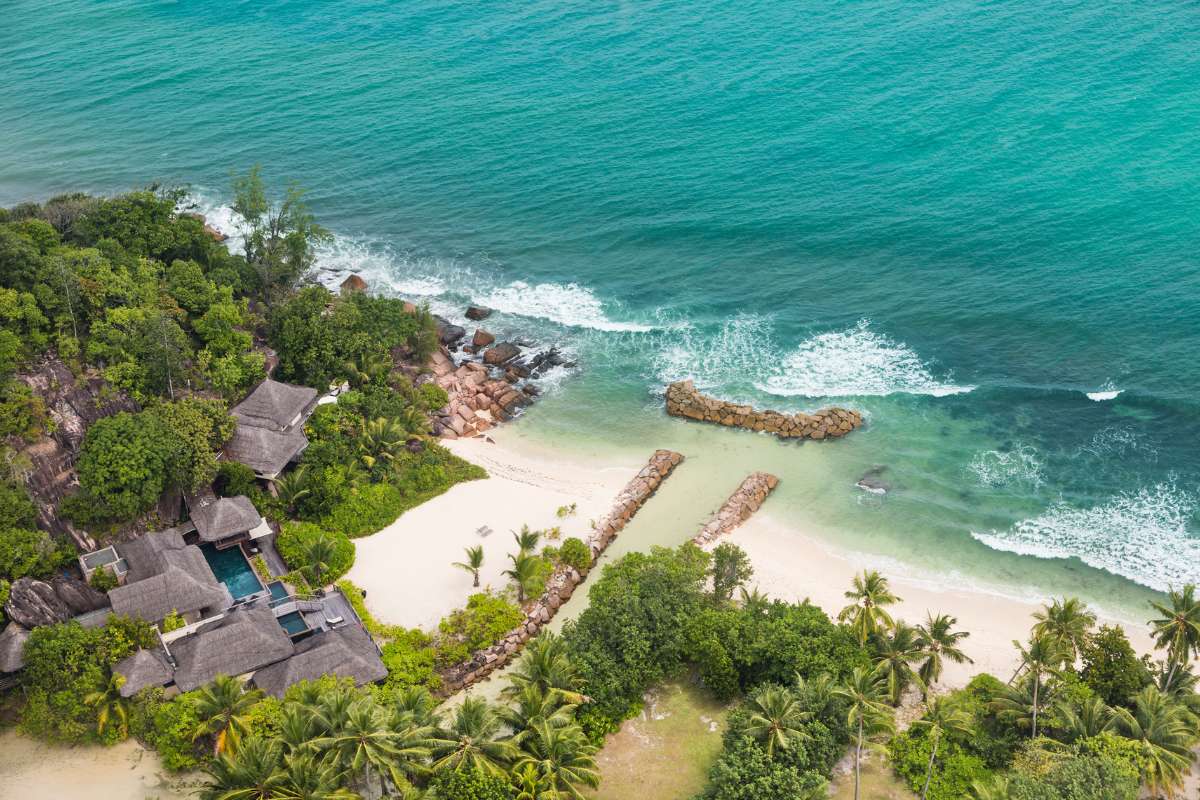
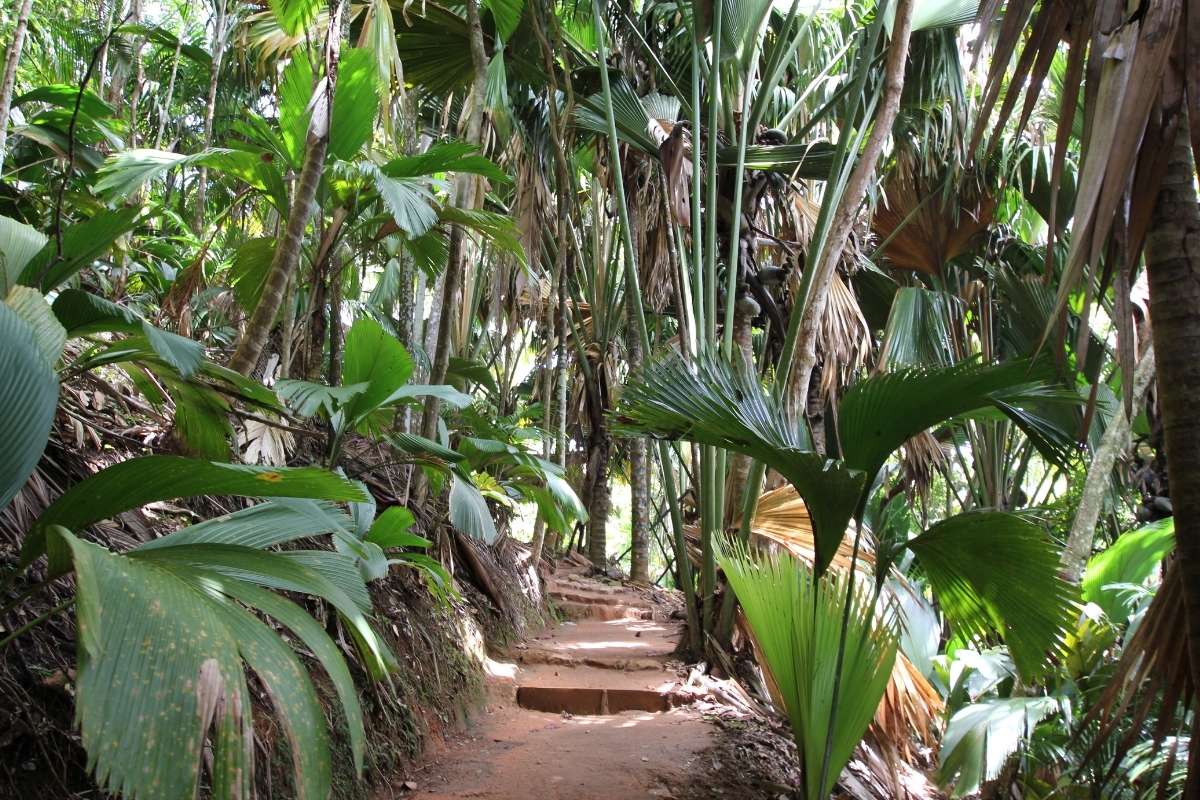
Praslin is often the image people carry of Seychelles: luminous beaches, graceful palms and a gentler, more island-slow rhythm than Mahé. It is especially well suited to couples and honeymooners, and it also provides access to one of the archipelago’s most distinctive natural treasures, the Vallée de Mai.

Reasons to Visit

Anse Lazio and Anse Georgette are consistently placed among the finest beaches on earth, their pale granite boulders and turquoise water a combination found only in the inner Seychelles. The clarity of the water and the gentle gradient of the sand make them among the most swimmable in the Indian Ocean.
Praslin sits at the centre of the inner Seychelles, with La Digue, Curieuse, St Pierre and Cousin all reachable by boat in under 30 minutes. Each island offers something distinct, and Praslin’s position makes it the natural base from which to explore them.
The marine reserve around St Pierre islet, a short boat ride from Praslin, is one of the most productive snorkel sites in the inner islands. Healthy coral gardens, granite rock formations and a diversity of reef fish make the water here rewarding well beyond the shoreline.

01

overview

Praslin

Praslin is often the image people carry of Seychelles: luminous beaches, graceful palms and a gentler, more island-slow rhythm than Mahé. It is especially well suited to couples and honeymooners, and it also provides access to one of the archipelago’s most distinctive natural treasures, the Vallée de Mai.

Reasons to Visit

Anse Lazio and Anse Georgette are consistently placed among the finest beaches on earth, their pale granite boulders and turquoise water a combination found only in the inner Seychelles. The clarity of the water and the gentle gradient of the sand make them among the most swimmable in the Indian Ocean.
Praslin sits at the centre of the inner Seychelles, with La Digue, Curieuse, St Pierre and Cousin all reachable by boat in under 30 minutes. Each island offers something distinct, and Praslin’s position makes it the natural base from which to explore them.
The marine reserve around St Pierre islet, a short boat ride from Praslin, is one of the most productive snorkel sites in the inner islands. Healthy coral gardens, granite rock formations and a diversity of reef fish make the water here rewarding well beyond the shoreline.

01

overview

Santa Maria

Santa Maria, close to Maputo and the southern Mozambican coast, is best thought of as a low-key beach extension rather than a full island escape. It is useful for shorter stays, soft coastal downtime and travellers who want the Indian Ocean without the additional time commitment of the northern archipelagos. Its appeal is simplicity, proximity and a more understated coastal mood.

Reasons to Visit

The waters off Santa Maria are among the most productive big game fishing grounds on the East African coast, with marlin, sailfish and dorado present throughout the year. The combination of the warm Mozambique Channel and the influence of the Agulhas Current creates conditions that consistently attract large pelagic species.
Santa Maria sits within easy reach of the Bazaruto Archipelago’s five islands, each with its own character and marine environment. Day trips by dhow or speedboat open up a stretch of coastline that remains among the least-visited in southern Africa.
The shallow reefs around Santa Maria support healthy coral gardens and a diversity of marine life that makes snorkelling accessible directly from the shore. Turtles, rays and a wide range of reef fish are regularly encountered in water of excellent clarity.

01

overview

Santa Maria

Santa Maria, close to Maputo and the southern Mozambican coast, is best thought of as a low-key beach extension rather than a full island escape. It is useful for shorter stays, soft coastal downtime and travellers who want the Indian Ocean without the additional time commitment of the northern archipelagos. Its appeal is simplicity, proximity and a more understated coastal mood.

Reasons to Visit

The waters off Santa Maria are among the most productive big game fishing grounds on the East African coast, with marlin, sailfish and dorado present throughout the year. The combination of the warm Mozambique Channel and the influence of the Agulhas Current creates conditions that consistently attract large pelagic species.
Santa Maria sits within easy reach of the Bazaruto Archipelago’s five islands, each with its own character and marine environment. Day trips by dhow or speedboat open up a stretch of coastline that remains among the least-visited in southern Africa.
The shallow reefs around Santa Maria support healthy coral gardens and a diversity of marine life that makes snorkelling accessible directly from the shore. Turtles, rays and a wide range of reef fish are regularly encountered in water of excellent clarity.

01

overview

Mnemba Island

This is the region overview

Reasons to Visit

The atoll surrounding Mnemba Island is one of the most celebrated dive sites in East Africa, its circular reef protecting a lagoon of exceptional clarity and marine richness. Spinner dolphins, turtles, reef sharks and a density of reef fish that rewards repeat dives make it consistently productive across every season.
The waters around Mnemba Atoll are home to a resident population of spinner dolphins, and encounters — either from a boat or while snorkelling — are reliably delivered on most visits. The dolphins here are accustomed to boats and frequently approach before breaking off to feed or rest in the deeper water beyond the atoll.
Mnemba Island itself, accessible exclusively to guests of the single camp on the island, supports nesting seabirds and several reptile species found only along the northern Zanzibar coast. The island’s tiny footprint — walkable in under 20 minutes — and its exclusivity give it a quality of complete seclusion that very few Indian Ocean islands can offer.

01

overview

Mnemba Island

This is the region overview

Reasons to Visit

The atoll surrounding Mnemba Island is one of the most celebrated dive sites in East Africa, its circular reef protecting a lagoon of exceptional clarity and marine richness. Spinner dolphins, turtles, reef sharks and a density of reef fish that rewards repeat dives make it consistently productive across every season.
The waters around Mnemba Atoll are home to a resident population of spinner dolphins, and encounters — either from a boat or while snorkelling — are reliably delivered on most visits. The dolphins here are accustomed to boats and frequently approach before breaking off to feed or rest in the deeper water beyond the atoll.
Mnemba Island itself, accessible exclusively to guests of the single camp on the island, supports nesting seabirds and several reptile species found only along the northern Zanzibar coast. The island’s tiny footprint — walkable in under 20 minutes — and its exclusivity give it a quality of complete seclusion that very few Indian Ocean islands can offer.

Before you go

START YOUR NEXT ADVENTURE

Get in touch and let us help you plan your dream safari

BE INSPIRED BY YOUR CURIOSITY